En
En
 10 min read
If you’re new to the world of dropshipping, you’ve probably heard about how exciting it can be to run an online business with little to no upfront investment. But here’s the truth: Not all niches are created equal. Some are incredibly lucrative, while others are so saturated that they’ll make your head spin just trying to get noticed. In this article, we’ll explore what dropshipping niches are, discuss the reality of market saturation, and highlight 7 dropshipping niches you need to avoid if you want to stay ahead of the game.
So, let’s dive in and make sure you’re on the right track to success!
What is a Dropshipping Niche?
Source:INVENTORY SOURCE
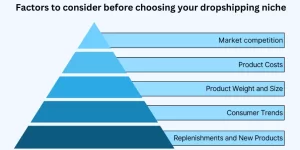
In dropshipping, a niche refers to a focused market or product category. Rather than offering products to everyone, you choose a specific group of customers or a particular type of product. This strategy allows you to cater to their specific needs and interests.
Choosing the right niche is crucial for success in dropshipping. It helps you stand out in a crowded market. Instead of competing with large retailers, you position yourself as an expert in a specific area. This can lead to stronger customer loyalty and higher conversion rates. For example, instead of selling general beauty products, you could focus solely on vegan skincare. This allows you to target eco-conscious consumers who prefer cruelty-free and natural products.
Finding a profitable niche requires research. Look for trends and products that have consistent demand but aren’t oversaturated. Check social media, search trends, and market reports to understand what people are interested in. By offering products that meet specific needs, you can attract customers who are willing to buy from a specialized store rather than a general one.
Is Dropshipping Oversaturated?
Ah, the big question: Is dropshipping oversaturated? It depends. Yes, some markets are absolutely flooded, and trying to break into them can feel like trying to swim against a current. But no, it doesn’t mean that dropshipping is over or that you can’t still make money.
Here’s the good news: While some industries are indeed oversaturated (we’ll get to that shortly), there are still plenty of blue ocean niches out there—less crowded markets where competition is lower, and opportunity is ripe for the taking. The key is knowing where to look and being strategic about your choices. So, don’t let the idea of oversaturation scare you off. Just approach it with the right mindset!
7 Dropshipping Niches You Need to Avoid
Now, let’s get into the real meat of the topic. Here are 7 dropshipping niches that are either oversaturated, extremely difficult to break into, or simply not worth your time. We’ve got you covered with the reasons why, so you can avoid wasting energy on these!
1. Highly Competitive Markets
Examples: General electronics like phones, laptops, or chargers; fashion, including trendy clothing, shoes, and accessories; home goods and decor.
These markets are dominated by big players with established customer bases and large marketing budgets, making it difficult for newcomers to stand out. Competing often leads to price wars, where profit margins are thin, and customer acquisition costs can be high due to expensive advertising. Additionally, it’s hard to differentiate your store without a unique selling proposition (USP), leaving you with limited opportunities to build customer loyalty or brand recognition.
2. Low-Quality or Unbranded Products
Examples: Generic phone accessories, low-grade home appliances, or mass-produced items without strong branding.
Selling low-quality or unbranded products usually results in poor customer experiences, leading to negative reviews, refunds, and higher return rates. Customers expect reliable, high-quality products, and selling items that don’t meet their expectations can harm your reputation and customer trust. Additionally, these products tend to have a short lifespan and may not encourage repeat business, further affecting long-term success.
Here are two examples:
● Unbranded Toys
The fabric may be made of low-quality plush material, causing severe shedding. After playing with the toy, children may have plush fibers stuck to their clothes, and these fibers could even be inhaled, causing discomfort. The internal stuffing may be of poor quality, possibly mixed with foreign objects, and the stitching may be rough, leading to the seams opening and exposing the filling. This presents potential safety hazards, such as the risk of ingestion.
Some cheap wireless earphones or USB charging cables, particularly those purchased through unregulated platforms (like certain online marketplaces or social media sites), are an example. For instance, a pair of wireless earphones priced much lower than the market average may claim “high-quality sound,” but in reality, the sound quality is poor, the battery life is short, and they are prone to breaking. These unbranded earphones may not have passed necessary safety tests, posing risks of overheating, fire, or electric shock during use.
Key Indicators of Low-Quality Electronics:
• No Certification Marks (CE, UL, etc.)
• No Warranty or Limited Support
• Unusually Low Prices
• Poor Customer Reviews
• Lack of Known Brand Name
• Overheating or Malfunctioning in Short Time
3. Products with High Return Rates
Examples: Apparel, particularly items with size or fit issues, electronics with a high failure rate, or fragile items like glassware and ceramics.
Products that are frequently returned, such as clothing with sizing problems or electronics that break easily, create additional costs and logistical challenges. Managing returns and exchanges can eat into your profit margins, and handling these issues can be both costly and time-consuming, particularly when dealing with international shipping. High return rates can also damage your relationship with suppliers and lead to dissatisfaction among customers.
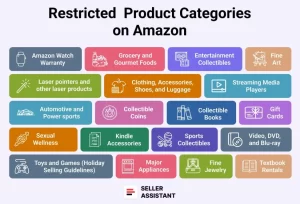
4. Highly Regulated or Restricted Products
Examples: Supplements, pharmaceuticals, tobacco, and certain health-related products.
Selling regulated products often requires navigating complex legal requirements, including certifications, licenses, and strict compliance with local and international regulations. Failing to comply can result in fines, legal issues, and even the suspension of your business. Furthermore, the risks associated with selling such products may deter potential customers, who may have concerns about authenticity or safety, leading to a reduced customer base.
5. Seasonal Products
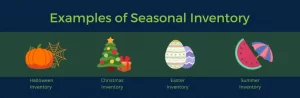
Examples: Christmas decorations, Halloween costumes, or other items that are only in demand during specific times of the year.
Seasonal products rely on short, predictable demand windows, which can lead to unpredictable revenue and an unstable cash flow. After the season ends, you may be stuck with unsold inventory, resulting in losses. Additionally, marketing these products effectively requires timing and strategic planning, which can be tricky, especially for new dropshipping businesses. The inability to maintain steady sales year-round makes seasonal niches less sustainable in the long term.
6. Expensive or High-Risk Products
Examples: High-ticket electronics, large home appliances, or fragile items like furniture or art.
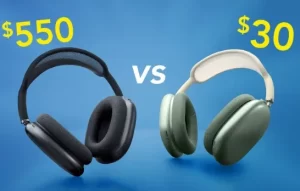
Expensive products come with higher risks due to the significant investment customers make, which can lead to more scrutiny and higher expectations. Issues like damage during shipping or delays in delivery can result in significant customer dissatisfaction and high return rates. Furthermore, high-ticket items often require more careful handling, customer service, and warranty support, which can strain your resources, especially if you’re working with suppliers that have long shipping times or poor product quality.
Source: Seller Assistant
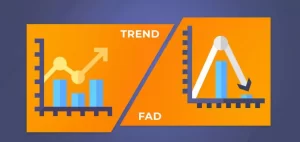
7. Overly Trendy or Fad Products
Examples: Products like fidget spinners, viral gadgets, or fashion accessories tied to a current trend.
Fad products have a very short lifecycle, meaning they may be extremely popular for a brief period but will quickly lose demand once the trend fades. Depending on these products can leave you with unsold inventory and little to no long-term customer retention. As trends change rapidly, staying relevant and continually sourcing new products can drain your resources and time.
Dropshipping Mistakes You May Encounter
While you might now have a better sense of which niches to avoid, there are other common dropshipping mistakes you should watch out for. Here are some pitfalls that many new dropshippers fall into:
● Overly Optimistic Expectations: It’s easy to fall into the trap of believing dropshipping is a get-rich-quick scheme. While it’s definitely possible to make money, it requires hard work, research, and constant optimization.
● Choosing the Wrong Suppliers: Quality control is essential. If your suppliers don’t ship on time, offer poor-quality products, or have inconsistent stock, it will negatively affect your brand and customer satisfaction.
● Neglecting Marketing and Customer Engagement: Many dropshippers focus solely on product selection and pricing but forget that great marketing and customer service are what truly set successful businesses apart. Don’t underestimate the power of social media, email marketing, and customer engagement.
● Ignoring Niche Trends: One of the biggest mistakes is ignoring niche trends or choosing a niche based solely on general popularity rather than current demand. Always stay on top of market shifts and consumer preferences!
Conclusion
In conclusion, dropshipping can still be a lucrative business model if done correctly, but it’s crucial to avoid saturated markets that are tough to compete in. By focusing on more niche, less crowded markets, you’ll be able to carve out a unique space for yourself and increase your chances of success.
If you’re still not sure where to start, be sure to check out our article on the best dropshipping niches for more ideas on profitable markets to enter. Remember, it’s not just about choosing the right niche—it’s about offering great products, excellent customer service, and smart marketing strategies. And, as always, take the time to research and experiment to find the best fit for your business.
Happy dropshipping! ?