














 En

 39 min read
Introduction: From a Single Sponsored Post to a Lasting Brand Relationship
Influencer marketing has become one of the most recognizable ways for brands to reach new customers, introduce products, and build awareness. A creator shares a product with an engaged audience, followers discover the brand, and some of them become customers. On the surface, the process seems simple: find an influencer, negotiate a collaboration, publish sponsored content, and measure the results.
But what happens after the post goes live?
For many brands, the relationship ends as soon as the campaign is complete. The influencer receives payment, the content disappears into a crowded social media feed, and the brand moves on to the next creator. Although this approach can generate short-term exposure, it often misses a much bigger opportunity: building a long-term relationship with someone who genuinely believes in the brand.
A successful influencer partnership should be more than a one-time product placement. The right creator can become a familiar voice associated with a brand, a trusted source of product recommendations, and an active participant in its community. Over time, that creator may evolve from a paid promotional partner into a long-term brand ambassador and even a loyal fan.
This shift matters because consumers are increasingly exposed to sponsored content. They can recognize generic endorsements, repetitive product claims, and partnerships that appear to exist only because a payment was made. A single promotional post may attract attention, but repeated, authentic experiences can create familiarity and trust.
For ecommerce businesses, direct-to-consumer brands, and independent online stores, the opportunity is especially valuable. Long-term influencer relationships can support product launches, customer acquisition, repeat purchases, brand storytelling, and community development.
The goal is not simply to make influencers promote a product more frequently. It is to create a partnership in which the creator understands the brand, enjoys using its products, believes in its values, and wants to remain connected to its growth.
This guide explains how to move beyond one-time influencer promotions and develop lasting brand ambassador relationships that benefit both creators and businesses.
1. Why One-Time Influencer Promotions Are No Longer Enough
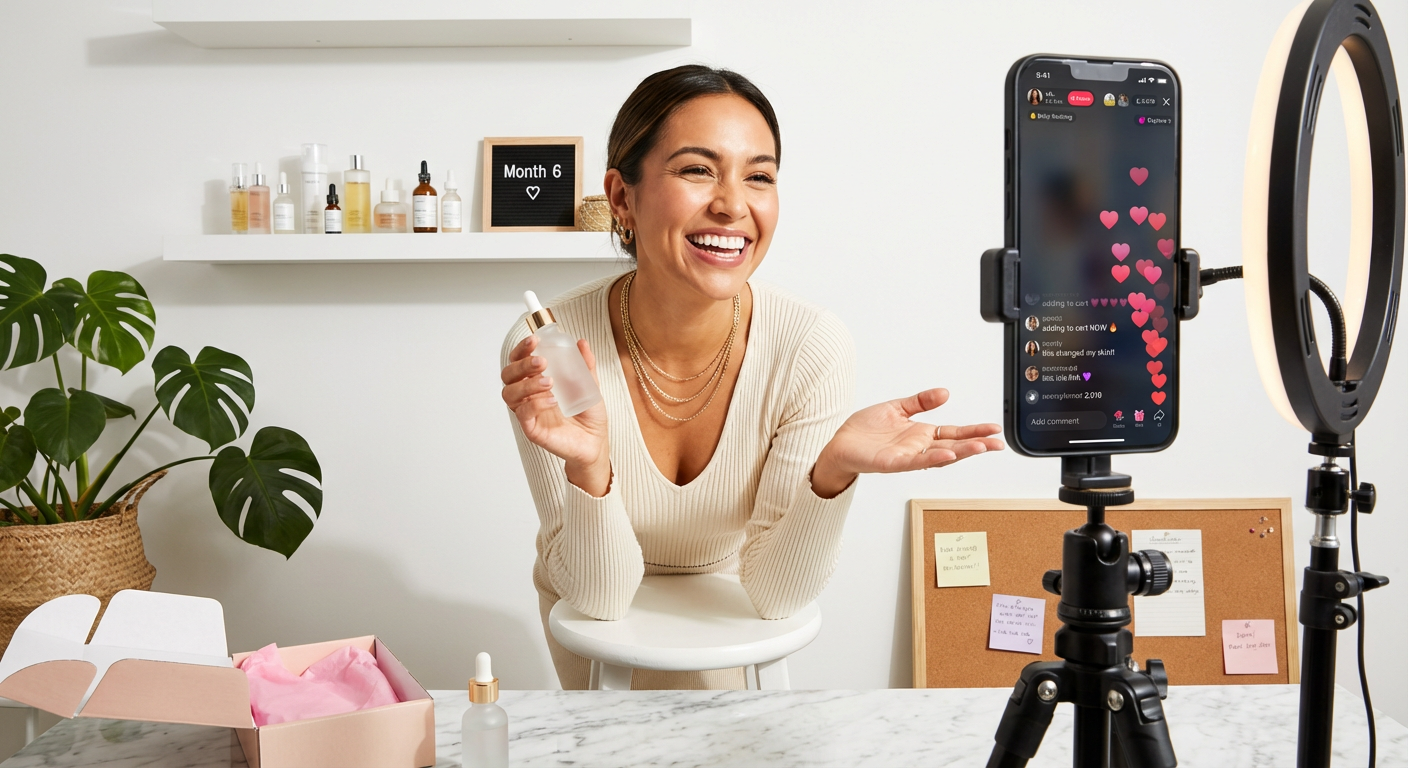
One-time influencer campaigns can be useful, especially when a brand wants to test a new audience or generate initial awareness. However, relying exclusively on individual sponsored posts creates several limitations.
Limited Brand Recognition
Consumers rarely make a purchasing decision immediately after seeing a product for the first time.
They may notice an influencer mentioning a brand, but they might not remember the name, understand the product’s advantages, or feel confident enough to buy.
If the creator never mentions the brand again, that initial exposure may have little lasting impact.
Repeated exposure helps solve this problem. When an audience sees a creator using a product in different situations over time, the brand gradually becomes more familiar.
For example, imagine a fitness creator introducing a new water bottle in a sponsored post. A few weeks later, the creator uses it during a workout, takes it on a hiking trip, and includes it in a daily routine video.
These different appearances communicate something that a single advertisement cannot: the product has become part of the creator’s actual lifestyle.
Lower Audience Trust
Consumers are more likely to question promotional content when every post feels like a separate transaction.
If an influencer promotes one skincare brand today, a competing brand tomorrow, and another unrelated product next week, followers may struggle to understand which recommendations are genuine.
This does not mean creators should avoid working with multiple brands. It means that brands need to choose partners whose interests, experiences, and content naturally align with their products.
A long-term relationship provides more opportunities for authentic product experiences.
Repeated Campaign Costs
When a business constantly searches for new influencers, it must repeatedly invest time and money in:
- Creator discovery
- Audience analysis
- Contract negotiations
- Product shipping
- Content briefing
- Campaign management
- Performance evaluation
A long-term partnership can reduce the administrative work associated with repeated collaborations.
Once the relationship is established, both parties understand the workflow, communication preferences, creative expectations, and payment arrangements.
Lost Opportunities for Customer Retention
Influencer marketing is often treated as a customer acquisition channel. However, creators can also help brands maintain relationships with existing customers.
A familiar ambassador can introduce new products, explain product improvements, share usage tips, and encourage customers to explore additional offerings.
This creates opportunities beyond the first purchase.
Short-Term Metrics Can Hide Long-Term Value
A campaign that generates modest immediate sales may still be valuable if it creates lasting brand recognition and customer relationships.
For example, an influencer may generate a small number of purchases during the first week but introduce the brand to an audience that later returns through direct visits, branded searches, email campaigns, or repeat purchases.
A brand that evaluates only immediate sales may overlook these contributions.
The solution is to measure influencer relationships over time rather than judging every collaboration as an isolated event.
2. Understand the Difference Between an Influencer, a Brand Ambassador, and a Brand Fan
Before building a long-term strategy, it is important to understand the different roles people can play in a brand’s growth.
Influencer: A Creator Who Helps Introduce the Brand
An influencer is someone who can influence an audience through content, expertise, personality, or community relationships.
They may work with a brand for a single campaign or participate in repeated promotions.
Their main value is often the ability to introduce products to an existing audience.
Brand Ambassador: A Consistent Representative of the Brand
A brand ambassador has a more established relationship with the business.
Instead of promoting a product once, the ambassador represents the brand over an extended period.
Typical responsibilities may include:
- Creating recurring product content
- Sharing personal product experiences
- Participating in launches
- Providing feedback
- Attending brand events
- Introducing new products
- Supporting community campaigns
A brand ambassador should not simply repeat advertising messages. Their value comes from familiarity, credibility, and consistent participation.
Brand Fan: Someone Who Supports the Brand Voluntarily
A brand fan may not receive payment or have a formal agreement.
They might recommend products because they enjoy using them, share their experiences with friends, post user-generated content, or participate in the brand’s community.
Not every brand fan is an influencer, and not every influencer becomes a brand fan.
However, the strongest long-term partnerships often develop when a creator genuinely likes the product and continues supporting the brand beyond contractual obligations.
The Relationship Should Develop Naturally
A useful way to understand the progression is:
First experience → Successful collaboration → Repeated partnership → Brand ambassador → Genuine brand advocate
This progression should not be forced.
Some creators are excellent campaign partners but are not interested in long-term representation. Others may begin with a small collaboration and gradually become deeply connected to the brand.
The objective is to identify and nurture the second group.
3. Choose Influencers Based on Long-Term Compatibility, Not Just Follower Count
The first major decision in building a long-term ambassador program is selecting the right creators.
A large audience does not automatically translate into a strong partnership.
An influencer with 500,000 followers may generate substantial exposure, but a smaller creator with 15,000 highly engaged followers may have a closer relationship with their audience and a more natural connection to the product.
Evaluate Audience Relevance
Start by asking whether the influencer’s followers are likely to be interested in the product.
Consider:
- Age range
- Geographic location
- Interests
- Lifestyle
- Purchasing behavior
- Content preferences
- Existing brand awareness
For an independent home decor store, a creator who regularly discusses interior design, small-space living, and home organization may be more valuable than a general lifestyle influencer with a much larger audience.
The closer the audience’s interests are to the product, the easier it is for the creator to explain its value naturally.
Look Beyond Follower Numbers
Useful evaluation metrics include:
- Average views per post
- Engagement rate
- Meaningful comments
- Saves and shares
- Story interactions
- Audience growth patterns
- Previous sponsored content performance
Do not rely on one metric alone.
A creator with a high engagement rate may have a small audience, while another with lower engagement may deliver meaningful reach.
The right choice depends on the campaign’s purpose.
Examine Content Consistency
A long-term ambassador should have a recognizable content identity.
Review their recent posts and look for consistency in:
- Visual style
- Communication tone
- Content quality
- Posting frequency
- Subject matter
- Audience interaction
A creator who frequently changes content direction may still be suitable for a campaign, but it may be harder to build a recognizable long-term association.
Assess Authenticity
Authenticity is not something that can be calculated through a single percentage.
It can be evaluated by observing how creators communicate with their audiences.
Look for signs such as:
- Detailed responses to follower questions
- Honest product discussions
- Personal stories
- Clear explanations of product benefits
- Balanced opinions
- Consistent interests
A creator who only publishes polished advertisements may be less suitable than someone who regularly shares everyday experiences.
Review Previous Brand Partnerships
Check which brands the creator has promoted.
Ask:
- Are the partnerships relevant to the creator’s content?
- Does the creator work with competing brands frequently?
- Are sponsored posts clearly disclosed?
- Do promotional messages feel natural?
- Does the creator demonstrate products in practical situations?
Previous collaborations can reveal how a creator handles commercial relationships.
Look for Genuine Product Interest
Whenever possible, identify creators who already use products in your category.
A home organization creator who regularly discusses practical storage solutions may genuinely appreciate a new shelving product.
A beauty creator who explains skincare routines may be interested in a brand that offers products suited to their skin care philosophy.
The more natural the connection, the easier it is to develop a long-term relationship.
4. Build a Creator Relationship Before Asking for Promotion
Many brands make the mistake of approaching influencers with an immediate sales request.
A typical message might say:
“We love your content. Would you like to promote our product? We can offer payment and a discount code.”
There is nothing inherently wrong with discussing compensation. However, this type of message does little to establish a meaningful relationship.
A better approach begins with understanding the creator.
Personalize Your First Contact
Mention something specific about the creator’s content.
For example:
- A recent video that explains a common problem
- A tutorial that demonstrates their expertise
- A personal story that connects with your product category
- A creative format that would suit your brand
This shows that the outreach is not simply a mass message sent to hundreds of creators.
Explain Why the Partnership Makes Sense
Do not rely on generic compliments.
Explain the actual connection between the creator’s content and the product.
For example:
“We noticed that your content focuses on practical home organization for small apartments. Our storage collection was developed for exactly this kind of everyday challenge, and we believe your perspective could help customers understand how it works in real homes.”
This gives the creator a clear reason to consider the collaboration.
Give Creators Room to Ask Questions
Creators should understand:
- What the product does
- Who the target customers are
- What makes the brand different
- What the collaboration involves
- How compensation works
- What creative freedom they will have
A professional partnership begins with transparency.
Do Not Treat Every Creator as a Media Placement
Creators are people with their own businesses, schedules, creative preferences, and audiences.
A long-term relationship requires two-way communication.
Ask about their content plans, preferred formats, and partnership expectations.
The goal is to determine whether both parties can create something valuable together.
5. Let Influencers Experience the Product Before Building a Long-Term Agreement
A creator cannot confidently represent a product they barely understand.
Before asking someone to become a brand ambassador, give them enough time and opportunity to experience the product.
Send Products Without Demanding Immediate Praise
Product seeding can be an effective first step.
Instead of requiring a promotional post immediately, provide the product and allow the creator to explore it.
This approach offers several advantages:
- The creator can evaluate product quality.
- They can test the product in real situations.
- They can identify questions or limitations.
- They can decide whether it fits their lifestyle.
- The brand can learn from their feedback.
Product seeding should not be presented as a guarantee of positive coverage.
If a post is expected in exchange for a product, the arrangement should be clearly communicated and handled according to applicable advertising disclosure rules.
Provide Useful Product Information
A good product package should include information that helps the creator understand the product.
Consider providing:
- Product specifications
- Usage instructions
- Key features
- Care information
- Common customer questions
- Product comparisons
- Brand background
- Contact information for support
Avoid overwhelming creators with lengthy sales documents.
The information should be practical and easy to reference.
Invite Honest Feedback
Creators often notice details that internal marketing teams overlook.
They may identify:
- Confusing product instructions
- Packaging issues
- Missing features
- Difficult setup processes
- Customer concerns
- Opportunities for new product variations
Treat this feedback as valuable business information.
When creators see that their opinions lead to real improvements, they are more likely to feel invested in the brand.
Give the Relationship Time
A creator may need several days or weeks to understand how a product fits into their routine.
Do not immediately follow up with repeated requests for content.
A thoughtful experience can create a stronger foundation than a rushed promotional schedule.
6. Design a Long-Term Influencer Partnership Program
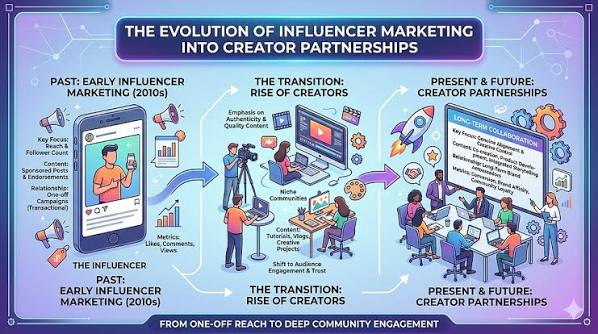
Once a creator has demonstrated product interest and campaign compatibility, the brand can introduce a more structured partnership.
A long-term ambassador program should provide clear expectations while leaving room for creative independence.
Define the Partnership Duration
Possible arrangements include:
- Three-month trial partnerships
- Six-month ambassador agreements
- Twelve-month brand ambassador programs
- Ongoing collaborations with periodic reviews
A three-month trial can help both parties determine whether the relationship works.
A longer agreement may be appropriate once the creator has established a consistent connection with the brand.
Set Clear Deliverables
The agreement should explain what the creator is expected to provide.
For example, a six-month partnership might include:
- Two short-form videos per month
- Two story integrations per month
- One product tutorial every quarter
- Participation in selected product launches
- One monthly feedback session
These are illustrative deliverables, not universal requirements.
The actual schedule should reflect the creator’s content format, audience expectations, compensation, and available production time.
Provide Creative Freedom
A common problem with influencer campaigns is excessive scripting.
If every creator receives the same script, the resulting content can feel repetitive and artificial.
Instead, provide a clear creative framework.
Explain:
- The product’s main benefits
- Important facts that must be accurate
- The intended audience
- Required disclosures
- Campaign deadlines
- Brand safety requirements
Then allow the creator to communicate in their own voice.
A long-term ambassador should not sound like a corporate spokesperson reading a product brochure.
Create a Shared Content Calendar
A content calendar helps both parties plan ahead.
It can include:
- Seasonal campaigns
- Product launches
- Promotional periods
- Educational content
- Lifestyle storytelling
- Customer questions
- Community activities
The calendar should remain flexible enough to accommodate relevant trends and timely opportunities.
Schedule Regular Reviews
At the end of each campaign period, discuss:
- Content performance
- Audience feedback
- Product questions
- Sales results
- Collaboration challenges
- Future opportunities
These conversations help prevent small problems from becoming major frustrations.
7. Create a Compensation Model That Rewards Long-Term Value
Compensation is one of the most important parts of a sustainable influencer partnership.
A long-term ambassador relationship should be financially fair, clearly structured, and appropriate for the creator’s contribution.
There is no single payment model that works for every business.
Flat-Fee Compensation
A flat fee provides predictable payment for agreed deliverables.
It is suitable when the brand wants to secure a defined amount of content or a recurring collaboration.
Benefits include:
- Clear budgeting
- Predictable creator income
- Easier campaign planning
- Less dependence on immediate sales results
A flat fee can be particularly useful when the primary objective is awareness, storytelling, or content production.
Affiliate Commission
Affiliate partnerships reward creators for sales generated through tracked links or unique discount codes.
Benefits include:
- Performance-based compensation
- Easier sales attribution
- Additional motivation to recommend products
- Potential for recurring earnings
However, affiliate commission should not always replace a base payment.
Creators invest time in content production, audience relationships, and brand communication. A fair partnership recognizes those contributions even when sales fluctuate.
Hybrid Compensation
A hybrid structure combines a fixed payment with performance-based rewards.
For example, an agreement may include:
- A monthly base fee
- Commission on qualified sales
- Bonuses for agreed performance milestones
- Additional compensation for special campaigns
This model can balance predictable creator income with incentives for business growth.
Tiered Rewards
Brands may also introduce additional rewards as a creator’s contribution increases.
For example:
- Higher commission after reaching a sales milestone
- Bonuses for successful product launches
- Additional fees for approved content licensing
- Exclusive products
- Invitations to brand events
The structure should be transparent and documented in advance.
Avoid Unclear Payment Terms
Every agreement should specify:
- Payment amount
- Payment schedule
- Commission calculation
- Attribution rules
- Refund and cancellation treatment
- Tax documentation responsibilities
- Content deliverables
- Additional usage fees
Clear compensation terms protect both sides and help create trust.
8. Make Influencers Feel Like Part of the Brand
The difference between a recurring paid partnership and a genuine brand ambassador relationship often comes down to involvement.
If creators only receive product samples and campaign instructions, they may feel like external advertising suppliers.
If they are invited to participate in the brand’s development, they may develop a deeper connection.
Share the Brand Story
Explain why the company exists.
Share:
- The problem the business wants to solve
- The inspiration behind its products
- The people involved
- The brand’s values
- Its long-term goals
- The customers it hopes to serve
Creators need more than a list of product features. They need to understand what the brand represents.
Introduce the People Behind the Business
When appropriate, invite ambassadors to meet the product, design, customer service, and marketing teams.
Even a short online meeting can make the business feel more personal.
Creators may become more engaged when they know who is working behind the scenes.
Share Product Development Updates
Let trusted ambassadors know when new products are being developed.
They may provide useful feedback about colors, packaging, features, sizing, or customer needs.
For example, a clothing brand might ask selected creators to review several fabric options before finalizing a collection.
A home decor brand might invite creators to test a new product in different room layouts.
This type of involvement creates a sense of ownership without requiring the creator to become an employee or business decision-maker.
Recognize Their Contributions
Public recognition can strengthen the relationship.
Consider:
- Featuring ambassadors on the brand website
- Introducing them in newsletters
- Sharing their content
- Highlighting successful collaborations
- Inviting them to special events
- Celebrating partnership milestones
Recognition should be genuine rather than automatic.
Creators appreciate knowing that their work is noticed.
9. Develop Exclusive Benefits for Long-Term Brand Ambassadors
An ambassador program should offer more than repeated promotional assignments.
Exclusive benefits can make creators feel appreciated and give them additional reasons to remain involved.
Early Access to New Products
Allow ambassadors to experience new products before public release.
This gives them time to understand the product and creates opportunities for authentic launch content.
Exclusive Product Bundles
Create bundles that are available only through ambassador campaigns.
These might include:
- Limited-edition color combinations
- Seasonal product collections
- Personalized product sets
- Special packaging
- Ambassador-selected bundles
Exclusive offers can make the partnership more distinctive.
Personalized Discount Codes
A unique discount code helps followers access a special offer while making sales attribution easier.
The code can also strengthen the creator’s identity within the brand’s community.
For example, a creator might have a dedicated landing page featuring products they personally recommend.
Higher Commission for Established Partners
Creators who consistently contribute to the brand may receive improved commission terms.
This rewards loyalty and recognizes their growing value.
Invitations to Brand Experiences
Depending on the business, ambassadors could be invited to:
- Product preview sessions
- Virtual workshops
- Brand community events
- Behind-the-scenes tours
- Industry gatherings
- Customer appreciation events
These experiences help build personal connections.
Direct Access to Brand Support
A dedicated contact person can make the collaboration easier.
Creators should know whom to contact when they have product questions, campaign concerns, or urgent customer inquiries.
Fast and reliable communication is one of the simplest ways to improve the ambassador experience.
10. Encourage Authentic Content Instead of Repetitive Advertisements
One of the biggest risks of long-term influencer marketing is content fatigue.
If an ambassador publishes the same promotional message every month, followers may gradually stop paying attention.
The solution is to diversify content formats and focus on genuine product experiences.
Product Demonstrations
Show how the product works in real situations.
Demonstrations are especially useful for products that require explanation.
For example:
- A kitchen creator demonstrates how an appliance simplifies meal preparation.
- A home decor creator shows how a window covering changes the lighting in a room.
- A fitness creator explains how equipment fits into a workout routine.
- A beauty creator demonstrates the application and texture of a skincare product.
Practical demonstrations can answer customer questions more effectively than generic promotional language.
Personal Stories
Creators can explain why they chose a product, how they use it, and what problem it helps solve.
Personal stories make content more relatable.
However, creators should only share experiences that are true.
Brands should never require creators to invent personal results or make unsupported product claims.
Educational Content
Educational content provides value even when viewers are not ready to purchase.
Possible topics include:
- Product selection guides
- Maintenance advice
- Common purchasing mistakes
- Product comparisons
- Tutorials
- Expert tips
- Frequently asked questions
This type of content can remain useful long after the original post is published.
Behind-the-Scenes Content
Audiences often enjoy seeing how products are developed, packaged, tested, and delivered.
Ambassadors can help introduce these processes.
For example, a small ecommerce brand might invite a creator to show how a new collection is prepared for launch.
This helps humanize the business.
Seasonal and Lifestyle Content
Seasonal campaigns provide natural opportunities to feature products in different situations.
A home goods brand might work with creators on spring cleaning, summer organization, fall decorating, and winter comfort.
A fashion brand could create content around travel, holiday gatherings, and seasonal wardrobe planning.
The product remains relevant without repeating the same sales message.
11. Turn Ambassador Content into a Long-Term Brand Asset
Influencer content should not disappear after a campaign ends.
With appropriate permission and licensing, high-quality creator content can support other marketing activities.
Reuse Content on Product Pages
A product page can include creator demonstrations, real-life product photographs, or customer testimonials.
This gives potential customers additional context about how the product looks and works outside a studio environment.
Always obtain the necessary rights and permissions before using creator content commercially.
Use Creator Content in Email Marketing
An ambassador’s tutorial or product story may be useful in an email campaign.
For example, a brand could send an educational email featuring a creator explaining how to select the right product size.
This helps connect social content with the customer journey.
Feature Content on the Brand Website
A dedicated ambassador page can introduce creators and showcase their work.
Possible sections include:
- Creator biographies
- Recommended products
- Tutorials
- Product reviews
- Exclusive discount codes
- Campaign highlights
This creates a permanent destination for customers who discover the brand through influencer content.
Use Approved Content in Paid Advertising
Creator-generated content may also be suitable for paid social advertising.
Authentic demonstrations and personal explanations can provide a different experience from traditional studio advertisements.
However, the brand must secure the appropriate advertising and usage permissions.
A creator’s agreement to publish a post does not automatically grant the brand unlimited rights to use that content in advertisements.
Build a Content Library
Organize approved content by:
- Creator
- Product
- Campaign
- Content format
- Usage rights
- Expiration date
- Platform
- Performance
A structured library makes it easier to find useful assets and avoid accidental use beyond the agreed licensing period.
12. Build a Community Around Your Brand Ambassadors
Long-term influencer partnerships become more valuable when creators and customers feel connected to a shared community.
A community gives people reasons to interact with the brand beyond individual promotions.
Create a Private Ambassador Group
A private online group can help ambassadors communicate with one another and receive updates.
It may include:
- Product announcements
- Campaign opportunities
- Educational resources
- Feedback discussions
- Content inspiration
- Brand news
The group should provide real value rather than becoming another channel for constant promotional requests.
Encourage Collaboration Between Creators
Creators who serve similar audiences may benefit from working together.
For example:
- A home decor creator collaborates with a DIY creator.
- A fitness creator works with a healthy cooking creator.
- A fashion creator partners with a travel creator.
- A beauty creator collaborates with a lifestyle creator.
Cross-creator projects can introduce the brand to new audience segments while creating more interesting content.
Invite Customers to Participate
The community should not be limited to paid ambassadors.
Encourage customers to share:
- Product photographs
- Tutorials
- Personal experiences
- Creative uses
- Reviews
- Questions
With appropriate permission, the brand can feature selected customer content alongside ambassador posts.
This helps create a more inclusive brand identity.
Create Community Challenges
A challenge can encourage participation without requiring every interaction to be a sales message.
Examples include:
- A 30-day organization challenge
- A seasonal home refresh
- A daily fitness habit challenge
- A sustainable lifestyle challenge
- A creative styling challenge
Ambassadors can introduce the activity, share their progress, and encourage followers to participate.
13. Measure Long-Term Influencer Partnership Performance
A long-term ambassador program needs a measurement system that goes beyond likes and immediate sales.
The objective is to understand whether the relationship creates sustainable business value.
Track Awareness
Useful indicators include:
- Reach
- Impressions
- Video views
- Brand mentions
- Audience growth
- Branded search activity
- Direct website traffic
These metrics help evaluate whether the partnership is increasing brand visibility.
Measure Engagement Quality
Do not focus only on the number of likes.
Look at:
- Meaningful comments
- Saves
- Shares
- Story replies
- Questions about products
- Audience discussions
- Sentiment
A smaller number of detailed questions may be more valuable than a large number of low-intent reactions.
Track Sales and Conversions
Use a combination of:
- Unique discount codes
- Affiliate links
- UTM parameters
- Campaign landing pages
- Ecommerce analytics
- Customer surveys
Each method has limitations.
For example, discount codes may miss customers who later purchase without using the code. Affiliate links may fail to capture purchases made on another device.
Use multiple sources of evidence where possible.
Measure Customer Quality
Not all sales have the same long-term value.
Consider:
- Repeat purchase rate
- Average order value
- Customer lifetime value
- Refund rate
- Subscription retention
- Product return behavior
A creator who attracts customers with strong repeat-purchase behavior may be more valuable than one who generates a larger number of one-time transactions.
Evaluate Ambassador Retention
The program itself should also be measured.
Useful indicators include:
- Number of active ambassadors
- Partnership renewal rate
- Average partnership duration
- Content delivery consistency
- Ambassador satisfaction
- Participation in product launches
If creators regularly leave the program, investigate why.
The problem may involve compensation, communication, workload, product quality, or insufficient creative freedom.
Use a Balanced Measurement Framework
A practical scorecard could look like this:
| Performance Area | Example Metrics | What It Reveals |
|---|---|---|
| Awareness | Reach, impressions, views | How many people discover the brand |
| Engagement | Saves, shares, comments | How audiences respond |
| Traffic | Clicks, landing page visits | Whether content generates interest |
| Sales | Orders, revenue, conversion rate | Direct commercial contribution |
| Retention | Repeat purchases, customer lifetime value | Long-term customer quality |
| Partnership | Renewal rate, satisfaction | Strength of the ambassador relationship |
Review performance over different time periods.
Monthly reporting can help manage campaigns, while quarterly reviews are useful for evaluating the overall partnership.
14. Use Customer Feedback to Improve the Ambassador Program
A strong ambassador program should not be built entirely around internal assumptions.
Creators and customers can reveal what is working and what needs improvement.
Collect Feedback from Ambassadors
Ask creators about:
- Product quality
- Packaging
- Customer questions
- Content requirements
- Payment processes
- Communication
- Campaign timing
- Creative freedom
Make it clear that honest feedback will not automatically affect future partnership opportunities.
Study Audience Questions
Comments and direct messages often reveal what potential customers want to know.
Common questions might include:
- How does the product work?
- Is it suitable for beginners?
- What size should I choose?
- How long does delivery take?
- How should it be maintained?
- What makes it different from alternatives?
Use these questions to create more useful educational content.
Involve Ambassadors in Product Improvements
If multiple creators report the same problem, investigate it.
For example, several ambassadors might mention that product instructions are difficult to understand.
Improving the instructions could reduce customer service inquiries, product returns, and negative reviews.
Creators can therefore contribute to more than marketing. They can help the business understand the customer experience.
15. Common Mistakes That Prevent Long-Term Influencer Relationships
Even brands with good products can struggle to maintain ambassador partnerships.
Understanding common mistakes can help prevent unnecessary relationship problems.
Mistake 1: Choosing Creators Only for Their Follower Count
Large audiences do not guarantee relevant customers or strong engagement.
Prioritize audience compatibility and content quality.
Mistake 2: Treating Every Collaboration as a Sales Transaction
If every conversation begins with a request for another promotional post, the relationship may feel purely commercial.
Make time for feedback, product updates, and genuine communication.
Mistake 3: Over-Controlling Creative Content
Excessive scripting can make creators sound unnatural.
Provide clear information and essential requirements, but allow them to communicate in their own style.
Mistake 4: Offering Unclear Compensation
Unclear commission terms and delayed payments can quickly damage trust.
Document all payment arrangements and meet agreed deadlines.
Mistake 5: Expecting Immediate Results
Brand awareness and customer trust develop over time.
Do not cancel a promising partnership solely because the first post does not generate a large number of orders.
Evaluate performance across multiple campaigns and customer touchpoints.
Mistake 6: Ignoring Creator Feedback
Creators often interact directly with potential customers.
Ignoring their observations means losing useful market information.
Mistake 7: Failing to Recognize Good Work
If ambassadors consistently contribute but receive no recognition, they may become less motivated.
Acknowledge their work and reward meaningful contributions.
Mistake 8: Making Exclusivity Requirements Too Broad
Some brands require ambassadors to avoid working with entire product categories.
Broad restrictions can limit a creator’s income and professional opportunities.
If exclusivity is necessary, define the competing products, platforms, duration, geographic scope, and additional compensation clearly.
Mistake 9: Using Content Without Permission
A brand should not assume that paying for a sponsored post grants unlimited rights to reuse it.
Content licensing, paid advertising permissions, editing rights, and usage periods should be addressed in writing.
Mistake 10: Forgetting That Influencers Have Their Own Businesses
Creators manage their own schedules, audiences, and commercial commitments.
A sustainable partnership respects their independence.
16. Legal and Ethical Considerations for Long-Term Ambassador Programs
Trust is essential to influencer marketing, and transparent business practices help protect both brands and creators.
Disclose Material Relationships
In the United States, the Federal Trade Commission requires clear disclosure of material connections between endorsers and brands when those connections could affect how audiences evaluate an endorsement.
A material connection may include:
- Payment
- Free products
- Discounts
- Affiliate commissions
- Other valuable benefits
Disclosures should be clear, noticeable, and appropriate for the platform and content format.
Do not assume that a platform’s built-in disclosure tool is always sufficient in every situation.
Keep Product Claims Accurate
Creators should not make claims that the brand cannot substantiate.
This is particularly important for products involving:
- Health
- Nutrition
- Beauty
- Financial benefits
- Performance claims
- Safety
Provide accurate product information and explain which claims are supported.
Establish Content Approval Boundaries
A brand may need to review certain factual claims, product information, or legal disclosures.
However, approval processes should not eliminate the creator’s authentic voice.
Define which elements require approval and how quickly feedback will be provided.
Put Important Terms in Writing
Long-term agreements should address:
- Compensation
- Deliverables
- Content ownership
- Usage rights
- Advertising permissions
- Exclusivity
- Disclosure obligations
- Confidentiality
- Termination
- Dispute resolution
For complex or high-value agreements, consult qualified legal counsel.
17. A 90-Day Plan for Turning Influencers into Brand Ambassadors
Brands do not need to launch a large ambassador program immediately.
A focused 90-day pilot can help test the process and identify promising long-term partners.
Days 1–15: Identify and Evaluate Creators
Start by building a shortlist of creators whose content and audiences align with the brand.
Review:
- Audience relevance
- Engagement quality
- Content consistency
- Previous partnerships
- Product category experience
- Communication style
Choose a manageable number of creators rather than contacting hundreds at once.
Days 16–30: Establish Relationships and Send Products
Contact selected creators with personalized messages.
Explain the brand, product, and potential collaboration.
Where appropriate, arrange product seeding or an initial paid trial.
Provide useful product information and allow creators time to experience the products.
Days 31–45: Launch Initial Collaborations
Agree on a small number of deliverables.
Give creators creative freedom while ensuring that product information and disclosures are accurate.
Monitor audience reactions and collect feedback.
Days 46–60: Review Performance and Relationship Quality
Evaluate:
- Content quality
- Audience engagement
- Product interest
- Traffic
- Sales
- Communication
- Creator satisfaction
Do not judge the relationship only by immediate sales.
Identify creators who demonstrate genuine interest and professional reliability.
Days 61–75: Offer Ambassador Agreements
Invite the strongest partners to discuss a longer collaboration.
Present clear compensation, deliverables, and benefits.
Ask creators what would make the partnership valuable to them.
Days 76–90: Build a Repeatable Program
Create a simple ambassador system that includes:
- Partnership agreements
- Content calendars
- Payment processes
- Unique tracking links
- Product access
- Feedback channels
- Performance reports
At the end of the pilot, review what worked and determine how to expand.
18. How Different Ecommerce Businesses Can Apply This Strategy
Long-term influencer partnerships are not limited to fashion or beauty brands.
Different product categories can use creator relationships in different ways.
Fashion and Apparel Brands
Fashion creators can demonstrate how products fit into everyday wardrobes.
Long-term partnerships allow them to show seasonal styling, outfit combinations, fabric details, and practical care tips.
A creator who consistently wears a brand’s clothing can build stronger recognition than someone who mentions it once.
Beauty and Skincare Brands
Beauty creators can demonstrate product application, explain routines, and discuss texture or packaging.
Long-term partnerships are especially useful when customers need time to understand how products fit into their routines.
All claims should remain accurate and appropriately supported.
Home Decor and Furniture Brands
Home decor creators can show how products look in real homes.
They can create room transformations, seasonal styling guides, storage tutorials, and practical product demonstrations.
Because home products are often connected to long purchasing cycles, repeated exposure can help customers make more confident decisions.
Fitness and Outdoor Brands
Fitness creators can integrate products into regular training or outdoor activities.
Their content may include tutorials, product demonstrations, progress updates, and equipment comparisons.
A consistent relationship helps audiences understand how products perform in real-world situations.
Dropshipping and Independent Ecommerce Stores
For smaller ecommerce businesses, long-term influencer relationships can help build credibility and distinguish the brand from stores that rely heavily on generic product advertisements.
Creators can demonstrate product quality, explain practical benefits, share customer experiences, and help the business collect feedback.
However, product reliability, delivery times, customer support, and return policies must support the promises made in marketing content.
Influencer partnerships cannot compensate for a poor customer experience.
19. The Future of Influencer Marketing: From Paid Exposure to Shared Brand Growth
Influencer marketing is evolving beyond simple sponsored posts.
As consumers become more familiar with commercial content, brands need stronger reasons for people to trust their recommendations.
Long-term relationships offer one possible answer.
More Emphasis on Creator-Brand Compatibility
Brands may increasingly prioritize creators who genuinely fit their products rather than selecting partners based only on reach.
A smaller but highly relevant creator may provide stronger long-term value than a large account with limited audience compatibility.
More Creator Participation in Product Development
Creators understand their audiences and often recognize unmet needs.
Brands can use these insights to improve products, develop new collections, and refine customer communication.
This makes creators valuable contributors to business development.
More Community-Based Partnerships
Rather than focusing exclusively on individual promotional posts, brands can build communities around shared interests.
Ambassadors can help organize discussions, challenges, tutorials, and customer activities.
This creates opportunities for ongoing engagement.
More Attention to Content Ownership and Licensing
As creator content becomes an important marketing asset, agreements will need to be more precise about usage rights, paid advertising, editing, and content duration.
Both brands and creators benefit from clear expectations.
More Focus on Long-Term Customer Value
A successful ambassador relationship should not be evaluated only by the number of purchases generated during a single campaign.
Brands should also consider whether creators attract customers who return, recommend products, and develop a lasting connection with the business.
20. Final Checklist: Is Your Influencer Ready to Become a Long-Term Brand Ambassador?
Before offering a long-term agreement, review the following questions.
- Does the creator’s audience match the brand’s target customers?
- Does their content align with the brand’s positioning?
- Have they demonstrated genuine interest in the product?
- Do they communicate naturally with their audience?
- Are they reliable and professional?
- Have previous collaborations produced useful results?
- Do they provide constructive product feedback?
- Are compensation expectations realistic?
- Can both parties agree on creative freedom and deliverables?
- Are content rights and disclosure requirements clearly defined?
- Does the creator want to build a longer relationship?
If most answers are positive, the creator may be a strong candidate for a long-term partnership.
Remember that a successful ambassador program is not about signing as many influencers as possible. It is about developing a smaller group of meaningful relationships that can grow over time.
Conclusion: Build Relationships, Not Just Campaigns
One-time influencer promotions can introduce a brand to new audiences, but their impact is often limited when there is no follow-up relationship.
Long-term influencer partnerships offer a more sustainable approach.
By selecting creators based on genuine compatibility, allowing them to experience products, offering fair compensation, providing creative freedom, and involving them in the brand’s development, businesses can build relationships that extend far beyond a single sponsored post.
The strongest brand ambassadors are not simply people who publish advertisements on a schedule. They understand the products, believe in the value they offer, communicate honestly with their audiences, and feel appreciated by the business they represent.
For ecommerce brands and independent online stores, this approach can support more than brand awareness. It can contribute to customer acquisition, repeat purchases, valuable content creation, product improvement, and community growth.
The transition from influencer to brand ambassador does not happen overnight. It develops through consistent communication, positive experiences, mutual respect, and shared goals.
Instead of asking how many influencers your brand can hire for the next campaign, consider a more valuable question:
Which creators could grow with your brand for the next several years?
Finding those people—and giving them a genuine reason to stay—can turn influencer marketing from a series of short-term promotions into a lasting source of brand loyalty and business growth.