En
En
 27 min read
Social media can bring thousands—or even millions—of visitors to an online store. But traffic alone does not guarantee revenue.
A post can receive 100,000 views and generate almost no sales. A short video can attract thousands of likes while producing little measurable business value. On the other hand, a smaller account with a highly targeted audience can generate consistent sales, repeat purchases, referrals, and long-term customer relationships.
The difference is not simply how much traffic a brand receives. It is whether the brand has built a complete system that turns attention into customers and customers into repeat buyers.
For independent e-commerce websites, the most effective approach is to think beyond individual social media campaigns. Instead, build a continuous “attract → convert → retain” growth loop.
Social media attracts attention and creates demand. The independent website turns that attention into purchases. Email, SMS, remarketing, loyalty programs, product experiences, and community engagement encourage customers to return. Those returning customers can then generate reviews, referrals, user-generated content, and new social exposure.
This creates a cycle in which one customer can contribute value multiple times rather than making a single purchase and disappearing.
In this guide, we will break down how social media traffic can be monetized, how to move followers from social platforms to an independent website, how to improve conversion rates, how to increase repeat purchases, and how to build a sustainable social commerce system.
1. Why Social Media Traffic Does Not Automatically Become Revenue
One of the biggest mistakes independent e-commerce brands make is treating traffic as the final goal.
Traffic is only the beginning.
Imagine that a brand publishes a viral video that receives 500,000 views. That sounds impressive. But suppose only 2,000 people visit the website, 100 add products to their carts, and 20 complete purchases.
The video was successful from an exposure perspective but weak from a revenue perspective.
Now imagine another campaign that generates only 50,000 views but sends 3,000 highly interested shoppers to the website, produces 300 purchases, and brings back many of those customers for additional orders.
Which campaign is more valuable?
Clearly, the second campaign.
This is why brands need to evaluate the entire customer journey rather than focusing on vanity metrics.
Important business metrics include:
- Social reach
- Engagement rate
- Click-through rate
- Website sessions
- Product-page views
- Add-to-cart rate
- Checkout initiation
- Conversion rate
- Average order value
- Customer acquisition cost
- Repeat purchase rate
- Customer lifetime value
- Referral rate
- Revenue per visitor
Social media is valuable because it can create attention at scale. The challenge is converting that attention into measurable commercial outcomes.
2. The “Attract–Convert–Retain” Growth Loop
A strong social media marketing system can be divided into three major stages:
Stage 1: Attract
Get the right people to discover your brand.
Stage 2: Convert
Move interested users from social platforms to your website and turn them into customers.
Stage 3: Retain
Give customers reasons to purchase again, recommend your brand, and remain connected.
These three stages should not operate independently.
A customer who purchases should become a source of future revenue and potentially future traffic.
That means the real growth loop looks like this:
Social content → social engagement → website visit → product discovery → purchase → customer relationship → repeat purchase → review/UGC/referral → new social exposure → new customers
The goal is to make the loop stronger over time.
3. Stage One: Attract the Right Social Media Traffic
The first step is not simply getting more followers.
It is attracting the right audience.
A million followers who have no interest in your products may be less valuable than 10,000 followers who actively need what you sell.
Before creating content, define your target customer.
Consider:
- Age range
- Lifestyle
- Location
- Purchasing habits
- Interests
- Pain points
- Product preferences
- Spending ability
- Common objections
- Social platforms they use
- Content formats they prefer
For example, a brand selling premium outdoor furniture should not create content for “everyone interested in furniture.”
A more useful audience might be homeowners interested in outdoor entertaining, patio design, backyard upgrades, low-maintenance landscaping, and seasonal home improvement.
Specific audiences make content more relevant.
4. Create Content Around Customer Problems
Product-centered content has an important role, but brands should avoid making every post a sales pitch.
People open social media to discover ideas, entertainment, inspiration, education, and community—not simply advertisements.
A stronger content strategy connects products with problems and desired outcomes.
Instead of saying:
“Buy our patio furniture.”
A brand could publish:
“5 Ways to Make a Small Patio Feel Like an Outdoor Living Room.”
The product becomes part of the solution.
Other examples include:
- How to choose the right outdoor furniture for a small balcony
- How to create a comfortable backyard entertaining area
- Common mistakes when buying outdoor storage
- How to protect patio furniture from weather
- How to style a small outdoor space
- What materials work best for humid climates
- How to create a low-maintenance backyard
This type of content attracts people before they are necessarily ready to buy.
That is important because many customers discover a problem before they start searching for a specific brand.
5. Use Short-Form Video to Capture Attention
Short-form video has become one of the most effective formats for social discovery.
Platforms such as Instagram, TikTok, YouTube Shorts, Facebook, and other video-driven channels allow brands to reach users who do not already follow them.
The first few seconds matter.
A strong video should quickly answer:
Why should I keep watching?
Effective hooks can include:
- “Stop making this mistake when buying…”
- “Here’s why your patio still feels unfinished.”
- “Three things I wish I knew before buying…”
- “Before you order this online, check these measurements.”
- “This simple change can completely transform your backyard.”
- “If your outdoor furniture keeps getting damaged, watch this.”
The objective is not to make every video go viral.
The objective is to create content that attracts the people most likely to become customers.
6. Educational Content Builds Purchase Intent
Educational content is particularly valuable for products that require research.
If a customer needs to compare materials, sizes, features, installation methods, or maintenance requirements, helpful content can position your brand as a trusted source.
For example, an outdoor product company might create content explaining:
- Aluminum vs. steel
- Teak vs. composite materials
- Waterproof vs. water-resistant products
- Different types of outdoor fabrics
- How to measure a patio
- How to choose the right furniture dimensions
- How to maintain outdoor products
When customers eventually need to purchase, they may remember the brand that helped them understand the category.
Education therefore supports both discovery and conversion.
7. User-Generated Content Turns Customers Into Marketers
One of the most powerful forms of social proof is content created by real customers.
User-generated content can include:
- Product photos
- Unboxing videos
- Before-and-after transformations
- Product demonstrations
- Reviews
- Tutorials
- Styling ideas
- Customer testimonials
UGC works because potential buyers can see how products perform in real environments.
A polished brand advertisement says:
“Our product is excellent.”
A real customer showing the product in their home communicates something different:
“This is how someone like me actually uses it.”
Brands can encourage UGC by:
- Creating branded hashtags
- Featuring customer posts
- Offering loyalty rewards
- Running photo contests
- Asking customers to share transformations
- Requesting reviews after delivery
- Reposting customer content with permission
The result can become a continuous source of authentic marketing material.
8. Influencer Partnerships: From Exposure to Revenue
Influencer marketing can generate significant traffic, but brands need to choose creators based on audience relevance rather than follower count alone.
A creator with 30,000 highly engaged followers in a specific niche may outperform a celebrity with millions of followers.
When evaluating influencers, consider:
- Audience demographics
- Engagement quality
- Content style
- Brand compatibility
- Previous sponsored campaigns
- Comment quality
- Click performance
- Conversion history
- Audience trust
Instead of simply paying for exposure, structure influencer partnerships around measurable outcomes.
Possible approaches include:
- Personalized discount codes
- Affiliate links
- Dedicated landing pages
- Product bundles
- Limited-time offers
- Creator-specific collections
- Commission-based partnerships
This turns influencer marketing from an awareness activity into a measurable sales channel.
9. The Bridge From Social Media to Your Website
Getting someone to click your profile link is not enough.
The transition from social media to the independent website should feel natural.
If someone watches a video about “how to choose the right outdoor chair,” clicking the link should ideally lead to relevant products or helpful information—not simply the homepage.
This is where landing pages become important.
A dedicated landing page can include:
- A clear headline
- The product or collection featured in the social content
- Key benefits
- Product photos
- Social proof
- Reviews
- Frequently asked questions
- Shipping information
- Returns information
- A strong call to action
The closer the landing page matches the content that brought the visitor there, the less friction the customer experiences.
10. Make the Independent Website Ready to Convert
Social media can create demand, but the website closes the sale.
Before investing heavily in traffic generation, make sure the website is prepared.
A strong product page should answer the customer’s most important questions.
Include:
Clear product images
Show the product from multiple angles.
Detailed product information
Explain materials, dimensions, features, and practical benefits.
Real-world usage
Show how the product looks in an actual environment.
Pricing transparency
Avoid making customers search for the price.
Shipping information
Clearly explain delivery expectations and costs.
Return information
Reduce purchase anxiety by making policies easy to understand.
Customer reviews
Provide authentic social proof.
Frequently asked questions
Address common objections before they prevent a purchase.
Clear calls to action
Make the next step obvious.
The objective is to remove uncertainty.
11. Build Trust Before Asking for the Purchase
People are cautious when buying from unfamiliar independent websites.
A visitor may ask:
- Is this company legitimate?
- Will my order arrive?
- Is the product really as described?
- Can I return it?
- Is customer service responsive?
- Are the reviews genuine?
- How long will shipping take?
Trust-building elements can significantly reduce these concerns.
Useful elements include:
- Customer reviews
- Product demonstrations
- Real customer photos
- Clear contact information
- Detailed policies
- Secure payment options
- Business information
- Frequently asked questions
- Warranty information when applicable
- Media mentions or credible third-party recognition
The more expensive or complex the product, the more important trust becomes.
12. Convert First-Time Visitors With Offers
Not every social media visitor is ready to purchase immediately.
Some are discovering your brand for the first time.
A first-order incentive can help reduce hesitation.
Examples include:
- Welcome discount
- Free shipping threshold
- Limited-time bundle
- Free accessory
- First-order promotion
- New-customer gift
- Exclusive social-media offer
However, discounts should not become the only reason people buy.
If customers learn that your brand always offers discounts, they may delay purchases until the next promotion.
Use incentives strategically rather than permanently.
13. Capture Visitors Who Are Not Ready to Buy
A large percentage of visitors will leave without purchasing.
That does not necessarily mean the marketing failed.
They may simply need more time.
This is why brands should create ways to maintain contact.
Possible methods include:
- Email subscriptions
- SMS subscriptions
- Product alerts
- Back-in-stock notifications
- Wish lists
- Educational newsletters
- Loyalty programs
- Account registration
The objective is to turn anonymous website visitors into identifiable prospects.
Once the relationship moves beyond a single website visit, the brand has more opportunities to educate and convert the customer.
14. Retargeting: Bringing Interested Shoppers Back
Retargeting can reconnect with people who previously interacted with your brand.
For example, a visitor may:
- Watch a product video.
- Visit the website.
- View a product.
- Leave without purchasing.
Instead of losing that person completely, the brand can use appropriate advertising and owned-channel follow-up to remind them about the product.
Retargeting messages can focus on:
- Product benefits
- Reviews
- Frequently asked questions
- New offers
- Related products
- Limited availability
- Educational content
The key is relevance.
Showing the exact same advertisement repeatedly can create fatigue.
15. The First Purchase Is Not the End
One of the most expensive mistakes in e-commerce is treating a completed order as the final objective.
The first purchase should be viewed as the beginning of the customer relationship.
After someone buys, the brand can provide:
- Order confirmation
- Shipping updates
- Product-use guidance
- Care instructions
- Installation information
- Helpful tips
- Review requests
- Complementary product recommendations
This post-purchase experience can influence whether customers return.
16. Turn Customer Service Into a Retention Tool
Customer service is not merely a cost center.
It can influence repeat purchases and brand loyalty.
Fast, helpful responses can reduce frustration and increase trust.
Brands should pay attention to recurring questions.
If hundreds of customers ask:
“Will this fit my balcony?”
that question should probably appear directly on the product page.
If customers frequently ask:
“How do I clean this material?”
create a care guide or video.
Customer service conversations can therefore become a source of marketing intelligence.
17. Increase Repeat Purchases With Product Ecosystems
Repeat purchases become easier when products naturally relate to one another.
Instead of selling isolated products, build a product ecosystem.
For example:
A customer purchases outdoor seating.
The brand can later recommend:
- Cushions
- Covers
- Side tables
- Outdoor lighting
- Storage solutions
- Decorative accessories
- Replacement components
The recommendations should be genuinely useful.
Cross-selling works best when it improves the original purchase rather than simply increasing the order value.
18. Use Bundles to Increase Average Order Value
Product bundles can encourage customers to purchase multiple complementary items at once.
Examples include:
Patio Starter Set
- Chairs
- Table
- Outdoor cushions
Backyard Entertaining Bundle
- Dining set
- Serving cart
- Outdoor lighting
Outdoor Protection Package
- Furniture cover
- Cleaning products
- Storage accessories
Bundles can simplify decision-making while increasing the value of each transaction.
19. Build a Post-Purchase Content Journey
After the customer receives the product, continue providing useful content.
For example:
Day 1
Order confirmation.
Delivery
Shipping and delivery updates.
After delivery
Setup or installation guide.
One week later
Usage tips.
Several weeks later
Care and maintenance advice.
Later
Complementary product recommendations.
After sufficient product experience
Review or UGC request.
This turns transactional communication into a customer experience.
20. Encourage Reviews at the Right Moment
Timing matters when requesting reviews.
Asking immediately after delivery may be too early.
Instead, give customers enough time to use the product.
Then ask for feedback.
Make the process easy.
A review request could ask:
- How do you like the product?
- Was installation easy?
- How does it look in your space?
- What do you like most?
- Would you recommend it?
Photo and video reviews can be particularly valuable because they create visual proof for future customers.
21. Loyalty Programs Can Extend Customer Lifetime Value
A loyalty program can provide customers with reasons to return.
Possible rewards include:
- Points for purchases
- Referral bonuses
- Birthday rewards
- Exclusive products
- Early access
- Member-only promotions
- Rewards for reviews
- Rewards for UGC
The program should be easy to understand.
If customers cannot quickly understand how to earn and use rewards, participation may remain low.
22. Referral Marketing Creates a New Traffic Source
A satisfied customer can become an acquisition channel.
Referral programs can reward customers for introducing friends and family.
For example:
Give $20, Get $20
The exact incentive depends on the product category and margins.
Referral marketing works particularly well when products are visually appealing or naturally discussed among friends.
Home improvement, fashion, beauty, outdoor living, gifts, hobbies, and lifestyle products can all benefit from word-of-mouth sharing.
23. Connect Social Content With Customer Retention
The strongest brands do not separate social media from retention.
Instead, existing customers can continue seeing useful content after purchase.
For example:
A customer buys an outdoor dining set.
The brand can later publish:
- Table styling ideas
- Outdoor dinner recipes
- Seasonal maintenance tips
- Backyard decorating inspiration
- Lighting ideas
- Entertaining guides
The customer may not need another dining set.
But they may eventually need another product from the brand.
Social media keeps the brand relevant between purchases.
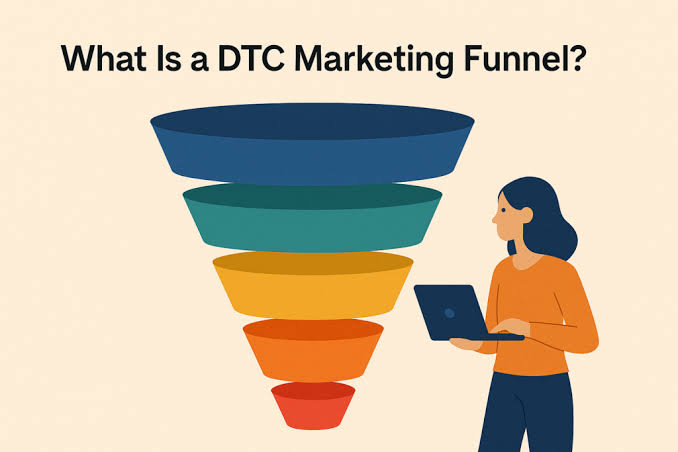
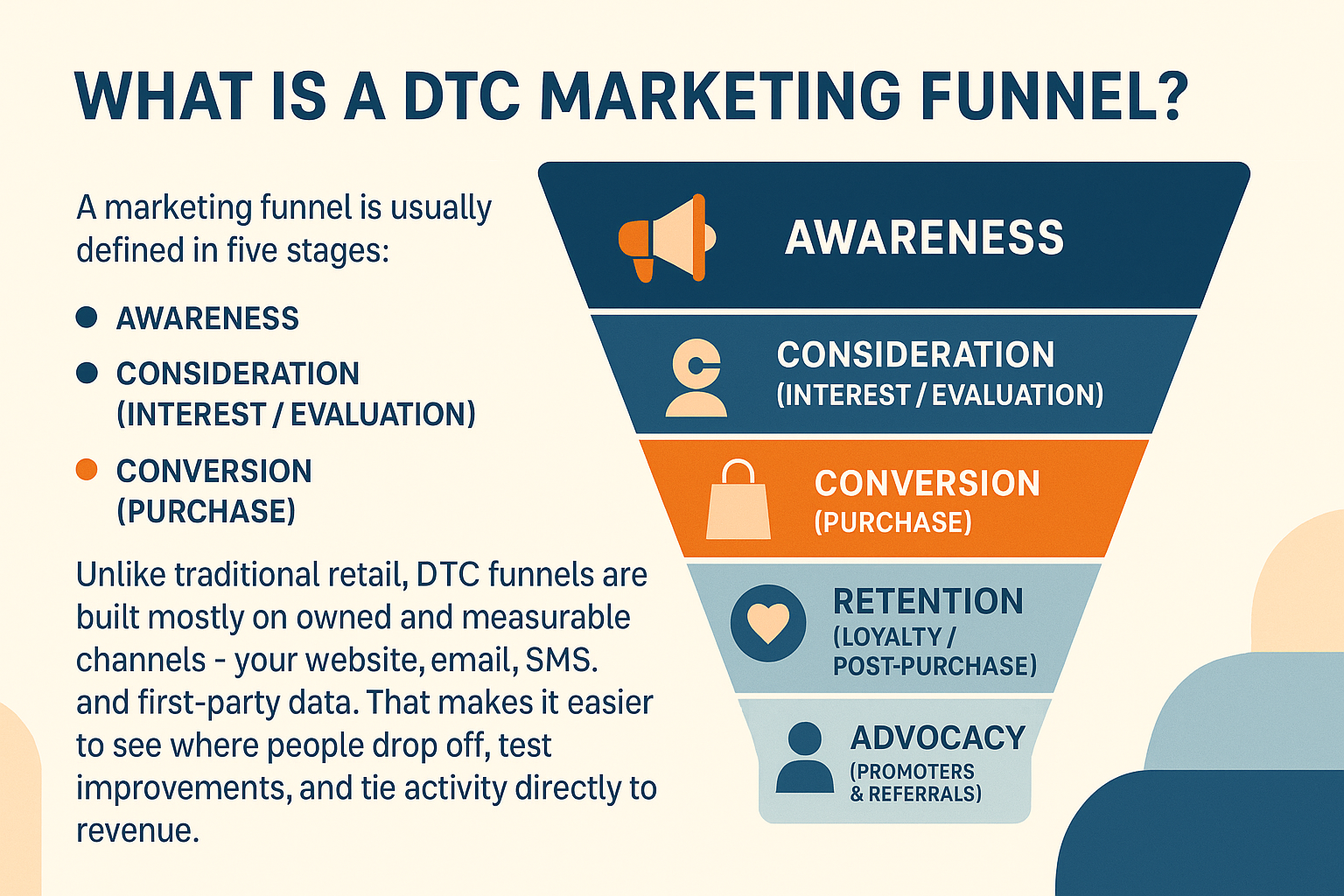
24. Build a Content Funnel
Not every piece of content should have the same objective.
A useful content system can include three levels.
Top-of-funnel content
Designed for discovery.
Examples:
- Trends
- Inspiration
- Educational videos
- Lifestyle content
- Problem-focused content
Middle-of-funnel content
Designed to build consideration.
Examples:
- Product comparisons
- Tutorials
- Demonstrations
- Reviews
- Case studies
- FAQs
Bottom-of-funnel content
Designed to encourage purchase.
Examples:
- Product launches
- Limited offers
- Customer testimonials
- Product bundles
- Detailed demonstrations
This structure prevents a social account from becoming nothing more than a stream of advertisements.
25. Measure Revenue, Not Just Engagement
Likes and comments can be useful indicators, but they are not the final business objective.
Suppose Post A receives:
- 50,000 views
- 5,000 likes
- 300 clicks
- 10 purchases
Post B receives:
- 20,000 views
- 1,500 likes
- 800 clicks
- 60 purchases
Post B may be much more valuable despite receiving fewer views.
Track the complete journey.
A simple model is:
Traffic × Conversion Rate × Average Order Value = Revenue
For example, if 10,000 social visitors reach a website, the conversion rate is 3%, and the average order value is $100:
10,000 × 3% × $100 = $30,000 in revenue
Improving any part of the equation can increase revenue.
26. Improve Conversion Rate Before Buying More Traffic
Suppose a website receives 20,000 visitors each month and converts 1% of them.
That produces 200 orders.
If the brand improves conversion to 2%, the same traffic produces 400 orders.
No additional traffic was required.
This is why conversion optimization is so important.
Potential improvements include:
- Better product photography
- Clearer product descriptions
- Stronger reviews
- Better mobile design
- Faster page loading
- Easier checkout
- More transparent shipping
- Better product comparison
- Stronger calls to action
- Reduced checkout friction
Sometimes the fastest path to higher revenue is not more traffic—it is making better use of the traffic you already have.
27. Mobile Experience Is Critical
Much social media traffic comes from mobile devices.
If a customer clicks from a social app and lands on a website that is difficult to navigate on a phone, the marketing investment can be wasted.
Check:
- Page loading speed
- Image sizing
- Button visibility
- Product variant selection
- Navigation
- Checkout fields
- Payment options
- Pop-ups
- Text readability
The mobile buying journey should be simple enough that customers do not have to fight the website.
28. Use A/B Testing to Improve Performance
Guessing is less effective than testing.
Brands can test:
- Headlines
- Product images
- Calls to action
- Product descriptions
- Offers
- Landing pages
- Button placement
- Bundles
- Checkout experiences
Test one major variable at a time when possible.
Small improvements can compound.
For example, increasing conversion from 2.0% to 2.5% represents a 25% relative increase in orders at the same traffic level.
29. Segment Customers Instead of Treating Everyone the Same
Different customers have different needs.
Useful segments might include:
- First-time buyers
- Repeat buyers
- High-value customers
- Discount-driven customers
- Abandoned-cart visitors
- Product-category buyers
- Inactive customers
- Referral customers
Each group can receive different messaging.
A first-time visitor may need trust-building information.
A repeat customer may be more interested in complementary products.
An inactive customer may respond to a re-engagement campaign.
Personalization becomes more powerful as customer data becomes richer.
30. Reactivate Customers Who Have Gone Silent
Not every customer will purchase again automatically.
Some may simply forget about the brand.
Reactivation campaigns can remind them why they purchased previously.
Messages can include:
- New products
- Seasonal recommendations
- Product-care information
- Complementary items
- Personalized suggestions
- Customer-only offers
The message should feel relevant rather than desperate.
Instead of:
“Buy something now!”
consider:
“Your outdoor space is ready for fall—here are five ways to prepare it.”
Useful content can naturally lead to another purchase.
31. Turn Customers Into a Community
The strongest brands often create communities rather than simply collecting transactions.
A community can be built around:
- Shared interests
- Product use
- Lifestyle
- Hobbies
- Design inspiration
- Education
- Challenges
- Events
For example, an outdoor-living brand could build a community around backyard entertaining and garden design.
The products become tools within a broader lifestyle.
That makes the brand harder to replace.
32. Create a Repeatable Social Commerce System
A sustainable system might look like this:
Step 1: Research customer problems.
Step 2: Create useful social content.
Step 3: Distribute content consistently.
Step 4: Identify high-performing topics.
Step 5: Send relevant traffic to dedicated website pages.
Step 6: Improve product-page conversion.
Step 7: Capture non-buyers through email or other appropriate channels.
Step 8: Deliver an excellent purchasing experience.
Step 9: Encourage reviews and UGC.
Step 10: Recommend relevant complementary products.
Step 11: Reward loyal customers.
Step 12: Encourage referrals.
Step 13: Turn customer stories into new social content.
The final step feeds the beginning of the cycle.
That is what makes it a loop rather than a one-way funnel.
33. The Most Important Metrics at Each Stage
Different stages require different measurements.
Attract
Track:
- Reach
- Video views
- Engagement
- Follower growth
- Click-through rate
- Cost per click when using paid campaigns
Convert
Track:
- Website sessions
- Product-page visits
- Add-to-cart rate
- Checkout rate
- Conversion rate
- Average order value
- Customer acquisition cost
Retain
Track:
- Repeat purchase rate
- Purchase frequency
- Customer lifetime value
- Referral rate
- Review rate
- UGC volume
- Reactivation rate
This framework helps identify where the real bottleneck exists.
34. What If You Have Lots of Traffic but Few Sales?
Start with the conversion stage.
Ask:
- Is the landing page relevant?
- Does the product match the content?
- Is pricing clear?
- Are shipping costs surprising?
- Are customers worried about returns?
- Are there enough reviews?
- Is the website trustworthy?
- Does the checkout work smoothly?
- Is the product page convincing?
- Is the mobile experience good?
Do not immediately spend more money acquiring traffic.
Fix the leak first.
35. What If You Have Sales but Few Repeat Customers?
Focus on retention.
Ask:
- Did customers receive the product successfully?
- Is the product meeting expectations?
- Is post-purchase communication useful?
- Are customers aware of complementary products?
- Is there a reason to buy again?
- Are loyalty incentives attractive?
- Are review requests being sent?
- Are inactive customers being re-engaged?
If the product naturally has a long replacement cycle, focus more heavily on cross-selling, referrals, community, and advocacy.
36. What If Social Engagement Is High but Website Traffic Is Low?
The content may be entertaining but commercially disconnected.
Look for opportunities to create stronger bridges.
Use:
- Relevant profile links
- Clear calls to action
- Product demonstrations
- Shoppable content where appropriate
- Creator-specific landing pages
- Educational resources
- Product-focused follow-up content
The goal is not to force every user to buy.
It is to make the next step obvious for users who are interested.
37. Avoid Building Your Entire Business on One Social Platform
Social platforms can change algorithms, advertising costs, content formats, and distribution rules.
A brand that depends entirely on one platform carries significant risk.
A healthier system uses social media as an acquisition channel while building owned customer relationships through the independent website and permission-based communication channels.
The principle is simple:
Use social platforms to attract attention. Use your website to build the customer relationship.
This reduces dependence on unpredictable organic reach.
38. Combine Organic and Paid Traffic
Organic content and paid advertising can complement each other.
Organic content helps brands discover:
- Winning topics
- Strong hooks
- Customer questions
- Popular products
- Effective creators
Paid campaigns can then amplify proven messages to relevant audiences.
Instead of paying to promote everything, identify content that already demonstrates strong signals and use those insights to inform paid campaigns.
This creates a more efficient feedback loop.
39. The Power of Creative Repurposing
One successful idea can become multiple pieces of content.
For example, one product demonstration can become:
- Short video
- Long-form video
- Instagram post
- TikTok
- YouTube Short
- Blog article
- Product-page content
- FAQ
- Customer-service response
This allows brands to get more value from original content production.
The key is adapting the message to the format rather than copying the exact same content everywhere.
40. Build a Content-to-Commerce Dashboard
A simple dashboard can help connect social performance with revenue.
Track each campaign or content theme according to:
Content → Clicks → Sessions → Add to Cart → Orders → Revenue → Repeat Purchases
Over time, patterns will appear.
You may discover that:
- Educational videos produce high-quality customers.
- Lifestyle content generates high traffic.
- Product comparisons produce strong conversion.
- Influencer content generates first-time purchases.
- Customer UGC produces better repeat-purchase behavior.
These insights can guide future investment.
41. A Practical 90-Day Growth Plan
For brands building this system from scratch, a 90-day approach can be useful.
Days 1–30: Build the Foundation
Focus on:
- Defining the target audience
- Improving product pages
- Creating trust elements
- Establishing social content pillars
- Installing appropriate analytics
- Creating landing pages
- Setting up customer capture
- Improving mobile experience
The goal is to make the system ready before aggressively increasing traffic.
Days 31–60: Increase Traffic and Conversion
Focus on:
- Publishing consistently
- Testing short-form video
- Collaborating with creators
- Testing different hooks
- Improving landing pages
- Testing offers
- Building retargeting audiences
- Analyzing conversion data
Identify which content attracts the most commercially valuable visitors.
Days 61–90: Strengthen Retention
Focus on:
- Post-purchase campaigns
- Review collection
- UGC generation
- Cross-selling
- Bundles
- Loyalty programs
- Referral campaigns
- Customer reactivation
At this stage, the goal shifts from simply acquiring customers to maximizing their long-term value.
42. The Real Meaning of Social Media Monetization
Social media monetization is not simply placing a product link under a post.
It is the process of converting attention into an economically valuable customer relationship.
The complete journey can be represented as:
Attention → Interest → Click → Visit → Consideration → Purchase → Experience → Loyalty → Advocacy
Each stage creates an opportunity.
If you only focus on attention, you may generate impressive statistics without substantial revenue.
If you only focus on conversion, you may acquire customers but struggle to grow efficiently.
If you only focus on retention, you may have loyal customers but insufficient new customer acquisition.
The real advantage comes from connecting all three.
43. Final Takeaway: Turn Social Traffic Into a Self-Reinforcing Growth Engine
The most successful independent e-commerce brands do not treat social media as a collection of isolated posts.
They treat it as the front end of a larger commercial system.
The process begins by attracting the right audience with useful, entertaining, educational, and inspiring content.
Those users are then guided toward a website experience designed to answer questions, reduce uncertainty, demonstrate value, and make purchasing easy.
After the first transaction, the relationship continues through excellent customer service, useful post-purchase content, product recommendations, loyalty programs, reviews, referrals, and community engagement.
Eventually, satisfied customers can become creators and advocates themselves.
Their photos, videos, reviews, recommendations, and social interactions generate new attention.
That new attention enters the system again.
This is the real “attract → convert → retain” loop:
Attract the right people.
Convert their interest into purchases.
Retain them through a better customer experience.
Turn satisfied customers into advocates.
Use their advocacy to attract the next wave of customers.
When this loop is properly designed, social media traffic becomes much more than a stream of visitors.
It becomes a repeatable growth engine—one that can generate sales today, build customer relationships tomorrow, and create new sources of traffic for the future.
The ultimate goal is not to chase the biggest number of views.
It is to build a system where every useful piece of content has the potential to attract a customer, every customer has the potential to become a repeat buyer, and every satisfied buyer has the potential to bring someone new into the brand.