En
En
 9 min read
Short-form video has become one of the most powerful ways to capture attention online. Among all platforms, Facebook Reels—part of Meta Platforms—has emerged as a major space where creators, brands, and everyday users compete for visibility, engagement, and audience growth.
But there’s a catch: polished, overly produced content often underperforms. What consistently wins instead is something far more subtle and far more powerful—native feel authenticity.
In other words, the content that feels real, natural, and “made for the platform,” not for a studio, is what stands out.
This guide breaks down exactly how to create short videos that perform strongly on Facebook Reels, focusing on practical techniques, creative strategy, and psychological triggers that make people stop scrolling.
Understanding What “Native Feel” Actually Means
Before diving into production techniques, it’s important to understand what “native feel” really means.
A native-feeling video is one that:
- Looks like it belongs on the platform
- Matches the pacing of user-generated content
- Feels spontaneous, not scripted
- Mirrors how real people naturally record moments
- Prioritizes connection over perfection
On Facebook Reels, viewers are not looking for cinematic ads. They are scrolling for relatable moments, quick insights, emotional resonance, humor, or everyday authenticity.
If your video feels like it was “advertised into existence,” people will scroll past it. If it feels like it was “shared by a real person,” people stop and watch.
Why Authentic Content Outperforms Highly Polished Videos
There is a psychological reason behind this trend.
People on social media are not passive audiences—they are active scrollers making split-second decisions.
Highly polished videos often trigger:
- Distrust (“this feels like an ad”)
- Distance (“this isn’t for me”)
- Fatigue (“I’ve seen this before”)
Authentic videos trigger:
- Curiosity (“this feels real”)
- Relatability (“this could be me”)
- Emotional connection (“I feel this”)
The brain processes authenticity faster than perfection. That’s why raw, imperfect, human content tends to outperform expensive production.
The First 3 Seconds Decide Everything
On Facebook Reels, the first three seconds are everything.
If you don’t earn attention immediately, the viewer is gone.
Strong opening strategies include:
1. Start Mid-Action
Instead of introducing yourself, jump directly into the moment.
Bad:
“Hey guys, today I’m going to show you…”
Better:
Dropping the camera into the action immediately.
2. Ask a Direct Question
Questions create instant mental engagement.
Examples:
- “Have you ever noticed this?”
- “Why does this always happen?”
- “What would you do in this situation?”
3. Show a Result First
Start with the outcome, then explain how it happened.
This creates curiosity loops that keep viewers watching.
4. Use Unexpected Visuals
Something slightly surprising stops scrolling behavior instantly.
Shooting Style: Embrace Imperfection
One of the biggest mistakes creators make is over-polishing their videos.
Instead, aim for controlled imperfection.
What works better:
- Handheld camera movement
- Natural lighting
- Slight background noise
- Casual framing
- Real environments
What hurts performance:
- Over-stabilized cinematic shots
- Over-edited transitions
- Artificial studio lighting
- Overly scripted dialogue
The goal is not to look unprofessional—it’s to look human.
Lighting: Keep It Simple and Real
You don’t need expensive lighting setups.
Most high-performing Reels use:
- Natural daylight from a window
- Outdoor lighting
- Warm indoor lamps
Avoid overly dramatic lighting setups unless your niche specifically requires it (like beauty or product cinematics).
Soft, natural lighting makes content feel more trustworthy and approachable.
Audio Matters More Than You Think
Sound is often underestimated in short-form content.
On Facebook Reels, audio can make or break retention.
Best practices:
- Use clear, audible speech
- Minimize background noise
- Keep volume consistent
- Add subtle trending audio when appropriate
Even if visuals are strong, poor audio causes immediate drop-off.
A simple rule: if viewers have to “try” to hear you, they won’t stay.
Storytelling: Even 10 Seconds Needs a Structure
Short videos still need storytelling logic.
A strong Reels structure usually looks like:
1. Hook (0–3 seconds)
Grab attention immediately.
2. Context (3–7 seconds)
Explain what’s happening.
3. Value or Payoff (7–20 seconds)
Deliver insight, humor, emotion, or result.
4. Ending Trigger (optional)
Encourage engagement without forcing it.
This structure keeps videos tight and watchable.
The Power of Relatable Everyday Moments
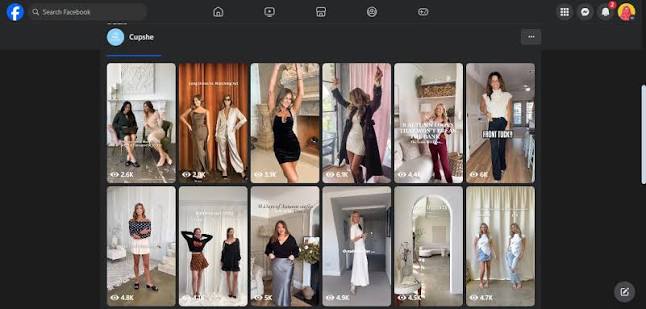
Some of the highest-performing content on Facebook Reels is not flashy—it’s familiar.
Examples:
- Morning routines
- Workplace frustrations
- Parenting moments
- Cooking mistakes
- Travel surprises
- Small life observations
Why does this work?
Because people see themselves in it.
Relatability is more powerful than novelty.
Don’t “Perform” — Communicate
A common mistake is overacting or trying too hard to entertain.
Instead, think of your video as a conversation.
Speak like you would to a friend:
- Natural tone
- Simple language
- Minimal scripting
- Real reactions
If it feels like a performance, viewers disengage.
If it feels like communication, they stay.
Editing Style: Less Is More
Editing should support the message, not dominate it.
Good editing includes:
- Clean cuts
- Minimal transitions
- Natural pacing
- Simple text overlays
- Emphasis on clarity
Avoid:
- Overuse of effects
- Fast flashing transitions
- Distracting animations
- Excessive filters
The best editing is often invisible.
Captions and On-Screen Text
Text is essential for silent viewers.
Many users scroll without sound, so your message must still be clear visually.
Best practices:
- Keep sentences short
- Use large readable fonts
- Highlight key phrases
- Avoid cluttered screens
Think of text as reinforcement, not decoration.
Understanding Platform Behavior
Facebook Reels is designed for discovery and passive consumption.
That means:
- Users are not searching—they are scrolling
- Content is recommended based on engagement
- Watch time matters more than likes
- Shares often outperform comments in reach
Your goal is not just to impress viewers—it’s to keep them watching long enough for the system to recognize value.
Common Mistake #1: Trying to Look Like a Commercial
Nothing kills engagement faster than content that feels like an ad.
Signs include:
- Overly polished visuals
- Sales-heavy language
- Corporate tone
- Forced branding
Instead, show the human side of your message first.
Common Mistake #2: Overloading Information
Short videos are not lectures.
If you try to say too much:
- Viewers lose focus
- Message becomes unclear
- Retention drops
Stick to one idea per video.
Common Mistake #3: Ignoring the Emotional Layer
Even informational content performs better when it carries emotion.
Emotion types that work well:
- Humor
- Surprise
- Curiosity
- Nostalgia
- Frustration
- Relief
If your video has no emotional hook, it will struggle to stand out.
How to Build a Consistent Content Style
Consistency doesn’t mean repetition—it means recognizability.
To build a consistent style:
- Use similar pacing across videos
- Stick to a recognizable tone
- Maintain similar framing styles
- Keep color grading simple
- Use recurring themes or formats
Over time, viewers begin to recognize your content instantly.
The Role of Trends (Without Losing Identity)
Trends can help visibility, but copying them blindly often backfires.
Instead:
- Adapt trends to your niche
- Add your own perspective
- Combine trends with real experiences
- Avoid forcing irrelevant formats
The goal is alignment, not imitation.
What Actually Makes a Video “Stop the Scroll”
Three key triggers:
1. Visual curiosity
Something slightly unusual or unexpected.
2. Emotional resonance
A feeling that connects instantly.
3. Pattern interruption
Breaking what users expect to see.
When these overlap, engagement spikes.
Practical Workflow for Creating High-Performing Reels
Here is a simple workflow used by many successful creators:
Step 1: Identify one idea
Keep it simple and focused.
Step 2: Write a 1–2 sentence hook
This determines whether people watch.
Step 3: Record in one take if possible
Avoid overproduction.
Step 4: Edit lightly
Cut only what is unnecessary.
Step 5: Add text overlays
Make it understandable without sound.
Step 6: Publish and observe performance
Learn from retention patterns.
The Psychology Behind Native Content
Native-feeling content works because it matches user expectations.
When people open Facebook Reels, they expect:
- Real moments
- Casual videos
- Human expression
- Unfiltered experiences
When content aligns with expectation, it feels comfortable.
When it doesn’t, users disengage quickly.
Final Thoughts: Real Beats Perfect
In the world of short-form video, perfection is no longer the goal.
Connection is.
The most successful creators on Facebook Reels are not necessarily the ones with the best equipment or the most polished editing—they are the ones who understand how to communicate naturally, capture real moments, and respect the viewer’s attention.
If you focus on authenticity, clarity, and emotional resonance, your content will naturally begin to stand out.
Because in the end, native feel isn’t a style—it’s a mindset.
And on platforms like Facebook Reels, that mindset is what separates content that gets ignored from content that gets remembered.