














 En
En
 44 min read
For independent e-commerce store owners, attracting qualified customers is becoming increasingly challenging. Competition across digital advertising platforms continues to intensify, customer acquisition costs can be difficult to control, and shoppers often compare multiple brands before making purchasing decisions.
These challenges are especially significant for high-ticket e-commerce businesses.
When you’re selling products priced at $200, $500, $1,000, or more, customers rarely make purchasing decisions based on a single advertisement. They need inspiration, product information, trust, and time to evaluate their options.
This is where Pinterest marketing for high-ticket e-commerce stores can create valuable opportunities.
Unlike social platforms built primarily around entertainment or real-time conversations, Pinterest functions as a visual discovery and planning platform. Users explore products, collect ideas, compare aesthetics, and save inspiration for future purchases.
Someone searching for “luxury modern living room ideas” may be researching furniture for a home renovation. A user browsing “minimalist designer handbags” may be comparing accessories before investing in a premium purchase. Someone saving “outdoor patio makeover ideas” may eventually purchase expensive outdoor furniture, lighting, or garden accessories.
These browsing behaviors create opportunities for independent online stores to reach potential customers before they have finalized their purchasing decisions.
However, successful Pinterest marketing requires more than uploading attractive product images.
Businesses must identify products with strong visual appeal, research relevant trends, understand customer search behavior, develop compelling content, optimize product landing pages, and measure commercial performance.
In this comprehensive guide, we’ll explore how to find profitable products using Pinterest, build a visual marketing strategy, generate qualified traffic, and turn Pinterest visitors into customers for your high-ticket online store.
Whether you operate a Shopify store, a premium home decor brand, a designer accessories business, or a specialized direct-to-consumer website, these strategies can help you develop a more sustainable customer acquisition system.
1. Understanding Pinterest’s Unique Role in E-Commerce Marketing
Before researching products or creating content, it’s important to understand how Pinterest differs from other digital platforms.
Pinterest combines elements of visual discovery, search, inspiration, and shopping.
Users can search for ideas, discover related images, save content to boards, and visit external websites to learn more about products.
Pinterest vs. Traditional Social Media
Platforms such as Instagram and TikTok often emphasize entertainment, creators, and social engagement.
Pinterest emphasizes discovery, personal interests, and future plans.
This difference can influence how users interact with branded content.
A Pinterest user may actively search for a particular interior design style, wedding theme, fashion aesthetic, or home improvement solution.
As a result, brands can align their content with a specific project or purchasing consideration.
Why This Matters for High-Ticket Products
Expensive products usually involve longer decision-making processes.
Customers may want to compare materials, dimensions, colors, styles, warranties, and pricing before purchasing.
Pinterest allows them to collect product inspiration while researching their options.
This gives brands opportunities to influence purchasing preferences early.
For example, a customer researching premium dining tables may initially search for broad terms such as:
- Modern dining room inspiration
- Luxury dining table ideas
- Walnut dining room furniture
- Contemporary dining room design
- Minimalist dining room decor
A furniture retailer that publishes valuable content around these topics may become visible during the customer’s initial research.
Instead of competing only when the customer searches for a specific product, the brand can participate throughout the discovery process.
Pinterest Traffic Can Have Long-Term Value
Some Pinterest content can remain discoverable through search, recommendations, and saves after its original publication.
This differs from channels where content visibility is concentrated within a short period.
However, continued visibility is not guaranteed.
Performance depends on content relevance, user engagement, platform distribution, competition, and changing search demand.
For high-ticket stores, the potential long-term discovery value makes Pinterest worth testing as part of a diversified traffic strategy.
2. What Makes Pinterest Suitable for High-Ticket Product Marketing?
Not every product is equally suited to Pinterest.
Products with strong visual appeal and clear lifestyle relevance are often easier to communicate through image-based content.
Premium products can benefit because customers frequently need help imagining how an item fits into their lives.
Visual Appeal Communicates Product Value
A high-quality photograph can communicate design, materials, craftsmanship, and style faster than a lengthy product description.
Consider a handcrafted leather handbag.
A standard product photograph may show its shape and color.
A thoughtfully styled lifestyle image can communicate how the handbag complements a professional wardrobe, how it looks when carried, and why its construction fits a premium positioning.
Both images are useful, but the second helps customers imagine ownership.
High-Ticket Customers Often Research Carefully
When purchasing an expensive product, shoppers may move through several stages.
Discovery: They recognize a need or become interested in a particular lifestyle.
Inspiration: They explore design ideas, colors, materials, and product categories.
Evaluation: They compare specific products and brands.
Validation: They review details, delivery policies, guarantees, and customer experiences.
Purchase: They choose a retailer and complete the transaction.
Pinterest content can support several of these stages.
Premium Products Offer More Room for Educational Content
High-ticket purchases often involve meaningful product differences.
A premium ergonomic chair may justify its price through adjustability, materials, durability, and comfort.
A luxury outdoor furniture set may offer weather-resistant construction, specialized finishes, and replaceable cushions.
These features create opportunities for tutorials, comparisons, buying guides, and lifestyle content.
3. How to Find Winning Products on Pinterest
Effective Pinterest product research starts with identifying products that combine visual demand with realistic commercial potential.
An attractive product is not automatically profitable.
Likewise, a popular image does not necessarily indicate strong purchasing demand.
Your goal is to identify products that customers want, can afford, and are willing to purchase from your store.
Step 1: Explore Pinterest Search
Begin by entering broad keywords related to your market.
For a premium home decor business, you might search for:
- Luxury bedroom ideas
- Modern home furniture
- High-end interior decor
- Contemporary lighting
- Designer accent chairs
Review the images, suggested topics, and related searches.
Look for repeated design elements, product types, materials, and customer preferences.
For example, you may notice recurring interest in curved furniture, textured upholstery, natural wood, or sculptural lighting.
These observations can guide further research.
Step 2: Use Pinterest Trends
Pinterest Trends can help marketers investigate interest in selected topics and search terms.
Depending on the market and feature availability, you may be able to explore seasonal patterns, related searches, and emerging interests.
Compare broad product categories with more specific design concepts.
For example:
“Dining table” represents a broad product category.
“Modern walnut dining table” describes a more specific product.
“Round walnut dining table for small spaces” introduces an additional functional requirement.
More specific searches can reveal how customers describe their preferences.
Step 3: Examine Search Results Carefully
Review content that repeatedly appears for your chosen topics.
Pay attention to:
- Product categories
- Image composition
- Lifestyle settings
- Colors and materials
- Price positioning where visible
- Common design styles
- Content formats
Do not assume that the most visible products are the most profitable.
Use search observations to develop hypotheses that can be validated through other data.
Step 4: Research Product Demand Beyond Pinterest
Before committing to a product, validate demand using additional sources.
These may include customer reviews, search demand tools, competitor websites, marketplace feedback, and supplier information.
Look for evidence of real customer needs.
For example, if you’re researching premium office chairs, investigate common complaints about lower-priced alternatives.
Customers may mention inadequate lumbar support, limited adjustment, poor materials, or disappointing durability.
These complaints can reveal opportunities for differentiated products.
Step 5: Evaluate Commercial Feasibility
A promising product must also make financial sense.
Evaluate the purchase cost, shipping expenses, damage risk, return rate, fulfillment reliability, and expected selling price.
Products that appear attractive on Pinterest may still be unsuitable if delivery costs are excessive or product quality is inconsistent.
4. The Best High-Ticket Product Categories for Pinterest
Some product categories are particularly compatible with visual discovery and lifestyle-oriented marketing.
The following categories are worth researching, although profitability depends on individual products, demand, and execution.
Premium Home Furniture
Furniture is highly visual and often connected to major purchasing projects.
Potential products include:
- Designer sofas
- Solid wood dining tables
- Luxury accent chairs
- Premium coffee tables
- Custom storage furniture
- Outdoor lounge furniture
Furniture marketing benefits from room styling, material close-ups, dimensional diagrams, and before-and-after transformations.
Luxury Home Decor
Decorative products allow customers to express personal taste.
Examples include sculptural lighting, statement mirrors, decorative wall panels, and premium rugs.
Pinterest provides a natural environment for presenting these products in coordinated interiors.
Designer Fashion Accessories
Premium handbags, eyewear, leather accessories, and jewelry can be marketed through styling inspiration.
A handbag brand might create visual content showing how one bag complements several outfits.
An eyewear retailer might demonstrate different frame shapes with particular fashion aesthetics.
Premium Outdoor and Garden Products
Outdoor living products are suitable for visual storytelling.
Potential categories include patio furniture, pergolas, decorative planters, premium landscape lighting, and garden accessories.
Customers often research complete outdoor designs rather than individual products.
Custom Window Treatments
Motorized blinds, cellular shades, custom curtains, and premium window coverings can benefit from Pinterest content.
These products are connected to interior design, home improvement, energy efficiency, privacy, and lifestyle convenience.
For example, a retailer selling custom cellular shades could create content around modern bedroom window treatments, minimalist home office design, and privacy solutions.
Premium Pet Furniture
Designer pet beds, custom pet furniture, and durable indoor pet accessories may appeal to customers who want pet products that coordinate with their home interiors.
Specialty Lifestyle Products
Other possibilities include premium travel accessories, high-end kitchen equipment, home organization systems, and specialized hobby equipment.
The key is choosing products with clear benefits, appropriate margins, and compelling visual potential.
5. How to Evaluate Products Before Adding Them to Your Store
Product selection should involve a structured evaluation process.
A useful approach is to score each product across several criteria.
| Evaluation Factor | Key Question |
|---|---|
| Visual appeal | Can the product be presented attractively through images? |
| Customer demand | Is there evidence that people actively want this type of product? |
| Profit potential | Can the product generate sufficient contribution margin? |
| Differentiation | Why would customers choose your version? |
| Shipping feasibility | Can it be delivered reliably and economically? |
| Content potential | Can you create useful content around it? |
| Trust requirements | Can you support the promises made about quality and service? |
| Competition | Is there a meaningful way to stand apart? |
You can assign each factor a score from one to five.
Products with stronger overall scores deserve deeper investigation.
However, avoid making decisions based exclusively on a numerical score.
A product with attractive demand but unreliable fulfillment may still be unsuitable.
Calculate Real Product Profitability
Consider a hypothetical premium lighting product.
Selling price: $450
Product cost: $170
Shipping and fulfillment: $45
Payment processing: $15
Expected returns and warranty allowance: $20
Remaining contribution before advertising and fixed overhead: $200
This is an illustrative example, not an industry benchmark.
It shows why high selling prices do not automatically mean high profitability.
If advertising acquisition costs consume most of the remaining contribution, the product may not support sustainable growth.
6. How to Identify High-Intent Pinterest Keywords
Keywords help connect your content with what potential customers are searching for.
For high-ticket stores, the most valuable keywords are not always the broadest or most frequently searched.
Specific terms can reveal clearer customer preferences.
Broad Discovery Keywords
These terms introduce a product category or lifestyle.
Examples:
- Luxury living room ideas
- Modern bedroom decor
- Elegant home office design
- Premium outdoor living
- Minimalist fashion inspiration
These searches are useful for attracting customers during early discovery.
Product-Specific Keywords
These describe particular product types.
Examples:
- Modern walnut coffee table
- Luxury leather shoulder bag
- Custom blackout cellular shades
- Large decorative wall mirror
- Premium outdoor sectional sofa
These terms often connect more directly to products.
Problem-Solving Keywords
These focus on practical customer needs.
Examples:
- Window treatments for privacy
- Furniture for small apartments
- Comfortable chairs for home offices
- Durable outdoor furniture for rain
- Luxury storage ideas for small bedrooms
Problem-oriented content can introduce products as possible solutions.
Style-Based Keywords
Pinterest users frequently search using aesthetic descriptions.
Examples include:
- Japandi home decor
- Quiet luxury bedroom
- Modern farmhouse dining room
- Coastal contemporary living room
- Minimalist capsule wardrobe
Use style terms only when they accurately describe your products.
Long-Tail Keywords
Long-tail phrases describe narrower needs.
For example, “luxury furniture” is broad.
“Modern solid walnut dining table for six” provides more information about material, style, and intended use.
Specific keywords can help businesses create more relevant Pins and landing pages.
7. How to Build a Pinterest Business Account for Your Store
A professional Pinterest presence begins with a properly configured business account.
A business account provides access to analytics and other commercial tools.
Set Up Your Business Profile
Use your brand name consistently.
Choose a recognizable profile image, such as your logo.
Write a concise description explaining your product category and value proposition.
For example:
“Discover premium modern furniture, refined interiors, and thoughtfully designed home accessories for sophisticated living spaces.”
Include relevant category terms naturally.
Claim Your Website
Claiming your website helps establish the connection between your brand and its content.
Follow Pinterest’s current verification process.
This is particularly important for merchants planning to use product catalogs and shopping features.
Organize Your Boards
Boards should reflect meaningful customer interests.
For a premium furniture retailer, possible boards include:
- Modern Living Room Ideas
- Luxury Bedroom Inspiration
- Contemporary Dining Furniture
- Small Space Design Solutions
- Premium Outdoor Living
- Minimalist Home Accessories
Each board should have a clear theme.
Avoid creating dozens of nearly identical boards with no distinct purpose.
Maintain Brand Consistency
Your Pinterest profile should visually match your store.
Use consistent photography, colors, typography, and brand positioning.
A coherent visual identity helps visitors recognize your products across different Pins.
8. How to Create High-Converting Pinterest Pins
Strong Pinterest content should accomplish three things.
It should attract attention, communicate relevance, and encourage an appropriate next action.
Beautiful images are important, but aesthetics alone do not guarantee website traffic or purchases.
Use High-Quality Vertical Images
Vertical images often fit naturally into Pinterest’s browsing experience.
A 2:3 aspect ratio, such as 1000 × 1500 pixels, is a useful starting point for many standard Pins.
Check the current creative specifications for the format you are publishing.
Show Products in Realistic Settings
Lifestyle photography allows customers to imagine using the product.
For example, a premium reading chair may be more compelling when photographed in a coordinated living room than against an empty white background.
Both types of imagery have value.
A clean product photograph communicates details.
A lifestyle image communicates context.
Create Multiple Creative Angles
One product can support several different Pins.
For a luxury coffee table, create content emphasizing:
- Overall living room styling
- Material quality
- Product dimensions
- Interior design inspiration
- Storage functionality
- Close-up craftsmanship
This approach allows you to test different customer interests without repeatedly publishing identical creative.
Add Useful Text Overlays
Short text overlays can clarify the purpose of a Pin.
Examples include:
“5 Ways to Style a Modern Living Room”
“Luxury Bedroom Ideas for Small Spaces”
“How to Choose the Perfect Dining Table”
“Premium Outdoor Furniture Buying Guide”
Keep the text readable on mobile screens.
Avoid overcrowding images with excessive wording.
Use Clear Calls to Action
Encourage actions that match the content.
A product-focused Pin might invite viewers to explore available finishes.
A guide-focused Pin might encourage readers to view the complete article.
A comparison Pin might invite customers to compare product options.
The destination must deliver what the Pin promises.
9. Pinterest Content Strategies for High-Ticket Products
High-ticket products usually require more education and reassurance than inexpensive impulse purchases.
Your Pinterest content should therefore extend beyond product advertisements.
Inspirational Content
Inspirational content helps users imagine a desired result.
A premium bedroom furniture retailer might publish coordinated bedroom layouts, color palettes, and furniture combinations.
Educational Content
Educational Pins help customers make informed decisions.
Examples include:
“How to Choose a Luxury Sofa”
“Solid Wood vs. Engineered Wood Furniture”
“How to Measure Windows for Custom Shades”
“Choosing the Right Outdoor Furniture Material”
This type of content can build credibility while directing visitors to useful website resources.
Product Comparison Content
Comparison content is valuable when customers face several expensive options.
For example, a window-treatment business might compare cellular shades, roller shades, and Roman shades.
A furniture retailer might explain the differences between leather upholstery types.
Be accurate and balanced when describing product advantages.
Before-and-After Content
Before-and-after visuals can illustrate how a product changes a space.
They are especially suitable for home improvement, furniture, decor, and organization.
Use authentic images and avoid misleading transformations.
Product Detail Content
Premium customers often want to inspect materials and craftsmanship.
Create Pins showing construction, textures, finishes, hardware, and functional features.
Specific details can help justify a premium price.
10. How to Write Pinterest Titles and Descriptions
Pin titles and descriptions should help users understand the content and its relevance.
Use natural language rather than stuffing repeated keywords into every field.
Writing Effective Pin Titles
A strong title identifies the topic and provides a reason to engage.
For example:
Weak title: “Beautiful Sofa”
Improved title: “Modern Curved Sofa Ideas for Luxury Living Rooms”
Weak title: “Window Blinds”
Improved title: “Custom Cellular Shades for Modern Bedroom Privacy”
Writing Useful Descriptions
A good description explains what viewers will discover.
Example:
“Explore modern curved sofa designs for elegant living rooms. Discover styling inspiration, upholstery options, and practical tips for choosing a statement sofa that complements your home.”
The description includes relevant terms while remaining informative.
Match Keywords to Search Intent
Avoid publishing a Pin about bedroom design that links to an unrelated product.
Search relevance and landing-page consistency are essential for a good user experience.
Use Keyword Variations Thoughtfully
Different customers may describe similar products differently.
A window-treatment brand might use terms such as cellular shades, honeycomb blinds, energy-efficient window shades, and custom window treatments.
Each term should be used where it naturally fits the content.
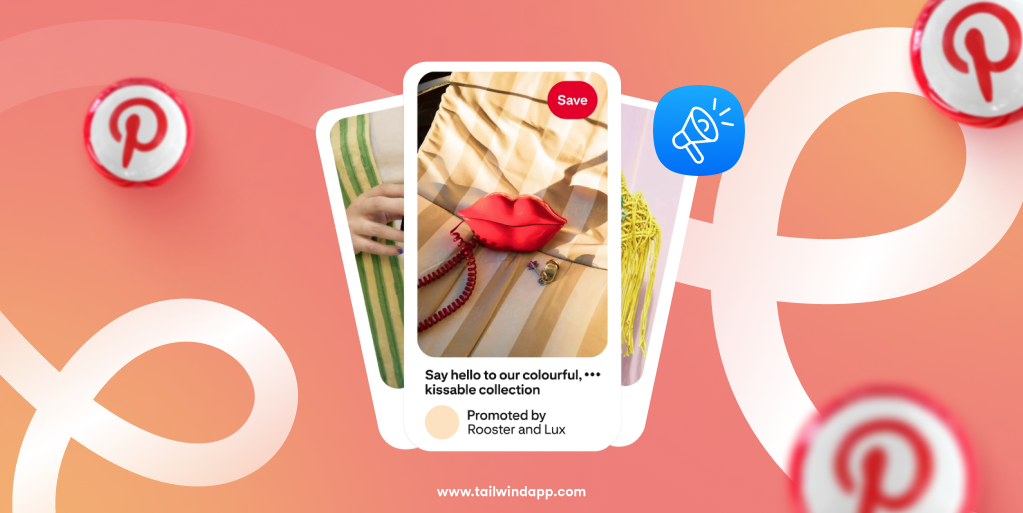
11. How to Drive Pinterest Traffic to Your Shopify Store
Generating Pinterest impressions is not the same as generating website visits.
A profitable strategy needs a clear path from visual discovery to your independent store.
Link to Relevant Landing Pages
Every Pin should direct visitors to the most appropriate destination.
A product Pin should generally link to the corresponding product page.
A buying guide should link to the complete guide.
A collection-focused Pin should lead to a relevant category page.
Avoid sending all traffic to your homepage.
Optimize Shopify Product Pages
High-ticket shoppers need detailed information before purchasing.
Important product-page elements include:
- High-resolution product photography
- Accurate product specifications
- Clear pricing
- Dimensions and materials
- Shipping expectations
- Return and warranty policies
- Customer reviews where available
- Secure checkout
- Clear customer support information
These elements help reduce uncertainty.
Improve Mobile Usability
Pinterest users may discover products on mobile devices.
Your website should load efficiently, display product images correctly, and provide an uncomplicated checkout experience.
Large images should be optimized without sacrificing necessary quality.
Reduce the Gap Between Inspiration and Purchase
If a Pin shows a walnut dining table in a particular finish, the landing page should help shoppers locate that product and finish.
If the product is unavailable, the store should communicate that accurately.
Inconsistent images, pricing, or product details can reduce trust.
12. How to Use Pinterest Product Pins and Catalogs
Product Pins can make shopping information more accessible to Pinterest users.
They may display details such as product titles, prices, and availability.
Merchants can create product Pins through supported catalog integrations or eligible website metadata.
Set Up a Product Catalog
For stores with multiple products, a catalog can help maintain structured product information.
The general process includes preparing your business account, claiming your website, satisfying merchant requirements, and connecting a supported product data source.
Catalog availability and requirements vary by country and account eligibility.
Keep Product Information Accurate
Your catalog should reflect current product information.
Pay attention to:
- Product titles
- Descriptions
- Prices
- Currency
- Availability
- Product links
- Images
- Variants
Inaccurate catalog data can create customer frustration and affect shopping eligibility.
Organize Product Groups
Product groups can help you manage merchandise and advertising.
A furniture retailer might separate its catalog into sofas, dining tables, accent chairs, and outdoor furniture.
You can also organize products according to meaningful commercial factors, such as availability or product category.
Shopify Integration
If your store runs on Shopify, investigate supported Pinterest integration options.
The goal is to synchronize product information, support eligible shopping features, and measure website activity where available.
Always verify that the catalog reflects the correct prices, inventory, and destination URLs after integration.
13. Pinterest Organic Marketing vs. Pinterest Ads
A complete Pinterest strategy can combine organic publishing with paid promotion.
These approaches serve different purposes.
Organic Pinterest Marketing
Organic content focuses on building ongoing visibility through relevant Pins and boards.
Advantages include the ability to publish educational resources, test creative concepts, and develop a collection of useful content.
However, organic distribution is unpredictable.
Strong images do not automatically generate consistent reach.
Pinterest Advertising
Pinterest Ads can increase exposure through paid distribution.
Depending on location, eligibility, and current platform offerings, advertisers may use standard, video, carousel, collection, or catalog-based shopping formats.
Paid campaigns can help businesses test audiences, creatives, and product offers.
Which Is Better for High-Ticket Stores?
Organic content can support longer-term discovery and education.
Paid campaigns may help generate traffic and purchase data more quickly.
For many high-ticket businesses, a combination is worth testing.
Start with a clearly defined commercial objective and track actual results.
Do not assume that paid exposure will produce profitable purchases simply because the product looks attractive.
14. How to Structure Pinterest Advertising Campaigns
When using Pinterest Ads, campaign structure should reflect the business objective.
Prospecting Campaigns
Prospecting focuses on reaching potential customers who have not previously interacted with your store.
For high-ticket products, effective creative may introduce product benefits, design inspiration, or a compelling use case.
Product-Focused Campaigns
Product-focused advertising highlights specific merchandise.
Use clear images, accurate product information, and landing pages that match the advertised offer.
Remarketing Campaigns
Where supported and permitted, remarketing can help reconnect with visitors who previously engaged with your website or products.
Premium shoppers may need several interactions before purchasing.
However, remarketing performance depends on audience size, privacy permissions, tracking quality, and campaign setup.
Avoid Excessive Campaign Fragmentation
Small budgets divided among numerous campaigns may make meaningful learning difficult.
Begin with a manageable structure.
Separate campaigns when objectives, product economics, or target audiences genuinely differ.
Optimize for the Right Business Outcome
If your goal is online sales, evaluate purchase-related outcomes rather than judging campaigns solely by impressions or traffic.
A campaign that produces inexpensive visits but no profitable orders may not be commercially successful.
15. Pinterest Conversion Tracking for High-Ticket Stores
Accurate measurement is essential for determining whether Pinterest contributes to revenue.
Install Appropriate Tracking
Pinterest provides tools for measuring website activity, including the Pinterest tag and supported conversion integrations.
Depending on your platform and setup, server-side event measurement may also be available.
Follow current privacy requirements and obtain any necessary consent.
Track Meaningful Events
Useful commerce events can include product views, add-to-cart activity, checkout initiation, and completed purchases.
However, these actions represent different levels of commercial value.
An add-to-cart event is not equivalent to a completed sale.
Focus on Purchases and Real Revenue
For high-ticket independent stores, completed orders, actual purchase revenue, gross margin, and customer acquisition costs are more meaningful than inflated conversion totals.
If your analytics dashboard combines several event types into one conversion-value metric, separate them before evaluating profitability.
Use actual completed purchases to calculate purchase return on advertising spend.
Understand Attribution Limitations
Pinterest may influence a customer before the final purchase occurs through another channel.
Attribution systems may report different results because of measurement windows, device changes, consent limitations, and attribution models.
Compare platform reporting with Shopify orders and other reliable commerce records.
16. The Most Important Pinterest Performance Metrics
Pinterest analytics provides several metrics, but they do not all carry equal importance.
Impressions
Impressions indicate how often content appears on users’ screens.
They measure exposure, not purchase intent.
Saves
Saves show that users found content worth keeping.
They can indicate interest in an idea, but a save is not a sale.
Outbound Clicks
Outbound clicks represent actions that lead users away from Pinterest toward a destination.
This is especially relevant when driving traffic to an independent website.
Conversion Rate
Website conversion rate helps measure how effectively visitors become customers.
A high-ticket store may have a different conversion profile from a low-cost impulse-purchase retailer.
Always use your actual business data when establishing benchmarks.
Purchase ROAS
Purchase return on advertising spend measures purchase revenue relative to advertising cost.
Purchase ROAS = Attributed Purchase Revenue ÷ Advertising Spend
For example, if a campaign spends $1,000 and generates $4,000 in attributed completed-purchase revenue, the reported purchase ROAS is 4.0.
This calculation should exclude nonpurchase event values.
Contribution Profit
ROAS alone does not account for product costs and operating expenses.
A more useful profitability analysis also considers merchandise costs, shipping, payment fees, returns, and advertising expenses.
Sample Performance Dashboard
| Metric | Business Purpose |
|---|---|
| Impressions | Measure content exposure |
| Saves | Assess inspiration and content appeal |
| Outbound clicks | Measure website traffic generation |
| Add-to-cart events | Identify shopping interest |
| Completed purchases | Measure actual orders |
| Purchase conversion rate | Evaluate website effectiveness |
| Purchase ROAS | Compare revenue with paid advertising cost |
| Contribution profit | Evaluate economic sustainability |
Use these metrics together rather than relying on a single performance indicator.
17. How to Increase Conversion Rates for Premium Products
Pinterest traffic is valuable only when the website experience supports the visitor’s purchasing decision.
High-ticket stores should focus on reducing uncertainty and communicating value.
Build Trust Immediately
Premium customers want reassurance that the retailer is credible.
Display accurate business information, customer service contact details, shipping policies, and return conditions.
Avoid exaggerated guarantees or fabricated reviews.
Explain Why the Product Costs More
A higher price needs a clear value proposition.
If your product uses premium materials, show them.
If it offers specialized functionality, demonstrate it.
If the design is customizable, explain the options.
Use Detailed Product Photography
Include multiple angles, close-ups, and lifestyle images.
For furniture and home improvement products, dimensional diagrams can help customers understand scale.
Provide Useful Buying Guidance
A customer purchasing a $1,200 dining table may need information about seating capacity, wood care, assembly, and delivery.
Providing answers before purchase can reduce hesitation.
Offer Appropriate Support
For complex products, offer a convenient way to ask questions.
This may include email, live chat, or a product inquiry form.
For custom products, a quotation request may be more suitable than immediate checkout.
Communicate Delivery Expectations Clearly
Large or expensive products often involve special shipping conditions.
Explain delivery timelines, handling requirements, and any installation services accurately.
18. How to Create a Pinterest Content Funnel
A content funnel organizes Pins according to different stages of customer interest.
For high-ticket e-commerce, this approach can help align content with the customer journey.
Stage 1: Awareness
At this stage, shoppers are exploring ideas.
Create inspirational content such as:
“Luxury Living Room Design Ideas”
“Modern Backyard Transformation Inspiration”
“Elegant Home Office Styling”
The goal is to introduce the brand through relevant ideas.
Stage 2: Consideration
Customers begin narrowing their preferences.
Useful content includes:
“Leather vs. Fabric Sofas”
“How to Choose Premium Window Shades”
“Best Materials for Outdoor Furniture”
The goal is to help shoppers evaluate available solutions.
Stage 3: Product Evaluation
Customers compare specific merchandise.
Create detailed product showcases, material comparisons, demonstrations, and customer-focused buying guides.
Stage 4: Purchase
Customers need clear next steps.
Provide accurate product links, pricing, options, availability, and purchasing information.
Stage 5: Post-Purchase Engagement
After purchasing, customers may appreciate care guides, styling suggestions, and complementary product recommendations.
This type of content can support customer satisfaction and repeat engagement.
19. Seasonal Pinterest Marketing for High-Ticket Products
Many Pinterest users plan purchases and projects in advance.
This makes seasonal content planning important.
Spring
Potential themes include outdoor furniture, garden design, patio upgrades, and home refresh projects.
Summer
Content may emphasize outdoor entertaining, travel accessories, seasonal fashion, and backyard living.
Fall
Potential topics include cozy interiors, layered decor, home office improvements, and holiday preparation.
Winter
Content may focus on premium gifting, indoor comfort, home organization, and upcoming renovation plans.
Plan Before Demand Peaks
Do not wait until a seasonal event has already arrived to create all your content.
Research historical search interest and publish relevant material ahead of important shopping periods.
The appropriate lead time will vary by category and audience.
Balance Seasonal and Evergreen Content
Seasonal content can capture timely interest.
Evergreen content addresses recurring customer questions throughout the year.
A balanced strategy may provide more stable opportunities than relying entirely on short-lived trends.
20. Using Pinterest Predicts and Visual Trends for Product Research
Pinterest releases trend research intended to highlight emerging interests and aesthetics.
Its Pinterest Predicts reporting can provide useful inspiration for product development and marketing.
For example, the 2026 report identifies emerging themes across categories such as decor, fashion, beauty, and lifestyle.
However, trend reports should be treated as research inputs rather than guarantees of commercial demand.
Translate Trends Into Product Opportunities
Suppose a particular interior design aesthetic becomes popular.
Instead of immediately sourcing dozens of products, identify which existing or potential products fit that aesthetic naturally.
A furniture retailer might create styled photography featuring compatible pieces.
A lighting brand might explore finishes and silhouettes associated with the trend.
Test Before Expanding Inventory
Publish a limited number of trend-inspired Pins.
Observe relevant website visits and purchasing behavior.
If the concept generates qualified demand, consider a larger product collection or more extensive content.
Avoid Blindly Following Trends
A trend may attract attention without producing profitable sales.
Also, rapid changes to your product assortment can create inventory and fulfillment risks.
Choose trends that align with your brand identity and customer needs.
21. How to Use Blog Content to Generate Pinterest Traffic
Blog content can connect inspirational searches with commercial products.
For high-ticket businesses, educational articles are particularly useful because customers often want guidance before spending significant amounts.
Choose Topics That Support Your Products
A premium lighting store might publish:
“How to Choose a Chandelier for a Dining Room”
“Modern Pendant Lighting Ideas for Kitchen Islands”
“Warm vs. Cool Lighting for Luxury Interiors”
Each article can introduce relevant merchandise naturally.
Create Multiple Pins for Each Article
An article may contain several useful ideas.
Create Pins around different sections or visual examples.
For instance, a dining room guide might support separate Pins about lighting placement, room proportions, and material selection.
Include Relevant Internal Links
Guide readers from educational content to appropriate product pages and collections.
Links should be useful rather than forced.
Keep Articles Helpful
Avoid writing repetitive articles that provide little practical information.
High-ticket shoppers benefit from accurate specifications, comparisons, real examples, and buying considerations.
Useful content can support brand credibility even when readers are not ready to purchase immediately.
22. A Practical Pinterest Marketing Strategy for Shopify Dropshipping
Pinterest can also be used by dropshipping businesses, including stores selling higher-priced products.
However, premium dropshipping requires especially careful supplier selection.
Choose Reliable Suppliers
Evaluate product quality, fulfillment time, packaging, damage policies, and after-sales support.
A visually appealing product can still create customer dissatisfaction if the supplier cannot deliver consistently.
Avoid Misleading Product Photography
Product images should accurately represent the item customers will receive.
If a supplier provides images, confirm that you have permission to use them.
Do not present a lower-quality product as a premium version through misleading editing.
Verify Shipping Capabilities
High-ticket products may be bulky, fragile, or expensive to return.
Before advertising them, understand the supplier’s shipping methods and delivery limitations.
Build a Differentiated Brand
A store that simply copies supplier listings may struggle to justify premium pricing.
Improve the shopping experience through thoughtful product selection, original content, responsive service, and clear positioning.
Test Demand Before Scaling
Begin with a focused product assortment.
Use Pinterest content to explore demand and customer preferences.
Expand only when product economics and supplier reliability support growth.
23. How to Use AI Tools in Pinterest Content Production
AI tools can help streamline several content-production tasks.
They are most useful when supporting a clear marketing strategy rather than replacing thoughtful product research.
Keyword Research Assistance
AI can help organize keyword ideas into categories such as inspiration, comparison, product selection, and problem-solving.
However, actual search demand should be validated using relevant data.
Content Planning
AI can assist with editorial calendars, Pin title variations, and blog outlines.
Human review remains important to ensure relevance and accuracy.
Visual Concepts
AI image tools may help develop mood boards or explore art direction.
However, commercial product representations must be accurate.
Do not use generated images to imply product features, construction, or finishes that do not exist.
Product Description Drafting
AI can help create initial descriptions from verified specifications.
Always check material claims, dimensions, warranties, and other product details.
Performance Analysis
AI can assist in analyzing exported campaign and store data.
Useful tasks include identifying high-performing product categories, comparing creative themes, and finding landing pages with poor conversion performance.
The quality of the analysis depends on the accuracy of the underlying data.
24. A 90-Day Pinterest Growth Plan for High-Ticket Stores
A structured testing period can help turn Pinterest into a measurable marketing channel.
The following roadmap provides a practical starting point.
Days 1–30: Research and Foundation
Focus on creating a reliable foundation.
Identify your target customer and product categories.
Research Pinterest search behavior and relevant trends.
Evaluate products based on visual appeal, demand, margins, and fulfillment feasibility.
Create or optimize your Pinterest business account.
Claim your website and configure eligible tracking and catalog features.
Develop a consistent creative style.
Create initial boards around meaningful customer interests.
Prepare a collection of original product and lifestyle images.
Define your baseline metrics.
Days 31–60: Content Testing
Begin publishing useful Pins consistently.
Test several content themes, such as inspiration, product education, comparisons, and direct product showcases.
Experiment with different imagery, titles, and landing pages.
Review which Pins generate outbound clicks rather than focusing only on impressions.
Improve product pages that receive traffic but fail to convert.
If you have sufficient resources and appropriate tracking, test a small paid campaign.
Avoid expanding spending before understanding the results.
Days 61–90: Optimization and Expansion
Review the data gathered during the testing period.
Identify the product categories and creative concepts producing qualified traffic.
Investigate completed purchases and actual acquisition costs.
Expand successful content themes.
Improve underperforming landing pages.
Consider additional content for seasonal demand.
Scale advertising only when performance and business economics justify the investment.
Remember that 90 days is a learning period, not a guarantee of profitability.
Some high-ticket businesses may need a longer evaluation window because of extended customer decision cycles.
25. Common Pinterest Marketing Mistakes to Avoid
Pinterest can become inefficient when businesses focus on activity rather than results.
Mistake 1: Choosing Products Only Because They Look Attractive
Visual appeal matters, but customer demand and profitability matter more.
Validate each product before making a significant investment.
Mistake 2: Publishing Only Product Advertisements
Customers often visit Pinterest for inspiration and guidance.
Include educational and lifestyle content alongside direct product promotions.
Mistake 3: Using Generic Images
Unremarkable or repetitive images may struggle to communicate what makes a premium product special.
Invest in useful visual differentiation.
Mistake 4: Ignoring Search Intent
A Pin should answer a recognizable need or interest.
Create content around relevant customer searches rather than unrelated trends.
Mistake 5: Sending All Traffic to the Homepage
Direct visitors to relevant product pages, collections, or guides.
Mistake 6: Measuring Success Only by Impressions
High impressions can coexist with low website traffic.
Evaluate outbound clicks, purchases, revenue, and profitability.
Mistake 7: Treating Add-to-Cart Events as Purchases
Adding an item to a cart is not the same as completing an order.
Keep purchase metrics separate from preliminary shopping actions.
Mistake 8: Ignoring Mobile Performance
A slow or confusing mobile website can waste qualified traffic.
Mistake 9: Scaling Advertising Too Early
Initial engagement does not guarantee profitable sales.
Use actual commercial evidence when increasing budgets.
Mistake 10: Expecting Immediate Results
Organic discovery and premium purchasing decisions can take time.
Focus on consistent testing, useful content, and gradual optimization.
26. How to Scale a Successful Pinterest Marketing Strategy
Once you identify profitable product and content combinations, you can expand more strategically.
Replicate Successful Creative Concepts
Identify patterns in high-performing Pins.
For example, lifestyle images may consistently outperform isolated product images for one category.
Develop new original creative based on the successful concept.
Avoid publishing excessive near-duplicates.
Expand Related Product Collections
If a particular style of premium dining furniture generates strong sales, consider complementary products such as lighting, chairs, or decorative accessories.
Use actual customer demand to guide assortment expansion.
Build More Educational Content
Publish detailed resources related to successful product categories.
This can help reach customers at different stages of the buying process.
Improve Customer Retention
Pinterest can introduce customers to your brand, but customer value does not have to end with the first purchase.
Offer reliable service, helpful care information, and relevant follow-up recommendations.
Diversify Traffic Sources
Pinterest should generally be part of a broader acquisition strategy.
Depending on your business, other channels may include Google Shopping, search advertising, email marketing, partnerships, and content marketing.
Diversification can reduce dependence on any single platform.
27. Frequently Asked Questions About Pinterest Marketing for High-Ticket E-Commerce
Is Pinterest good for high-ticket products?
Pinterest can be valuable for visually appealing premium products, especially when customers research design, lifestyle, and purchasing options before ordering. Results depend on product demand, creative quality, website experience, and marketing execution.
What products sell best through Pinterest?
Visually driven categories such as furniture, home decor, fashion accessories, and lifestyle products are natural candidates for testing. However, no category guarantees strong sales. Businesses should validate actual purchasing demand.
Can Pinterest drive traffic to Shopify?
Yes. Pinterest Pins can link to relevant Shopify pages, including products, collections, and educational articles. Eligible merchants can also use supported catalog and shopping features.
How do I find winning products on Pinterest?
Research relevant searches, recurring aesthetics, customer interests, and trends. Then validate product demand, margins, competition, supplier reliability, and fulfillment costs before adding products to your store.
Is Pinterest free for businesses?
Businesses can establish a Pinterest presence and publish organic content without paying for advertising. Paid promotion, content production, software, and ongoing management may create additional costs.
How long does Pinterest marketing take to work?
Results vary. Some content may generate interest relatively quickly, while other strategies require sustained testing and refinement. Premium products may have longer purchasing cycles.
Should I use Pinterest Ads or organic Pins?
Both approaches can be useful. Organic content supports ongoing discovery and education, while advertising can expand distribution and help test commercial opportunities. Choose based on your budget, objectives, and measured performance.
What is a good Pinterest conversion rate?
There is no universal conversion rate that applies to every store. Performance depends on product price, traffic quality, website design, customer intent, and industry. Use your own data and relevant comparisons to establish realistic goals.
How many Pins should I publish?
There is no single publishing frequency guaranteed to work. Prioritize consistent, original, relevant content and adjust based on performance and production capacity.
Do Pinterest followers matter?
Followers can contribute to audience development, but they are not the only measure of success. Search discovery, recommendations, outbound clicks, and purchases may be more important for an e-commerce business.
Can dropshipping stores use Pinterest?
Yes. Dropshipping stores can use Pinterest to promote suitable products, provided they meet relevant merchant requirements and deliver accurate product information and reliable customer service.
How do I improve Pinterest traffic quality?
Use specific keywords, create relevant visuals, link to matching landing pages, and evaluate visitor behavior after the click. Qualified traffic is more valuable than large numbers of uninterested visitors.
Why do my Pinterest Pins get views but no clicks?
Possible causes include weak calls to action, content that provides inspiration without a clear next step, poor landing-page relevance, or an audience not ready to purchase. Test different creative and content approaches.
Can Pinterest help build a luxury brand?
Yes. Pinterest can support premium brand positioning through consistent visual storytelling, original photography, educational content, and thoughtfully presented products.
What metrics should high-ticket stores prioritize?
Prioritize qualified outbound traffic, completed purchases, purchase revenue, customer acquisition cost, contribution margin, and purchase ROAS. Engagement metrics provide supporting information but should not replace commercial measurement.
28. Final Checklist for Building a Profitable Pinterest Traffic Strategy
Before expanding your Pinterest marketing efforts, review these important questions.
Product Selection: Have you validated demand, margins, supplier quality, and shipping feasibility?
Audience Research: Do you understand the interests, problems, and aesthetic preferences of your ideal customers?
Keyword Strategy: Are you targeting relevant searches across discovery, consideration, and purchase stages?
Visual Content: Do your images accurately communicate product quality, functionality, and lifestyle relevance?
Pinterest Profile: Is your account professionally presented and properly connected to your store?
Website Experience: Can visitors easily understand product benefits, prices, delivery terms, and return policies?
Catalog Quality: Are product images, inventory, prices, and links accurate?
Conversion Tracking: Can you distinguish completed purchases from add-to-cart and checkout events?
Profitability: Are you evaluating advertising costs against actual revenue and contribution margin?
Long-Term Strategy: Do you have a realistic plan for testing, optimization, and sustainable expansion?
These factors work together.
Strong Pinterest content cannot fully compensate for weak products, unreliable fulfillment, or a poor shopping experience.
Likewise, an excellent product may struggle if potential customers never discover it.
Conclusion: Turn Pinterest Inspiration Into Profitable High-Ticket E-Commerce Growth
Pinterest offers high-ticket e-commerce businesses an opportunity to connect visual inspiration with commercial discovery.
For brands selling premium furniture, designer accessories, custom window treatments, upscale decor, and other visually appealing products, the platform can help reach customers while they are exploring ideas and planning purchases.
However, building a profitable Pinterest strategy requires more than attractive images or frequent posting.
The foundation begins with selecting products that have real demand, reliable fulfillment, meaningful differentiation, and healthy economics.
Once those products are identified, businesses can create visual content that connects product benefits with customer interests.
Inspirational images attract attention.
Educational guides answer important questions.
Product comparisons support informed decisions.
Detailed product pages help customers evaluate their options.
Accurate catalogs and suitable advertising campaigns can improve product discovery.
Together, these elements create a connected journey from inspiration to purchase.
For high-ticket independent stores, one of the most important principles is to focus on traffic quality and actual purchasing outcomes rather than vanity metrics.
A Pin that receives thousands of impressions but produces no qualified customers may offer limited business value.
A more targeted Pin that attracts fewer visitors but contributes to profitable completed purchases may be substantially more valuable.
This is why careful measurement matters.
Track outbound clicks, purchase conversion rates, actual order revenue, customer acquisition costs, and contribution profitability.
Keep add-to-cart and checkout events separate from completed purchases when evaluating advertising returns.
At the same time, recognize that premium purchasing decisions often take longer.
Customers may discover a product, compare alternatives, save inspiration, and return to the store before ordering.
Your content should support that process through trustworthy information and consistent brand presentation.
Product selection, creative quality, customer experience, and data-driven optimization should operate as one connected strategy.
As Pinterest trends evolve and customer preferences change, businesses that continue researching their audiences and testing new ideas will be better positioned to identify emerging opportunities.
The goal is not simply to attract more traffic.
It is to build a dependable system that connects the right products with the right customers, communicates premium value, and converts meaningful interest into sustainable revenue.
For independent e-commerce brands willing to invest in product research, distinctive visual storytelling, and a trustworthy shopping experience, Pinterest can become an important component of long-term growth.
Have questions about Pinterest product research, high-ticket e-commerce marketing, or customized traffic generation solutions? Feel free to leave a comment below to request a quote, and we’ll be happy to help you find the right solution for your business!