En
En
 14 min read
Expanding into international markets is no longer limited to multinational corporations with enormous budgets. Today, brands of all sizes can reach customers across continents through digital advertising, cross-border e-commerce, social media platforms, influencer partnerships, marketplaces, and multilingual content strategies.
However, global growth introduces a major challenge that many businesses underestimate: balancing a unified international brand strategy with the need for deeply localized content.
A campaign that performs exceptionally well in one country may completely fail in another. Colors, humor, cultural references, buying behaviors, language structures, pricing psychology, seasonal timing, and visual preferences can vary dramatically between regions.
As companies scale internationally, they often face a difficult question:
How can a brand maintain consistent global positioning while adapting marketing materials for local audiences?
This tension between globalization and localization affects nearly every aspect of international marketing, including advertising creatives, product messaging, social content, landing pages, customer communication, media buying, influencer collaborations, and conversion optimization.
This guide explores how brands can successfully manage multilingual and multi-market campaigns while maintaining brand consistency, improving customer engagement, and maximizing international growth opportunities.

Why Global Expansion Requires More Than Translation
Many businesses mistakenly assume international marketing simply involves translating existing campaigns into different languages.
In reality, effective global expansion requires far deeper adaptation.
Translation alone often fails because:
- Cultural meanings differ
- Buying motivations vary
- Humor may not transfer
- Visual symbolism changes by region
- Consumer trust signals differ
- Local competition influences expectations
- Platform usage habits vary
- Seasonal timing changes globally
A message that sounds persuasive in American English may feel unnatural, overly aggressive, or confusing in another market.
Successful international campaigns require cultural understanding—not just language conversion.
Understanding the Difference Between Globalization and Localization
Before building international campaigns, it is important to distinguish between two core concepts.
Globalization
Globalization focuses on creating scalable strategies that work across multiple regions.
This often includes:
- Unified brand identity
- Standardized messaging frameworks
- Shared visual systems
- Centralized campaign planning
- Consistent product positioning
- International operational efficiency
The goal is consistency and scalability.
Localization
Localization adapts content and experiences for specific markets.
This includes:
- Native-language copywriting
- Cultural adaptation
- Local currency formatting
- Region-specific visuals
- Market-specific promotions
- Localized user behavior optimization
- Platform-specific communication styles
The goal is relevance and emotional connection.
The challenge lies in balancing both approaches simultaneously.
Why Localization Matters More Than Ever
Consumers increasingly expect personalized and culturally relevant experiences.
People naturally trust brands that:
- Speak their language fluently
- Understand local culture
- Reflect familiar social norms
- Address local pain points
- Use regionally appropriate visuals
- Offer localized customer support
Poor localization can damage trust quickly.
Examples of common international marketing failures include:
- Literal translations that sound awkward
- Offensive cultural misunderstandings
- Incorrect symbolism
- Misaligned humor
- Inappropriate color usage
- Ignoring local holidays
- Using irrelevant references
In competitive markets, localization often becomes a major differentiator.
The Core Conflict Between Global Consistency and Local Flexibility
One of the biggest international marketing dilemmas is maintaining brand consistency while giving local teams enough freedom to adapt.
Too much global control creates rigid campaigns that feel disconnected from local audiences.
Too much localization may fragment brand identity.
Common tensions include:
- Centralized branding vs local creativity
- Standard messaging vs cultural adaptation
- Global efficiency vs regional performance
- Unified visuals vs localized imagery
- Brand guidelines vs local trends
Finding the right balance requires strategic planning.
Building a Global Brand Foundation First
Successful localization begins with a strong global framework.
Before adapting campaigns regionally, brands should define core international standards.
Important foundational elements include:
- Brand mission
- Brand voice
- Visual identity
- Design systems
- Core messaging pillars
- Product positioning
- Customer personas
- Brand values
These elements create consistency across markets while allowing flexible execution.
Think of the global framework as the brand’s operating system.
Localization then becomes a series of market-specific applications built on top of it.
Which Elements Should Stay Global?
Not every aspect of marketing should change between markets.
Certain elements often benefit from consistency.
Brand Identity
Logos, typography systems, and overall visual identity should generally remain stable.
Consistency strengthens global recognition.
Core Brand Values
A company’s mission and long-term positioning should remain aligned internationally.
Product Quality Messaging
Key product strengths often remain universal.
Strategic Positioning
Maintaining consistent positioning helps avoid brand confusion.
For example, a premium brand should not appear budget-focused in one region and luxury-focused in another.
Which Elements Should Be Localized?
While strategic foundations stay global, execution often requires heavy localization.
Language and Tone
Direct translation rarely sounds natural.
Native-level adaptation is essential.
Visual Content
Images should reflect local demographics, lifestyles, and cultural norms.
Promotions and Pricing
Regional purchasing power and shopping behavior vary significantly.
Social Media Strategy
Different countries favor different platforms and communication styles.
Seasonal Campaign Timing
Seasonal events differ globally.
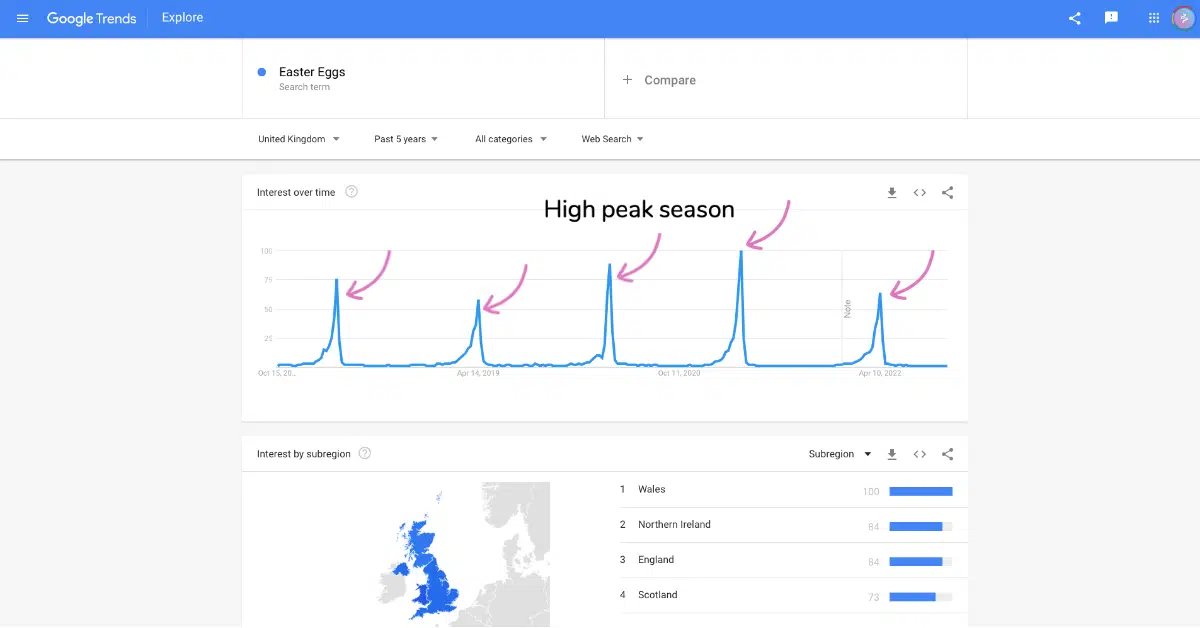
Summer campaigns in North America occur during winter in parts of the Southern Hemisphere.
Influencer Collaborations
Local creators often generate stronger trust and engagement.
Why Native Copywriting Outperforms Direct Translation
Many international campaigns fail because they rely entirely on literal translation.
Professional localization goes beyond word replacement.
Native copywriters understand:
- Cultural context
- Emotional triggers
- Regional slang
- Consumer psychology
- Humor patterns
- Social sensitivity
- Local buying language
This allows messaging to feel natural rather than mechanically translated.
For example, American advertising often emphasizes confidence and bold calls to action.
Other cultures may respond better to subtlety, trust-building, or community-oriented messaging.
Cultural Context Can Change Campaign Performance Dramatically
Small cultural differences often produce major performance shifts.
Humor
Humor rarely translates directly.
Sarcasm, irony, and wordplay vary significantly across cultures.
Color Psychology
Colors carry different meanings worldwide.
For example:
- White symbolizes purity in some cultures and mourning in others.
- Red may represent luck, celebration, danger, or urgency depending on the region.
Visual Symbolism
Gestures, imagery, and body language may carry unexpected meanings internationally.
Emotional Messaging
Some markets prefer emotional storytelling.
Others prioritize practicality and detailed product information.
The Role of Consumer Psychology in Different Markets
Buying behavior differs across regions.
Understanding these psychological differences improves campaign effectiveness.
Individualistic vs Collective Cultures
Some markets emphasize personal achievement.
Others value family, community, or social harmony.
Risk Tolerance
Certain consumers prioritize innovation and novelty.
Others prefer safety, reliability, and social proof.
Trust Signals
Different markets trust different indicators:
- Expert endorsements
- User reviews
- Certifications
- Influencers
- Government approvals
- Brand heritage
Localized marketing should reflect these preferences.
Multi-Market Advertising Requires Flexible Creative Systems
Creating unique campaigns for every country becomes expensive and difficult to scale.
This is why many successful brands use modular creative systems.
A modular system separates campaigns into adaptable components.
Examples include:
- Universal brand framework
- Localized headlines
- Market-specific imagery
- Regionally adapted calls to action
- Flexible product benefits
- Local testimonials
This approach maintains consistency while reducing production complexity.
How International Social Media Strategies Differ
Social media behavior varies dramatically worldwide.
Platform Popularity Changes by Region
A platform dominant in one market may have limited influence elsewhere.
Communication Styles Differ
Some audiences prefer polished professional content.
Others engage more with casual authenticity.
Video Preferences Vary
Short-form video trends differ internationally.
Influencer Culture Changes
Trust in influencers varies significantly between regions.
Localized social strategies improve audience connection.
The Importance of Local Market Research
International assumptions often lead to expensive mistakes.
Local research helps brands understand:
- Consumer expectations
- Competitive positioning
- Pricing sensitivity
- Preferred communication styles
- Regional trends
- Platform behavior
- Local regulations
Research methods may include:
- Surveys
- Focus groups
- Customer interviews
- Social listening
- Regional analytics
- Competitor analysis
Strong localization begins with data, not assumptions.
International Landing Pages Need Localization Too
Advertising campaigns succeed only when landing pages match user expectations.
Localized landing pages should adapt:
- Language
- Currency
- Units of measurement
- Payment methods
- Customer reviews
- Shipping information
- Contact details
- Cultural references
Even small inconsistencies can reduce trust.
For example, international shoppers may abandon purchases if local payment methods are unavailable.
Why Visual Localization Is Often Overlooked
Brands frequently focus heavily on translation while ignoring visuals.
However, imagery strongly influences emotional perception.
Localized visuals may involve:
- Diverse models
- Local environments
- Regional fashion styles
- Cultural context
- Local architecture
- Seasonal relevance
Audiences respond more positively when they recognize familiar lifestyles and environments.
Balancing Centralized Teams and Local Market Teams
Organizational structure significantly affects international campaign performance.
Centralized Global Teams
Advantages:
- Strong consistency
- Efficient workflows
- Unified brand control
- Easier resource management
Challenges:
- Limited local insight
- Slower adaptation
- Cultural disconnects
Local Market Teams
Advantages:
- Strong cultural understanding
- Faster market response
- Better localization quality
Challenges:
- Risk of inconsistent branding
- Fragmented messaging
- Increased operational complexity
Many successful brands combine centralized strategy with local execution.
Creating Localization Guidelines for International Consistency
Clear localization guidelines reduce confusion.
Strong guidelines may include:
- Brand voice rules
- Approved terminology
- Visual style frameworks
- Tone recommendations
- Cultural sensitivity guidance
- Translation standards
- Regional adaptation flexibility levels
This creates scalable consistency while supporting creativity.
How AI Is Changing Multilingual Marketing
Artificial intelligence increasingly supports international campaign management.
AI tools now assist with:
- Translation workflows
- Content generation
- Market analysis
- Audience segmentation
- Dynamic creative optimization
- Localization scaling
However, AI still struggles with:
- Cultural nuance
- Emotional context
- Humor adaptation
- Regional sensitivity
- Native-level storytelling
Human oversight remains essential.
International E-Commerce Requires Deep Localization
Cross-border e-commerce competition continues growing rapidly.
Successful international online stores often localize:
- Product descriptions
- Checkout flows
- Currency displays
- Customer service
- Return policies
- Shipping estimates
- Product recommendations
- Promotional messaging
Localized shopping experiences improve conversion rates and customer trust.
Common Multi-Market Campaign Mistakes
Many international campaigns fail because of avoidable mistakes.
Over-Reliance on Machine Translation
Literal translations often sound robotic or confusing.
Assuming One Campaign Fits Every Market
Cultural differences significantly affect performance.
Ignoring Local Regulations
Advertising laws vary internationally.
Inconsistent Branding
Too much localization can weaken identity.
Underestimating Local Competitors
Regional brands often understand customer behavior more deeply.
Why Local Partnerships Matter
Local collaborators provide valuable market insight.
Helpful partnerships may include:
- Regional agencies
- Local influencers
- Native copywriters
- Cultural consultants
- Market researchers
- Community partners
These relationships improve authenticity and reduce localization mistakes.
Measuring Performance Across Multiple Markets
International campaign analysis requires market-specific evaluation.
Metrics may differ by region due to:
- Customer acquisition costs
- Platform maturity
- Consumer behavior
- Economic conditions
- Competition levels
Important international metrics include:
- Engagement rates
- Conversion rates
- Customer lifetime value
- Regional retention
- Return on ad spend
- Brand awareness growth
Comparing markets fairly requires context.
Localized Customer Support Builds Trust
Marketing does not end at the advertisement.
Customer experience strongly influences international growth.
Localized support may include:
- Native-language service
- Local support hours
- Regional communication styles
- Local return handling
- Market-specific FAQs
Customers trust brands that communicate clearly after purchase.
The Importance of Testing in International Campaigns
Testing becomes even more critical across global markets.
Small creative adjustments can produce large performance differences.
Useful testing areas include:
- Headlines
- Visuals
- Color schemes
- Calls to action
- Video formats
- Product positioning
- Emotional messaging
Localized testing helps brands avoid relying on assumptions.
Global Campaigns Must Respect Cultural Sensitivity
Cultural awareness is essential.
Insensitive campaigns can create backlash quickly.
Brands should carefully review:
- Language nuances
- Religious sensitivities
- Political implications
- Historical references
- Gender representation
- Social norms
International audiences increasingly expect cultural respect and authenticity.
Regional Economic Conditions Influence Marketing Strategy
Economic realities vary significantly between countries.
Localized pricing and messaging should reflect:
- Purchasing power
- Inflation
- Consumer confidence
- Market maturity
- Luxury perception
- Value expectations
A premium positioning strategy may succeed in one region but fail elsewhere.
Why Localization Is an Ongoing Process
Markets evolve constantly.
Consumer preferences change over time.
Localization requires continuous optimization.
Brands should regularly update:
- Language trends
- Social behaviors
- Visual styles
- Platform usage
- Seasonal patterns
- Competitive positioning
Successful global brands treat localization as a long-term investment rather than a one-time project.
Building a Scalable International Content Workflow
As markets expand, operational complexity increases.
Scalable workflows help maintain efficiency.
Helpful systems include:
- Centralized asset libraries
- Localization management platforms
- Shared design templates
- Translation memory systems
- Regional approval workflows
- Modular content structures
Efficient systems reduce production bottlenecks.
The Future of Multilingual and Multi-Market Marketing
Global digital commerce will continue accelerating.
Future international marketing trends may include:
- AI-assisted localization
- Hyper-personalized content
- Dynamic multilingual creative generation
- Real-time regional adaptation
- Cross-cultural predictive analytics
- Localized immersive experiences
At the same time, consumers will likely demand even greater authenticity.
Brands that combine scalable global strategy with genuine local understanding will hold significant competitive advantages.
Building a Sustainable Global Localization Strategy
The most successful international brands understand that globalization and localization are not opposites.
They are complementary forces.
Strong global positioning creates recognition and consistency.
Deep localization creates relevance and trust.
Sustainable international growth depends on balancing both.
This requires:
- Clear brand foundations
- Flexible creative systems
- Native market expertise
- Continuous testing
- Cultural awareness
- Scalable operational processes
Brands that master this balance are better positioned to build stronger customer relationships across diverse international audiences.
Final Thoughts
Multilingual and multi-market campaigns are far more complex than simple translation projects.
They require businesses to navigate the delicate balance between maintaining a unified global brand identity and creating localized experiences that genuinely resonate with regional audiences.
As international competition grows, consumers increasingly expect brands to understand their language, culture, preferences, and behaviors.
Companies that rely solely on standardized global messaging often struggle to build emotional connection.
At the same time, excessive localization without strategic consistency can weaken brand recognition and create fragmented customer experiences.
The most effective global marketing strategies combine centralized brand foundations with flexible localized execution.
By investing in cultural understanding, native-level content adaptation, scalable creative systems, regional testing, and continuous optimization, brands can create international campaigns that feel both globally recognizable and locally authentic.
In today’s connected digital economy, successful international growth depends not only on reaching more markets—but on understanding them deeply.
Brands that respect local audiences while maintaining clear global positioning will be far better equipped to build long-term trust, loyalty, and sustainable worldwide expansion.