En
En
 6 min read
Summer is more than just a season—it’s a lifestyle shift. Longer days, warmer weather, and a collective desire to get outside create the perfect conditions for outdoor sports and activities to thrive. For brands, retailers, and dropshippers, this is also the most competitive and opportunity-rich time of the year.
But not all products perform equally.
Some items quietly sell. Others explode across social media, rack up millions of views, and turn into must-have summer essentials almost overnight. These are the products with viral potential—items that combine functionality, visual appeal, shareability, and trend alignment.
In this guide, we’ll break down 20 outdoor sports products that are primed for viral success during summer sales. We’ll also explain why they work, what makes them shareable, and how to position them for maximum impact.
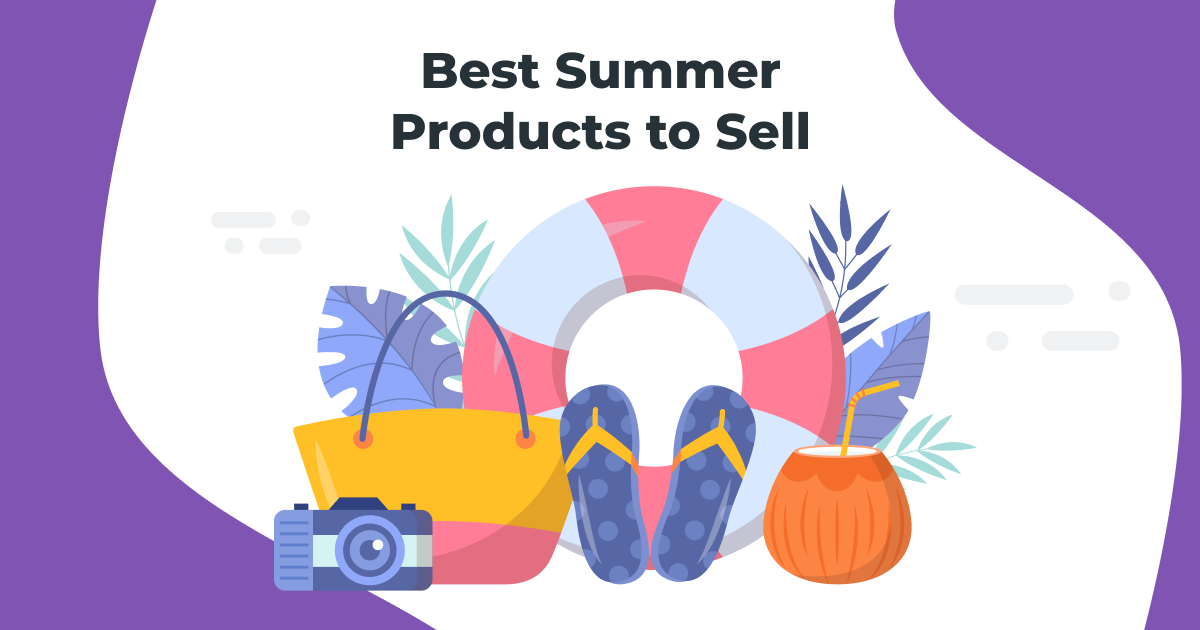
What Makes a Product Go Viral in Summer?
Before diving into the list, let’s define what “viral potential” really means in the context of outdoor sports gear.
1. Visual Appeal
Products that look exciting in action—splashes, motion, lights, or transformation—perform well on platforms like TikTok and Instagram.
2. Instant Gratification
Items that deliver fun or results immediately tend to get shared more often.
3. Problem-Solving
Products that solve a common summer inconvenience (heat, bugs, hydration) resonate strongly.
4. Social Experience
Group-friendly items naturally encourage sharing and user-generated content.
5. Portability
Lightweight, easy-to-carry products are ideal for travel and outdoor use.
The Ultimate Summer Viral Product List (20 Items)
1. Inflatable Paddle Boards (SUP)
Stand-up paddle boards continue to dominate summer water sports.
Why they go viral:
- Scenic, photogenic use cases
- Beginner-friendly
- Easy to transport when deflated
2. Portable Mist Cooling Fans
These handheld or wearable fans spray a fine mist while blowing air.
Why they go viral:
- Instant relief from heat
- Highly relatable during heatwaves
- Perfect for outdoor events
3. LED Light-Up Frisbees
Frisbees with built-in LED lights for nighttime play.
Why they go viral:
- Eye-catching visuals in low light
- Great for beach or park gatherings
- Perfect for short-form video content
4. Waterproof Phone Pouches
Essential for water sports and beach days.
Why they go viral:
- Demonstrations (phone submerged in water)
- Strong “proof” content
- Practical and affordable
5. Collapsible Water Bottles
Flexible bottles that shrink when empty.
Why they go viral:
- Space-saving transformation
- Travel-friendly appeal
- Eco-conscious messaging
6. Sand-Free Beach Mats
Special fabric that prevents sand from sticking.
Why they go viral:
- Satisfying visual demonstrations
- Solves a universal beach problem
- Highly shareable before-and-after content
7. Compact Camping Hammocks
Lightweight hammocks that pack into small pouches.
Why they go viral:
- Quick setup videos
- Relaxation-focused content
- Strong lifestyle appeal
8. Electric Water Guns (High-Power)
Battery-powered water blasters with continuous spray.
Why they go viral:
- Action-packed visuals
- Competitive group play
- Nostalgia + modern upgrade
9. UV Protection Arm Sleeves
Lightweight sleeves for sun protection.
Why they go viral:
- Transformation content (before/after sun exposure)
- Fitness and outdoor crossover
- Practical health benefits
10. Foldable Outdoor Chairs with Cup Holders
Portable seating for camping, beaches, and events.
Why they go viral:
- Everyday usability
- Lifestyle content integration
- Strong bundling opportunities
11. Rechargeable Headlamps (Motion Sensor)
Hands-free lighting with gesture control.
Why they go viral:
- “Magic-like” activation
- Useful for camping and night sports
- Tech + outdoor hybrid appeal
12. Inflatable Lounger Air Sofas
No pump needed—inflate by scooping air.
Why they go viral:
- Unique inflation method
- Relaxation and festival vibe
- Visually satisfying setup
13. Portable Espresso Makers
Manual or battery-powered coffee makers for outdoors.
Why they go viral:
- Coffee culture crossover
- Unexpected outdoor luxury
- Strong storytelling potential
14. Smart Jump Ropes with Counters
Fitness ropes that track reps and calories.
Why they go viral:
- Data-driven fitness trends
- Easy-to-share workout clips
- Appeals to health-conscious users
15. Waterproof Bluetooth Speakers (Floating)
Speakers that float in pools or lakes.
Why they go viral:
- Party atmosphere
- Strong audiovisual content
- Social gathering use cases
16. Cooling Towels (Instant Chill)
Activate with water for immediate cooling.
Why they go viral:
- Quick transformation
- Heatwave relevance
- Fitness and sports crossover
17. Multi-Tool Survival Gear Kits
Compact kits for outdoor emergencies.
Why they go viral:
- “Everything in one” appeal
- Demonstration-heavy content
- Appeals to adventure seekers
18. GoPro-Style Action Cameras (Budget-Friendly)
Affordable alternatives for capturing outdoor adventures.
Why they go viral:
- POV footage
- Adventure storytelling
- Strong content creation angle
19. Bike Phone Mounts (Shockproof)
Secure mounts for cycling navigation.
Why they go viral:
- Real-world use demonstrations
- Safety and convenience
- Commuter + fitness crossover
20. Portable Mosquito Repellent Devices
Wearable or clip-on bug repellent tools.
Why they go viral:
- Solves a major summer pain point
- Demonstration-friendly
- High repeat usage
How to Maximize Viral Potential
Having the right product is only half the equation. Execution matters.
1. Focus on Demonstration Content
Show the product in action:
- Before vs. after
- Problem vs. solution
- Real-life scenarios
2. Leverage User-Generated Content
Encourage customers to share:
- Outdoor adventures
- Group activities
- Creative use cases
3. Keep Videos Short and Engaging
Attention spans are short—hook viewers within the first 3 seconds.
4. Highlight Immediate Benefits
Make it clear what the product does—and why it matters—instantly.
5. Bundle Complementary Products
Example:
- Paddle board + waterproof pouch
- Camping hammock + headlamp
Bundles increase perceived value and average order size.
Pricing Strategy for Summer Sales
Psychological Pricing
- $19.99 instead of $20
- Bundle discounts
Limited-Time Offers
Create urgency with:
- Flash sales
- Countdown timers
Tiered Discounts
Encourage higher spending:
- Buy 1, get 10% off
- Buy 2, get 20% off
Common Mistakes to Avoid
Chasing Trends Too Late
By the time a product peaks, competition is already saturated.
Ignoring Product Quality
Viral success can backfire if the product doesn’t deliver.
Poor Visual Content
Even great products fail without strong visuals.
Overcomplicating Messaging
Keep it simple and benefit-driven.
Final Thoughts
Summer is the perfect storm for viral outdoor products—high demand, strong visual appeal, and endless opportunities for social sharing.
The 20 products listed above aren’t just trending—they’re built for visibility, engagement, and conversion. By focusing on items that combine functionality with shareability, you can position yourself ahead of the competition during peak season.
Remember, viral success isn’t just about luck. It’s about understanding what people want, how they share, and what makes them stop scrolling.