En
En
 8 min read
Starting an online business has never been more accessible—but it has also never been more competitive. In 2026, aspiring entrepreneurs face a critical early decision that can shape their entire journey:
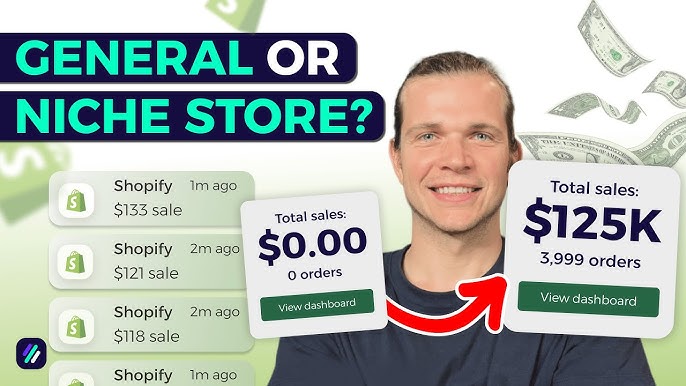
Should you build a niche store focused on a specific audience or product category, or launch a general store offering a wide range of items?
At first glance, a general store may seem like the safer, more flexible option. After all, more products mean more opportunities to sell, right? On the other hand, niche stores promise stronger branding, targeted marketing, and loyal customers—but with a narrower focus.
The truth is, both models can succeed. The real question is: which one is right for you, especially as a beginner?
This in-depth guide breaks down the differences, advantages, disadvantages, and strategic considerations of each model—helping you make an informed decision and build a sustainable online business.
Understanding the Two Models
Before comparing them, let’s define what each model looks like in practice.
What Is a Niche Store?
A niche store focuses on a specific audience, problem, or product category.
Examples include:
- A store dedicated to ergonomic office products
- A pet store focused only on cats
- A fitness store specializing in resistance bands
The goal is to serve a clearly defined group with targeted offerings.
What Is a General Store?
A general store sells a wide variety of products across multiple categories, often without a single defined audience.
Examples include:
- A store selling home goods, electronics, and fashion items
- A dropshipping site testing trending products across categories
The goal is flexibility and broad appeal.
The Core Difference: Focus vs. Flexibility
At its core, the decision comes down to:
- Niche Store = Focus, depth, specialization
- General Store = Variety, breadth, experimentation
Both approaches have strengths—but they also come with trade-offs.
Advantages of a Niche Store
Strong Brand Identity
A niche store allows you to build a clear and consistent brand.
When customers visit your site, they immediately understand:
- What you sell
- Who it’s for
- Why it matters
This clarity builds trust and credibility.
Easier Targeted Marketing
With a defined audience, your marketing becomes more efficient.
You can:
- Create tailored messaging
- Target specific demographics
- Solve a clear problem
This often leads to higher conversion rates.
Better Customer Loyalty
Customers are more likely to return when they feel a store understands their needs.
Niche stores can:
- Build communities
- Offer specialized expertise
- Develop long-term relationships
Reduced Competition (in Some Cases)
While competition exists in every market, niche stores often avoid direct competition with massive retailers.
Disadvantages of a Niche Store
Limited Product Range
A narrow focus can restrict growth if the niche is too small.
Higher Initial Research Required
Choosing the right niche requires:
- Market research
- Demand validation
- Competitor analysis
Risk of Saturation
Some niches become overcrowded quickly, especially if they trend on social media.
Advantages of a General Store
Flexibility to Test Products
General stores are ideal for experimentation.
You can:
- Test multiple products quickly
- Pivot based on trends
- Identify winning items
Broader Audience Reach
Selling across categories allows you to attract a wider range of customers.
Lower Barrier to Entry
You don’t need to define a niche immediately, making it easier to get started.
Disadvantages of a General Store
Weak Branding
Without a clear focus, your store may feel generic or untrustworthy.
Lower Conversion Rates
Customers may hesitate to buy from a store that lacks specialization.
Intense Competition
General stores compete directly with large marketplaces and established brands.
What Has Changed in 2026?
The e-commerce landscape continues to evolve, and several trends are shaping the niche vs. general store debate.
Rising Customer Expectations
Consumers now expect:
- Fast shipping
- High-quality branding
- Clear value propositions
Generic stores often struggle to meet these expectations.
Algorithm-Driven Marketing
Advertising platforms reward:
- Relevance
- Engagement
- Targeted messaging
Niche stores typically perform better in this environment.
Increased Competition
More sellers mean differentiation is more important than ever.
Content and Community Matter More
Brands that educate, entertain, and connect with audiences have a significant advantage—something niche stores excel at.
Which Model Is Better for Beginners?
The answer depends on your goals, resources, and strategy—but for most beginners in 2026, the balance is shifting.
Why Niche Stores Are Gaining the Edge
- Easier to build trust
- Better performance in targeted marketing
- Stronger long-term brand potential
When a General Store Makes Sense
A general store can still be useful if:
- You want to test products quickly
- You’re exploring different markets
- You’re using it as a stepping stone
A Hybrid Approach: The Best of Both Worlds?
Many successful entrepreneurs use a hybrid strategy.
Phase 1: General Store for Testing
- Launch quickly
- Test multiple products
- Identify winners
Phase 2: Transition to a Niche Store
- Build a brand around successful products
- Create a focused customer experience
- Scale with targeted marketing
Key Factors to Consider Before Choosing
Your Budget
Niche stores may require more upfront branding investment.
Your Timeline
General stores allow faster launch and testing.
Your Risk Tolerance
Niche stores involve more upfront commitment but can offer higher long-term rewards.
Your Marketing Skills
If you’re skilled in targeted marketing, a niche store may be more effective.
Common Mistakes Beginners Make
Choosing a Niche Too Broad
A niche should be specific enough to stand out.
Choosing a Niche Too Narrow
If demand is too limited, growth becomes difficult.
Ignoring Branding
Even general stores benefit from some level of branding.
Chasing Trends Without Strategy
Trends can be profitable—but they require careful execution.
Practical Tips for Success
Validate Demand First
Use data to confirm there is real interest in your products.
Focus on Customer Experience
Regardless of your model, prioritize:
- Clear product pages
- Fast loading times
- Reliable customer service
Build Trust Early
Include:
- Reviews
- Transparent policies
- Professional design
Think Long-Term
Short-term wins are valuable, but sustainable growth requires a clear strategy.
Realistic Expectations for 2026
Success in e-commerce is no longer about quick wins—it’s about:
- Consistency
- Differentiation
- Customer value
Both niche and general stores can succeed, but they require different approaches.
Final Verdict: Which Should You Choose?
For most beginners in 2026:
- Start with a general store if your goal is testing and learning quickly
- Transition to a niche store for scaling and long-term growth
If you already have a clear idea and audience, starting with a niche store can give you a strong advantage.
Final Thoughts
The choice between a niche store and a general store isn’t about right or wrong—it’s about strategy.
A general store offers speed and flexibility, making it a great testing ground. A niche store offers focus and branding, making it a powerful tool for building a lasting business.
In today’s competitive landscape, clarity often beats complexity. Customers want to know exactly what you offer and why it matters.
So as you begin your journey in 2026, ask yourself:
- Do you want to explore broadly or specialize deeply?
- Are you building for quick wins or long-term growth?
Your answer will guide your path—and ultimately shape your success.
Choose wisely, stay adaptable, and focus on delivering real value. That’s the foundation of any successful online store, no matter the model.