














 En
En
 9 min read
Launching an independent online store has never been easier. With accessible website platforms, global suppliers, and digital payment systems, entrepreneurs can build a brand without relying on traditional marketplaces. Yet while setting up a store is simple, choosing the right products remains the single most decisive factor in long-term success.
Many experienced sellers refer to a practical framework often called the product selection “golden formula”:
High profit margin + Lightweight logistics + Essential demand
According to this idea, a winning product must satisfy all three conditions simultaneously. But is this formula absolute? Are there exceptions? And how can entrepreneurs realistically apply it when evaluating real-world opportunities?
This in-depth guide explores the logic behind each element, how they interact, and how independent store owners can use this framework to build sustainable product strategies rather than short-lived trends.
Why Product Selection Matters More for Independent Stores
Unlike marketplace sellers who benefit from built-in traffic, independent stores operate differently.
Key differences include:
- No automatic customer flow
- Higher marketing responsibility
- Brand trust must be built from scratch
- Customer acquisition costs are higher
Because advertising often represents the largest expense, weak product selection quickly leads to unsustainable operations.
A strong product acts as a multiplier:
- Easier marketing storytelling
- Higher conversion rates
- Better repeat purchases
- Stronger brand identity
In other words, product choice determines whether marketing works efficiently or becomes endlessly expensive.
Understanding the “Golden Formula”
The formula contains three pillars:
- High Margin — financial sustainability
- Lightweight Logistics — operational efficiency
- Essential Demand — consistent customer need
Each solves a different business risk.
| Factor | Solves Which Problem |
|---|---|
| High Margin | Advertising and operating costs |
| Lightweight Logistics | Shipping complexity and scalability |
| Essential Demand | Market stability |
When combined, they create a product model capable of surviving beyond short-term hype cycles.
Pillar One: High Profit Margin — The Engine of Growth
Why Margin Matters More Than Revenue
New sellers often focus on sales volume instead of profitability. However, independent stores rely heavily on paid acquisition channels, meaning profit margins must absorb marketing costs.
A simplified breakdown:
- Product cost
- Shipping cost
- Payment processing fees
- Advertising expenses
- Returns and customer support
If margins are thin, growth amplifies losses rather than profits.
Characteristics of High-Margin Products
High-margin products typically have:
- Strong perceived value
- Differentiation or branding potential
- Low manufacturing cost relative to retail price
- Emotional or problem-solving appeal
Examples include:
- Specialty lifestyle accessories
- Personal wellness tools
- Customized products
- Niche hobby equipment
Customers pay for outcomes, convenience, or identity—not just materials.
Psychological Pricing Advantage
Products with higher perceived value allow flexible pricing strategies:
- Bundling
- Premium positioning
- Subscription models
- Limited editions
These options create additional revenue opportunities unavailable to low-margin goods.
Pillar Two: Lightweight Logistics — The Hidden Profit Multiplier
Logistics quietly determines whether a product scales smoothly or becomes operational chaos.
What “Lightweight Logistics” Really Means
It does not only refer to physical weight. Instead, it includes:
- Size and dimensional shipping cost
- Fragility risk
- Customs complexity
- Storage requirements
- Return handling difficulty
A lightweight logistics product is easy to move globally with minimal friction.
Why Logistics Break Many Stores
Common issues include:
- High international shipping fees
- Damage during transport
- Long delivery times
- Complex packaging
- Expensive returns
Each problem increases customer service workload and reduces profitability.
Ideal Logistics Characteristics
Products aligned with efficient logistics are typically:
- Compact
- Durable
- Non-fragile
- Non-liquid
- Non-regulated
They fit easily into standardized shipping systems, reducing operational uncertainty.
Pillar Three: Essential Demand — Stability Over Trends
Essential demand refers to products people consistently need or repeatedly purchase, rather than temporary viral items.
Difference Between Trend Products and Essential Products
| Trend Product | Essential Product |
|---|---|
| Short popularity spikes | Continuous demand |
| High competition waves | Stable audiences |
| Price wars common | Brand loyalty possible |
Trend-driven stores may generate fast revenue but often struggle with long-term sustainability.
Essential-demand products provide predictable sales patterns.
Categories With Built-In Demand
Examples include:
- Daily-use lifestyle items
- Home improvement accessories
- Personal care solutions
- Pet products
- Organization tools
These products solve recurring problems rather than momentary curiosity.
Why the Three Elements Work Together
Each pillar compensates for weaknesses in the others.
High Margin Without Essential Demand
Result:
- Expensive customer acquisition
- Inconsistent sales cycles
Essential Demand Without Margin
Result:
- Sales grow but profits remain minimal
Lightweight Logistics Without Demand
Result:
- Efficient operations but insufficient customers
The formula works because it balances financial, operational, and market realities simultaneously.
Are All Three Truly Non-Negotiable?
The short answer: almost—but not always.
Experienced sellers sometimes succeed with only two pillars, but trade-offs increase risk.
Scenario 1: High Margin + Essential Demand (Heavy Logistics)
Examples:
- Furniture
- Fitness equipment
Success requires:
- Local warehousing
- Higher capital investment
- Advanced logistics planning
Barrier to entry is higher.
Scenario 2: Lightweight Logistics + Essential Demand (Lower Margin)
Examples:
- Commodity accessories
Success depends on:
- Strong branding
- High repeat purchase rates
- Operational efficiency
Profitability becomes volume-driven.
Scenario 3: High Margin + Lightweight Logistics (Non-Essential Products)
Examples:
- Novelty gadgets
These may perform well short term but require constant product discovery.
Applying the Golden Formula Step by Step
Step 1: Evaluate Margin Potential
Ask:
- Can this product sell at 3–5× sourcing cost?
- Does branding increase perceived value?
- Can bundles increase average order value?
If margins cannot support advertising, scaling becomes difficult.
Step 2: Analyze Logistics Complexity
Checklist:
- Shipping weight under 2 lbs
- Fits small parcel categories
- Low breakage risk
- Simple packaging
- Easy international compliance
The fewer logistics variables, the easier global expansion becomes.
Step 3: Validate Demand Stability
Research indicators:
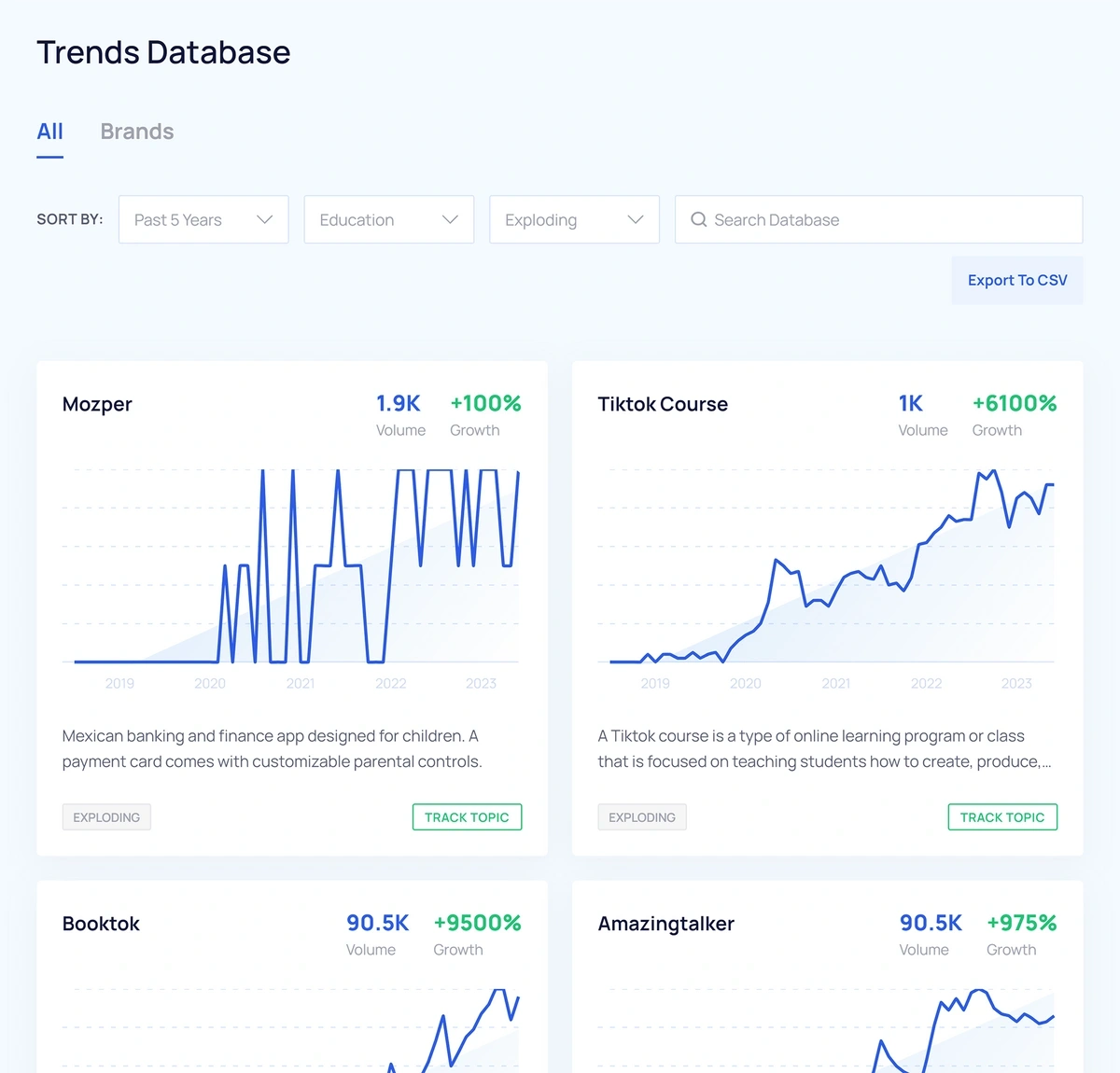
- Consistent search interest over time
- Active communities or user groups
- Repeat purchase behavior
- Problem-solving utility
Stable demand reduces dependence on constant advertising experimentation.
The Role of Branding in Strengthening the Formula
Branding amplifies all three pillars.
Increasing Margin
Brand perception allows premium pricing.
Simplifying Logistics
Standardized packaging improves shipping efficiency.
Reinforcing Essential Demand
Customers return to trusted brands instead of competitors.
Independent stores benefit uniquely from brand-building compared to marketplace sellers.
Data Signals That Indicate a Strong Product Fit
Look for:
- Organic user discussions online
- Customer reviews highlighting problem-solving benefits
- Multiple use scenarios
- Upgrade or accessory ecosystems
Products with ecosystems often generate repeat revenue.
Common Product Selection Mistakes
Chasing Viral Trends
Short-lived demand leads to unstable revenue cycles.
Ignoring Shipping Costs Early
Unexpected logistics expenses destroy margins after launch.
Overestimating Market Size
Large markets often mean intense competition.
Choosing Products Without Differentiation
Independent stores must offer something beyond price competition.
Building a Product Portfolio Using the Formula
Instead of relying on one product, successful stores build layered portfolios.
Core Products
Meet all three formula conditions.
Expansion Products
Complement core offerings and increase order value.
Experimental Products
Test emerging opportunities without risking core stability.
This approach balances innovation with predictability.
How Customer Experience Supports Product Success
Even perfect products fail without strong customer experience.
Key elements include:
- Clear product education
- Fast response times
- Transparent shipping expectations
- Easy returns
Positive experiences transform one-time buyers into repeat customers, reinforcing essential demand.
Long-Term Thinking vs Short-Term Profit
Independent stores thrive when founders think beyond immediate revenue.
Long-term advantages include:
- Brand equity
- Customer lifetime value
- Lower advertising costs over time
- Community-driven growth
The golden formula encourages strategic thinking rather than reactive selling.
Future Trends in Independent Store Product Strategy
Emerging patterns shaping product selection include:
- Functional lifestyle products
- Sustainability-focused goods
- Compact multi-use items
- Personalization options
- Products supporting remote lifestyles
These trends naturally align with high margin, lightweight logistics, and essential demand principles.
A Practical Evaluation Framework
Before launching a product, rate it from 1–5 in each category:
| Criteria | Score |
|---|---|
| Profit Margin Potential | |
| Logistics Simplicity | |
| Demand Stability |
Products scoring high across all categories typically offer stronger long-term viability.
Final Thoughts: A Formula for Sustainable Growth
The “golden formula” of independent store product selection—high margin, lightweight logistics, and essential demand—is not a rigid rule but a powerful strategic compass.
Each element addresses a fundamental challenge:
- Margin sustains marketing.
- Logistics enables scalability.
- Demand ensures longevity.
While exceptions exist, products missing one pillar usually require compensating strengths in operations, branding, or capital.
For entrepreneurs building independent stores, success rarely comes from luck or viral moments. Instead, it emerges from thoughtful product selection aligned with real business mechanics.
When all three elements work together, products become more than items for sale—they become the foundation of a resilient, scalable, and brand-driven business capable of thriving in an increasingly competitive digital landscape.