














 En
En
 18 min read
In 2025, dropshipping is a crowded marketplace—everyone wants a slice of the market. The competition is tough, and making a mark could take an Everest-sized effort. But, hey, don’t be intimidated by that. It’s not so much luck in this game, it is working smart. So whether you’re newly carnival qualified in dropshipping, or ready to take your one-woman show to the next level, we’ve got the strategies you need to increase sales, scale like a boss, and remain top of the queue. Let’s dive in!
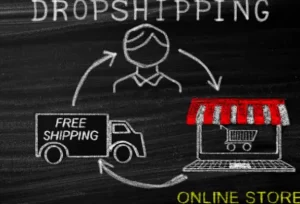
15 Best Dropshipping Tips to Boost Your Dropshipping Business
Focus on a Niche
“Everything for everyone” approach? That’s like being a superhero with no superpowers—exhausting and useless. Instead, narrow in on a specific niche — something you’re passionate about or something with obvious good demand. Why? Because niches allow you to differentiate yourself in a forgettable market. They can help establish your brand as a sought-out authority, rather than simply a “we sell it all” shop.
 Source:Oberlo
Look at it this way: would you believe a store that offers yoga mats, fishing rods and smartphone cases at the same time? It shouts, “We don’t do anything well!” A story that sells only premium yoga gear, on the other hand, establishes instant trust and authority with yoga aficionados.
A well-niche also carves your marketing efforts sharper. Instead, you’ll know exactly who your audience is, their interests, and how to catch their attention. When you stop diluting your message by trying to appeal to everyone, you can instead speak directly to those people who are most likely to buy from you.
So find your niche and own it, whether it’s eco-friendly baby products, snazzy pet accessories or high-tech gadgets for gamers. That’s how you differentiate your brand from others and create a loyal clientele that continuously visits.
Find the Right Suppliers
Without a reliable supplier, you have no dropshipping business. They can literally make or break your reputation. Dependable sources ensure quality products and timely shipping, but, most critically, satisfied customers return. An unreliable supplier, on the other hand, can lead to delays and poor quality goods, as well as an avalanche of customer complaints.

Solutions like DropSure make it easy — you can reach reliable suppliers across the world. You will gain access to a network of vetted partners, allowing you to verify the quality of products, manage logistics, and secure on-time deliveries more easily.
Also, with a platform like DropSure, you don’t have to deal with supplier drama at all—because you won’t have to endlessly email back and forth negotiating terms and wondering whether your products will show up as promised. It’s all about peace of mind, and the ability to focus on what truly matters: growing your business and taking care of your customers.
Maintain a Consistent Branding Image
 Source:Ebaqdesign
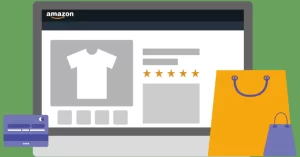
Make Product Listings Professional
 Source:
Price Products Reasonably
Finding the right pricing can feel a bit like walking a tightrope, but it’s so important. Charge too much, and you risk turning away prospective customers. Price too low? You might as well be giving your products away for free—because there won’t be enough profit margin left to scale your business.
How then do you find that sweet spot? Research your rivals (that’s where to go for starters). How much are they giving for similar products? Now you have a baseline to compare against. Next, accurately calculate your costs — including shipping costs, advertising costs, and any applicable tariffs.
Once you have the numbers, shoot for a fair price that’s competitive but allows you to still make a profit. Just keep in mind that customers will pay a few more dollars when you offer something extra that they can’t get elsewhere, whether it be higher quality, better service, or faster shipping. It’s a balancing act between making the product valuable enough that it gives folks what they need, at a price that will keep you both happy.
Marketing and Sales Strategies
Experiment with AI tools to identify trends, forecast customer preferences, and even write ad copy. Combine that with the power of Instagram ads, which help you target your precise audience with scroll-stopping, creative imagery of your products.
Got a niche? Start making noise where your audience is hanging out. Social networks like TikTok and YouTube are goldmines for finding your dream customer. Please have tone by creating attractive, shareable posts to show your brand voice and products. And the influencer partnerships, don’t forget about those — they can lend your brand instant credibility and access to a built-in audience.
The secret is to combine all of these strategies until you discover which one suits your brand. AI-backed campaigns or viral TikTok challenges; marketing tools are ever-evolving but grow your visibility and, more importantly, sales by the right marketing tools.
Be Prepared to Invest
For one, someone like DropSure can save you time and headaches by managing operations, providing you access to the best of suppliers, and keeping your logistics running smoothly.
And let’s talk marketing. Allocating a substantial budget for campaigns — whether they be Instagram ads, influencer collabs, content generation — often feels like a daunting investment, but it definitely will pay dividends over time. These work not only to increase sales but to create awareness and loyalty to keep customers returning.
Consider these investments as seeds you’re planting for future returns. Sure, it costs money upfront, but the reward makes it worth it. When you’re thoughtful about where you deploy your budget, those expenditures often result in long-term capital returns—and that’s how you grow a successful enterprise.
Use Limited-time Discounts and Offers
“Only 24 hours left!” —those four little words work wonders. Why? Because humans despise fear of missing out. Urgency in the form of time-sensitive offers or seasonal promotions plays into that fear of missing out (FOMO) and provides on-the-fence buyers the extra push they need to click Buy Now.”
 Source:Kenko
Think flash sales, countdown timers, or time-sensitive perks. For example: “Save 20% today only!” or “12-hour only free shipping!” The promotions generate quick sales and also create a buzz around your brand.
The trick? Keep it genuine. Don’t offer constant “urgent” sales, or else your customers will stop believing in them. Apply these techniques greyscale and exclusively to lessen their effect and relevance. Urgency is effective when it’s special — and your customers will appreciate it (by purchasing, of course!).
Always Reward Repeat Customers
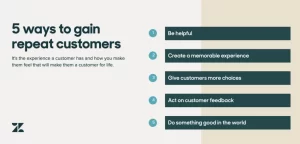
New customers are nice, but repeat ones? They’re the real MVPs. Why? Because they’re more likely to buy again, refer your brand, and keep your business alive. So, while you shouldn’t just be bringing in new customers, share a little love with those who already know and love you.
How? Offer special discounts, just for them. Everyone likes to feel special, and a discount of ‘Thank you’ can do wonders. Add a little something extra to the pot with freebies — perhaps a small gift with their next purchase or free shipping for repeat buyers.
 Source: Zendex
Want to go the extra mile? Launch a loyalty program. Points awarded for each purchase that customers can redeem for discounts or free items. Not only does this encourage repeat visits, but it also creates a feeling of exclusivity.
Bottom line: making small gestures of appreciation matters. Make your loyal customers feel like VIPs — they’ll thank you with repeat business, and likely a couple of glowing referrals, as well.
Provide Outstanding Customer Support
Customer service is not just a department — it’s the pillar of your dropshipping success. Why? Because satisfied customers return, shop again and tell their friends about you.
The magic entire is quick, helpful responses. When a customer has a question or issue, they expect answers now—not tomorrow. Whether that’s answering a question about a product or fixing a shipping glitch, snappy responses tell customers you care. And believe me, that’s enormous in terms of building loyalty.
But don’t stop at speed. You help us out in spades. Tailor your responses, provide solutions, and check in to ensure that the issues have been addressed. It takes just a little effort to turn a frustrated buyer into a lifetime fan.
And here’s the cherry on top: providing good customer service allows you to avoid the bad reviews. Take care of problems, and customers are not as likely to go public with their dissatisfaction. Instead, they may simply commend your professionalism — and that’s the sort of publicity every brand dreams of.
Be Your Own Customer
Here’s a little pro tip: be your own customer. No kidding, walk your store as if you were a first-time customer. Add items to your cart, pay and track the delivery. How smooth was the process? Were there any frustrating roadblocks you hit?
This little exercise feels like putting a detective hat on your business. Perhaps the checkout page is slow to load, or your product descriptions fail to address vital questions. Maybe the packaging seems flimsy, or the delivery is slower than you’d like.” Avoid It: These small slipups can accumulate and lose you sales.
Because you’ll be experiencing your store firsthand, you’ll identify weaknesses — whether it’s a confusing layout, subpar products, or obscure messaging. Then you can correct them before they become a deal breaker for your buyers.
After all, the better experience you create, the more likely customers are to return—and praise your store. So, act as if you’re your best customer and see where that takes you.
Keep Tabs on Competitors
Your competitors aren’t the enemies—they’re your secret mentors. No, really — there’s so much we can glean from what they’re doing right (and wrong). Submerge yourself in their products, pricing model, and marketing tactics. Whats soaring off their virtual shelves? What sort of promotions do they have? How do they relate to their audience?
Here’s the fun part: Instead of copying them, outsmart them. Identify the gaps in their program and offer your unique spin to fill those gaps. Perhaps they’re offering similar goods but have no personal touch to their marketing. Or maybe their shipping is slow, leaving you an opportunity to shine with quicker delivery.
Even their missteps can teach you something. Negative reviews can tell you what customers hate—and provide you an opportunity to improve. Studying their successes and failures will provide you with insights to sharpen your strategy and give you your own market space.
In a nutshell, use your competitors as motivation, not beef up your fears. Albeit with a touch of observation and creativity, you can pare their playbook into your winning plan.
Join Dropshipping Communities
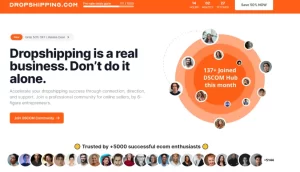
Dropshipping can often feel like you’re on your own, but the reality is? You’re not alone out there! You’re part of a vast world of dropshipping communities and forums populated by people very much like yourself—dreaming big, overcoming obstacles, and achieving success.
 Source:Dscom
These groups act as your own fucking support system on speed dial. Want advice on how to find the right supplier? Somebody’s been there and done that. Flummoxed by difficult customers? You’ll discover stories, advice and a little bit of levity to help you do it.
They’re not only for solving problems in these spaces. They’re goldmines too, for inspiration. Other dropshippers may share marketing hacks, trending products, or tools like DropSure that have helped grow their businesses. Plus, it’s reassuring to have a community rooting for your successes — and helping you through the hard days.
So tack onto those forums or social media groups. Post about your experiences, learn from other, expand your circle. And because in dropshipping a small community works wonders.
Stay in Communication with Suppliers
Keeping in touch with some suppliers is like oiling your engine: ABSOLUTELY NECESSARY! Regular communication has helped you stay abreast of stock availability, shipping timelines a And quality a And all of the products.
Imagine promising a product is “in stock” and then it is not. Or finding out that there are shipping delays when your customer’s already on the line. That’s the type of thing that can hurt your reputation. But you can eliminate such surprises with regular check-ins with your suppliers.
See your suppliers as partners, not simply vendors. Maintain-open lines for updates, offer a forecast for busier seasons, and establish a rapport. When they know you appreciate their partnership, they’re more likely to prioritize your orders — and even tip you off to hot new products.
Effective communication doesn’t only ensure everything gets done — it allows you to communicate what you deliver to customers. Nothing builds trust quite like a business you can rely on from A to Z.
Contact a Dropshipping Agent
Dropshipping agents are your secret weapon. They lift the heavy load so you can attend to business growth. Take DropSure as an example — it’s an all-in-one dropshipping solution. They do everything from sourcing products to handling logistics and tracking orders.
Here’s why that’s a big deal: rather than juggling multiple suppliers, stressing over shipping hiccups, or stressing over tracking nightmares, DropSure does the unsexy part all at once, and stress-free. Just think of all the time you’ll save when you’re not crunching the numbers on logistics or stalking suppliers for information.

But it’s not just a matter of saving time. Agent based professional support makes you get to scale way faster. Moreover, their expertise would help you expand your product, enter new markets, retain your customers with reliable services, etc.
To summarize, dropshipping agents allow you to do your business smartly, that is to say, without wasting much effort. They’re the shortcut to streamlining your business — and making it so much less stressful. So instead of trying to make sense of all this yourself, how about leaving all the hard stuff to the pros, and letting you keep doing what you do best, which is growing your brand?
Conclusion
Ready to level up your dropshipping business? Implement these tips and let tools like DropSure give you a competitive edge. From connecting with global suppliers to streamlining logistics, DropSure is the one-stop platform you need to succeed. Why wait? Sign up today and watch your dropshipping journey become smoother and more profitable than ever!