En
En
 15 min read
Creating a successful dropshipping store starts with choosing the right niche.A well-defined niche helps you identify your target audience and select products that will resonate with your customers.
Deciding on a dropshipping niche can feel daunting. Should you focus on products you’re familiar with and passionate about? Or go with a niche that’s trending locally or internationally? How can you be sure your products will sell?If you’re ready to open a dropshipping store but aren’t certain where to begin, this guide will help you pinpoint the best niche for your business.
Now that you’re inspired to find the perfect focus for your store, let’s dive into the essentials:
What is Dropshipping Niches?
A niche market is a specialized segment focused on specific products or services designed to meet the unique needs of a particular customer group. Compared to a broad market, a niche market often faces less competition and fosters higher customer loyalty due to its targeted approach to satisfying distinct consumer preferences.
In dropshipping, merchants can sell products within their chosen niche without the need to purchase and store inventory upfront. This approach offers flexibility, allowing you to test market demand and quickly adjust your product selection with minimal risk.
We can better understand the range of niche markets by looking at examples across various industries:
Health and Fitness
In this sector, you might focus on specific fitness needs, such as high-intensity training equipment, yoga gear, or dietary supplements. These products cater to consumers dedicated to a healthy lifestyle and help them meet specific fitness goals.
Pet Supplies
For pet enthusiasts, targeting a market dedicated to a particular type of pet (such as dogs, cats, or small animals) enables you to provide specialized food, toys, or grooming products that fulfill pet owners’ specific needs.
Eco-Friendly Products
As environmental awareness grows, a market focused on eco-friendly products (like reusable household items or biodegradable packaging materials) attracts consumers interested in sustainable living.
Personalized Goods
Whether it’s custom jewelry, personalized gifts, or tailored clothing, the personalized goods market draws customers seeking unique and special items.
With a clear understanding of niche markets and their potential, the next step is to put this knowledge into action. Finding the ideal dropshipping niche is key to differentiating your business and creating a dedicated customer base. So, how can you discover the perfect niche for your store? Let’s explore effective strategies and tools to help you identify profitable niches that align with both your strengths and market needs.
How to Find Your Dropshipping Niches?
1. Leverage research tools to understand your audience better.
Google Trends
Google Trends is a website that shares anonymized aggregate data of people’s online searches. By randomly sampling billions of daily searches, it measures the relative volume of search queries and their trends over time since 2004.
After entering an initial search term in Google Trends, check the “Related Topics” section at the bottom of the page. This area displays other keywords and topics related to your search term, helping you identify potential niche markets. For instance, searching for “outdoor sports equipment” might reveal topics like “lightweight outdoor gear” or “specialized equipment for specific sports (e.g., climbing gear, trail running gear),” which could point toward niche market directions. Toggle between the “Rising” and “Top” options to assess the performance of each related keyword. “Rising” keywords may represent emerging niche market trends, while “Top” keywords are popular areas where you can explore segmented niches.

Pro tip: Remember, some topics and products can be seasonal. This means that depending on the time frame you’re viewing, the results may vary significantly.
Google Keyword Planner
In addition to Google Trends, use Google Keyword Planner to explore what people are searching for within your niche. This tool helps you pinpoint relevant keywords and analyze their search volumes, giving you valuable insights into demand and interest.You can also leverage the Planner to refine your ad campaigns. It provides bid estimates for each keyword, helping you optimize your advertising budget for maximum impact.
2.Focus on Niches with High Demand for Accessories
Choosing a niche with a high demand for accessories can provide a stable revenue stream for your dropshipping business. These markets typically offer not only primary products but also a wide range of add-on items that encourage repeat purchases. For instance, categories like electronics, outdoor sports, pet supplies, and fitness equipment often drive demand for accessories such as phone cases, trekking poles, pet toys, and workout bands.
The advantage here is that while customers may only need to buy a primary product once, accessories are frequently replaced due to wear, style updates, or new functional needs, offering you ongoing sales opportunities. Additionally, by providing related accessories, you can position your brand as a “one-stop shop” for customers, increasing customer loyalty. Plus, since smaller items usually have lower shipping and return costs, they create more flexibility and profit potential within the dropshipping model.
In short, choosing a niche with an extensive accessory selection allows you to diversify your product offerings, boost customer retention, and improve both profitability and customer satisfaction.
3.Look for Trendy Products You Can’t Find Locally
Offering trendy, hard-to-find products can give your dropshipping business an edge. When customers can’t find a product nearby, they’re more likely to buy online, especially if it’s unique. By staying updated on global trends through tools like Google Trends and social media, you can be one of the first to offer these sought-after items.
This approach reduces competition with local stores and attracts customers looking for exclusive, in-demand products. Unique tech gadgets, fashion accessories, or niche decor items are great examples—customers are often willing to wait for delivery if it means getting something special.
Finding your dropshipping niche isn’t just about choosing popular products; it’s about identifying opportunities that fulfill real needs and offer sustainable profits. You’ll need to evaluate market data, consumer trends, and think about how your products can solve customer pain points. Next, we’ll explore some of the most profitable dropshipping niches for 2024, complete with data and examples to help you pinpoint the right entry points.
The 8 Most Profitable Dropshipping Niches
1.Eco-Friendly & Sustainable Products
With the rise of global warming and environmental awareness, more consumers are paying attention to eco-friendly products. Statista’s data shows that by 2024, the global eco-friendly market will grow to $950 million, with younger generations particularly prioritizing sustainability in their buying decisions. Many consumers are willing to pay a premium for sustainable products, especially those emphasizing conservation and resource efficiency. Entering this niche not only aligns with market trends but also conveys a positive brand message.
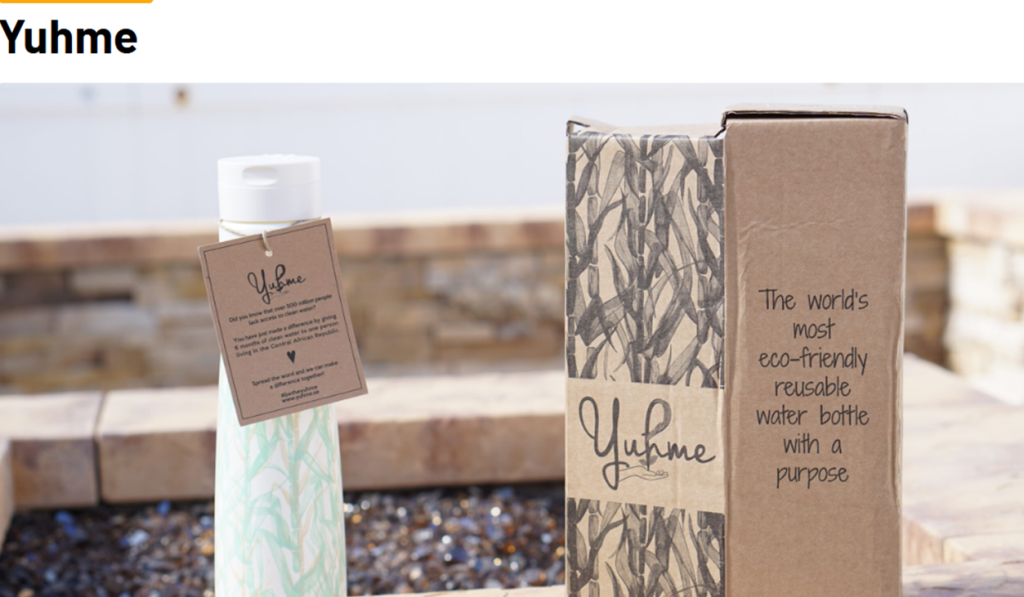
Yuhme, for instance, is a dropshipping store specializing in eco-friendly water bottles made from biodegradable and recycled plastic. Despite being slightly more expensive than regular bottles, many customers are happy to pay extra for the eco-conscious aspect. Yuhme’s success shows that as long as the product is distinctive and aligned with sustainability values, it can attract a loyal customer base and achieve long-term profitability.
2.Health & Wellness
As people become more health-conscious, the demand for health and wellness products has surged. The global health and fitness market is expected to reach $500 billion by 2024, with high demand for home fitness products and wellness supplements. Many consumers are looking for ways to improve their quality of life through a healthier lifestyle, creating a substantial market for health and wellness products.
Gymshark is a successful example, initially selling fitness products online and quickly expanding its customer base through social media influence. For new dropshipping stores, small fitness equipment like resistance bands, yoga mats, or foam rollers is a great entry point, providing consumers with convenient options for at-home exercise.
3.Home Office & Productivity Tools
Remote work has gradually become the new normal for many, and the demand for home office equipment has grown significantly. According to Forrester, remote work levels are expected to remain high in 2024, driving demand for home office and productivity tools. More consumers are looking to enhance the comfort and efficiency of their home offices, making affordable office products a good choice for dropshipping stores.
Some successful dropshipping stores focus on ergonomic office supplies like adjustable laptop stands and chairs, which have been performing well. Showing customers how these products can improve their work experience through product videos not only helps them make informed purchasing decisions but also effectively boosts sales. These videos clearly demonstrate the product’s real-world benefits, increasing users’ purchasing intent.

4.Pet Supplies
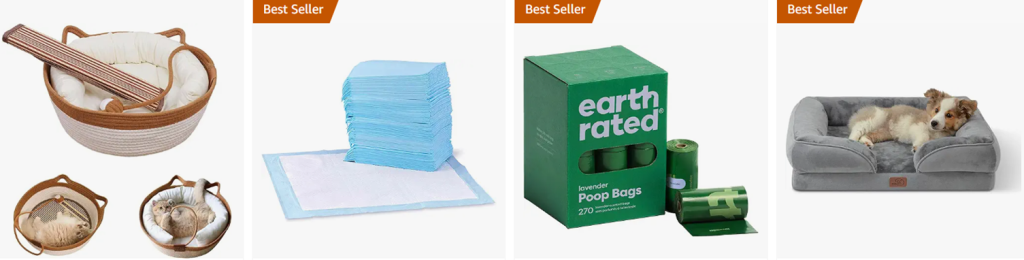
The pet market has expanded significantly in recent years, with strong demand for pet products. According to Grand View Research, the global pet market will reach $210 billion by 2024, with pet toys, feeders, and health products being particularly popular. Pet owners are not only looking for functional products but also want stylish, fun options for their pets, which provides rich opportunities for dropshipping stores in this niche.
Large platforms like Chewy have succeeded by offering personalized and innovative pet products. For new dropshipping stores, trying out creative pet products like smart feeders or interactive toys can help attract a younger generation of pet owners. These products appeal to the modern pet-owning demographic, keeping up with consumer trends.
5.Smart Home & Tech Accessories
As technology advances, smart home products are becoming more accessible, and the market potential is huge. According to Statista, the global smart home market is expected to reach $180 billion by 2024. Consumers are increasingly interested in smart home devices like smart plugs and video doorbells, which enhance their quality of life at home.
For dropshipping stores, smart plugs and LED light strips are affordable, easy-to-install products that are ideal starting points. These products meet consumers’ demand for “plug-and-play” convenience and are generally high in demand. Additionally, product demonstration videos can help dropshipping stores showcase the benefits of these items, inspiring customer interest.
6.Outdoor Activities & Adventure Gear
With the popularity of outdoor activities, especially camping and short adventures, the demand for outdoor gear is continuously growing. Outdoor Industry data suggests that the global outdoor gear market will grow by 5% in 2024, with portable camping equipment and small outdoor tools particularly in demand. For consumers who love adventure, portable and functional gear is a top choice.
Some successful dropshipping stores focus on portable solar chargers, foldable chairs, and multi-functional tools, which are popular among outdoor enthusiasts. These products are not only convenient to carry but also meet various outdoor needs, making them a hit in the market. By promoting practical products, dropshipping stores can attract a customer base that is passionate about the outdoors.
7.Self-Care & Beauty Tools
With the increasing focus on self-care, the demand for beauty and personal care products has surged. The market is expected to reach $170 billion by 2024, with at-home beauty devices like facial cleansing tools and LED masks becoming popular. Consumers enjoy the “DIY beauty” experience at home, offering a great dropshipping opportunity in beauty tools.Many dropshipping stores have seen good profit margins from selling portable beauty tools. Product videos that show the effects of items like LED masks or beauty massagers attract more consumers to try them. These products are also very popular on social media, helping stores boost sales through word-of-mouth marketing.

8.Tech Wearables & Accessories
As technology becomes more widespread, smart wearables are increasingly common, especially among younger consumers. Allied Market Research estimates that the market for smart wearables will reach $720 billion by 2024, with demand for smartwatch accessories and fitness trackers on the rise.
Tech products that combine style and functionality attract a large number of consumers, offering a great opportunity for dropshipping stores in this area.For example, some dropshipping stores have attracted tech enthusiasts by selling smartwatch bands and wireless earbuds. These accessories not only offer good value but also fit well with a range of wearable devices, making them popular among younger consumers. These products meet consumers’ daily needs and appeal to those seeking personalization, thanks to their variety of styles.

Dropshipping Niches You Need to Avoid
While there are plenty of profitable dropshipping niches, some markets pose too many challenges or risks, making them unsuitable. Here are a few niches to steer clear of:
Heavy or Bulky Items (eg.Furniture)
Furniture or other large, bulky items may seem appealing due to their high price tags, but they come with major downsides. Shipping costs for these items are often high, which can lead to low profit margins or exorbitant costs for your customers. Additionally, returns and damage claims are frequent, especially for fragile items, adding further risk and expense. Furniture logistics require special handling and warehousing that can complicate the dropshipping process, making it a difficult niche to manage effectively.
Pharmaceuticals and Medical Supplies
The pharmaceutical and medical supply industries are heavily regulated for good reason: customer health and safety are at stake. Dropshipping products like medications, supplements, or even certain types of medical equipment requires strict quality control and regulatory compliance, which is almost impossible to ensure with traditional dropshipping. Unauthorized products can lead to legal issues and endanger customers’ health, making this a niche best avoided.
Electronics and High-Tech Products
While the tech industry is popular, it can be a risky niche due to high defect rates, short product life cycles, and complex customer support needs. Electronic items often have technical issues, leading to high return and replacement rates. In addition, new models and updates render products obsolete quickly, and returns or repairs are often costly. Dropshipping doesn’t allow you to inspect these items firsthand, making it difficult to ensure quality and keep up with market demands.
Luxury and Counterfeit-Prone Products
Branded luxury items, like designer bags, jewelry, or high-end watches, are high-risk due to counterfeiting issues. Dropshipping such items without a reliable and authorized source can lead to serious legal issues and loss of customer trust if counterfeit goods are delivered. Even if you’re confident in your supplier’s authenticity, customers are often skeptical, which can result in low conversion rates in this niche. Additionally, luxury items often require premium customer service that can be hard to deliver via dropshipping.Avoiding these niches helps minimize customer service headaches, legal risks, and profit-loss situations common to dropshipping high-risk items. Instead, focus on low-risk, manageable niches with consistent demand and lower liability concerns.
If you’re looking for more tips on finding the best dropshipping products, click to read our article The 8 Tips to Know When Choosing Dropshipping Products .
Conclusion
When it comes to dropshipping, choosing the right niche is crucial for success. While niches like eco-friendly products, health and wellness, and tech accessories have great potential, others—such as bulky items, medical supplies, and luxury goods—pose high risks and can lead to customer service headaches, legal issues, and low profitability.
At Dropsure, we’ve done the research to offer a range of profitable, low-risk niches ready for dropshipping, so you can focus on what works best. Explore our curated products and find the perfect items to start your store confidently.
Sign up for Dropsure here and get started with our DropSure.