En
En
 14 min read
Have you thought about dropshipping through Walmart? Walmart is one of the biggest retailers in the world, and with the rise of Walmart online shopping, it’s becoming an even bigger player in the e-commerce space. But what can it really offer dropshippers? Today, let’s explore how Walmart can impact your dropshipping business and see if it could be the secret to your success!
Walmart is more than just a big supermarket. It’s also a major player in e-commerce, with a strong presence online. Many sellers are already working with Walmart in the e-commerce space. So, if you’re thinking about starting dropshipping, Walmart is definitely worth considering. Now, let’s answer a big question: “Does Walmart offer dropshipping services?” Let’s see how Walmart can support your dropshipping business.
Contents
ToggleWhat is the scale of Walmart’s e-commerce business?

From 2022 to 2024, Walmart’s e-commerce business has continued to grow and gradually become a key driver of the company’s expansion. In 2022, Walmart’s U.S. e-commerce sales reached $73 billion, with particularly strong performance in online groceries, where it captured 37% of the market share. In comparison, Amazon still holds a dominant position in the e-commerce market, but Walmart has gained a significant advantage, particularly in food retail, by integrating its online and offline businesses more effectively.
In terms of user engagement, Walmart’s e-commerce platform attracted over 150 million active users in 2022, while Amazon’s Prime membership surpassed 200 million globally, showing that Amazon’s user base is still far ahead. However, Walmart is narrowing this gap by launching membership services and optimizing the shopping experience. By 2023, Walmart’s e-commerce sales continued to grow, and it’s expected to approach $80 billion in 2024, with much of this growth driven by Walmart’s strategy of integrating online and offline services.
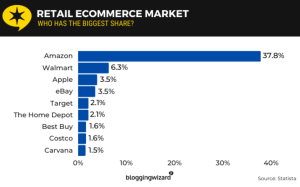
Source:http://bloggingwizar
Based on Statista‘s data, Walmart holds a 6.3% market share in the U.S. retail e-commerce market, ranking second. Although this figure is lower than Amazon’s 37.8%, it still highlights Walmart’s important position in the industry. Calculated against the scale of the U.S. retail e-commerce market, Walmart’s 6.3% market share translates into substantial sales figures, further solidifying its status as a major player in the e-commerce space.
Does Walmart Have a Dropshipping Service for Products?
Many people think Walmart offers an official dropshipping service, but that’s not true. Walmart doesn’t have a dedicated dropshipping service. In other words, Walmart won’t directly offer you a “make money easily” dropshipping opportunity. Its Marketplace allows third-party sellers to list products, but this is different from offering a dropshipping service.
Simply put, you can’t buy products directly from Walmart’s website and ship them to your customers. Doing so can be risky. Why? Because Walmart has its own platform rules that sellers must follow. If you try to buy from Walmart and resell to customers, you could run into issues like out-of-stock products or shipping delays.
So, while Walmart doesn’t offer a dedicated dropshipping service, its online Marketplace does let third-party sellers list products. You can use Walmart’s logistics system to fulfill orders. In theory, you can work with suppliers through Walmart’s supply chain to run your dropshipping business. But, you’ll need to choose suppliers that follow the rules to avoid potential problems.
How to Dropship from Walmart
So, since Walmart doesn’t offer an official dropshipping service, how can we still use it for dropshipping? The process isn’t complicated, but the key is avoiding potential pitfalls and optimizing your workflow. Here are some simple steps to help you dropship successfully from Walmart:
Choose an E-commerce Platform
First, you need an e-commerce platform to sell your products. Common options include Shopify, eBay, Amazon, and DropSure. Each platform has its strengths, so choose the one that fits your needs.
For example, Shopify offers fully customizable store designs, great for building a brand from the ground up. eBay and Amazon are ideal if you’re looking for faster market entry and instant traffic generation, with a large customer base already in place.
If you’re looking for a platform that streamlines the entire dropshipping process with automation and helps you connect with high-quality suppliers, DropSure might be the best fit. DropSure not only simplifies order processing but also handles logistics and inventory management, letting you focus more on marketing and customer engagement.

Pick a platform you’re familiar with and can easily manage — but don’t forget to consider what works best for your specific business model and goals!
Find the Right Niche
When you’re ready to start dropshipping through Walmart, choosing the right product niche is crucial. Finding a niche with high demand but relatively low competition can make your dropshipping business more likely to succeed. A good niche typically has these features: stable demand, positive customer reviews, and relatively low competition.
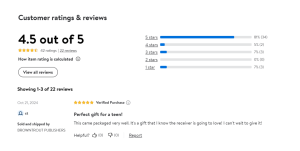
Start by browsing different product categories and checking their customer reviews and ratings to get an idea of how interested consumers are in certain products. Hot-selling items often have a large number of reviews and high ratings. These products not only show that there’s strong demand in the market but also indicate that they’re of good quality, as reflected by the positive feedback.
Source: Walmart
It’s also important to analyze the competition. You can search for specific keywords and see how many sellers are offering the same type of product. If you find that too many competitors are selling in a niche, you might want to rethink your choice and look for markets with less competition. On the other hand, if a niche has high demand but few competitors, it’s often a great opportunity to explore.
Place Orders and Ship
Once a customer places an order on your platform, you can buy the product from Walmart and have it shipped directly to them. This is the core of dropshipping. The key is to ensure the product is in stock and can be shipped quickly. This helps avoid delays that could frustrate customers. For Walmart, look for products with “fast shipping” or “ready to ship” labels to ensure timely delivery.
5 Best Items to Dropship from Walmart
Now, let’s talk about the best products to dropship from Walmart. After all, you don’t want to sell items with super high competition, right? What you want are products that offer good profit margins with less competition. Choosing the right products will help you stand out in the market and earn more profits.
Here are some product categories that are stable in demand and generally face less intense competition:
Home Goods
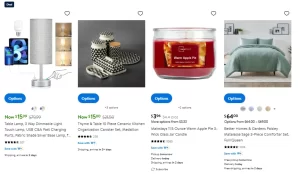
Home goods are always in steady demand, especially items like bed sheets, pillows, tables, and chairs. These products not only have long-term demand but are also frequently replaced, with consumers buying new ones every year. Home goods have great market potential, and they’re usually moderately priced, offering solid profit margins.
The advantage of home goods is that they’re suitable for long-term business. Unlike some seasonal items, they don’t become outdated quickly. You can build your own home goods brand and gradually attract loyal customers.
Fitness Equipment
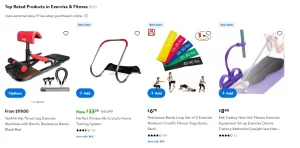
As more people focus on health and fitness, the market for fitness equipment and accessories continues to grow. From yoga mats to dumbbells to treadmills, there’s a wide range of fitness products with strong demand. These products appeal not only to fitness enthusiasts but also to those looking to live a healthier lifestyle.
If you can target the fitness and wellness market accurately, these products can bring you steady sales. Fitness equipment generally has higher profit margins, especially those that are high-quality and feature advanced functionality.
Kitchen Supplies
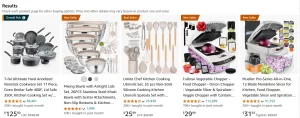
Kitchen supplies, especially small kitchen tools and large appliances, are also a great choice for dropshipping. Items like cutting boards, pots, pans, blenders, and coffee makers are always in demand. Many people regularly replace these items, and they’re often purchased as gifts.
Kitchen products offer a wide variety of options to cater to different customer needs, and since they’re essential items, they have stable sales potential
Baby and Kids Products

Baby and kids products, such as strollers, car seats, toys, and clothing, are always in high demand. As families grow, they continue to purchase these essentials, creating a consistent market.
With a broad range of products to choose from, baby and kids products are perfect for creating niche stores that cater to the needs of young families.
Pet Supplies

Pet products, including toys, grooming tools, and pet food, are increasingly popular as more people adopt pets. These items are often repeat purchases, making them ideal for dropshipping businesses focused on pet owners.Pet supplies offer steady demand, and since many pet owners treat their animals like family, there is strong potential for brand loyalty in this market.
Challenges of Dropshipping from Walmart
Of course, no business goes smoothly all the time, and dropshipping is no exception. When sourcing products from Walmart, you might face some challenges. While Walmart is large and has a wide range of products, there are a few issues to be aware of. Let’s take a look at some potential challenges and how to tackle them.
Shipping Delays
Walmart’s logistics system is strong, but with such a large order volume and variety of products, delays can still happen. This is especially true during busy shopping seasons or promotional periods, when the logistics network is under more pressure. As a dropshipper, it’s your responsibility to make sure the customer’s shopping experience is as smooth as possible. If shipping takes longer than expected, customers may get frustrated and even request a refund.
To avoid this, communicate with your customers about expected shipping times in advance. Make sure to provide tracking information promptly. Let customers know when they can expect their products, and if there’s a delay, notify them as soon as possible. Setting clear expectations can help improve customer satisfaction.
Stock Shortages
While Walmart offers a wide range of products, it doesn’t mean every item is always in stock. Sometimes, the product you choose may be out of stock when your customer places an order, preventing you from fulfilling it on time. This not only affects your sales but can also hurt your store’s ratings and customer trust.
To tackle stock shortages, consider using inventory management tools to track product availability in real time. There are many tools available that can help you monitor Walmart’s product stock automatically, such as Walmart Marketplace API. By using these tools, you’ll know if an item is out of stock before your customer orders it. Additionally, be flexible and choose products that have a reliable restocking schedule and stable inventory levels. This can help you avoid stock issues in the future.
Platform Rules Restrictions
As mentioned earlier, Walmart’s Marketplace doesn’t allow sellers to buy products directly from its website and resell them. This means you can’t buy products on Walmart’s site and then sell them through its Marketplace. This is a major limitation for Walmart dropshipping, and you need to be careful not to violate platform rules.
To avoid breaking the rules, make sure you fully understand Walmart Marketplace’s policies and follow them. The best practice is to sell on other e-commerce platforms (like Shopify, eBay, or Amazon) instead of directly on Walmart’s Marketplace. This way, you can still take advantage of sourcing products from Walmart while avoiding the risk of violating their rules.
How DropSure Simplifies Dropshipping Operations
If you find dropshipping through Walmart a bit tricky, consider trying DropSure. DropSure is a professional dropshipping platform that connects you with quality suppliers, saving you from relying on Walmart’s retail supply chain.
DropSure provides automation tools to simplify order processing, inventory management, and logistics tracking, making it easy for you to handle all aspects of your business. This way, you can focus on marketing and customer service, truly boosting your business efficiency.

With DropSure, you avoid the complexities of dealing with retail supply chains like Walmart’s, creating a more efficient and sustainable dropshipping business.
In short, while Walmart doesn’t offer dedicated dropshipping services, you can still resell its products on e-commerce platforms. As long as you understand the rules, choose the right products, and avoid common pitfalls, you can make a good profit from Walmart.
If you want to simplify the process even further, DropSure is a tool worth trying. It will connect you with more top-quality suppliers, making your dropshipping business even more efficient. Ready to start your e-commerce journey? Good luck!