














< Blogs

Best Dropshipping Websites for Dropshippers

Vivan Z.
Created on November 12, 2024 – Last updated on February 6, 20256 min read
Written by: Vivan Z.

Have you ever dreamed of running your own online store without worrying about inventory or shipping? That’s exactly what dropshipping offers—a low-risk, high-reward path for entrepreneurs. Whether you’re new to e-commerce or looking to level up an existing business, finding the right dropshipping platform can make all the difference. In this post, I’ll walk you through the unique features and benefits of some popular dropshipping sites, so you can get started smoothly and see real growth quickly.

What is Dropshipping? A Quick Overview

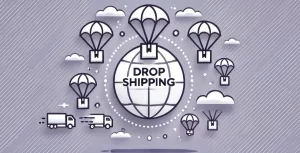
Dropshipping is a type of e-commerce business model where you don’t need to keep inventory. Instead, when a customer places an order, you work with a supplier who ships the product directly to them. This setup means you don’t have to handle stock, shipping, or logistics, making it a low-risk choice for people starting a new business. If you’re curious about how dropshipping works, check out our article What is Dropshipping & How to Start – Beginner Guide to dive deeper into the basics of the industry.
Dropshipping

Best Dropshipping Websites to Know About

Choosing the right dropshipping platform is essential, especially since each one has its own strengths and unique features. Below, I’ve rounded up some of the top dropshipping websites and compared them to help you decide which one best fits your needs.   
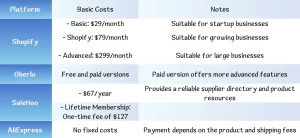
Dropshipping Platform

The table above breaks down the costs of different dropshipping platforms, making it easier for you to pick the one that best suits your needs.
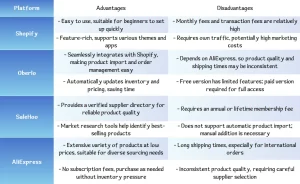
Platform Advantages&Disadvantages

This table provides a clear comparison of the advantages and disadvantages of various dropshipping websites, helping you make a more informed decision.

Finding the Right Dropshipping Platform to Start Your Business

If you’re ready to start your dropshipping journey, choosing the right platform is essential. As a professional dropshipping supplier and platform, DropSure offers low costs, a wide product selection, and efficient logistics services. With DropSure, you can easily kickstart your e-commerce business while receiving continuous tech support and assistance. For more details on DropSure, check out our recommended article. You can also find valuable insights in articles like How Dropshippers Find Their Best Dropshipping Suppliers and The 8 Tips to Know When Choosing Dropship Products.

FAQ

When choosing a dropshipping platform, many people have similar questions. To help you make an informed decision, I’ve put together some of the most common questions and answers about dropshipping. These should give you a clearer picture of the industry and guide you toward finding the right platform for your business.

1.What is Dropshipping, and How Does It Work?
Dropshipping is an e-commerce model where you don’t hold inventory yourself. Instead, you partner with suppliers who handle the storage and shipping. When a customer places an order, the supplier ships the product directly to them, allowing you to focus on sales, marketing, and customer service.
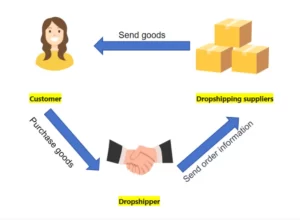
What is Dropshipping

2.What Are the Benefits of Dropshipping?
Dropshipping offers a low-risk way to enter e-commerce. You don’t need to invest in inventory upfront, and you can run your business from anywhere. It also allows you to test different products and niches without much financial commitment. This model is ideal for beginners as well as seasoned business owners looking to diversify their offerings. Portugal Finance

3.How Do I Choose the Best Dropshipping Platform?
Picking the right platform depends on your specific needs. Look for platforms that offer the products you want to sell, provide reliable suppliers, and have tools that integrate with your store smoothly. Platforms like Shopify and Oberlo are popular for their ease of use, while others like SaleHoo focus on supplier vetting. Consider your budget, product niche, and target market to make the best choice.

4.Are There Any Hidden Fees with Dropshipping Platforms?
Each platform has its own fee structure, which may include subscription fees, transaction fees, or additional service costs. Make sure to read the fine print and understand all costs involved. This will help you avoid surprises and better manage your budget. 
Dropshipping3

5.Can I Customize the Products or Branding?
Some platforms and suppliers allow you to add custom branding or labels, a practice known as “private labeling.” However, not all suppliers offer this option, so if branding is important to you, make sure to choose a platform or supplier that provides it.

6.Is Dropshipping Profitable?
Dropshipping can be profitable, but success depends on various factors, such as your product selection, marketing strategy, and pricing. Margins can be thin for some products, so choosing unique, high-demand items and understanding your market is crucial.

7.What Should I Watch Out For in Terms of Product Quality?
Since you’re not handling the products directly, it’s essential to work with reputable suppliers who have quality control measures in place. Check for reviews, request samples if possible, and pay attention to any feedback from customers about product quality. Good suppliers can make or break your business reputation.

8.How Do I Handle Customer Service Issues?
In dropshipping, you act as the intermediary between your customers and suppliers. While suppliers handle shipping, you’re responsible for addressing any customer service issues that arise, such as returns, refunds, and delays. Building a good relationship with your suppliers will help you resolve issues quickly and keep customers happy.

Dropshipping 2

Conclusion

Choosing the right dropshipping platform is a big step toward building a successful online store. I hope this article has given you a clearer idea of each platform’s features so you can decide which one fits your needs best. If you’re after an affordable, efficient dropshipping solution, consider DropSure. With a variety of products and reliable shipping, DropSure can help your business grow.

For more details, just click the chat box below to reach our team. We’re here to offer personalized advice and support to help you get started and keep growing your e-commerce business.

DropSure

DropSure is Your Best Partner
22 Years Experience
Affiliate Rebates
100% Quality Guarantee
Top-Up Rewards
10+ Global Warehouses
Custom Branding Support
Smart inventory System
24/7 Customer Support
Get a Quote in 24 Hours
Start Sourcing for Free

Keep Learning

If you’ve ever worked with a bad supplier, you already know the cost isn’t just financial. It’s refunds.It’s chargebacks.It’s angry emails at 2 a.m.It’s ad spend wasted on products that arrive broken, late, or not at all. In the world of dropshipping and private label ecommerce, your supplier is not just a vendor — they are your operations backbone. They control your product quality, shipping speed, packaging, inventory consistency, and ultimately your brand reputation. The uncomfortable truth? Most suppliers are not built for long-term ecommerce growth. Many are opportunistic middlemen with unstable logistics, inconsistent quality control, and zero accountability once payment clears. The good news: you can filter out the majority of unreliable dropshipping suppliers before placing a single large order. You just need to ask the right five questions. This guide walks you through a practical, battle-tested framework to identify high-quality suppliers and eliminate low-performing ones before they damage your store. Why Most Dropshipping Supplier Relationships Fail Before we get into the screening process, it’s important to understand why supplier partnerships break down. Common failure points include: Inconsistent product quality Inventory stockouts without notice Unreliable shipping timelines Poor communication Hidden fees Lack of quality inspection Unclear return policies No accountability for defects Many new ecommerce entrepreneurs focus heavily on product selection and marketing — but neglect operational vetting. That’s a costly mistake. A mediocre product with a strong supplier can succeed.A winning product with a weak supplier will collapse. The 5 Questions That Filter Out 90% of Low-Quality Suppliers These questions are simple. But the way suppliers answer them reveals everything. Question 1: “Can You Provide a Detailed Breakdown of Your Quality Control Process?” Low-quality suppliers hate this question. […]

DHgate is a popular cross-border e-commerce platform that connects buyers and sellers globally. It offers a wide variety of products, flexible payment options, and broad shipping services, making it a good choice for small and medium-sized businesses to start international trade. However, there are some concerns about product quality and safety that potential sellers should be aware of before using the platform. What is DHgate? DHgate is a leading B2B cross-border e-commerce platform in China. It was founded by Ms. Wang Shutong in 2004. The goal of DHgate is to create an online Silk Road and help small and medium-sized businesses “buy globally, sell globally.” DHgate has several advantages: first, it covers a large market with over 2.3 million registered suppliers and more than 36.4 million buyers from 223 countries and regions. Second, it has strong logistics support with over 100 shipping routes and more than 10 overseas warehouses. Third, it supports 71 currencies for payments. Finally, DHgate has built strong advantages in brand, technology, operations, and users that are hard to copy. Although DHgate offers low-cost purchasing for small businesses and dropshippers, there are some downsides. For example, product quality can be inconsistent, shipping times may be slow, and customer service responses can be delayed. These issues may affect the buyer’s experience. New users should be careful when using the platform, choose suppliers carefully, and check reviews and ratings. It’s also important to choose the right shipping method to avoid delays and keep customers happy. Lastly, make sure to understand the return and refund policies in case any problems arise. Is DHgate Legit and Trustworthy for My business? DHgate is a cross-border e-commerce platform in China that connects global […]

In the past, overseas warehouses weren’t a major focus in cross-border e-commerce. However, with changes in the global trade environment and rising tariffs, their importance has grown significantly. For sellers targeting markets like the U.S. and Europe, having their own overseas warehouse or using third-party storage directly impacts operational efficiency, cost control, and brand competitiveness. Today, overseas warehouses are crucial to standing out in a competitive market. How can cross-border e-commerce sellers use overseas warehouses to improve efficiency and competitiveness? Let’s explore the 5 ways overseas warehouses help you beat the tariff trap. Benefit 1: Improving Efficiency With tariffs increasing, many cross-border sellers are starting to stock up in advance, sending hot-selling products to overseas local warehouses. This approach cuts international shipping times, which can otherwise take 10 to 20 days, down to just 1 to 5 days for delivery. It also bypasses customs clearance issues, provides opportunities for tax refunds, and ultimately saves both time and money. For example, goods shipped from China to border warehouses in Vietnam can be delivered to Hanoi within 1-2 days. In Europe, countries with strategic locations, like the Czech Republic and Poland, have become key “transit hubs” for Amazon Europe warehouses. When the main warehouse in Germany runs out of stock, these places can quickly “replenish” the inventory, ensuring a high delivery efficiency. According to the “2024 Overseas Warehouse Blue Book,” more than half of third-party warehousing service providers can complete the full process of “picking, weighing, labeling, and shipping” within 60 minutes. In today’s competitive cross-border e-commerce environment, speed and turnover are key factors that determine success. Suggestions for Cross-border Sellers: Don’t just focus on US FBA or major UK warehouses. These […]

Recommended for you