













 En
En
 10 min read
Let’s start with an obvious question!
China is the undisputed global manufacturing hub. Most products you purchase are likely assembled or manufactured in China. So why has China become a hotspot for Amazon sellers seeking suppliers? The answer is straightforward—lower costs. Cheap operational costs enable Chinese companies to reduce manufacturing expenses, making it nearly impossible for other countries to compete.
On e-commerce platforms like Amazon, competitive pricing is one of the key factors to stay ahead. As a seller, you need to secure products at the lowest possible price. In most cases, this means partnering with Chinese manufacturers or suppliers. However, sourcing from China isn’t the only way to gain a competitive edge. So, how do you find the best Amazon FBA suppliers?
Online Marketplaces
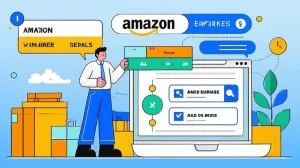
Online marketplaces offer abundant sourcing resources for potential Amazon sellers. For example, platforms like Alibaba and AliExpress host a large number of manufacturers offering direct supplies. Although product prices are generally lower, most manufacturers typically require large orders, and the transaction processes can be relatively complex. Moreover, when you cannot find the desired products on these platforms, B2B e-commerce sites (such as Made-in-China, Global Sources, or JimTrade) provide additional sourcing channels for international trade. However, in practice, challenges such as product quality, supply chain security, and after-sales service may still arise.
The DropSure platform is a smart supply chain solution designed to address these challenges. With DropSure, you can not only integrate high-quality supplier resources from major online marketplaces but also enjoy professional quality audits and transparent transaction processes, thereby reducing procurement risks and enhancing product quality. Whether you choose traditional online platforms or B2B channels, DropSure offers a safer and more efficient procurement experience, helping your Amazon business stand out in a fiercely competitive market.

Product Sourcing Agencies
When searching for the right supplier, product sourcing agencies offer a convenient solution. These third-party service providers can save you a great deal of time and effort by helping you quickly find high-quality suppliers and import products at lower costs while ensuring product quality. This approach is especially effective for sellers seeking suppliers in South Asia or China, as it can swiftly unlock overseas supply chains.
To address these challenges, the DropSure platform was created. DropSure provides e-commerce sellers with a transparent and efficient supply chain solution, helping you gain a competitive advantage while reducing costs. Through the DropSure platform, you can access rigorously vetted overseas supplier resources and enjoy a one-stop procurement service that helps you stand out in a fiercely competitive market.
Choose the DropSure platform to make your procurement smarter and your competition stronger!
Ensuring Reliable Suppliers
Since you already know how to contact suppliers, you must ensure that they are the right fit for you. Some things can’t be left to chance—you need to make sure that your supplier is trustworthy. So, how can you achieve this?

Your FBA Supplier Checklist
When choosing the right supplier, the product price is not the only factor to consider. You also need to take into account the product quality, the supplier’s efficiency, and the shipping costs. Sometimes, when you factor in additional expenses such as shipping, packaging, taxes, and customs clearance, local suppliers might even prove to be more cost-effective. So, what should you pay attention to when selecting a supplier? Below is a practical supplier checklist.
Double-check Your Supplier
Just because a supplier appears on Alibaba does not mean they are reliable. How do you verify if a supplier is trustworthy? The best method is to fly to China and visit them in person, though this may not be practical for every seller. Therefore, if you are sourcing on Alibaba, be sure to choose suppliers that offer trade assurance.
Although trade assurance provides safety measures and promises on-time delivery, it is still recommended that you conduct a background check on the supplier. A simple Google search can help you initially determine whether the company is legitimate. You should also verify the following information:
●Business License
●Supplier Location
●Company Ownership Status
●Photos of the Company’s Operations
●Relevant Details
●Required Certifications for the Product
Evaluate Product Quality and Safety Standards
Different markets have varying requirements for product quality and safety standards, and not all products from overseas suppliers will meet these standards. Before making a purchase, you are responsible for ensuring that the supplier’s products comply with local standards. Additionally, be aware of potential patent infringement issues—if there’s a problem with the product, your investment could be wasted. You can use SellerApp’s Amazon Brand Registry tool to check the product’s trademarks and patents to avoid any confusion.
Understand the Production Process
If you plan to sell complex products such as electronics that are difficult to manufacture, it is crucial to know who is producing these products. This means you need to understand every detail of the product. On a competitive e-commerce platform, there is no room for error in product quality, so it is essential to test the product!
Request Samples or Prototypes
Before placing an order, always ask the supplier to provide a sample or prototype. This not only helps you determine if the product meets quality standards but also allows you to assess whether the product has market appeal. If you plan to build your own brand, you must ensure that the product meets your brand’s standards. Samples can also help you gather feedback from friends and family about its feasibility in the Amazon marketplace.
Plan Logistics
Shipping products from different countries may take a long time and can involve many additional costs that sellers might overlook, such as shipping fees. Before partnering with a supplier, be sure to factor in these extra costs. You can use SellerApp’s Amazon FBA calculator to evaluate the product’s profitability.
In addition to cost, the production and shipping cycle of new products must be considered. Knowing the time required for production, customs clearance, and inventory arrival is crucial for avoiding stock shortages and securing the Buy Box.
Diversify Your Search
Do not rely solely on a single supplier. When going through the above checklist, try to contact multiple suppliers so that you have more options before making a final decision. Since different companies may vary in product cost and quality, it is advisable to keep an open mind and choose the supplier that best meets your business needs.
Product Shipping Methods
After finding an ideal supplier, you still need to decide how to transport the products, who will be responsible for packaging, and how to ensure quality control. There are two main ways to ship products from the supplier to Amazon’s fulfillment centers:
1.Direct shipment from the supplier to an Amazon FBA warehouse
2.Ship first to yourself or a middleman, then forward them to Amazon
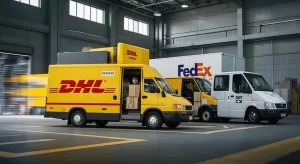
Direct Shipment to Amazon FBA Warehouses
Although many suppliers (including Chinese suppliers) are familiar with FBA specifications and requirements, you should clearly communicate all key information to them to ensure that no important details are overlooked due to language or cultural differences. So, what are the advantages of shipping directly to Amazon’s fulfillment centers?
● Faster Transit Time
Directly shipping the products to Amazon can greatly reduce transit times. The sooner the products reach the fulfillment center, the sooner you can start selling.
● Cost Reduction
Direct shipping can save you the fees that would otherwise be paid to a middleman.
However, this method also has some disadvantages:
● Lack of Quality Control
Direct shipment to Amazon means you won’t have the opportunity to inspect the product quality before it is received at the fulfillment center.
● Packaging Quality Issues
Even if the product quality is excellent, you still need to comply with Amazon’s strict shipping and packaging requirements for FBA sellers. Any oversight by the supplier could directly impact your profit.
Shipping to Yourself or a Middleman
You can also choose to have your products shipped to yourself or to a third-party middleman for quality and packaging inspections, and once confirmed, then forward them to the Amazon FBA warehouse. There are also third-party services available to help you handle the transportation of your FBA inventory, but this will incur additional costs. So, what are the advantages and disadvantages of this method?
Advantages:
● Strict Quality Inspection
This method allows you not to rely solely on the supplier. Upon receiving the goods, you can inspect them for any defects and ensure they meet quality standards before sending them to Amazon at your own pace.
● Protection of Trade Secrets
This approach helps to keep your business strategies confidential and prevents them from being disclosed to the supplier.
Disadvantages:
● Higher Costs
Whether you pay a middleman fee or handle the process yourself, additional costs and time consumption are likely.
● Longer Transit Time
If the products are not sent directly to the Amazon FBA warehouse, the inventory update time will be correspondingly delayed.
Amazon Suppliers: Local or Overseas?
Purchasing products from local suppliers also has its advantages: shorter shipping times mean that your products can hit the market faster, and you can better monitor product quality while avoiding communication errors. On the other hand, Chinese suppliers typically offer better prices, and winning the Buy Box on Amazon often depends on slim profit margins. Ultimately, when deciding on a supplier, you need to consider multiple factors such as product cost, taxes, shipping time, and logistics. Successful Amazon sellers always keep their options open.