Dropshipping is often portrayed as a fast track to online business success. Social media ads promise passive income, viral products, and overnight profits. But behind every success story lies a trail of failed products, wasted ad spend, and hard-earned lessons. In reality, product selection is the single most decisive factor in dropshipping success—and also the most misunderstood. Many sellers don’t fail because they lack effort or marketing skills; they fail because they choose the wrong products at the wrong time for the wrong audience. This article is a deep dive into real-world dropshipping product selection failures, how those failures happened, and how sellers turned them into sustainable success. Instead of theory alone, we’ll focus on case-based learning, extracting practical frameworks you can apply immediately. 1. Why Most Dropshipping Failures Start with Product Selection Before discussing specific cases, it’s important to understand why product selection causes so many businesses to collapse. Common reasons include: Chasing trends too late Copying competitors blindly Ignoring logistics and customer experience Overestimating market demand Underestimating customer expectations Marketing can amplify a good product—but it cannot save a fundamentally bad one. 2. Case Study One: The “Trending Gadget” Trap Background A new seller launched a dropshipping store focused on a viral tech gadget seen all over TikTok and Facebook. Influencers promoted it heavily, and ad engagement looked promising. What Went Wrong The market was already saturated Competitors raced to the bottom on pricing Shipping times exceeded 20 days Product quality did not match ad expectations Refund requests surged within weeks. Key Lesson Virality does not equal opportunity.By the time a product goes viral, profit margins are often already compressed. 3. The Cost of Entering a Market Too […]

January 20, 2026

It has become a mainstream purchasing factor, reshaping how consumers choose products—and how businesses select what to sell. For dropshipping sellers, this shift represents both an opportunity and a challenge. Eco-friendly products promise: Strong emotional appeal Long-term demand stability Higher brand trust But they also raise critical questions: What actually qualifies as “sustainable”? How do you avoid greenwashing? Can eco-friendly products be profitable in a dropshipping model? This article explores how to identify, evaluate, and scale sustainable products in dropshipping, moving beyond buzzwords to practical selection strategies. 1. Why Eco-Friendly Products Are Gaining Momentum The rise of eco-friendly products is driven by several converging forces. Consumer Awareness Has Matured Today’s consumers: Research products before buying Question materials and sourcing Expect transparency, not slogans Eco-conscious buyers are not just idealists—they are informed decision-makers. Regulation and Platform Pressure Marketplaces and governments increasingly: Restrict harmful materials Encourage sustainable packaging Penalize misleading environmental claims Selling eco-friendly products is becoming less optional over time. Brand Trust and Differentiation In crowded dropshipping markets, sustainability: Creates emotional connection Reduces pure price competition Supports long-term brand building This is especially valuable for independent sellers. 2. Sustainability in Dropshipping: Myth vs. Reality Many sellers assume: Eco-friendly products are expensive Sustainable sourcing is incompatible with dropshipping “Green” is just a marketing label In reality, sustainability exists on a spectrum, not as an absolute. Even small improvements—when honest—matter. 3. What Makes a Product Truly Eco-Friendly? To select sustainable products, you must understand where environmental impact comes from. Key dimensions include: Materials Manufacturing Packaging Usage phase End-of-life disposal No product is perfect—but some are clearly better. 4. High-Potential Eco-Friendly Product Categories for Dropshipping Certain categories naturally align with sustainability. Reusable Daily Essentials […]

January 15, 2026

It’s about choosing the right product—at the right time, for the right audience, with the right expectations. Yet many sellers still rely on surface-level signals: trending lists, supplier recommendations, or viral videos. Meanwhile, the most valuable data source is often ignored. Customer reviews. Every review is a direct message from the market. When analyzed correctly, reviews reveal: What customers truly care about Why products fail or succeed What features are missing Where competitors are vulnerable This article will show you how to systematically mine customer reviews for product selection insights, turning raw opinions into a powerful dropshipping advantage. 1. Why Customer Reviews Are a Goldmine for Dropshipping Sellers Unlike ads, supplier descriptions, or influencer hype, customer reviews are: Unfiltered Experience-based Emotion-driven Problem-focused They reflect real usage, real frustrations, and real satisfaction. For dropshipping—where you don’t control manufacturing—reviews help you avoid products that: Generate refunds Cause customer complaints Damage brand reputation And identify products that: Solve clear problems Have strong perceived value Inspire repeat purchases 2. The Biggest Mistake Sellers Make When Reading Reviews Most sellers skim reviews to answer one question: “Is this product good or bad?” That’s the wrong question. The right questions are: Why do customers like or dislike it? Which complaints are repeated? What expectations are unmet? How could this product be improved or repositioned? Your goal isn’t to judge the product—it’s to extract patterns. 3. Where to Find High-Quality Reviews for Research To mine valuable insights, you need the right sources. Major Marketplaces Amazon AliExpress Walmart Marketplace Focus on products with: At least 100–300 reviews A mix of positive and negative feedback Niche-Specific Platforms Etsy (for lifestyle and handmade-inspired products) Chewy (pet products) Sephora / Ulta […]

January 14, 2026

By the time a product is labeled “hot,” margins are already shrinking. Ad costs are rising. And differentiation becomes increasingly difficult. Sellers who survive long term don’t chase trends—they anticipate shifts. As we move toward 2026, consumer behavior is evolving in quiet but powerful ways: Convenience is replacing novelty Function is outperforming hype Personalization is beating mass-market sameness This article outlines the Top 10 Blue Ocean Dropshipping Product Categories for 2026—not based on guesswork, but on structural demand changes that most sellers haven’t fully recognized yet. These are not viral products.They are strategic products. What Makes a Blue Ocean Product in 2026? Before diving into the list, it’s important to redefine what “blue ocean” means in today’s environment. In 2026, a true blue ocean product typically has: Growing demand driven by lifestyle or demographic change Weak category leadership (no dominant global brand) Poor existing education or messaging Low emotional fatigue among consumers Compatibility with content-driven selling Most importantly, blue ocean products are under-communicated, not undiscovered. 1. Home Micro-Improvement Products (Non-Renovation) Why This Becomes a Blue Ocean in 2026 Homeownership costs are rising, and renters are staying renters longer. People still want better living spaces—but without permanent renovations. This creates strong demand for small, non-invasive home improvement solutions. Product Examples Removable acoustic panels Temporary insulation and draft blockers Modular wall systems (non-drill) Light-control and privacy upgrades Why Competition Is Still Low Most home improvement brands focus on: Large renovations Contractors and professionals Dropshipping sellers often ignore this space because it doesn’t look “exciting”—yet demand is stable and growing. Why It Works for Dropshipping Clear problem-solution storytelling Strong before/after visuals High perceived value without technical installation 2. Personal Organization Systems for Neurodivergent […]

January 13, 2026

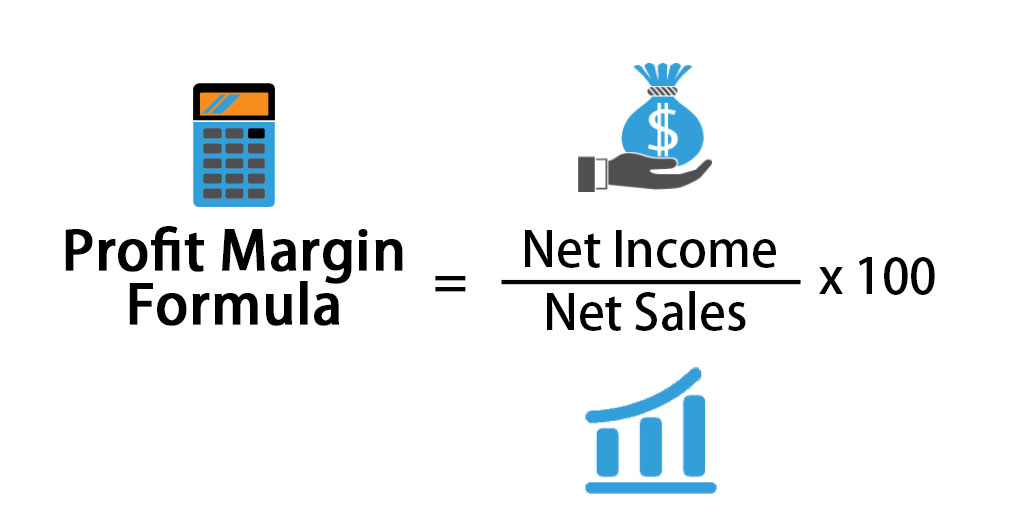
Should I focus on high-profit products or high-volume products? At first glance, the answer seems obvious. High margins sound attractive, while high sales volume feels safer. But in reality, dropshipping success rarely comes from choosing one extreme over the other. The most sustainable stores are built by sellers who understand how to balance profit margins and sales volume—and how that balance shifts depending on product type, traffic source, and business stage. This article breaks down the real economics behind dropshipping products, explains why many stores fail despite “good margins,” and shows how to select products that can scale without destroying cash flow, ad performance, or operational stability. 1. Understanding the Two Forces That Drive Dropshipping Revenue 1.1 Profit Margin: What You Earn Per Order Profit margin is usually calculated as: (Selling Price – Product Cost – Shipping – Transaction Fees – Ad Cost) = Net Profit High-margin products: Leave more room for advertising Absorb returns and refunds more easily Require fewer orders to be profitable But they often face higher resistance to purchase. 1.2 Sales Volume: How Many Orders You Generate Sales volume is driven by: Market demand Price sensitivity Ease of understanding the product Impulse-buy potential High-volume products: Move fast Generate social proof quickly Help stores look “alive” But they can suffer from thin margins and operational pressure. 2. Why Chasing Only High Margins Often Fails 2.1 The High-Margin Illusion Many beginners believe: “If I make $40 per sale, I only need a few orders a day.” In practice: High-margin products usually require stronger branding Conversion rates are lower Customer trust becomes a bigger barrier Without brand authority, expensive products are hard to scale. 2.2 Higher Prices Mean Higher […]

January 9, 2026

A product can go from complete obscurity to selling tens of thousands of units in a matter of days, driven almost entirely by social media. TikTok, Instagram Reels, YouTube Shorts, and Facebook feeds have replaced traditional product research tools as the front line of demand discovery. For dropshippers, this creates both opportunity and danger. Those who know how to track, validate, and act on social media trends early can build profitable stores quickly. Those who chase trends too late often end up with saturated products, ad fatigue, and shrinking margins. This guide breaks down how to systematically track social media viral products, separate real opportunities from noise, and turn trends into scalable dropshipping businesses. 1. Why Social Media Has Become the Core of Product Discovery 1.1 From Search-Driven to Feed-Driven Commerce Traditional e-commerce relied on: Keyword searches Intent-based buying Comparison shopping Social commerce is different: Products are discovered passively Demand is created emotionally Purchases are impulsive and fast In dropshipping, this shift favors trend awareness over inventory depth. 1.2 The Psychology of Viral Products Viral products usually succeed because they trigger: Curiosity (“What is that?”) Surprise (“I didn’t know I needed this”) Visual satisfaction Social proof Understanding this psychology is essential before tracking tools or metrics. 2. What Defines a “Social Media Winning Product”? Not every viral post equals a winning product. A strong dropshipping product typically has: A clear visual demonstration An obvious problem-solution angle Broad audience appeal Low explanation cost Strong emotional hook Products that require long education cycles rarely go viral. 3. Platforms That Matter Most for Viral Product Tracking 3.1 TikTok: The Trend Engine TikTok is currently the most powerful platform for: Early trend discovery Low-cost […]

January 7, 2026
1 2 3 4 35
DropSure is Your Best Partner
22 Years Experience
Affiliate Rebates
100% Quality Guarantee
Top-Up Rewards
10+ Global Warehouses
Custom Branding Support
Smart inventory System
24/7 Customer Support
Get a Quote in 24 Hours
Start Sourcing for Free