















In the fast-paced world of dropshipping, product selection tools make it easier than ever to discover trending items, identify profitable niches, and quickly launch new products. However, many beginners face a common dilemma: just because a product looks promising in a selection tool doesn’t mean it’s safe to sell. What if the supplier delivers poor quality? What if shipping times are unreliable? What if customers complain about defects or false advertising? Choosing the wrong product can lead to refunds, negative reviews, damaged brand reputation, and financial losses. That’s why experienced sellers never rely solely on data from product research tools. Instead, they verify product quality through multiple dimensions before listing items in their stores. This guide will walk you through a comprehensive, multi-layered process to validate product quality, supplier reliability, and long-term market potential—so you can sell confidently and build a sustainable dropshipping business. Why Product Verification Matters in Dropshipping Dropshipping removes the need to hold inventory, but it also removes direct control over product quality. Unlike traditional retail, you don’t see or handle products before customers receive them. This creates several risks: Poor manufacturing quality Misleading product descriptions Unreliable suppliers Long or inconsistent shipping times High return rates Negative customer experiences A single bad product can result in: Increased refund requests Payment disputes Store account restrictions Advertising losses Damaged brand trust Product verification protects you from these risks and helps ensure long-term profitability. Step 1: Validate the Supplier’s Credibility Your supplier is just as important as your product. Even a great product can fail if the supplier is unreliable. Check Supplier History and Experience Look for: Years in business Transaction volume Customer ratings Manufacturing capabilities Certifications Business licenses Suppliers […]

February 14, 2026

Starting a dropshipping business is exciting — low startup costs, flexible operations, and global selling opportunities make it one of the most accessible e-commerce models today. But one critical factor determines whether your store succeeds or fails: product selection. Choosing the right products is the foundation of profitable dropshipping. To make better decisions, many beginners rely on product research tools. However, a common question arises: Should you use free product research tools or invest in paid software? For beginners with limited budgets, the choice can feel overwhelming. Free tools promise cost savings, while paid tools claim deeper insights and faster results. But which option truly delivers the best value for someone just starting out? This comprehensive guide explores the differences between free and paid product research tools, their strengths and limitations, and how beginners can choose the best option based on their goals, budget, and experience level. Why Product Research Tools Matter in Dropshipping Before comparing free and paid solutions, it’s important to understand why product research tools are essential. Successful dropshipping depends on identifying products that: Have strong market demand Face manageable competition Offer healthy profit margins Solve real customer problems Show consistent sales potential Without reliable data, beginners often choose products based on guesswork or trends that are already saturated. Product research tools help analyze: Market demand Pricing trends Competitor performance Advertising data Consumer interest patterns They reduce risk and improve decision-making. What Are Free Product Research Tools? Free product research tools are platforms or resources that provide basic market insights without subscription fees. They typically offer limited features but can still help beginners understand market trends. Common Types of Free Research Tools Trend Analysis Platforms Tools like […]

February 14, 2026

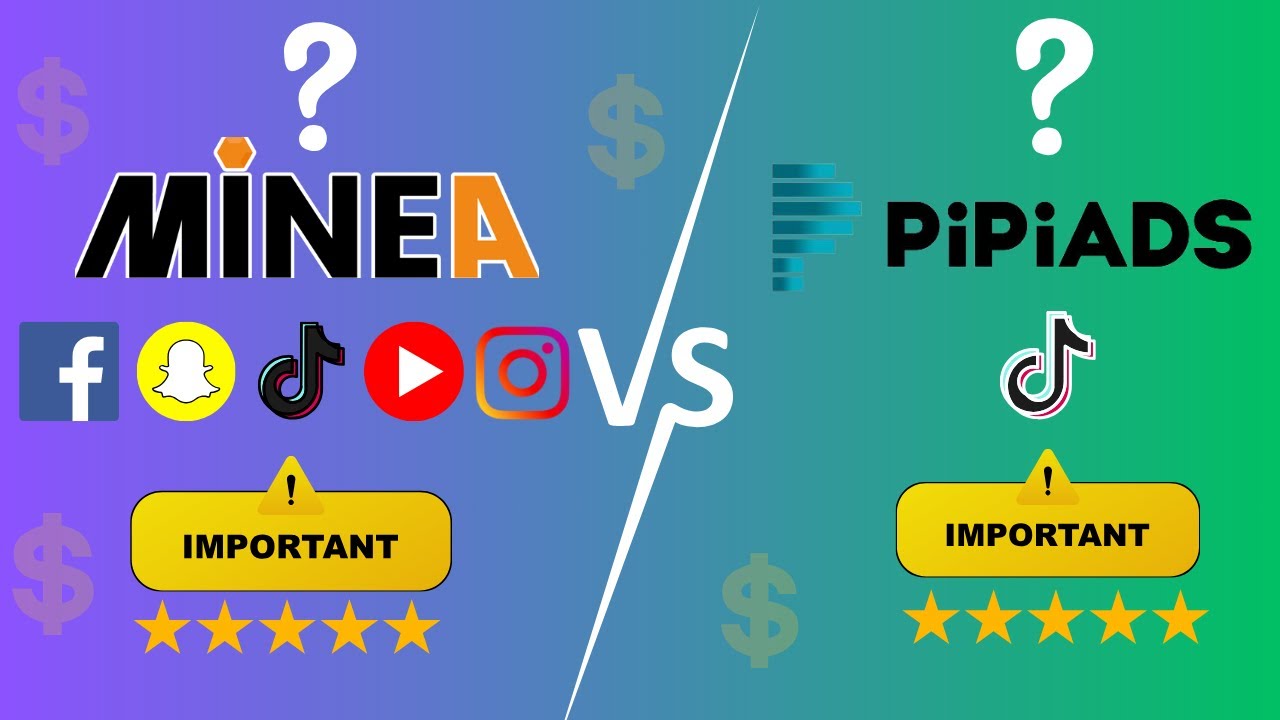
The rise of short-form video has completely transformed how products go viral. Platforms like TikTok-style commerce, visual storytelling, and algorithm-driven advertising have created a new generation of winning products — and a new demand for powerful product research tools. For dropshippers, eCommerce entrepreneurs, and digital marketers, the real question is no longer whether to use a product research tool, but which one delivers better results. Two major contenders dominate the conversation: Minea — known for multi-platform ad intelligence Pipiads — famous for short-video ad tracking Both claim to help sellers discover winning products faster. Both promise data-driven decisions. Both have loyal user bases. But which platform actually performs better in today’s short-video-driven market? This in-depth comparison explores: Core features and data capabilities Ad tracking accuracy Platform coverage Product discovery performance User experience Pricing value Best use cases for each tool By the end, you’ll know which solution best fits your business model. Why Product Research Tools Matter More Than Ever Before comparing the platforms, it’s important to understand why product research has become critical. Short-video commerce moves extremely fast: Trends emerge in days Viral products peak quickly Competition scales rapidly Ad creatives constantly evolve Without reliable data, sellers risk: Choosing saturated products Missing early trends Wasting advertising budget Launching at the wrong time Modern research tools solve this by analyzing: Advertising activity Engagement metrics Creative performance Market demand signals But not all tools interpret these signals equally. Overview of Minea Minea is a comprehensive ad intelligence platform designed for cross-platform product discovery. Core Focus Minea specializes in: Multi-channel ad tracking Broad product discovery Competitor monitoring Creative analysis It emphasizes wide market visibility rather than single-platform depth. Key Features Multi-Platform Ad […]

February 13, 2026

In the gold rush of e-commerce, most sellers are digging in the same exhausted mine. They spend their days refreshing the “Best Sellers” page on AliExpress or scrolling through the same generic “Trending” lists that thousands of other entrepreneurs are eyeing at that very same second. The result? You find a product, launch an ad campaign, and realize within 48 hours that the profit margins have been sliced to ribbons by a hundred other sellers offering the exact same thing. This is the “Red Ocean”—a market saturated with competition and bloodied by price wars. If you want to build a sustainable, high-profit brand, you need to find the Blue Ocean. These are products with high demand but low visibility—items that are currently “quiet” on the major platforms but are about to explode. To find these hidden gems, you have to look where others aren’t looking. You need a “Black Tech” toolkit that goes deeper than a simple keyword search. Here are five powerful, hidden tools to help you navigate away from the AliExpress crowd and into the blue. 1. ImportYeti: The Supply Chain Spyglass If you want to know what the “big players” are actually doing, you don’t look at their storefronts; you look at their shipping manifests. Every time a container ship arrives at a U.S. port, the data becomes part of a public record. ImportYeti is the tool that cleans this massive data set and makes it searchable. How to Find Your Blue Ocean: Instead of looking for “cool products,” look for successful companies. You can type in a brand that you admire (e.g., Yeti, Casper, or a top-tier Amazon seller) and see exactly who their suppliers are […]

February 13, 2026

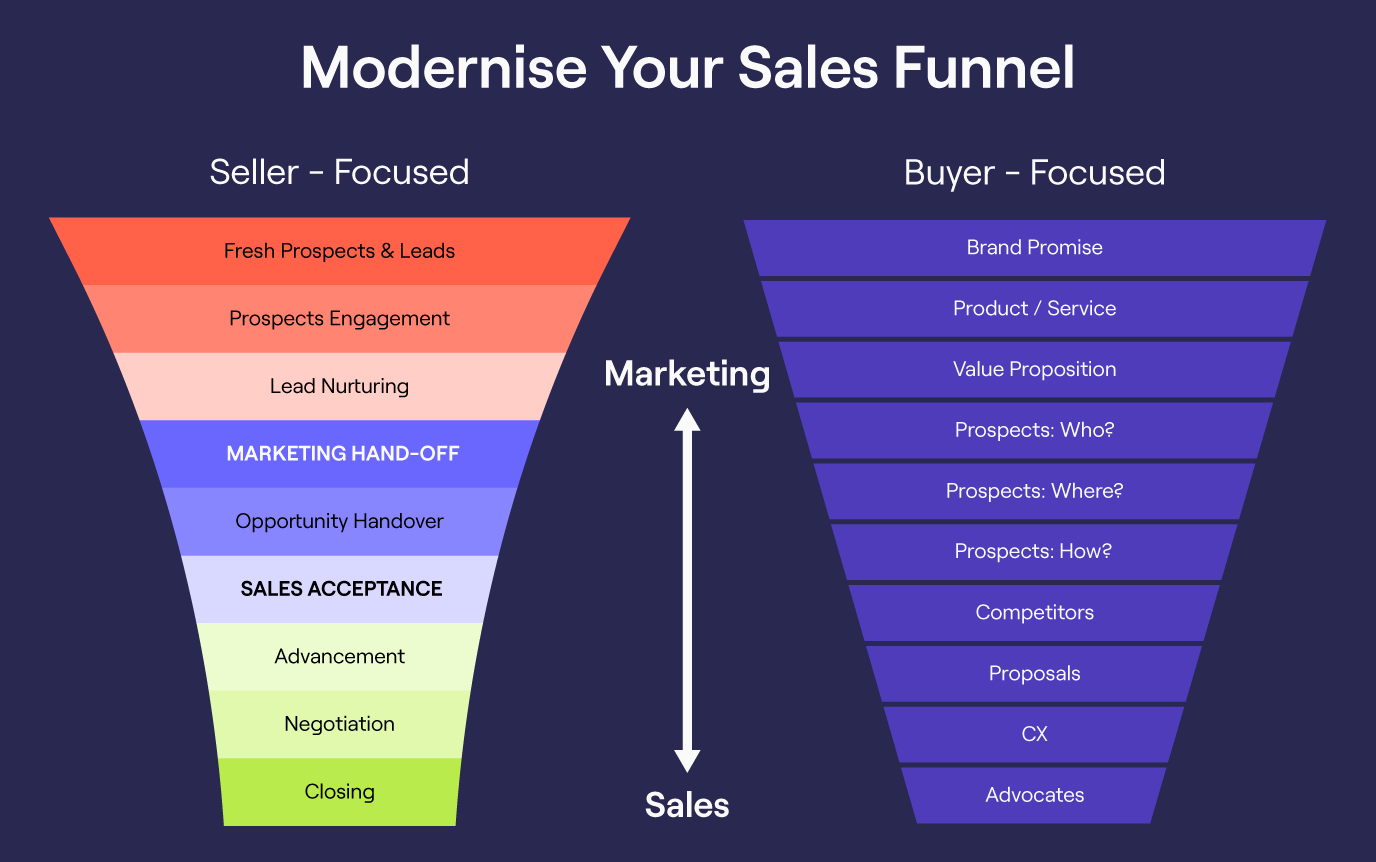
For years, the “holy grail” of online business was simply finding the right product. We spent countless hours tethered to research software, staring at graphs of sales velocity and historical pricing, hoping to stumble upon that one “winning” item. But the landscape has shifted. In today’s market, having a great product is just the ante to get into the game. The real battle is won through execution—how you tell the story of that product, how you stop the scroll on social media, and how you convert a curious clicker into a paying customer. The good news? The same tools we once used only for “spying” and product selection have evolved into full-scale creative powerhouses. We are entering the era of the Automated Sales Funnel, where artificial intelligence and data-driven software handle everything from drafting your high-conversion ad copy to designing your landing pages. In this guide, we’ll explore how to leverage the “Creative Side” of modern e-commerce tools to build a brand at lightning speed. 1. The Death of Creative Block: AI-Powered Ad Copywriting One of the biggest hurdles for new entrepreneurs is the blank page. How do you write a Facebook ad that doesn’t sound like “salesy” junk? How do you craft a TikTok script that feels authentic but still drives a purchase? Modern research tools like Helium 10, Jasper, and Copy.ai have integrated “Sentiment Analysis” and Generative AI to do this for you. Turning Data into Persuasion Instead of guessing which features to highlight, these tools analyze thousands of customer reviews for your specific product category. They identify the exact “pain points” and “emotional triggers” your audience uses. The Process: You feed the tool a product URL. The […]

February 12, 2026

In the hyper-competitive landscape of modern e-commerce, “guessing” is a luxury you can no longer afford. Whether you are operating on Amazon, Shopify, or TikTok Shop, the gap between a six-figure success story and a shuttered storefront often comes down to one thing: Information Asymmetry. Top-tier sellers aren’t just “lucky” with their product choices. They are using sophisticated “spy” tools to look over the shoulders of their competitors, seeing exactly what is selling, who is buying it, and—most importantly—how much money is being made in real-time. This isn’t just about being a copycat; it’s about competitor intelligence. It’s about finding a path that has already been paved, identifying its flaws, and walking it better than the original builder did. In this comprehensive guide, we are going to pull back the curtain on “Competitive Spying.” We will explore the tools of the trade and the exact frameworks you can use to replicate a competitor’s success while minimizing your own risk. 1. The Ethics of “Competitive Spying” Before we dive into the technical “how-to,” let’s address the elephant in the room. Is spying on competitors ethical? In the business world, this is known as Benchmarking. Every Fortune 500 company has a department dedicated to studying their rivals. When you use a product research tool to analyze a competitor’s sales volume, you aren’t stealing their intellectual property; you are analyzing public market data to make informed decisions. The goal isn’t to steal a brand name—it’s to replicate a success path. If a competitor has proven there is high demand for “ergonomic bamboo office chairs,” they have essentially done the expensive market testing for you. Your job is to take that data and offer […]

February 12, 2026
1 2 3 4 39
DropSure is Your Best Partner
22 Years Experience
Affiliate Rebates
100% Quality Guarantee
Top-Up Rewards
10+ Global Warehouses
Custom Branding Support
Smart inventory System
24/7 Customer Support
Get a Quote in 24 Hours
Start Sourcing for Free