< Blogs

How the TikTok Ban Impacts Dropshipping and Cross-Border E-Commerce

Vivan Z.
Created on January 20, 2025 – Last updated on February 19, 202511 min read
Written by: Vivan Z.

TikTok Ban

When TikTok “went dark” in the U.S., e-commerce businesses had to rethink how this would impact their operations. The TikTok ban isn’t just about data privacy; it’s also a glimpse into the bigger shifts happening in international trade and the digital economy. For dropshippers operating in global markets, it’s a mix of challenges and opportunities.

In this blog, we’ll talk about what happened, how it affects cross-border e-commerce, and share some practical tips to help you sellers navigate these changes.

The TikTok Ban: A Clash Between Tech and International Policy 


Here’s what happen to TikTok.Back in 2023, the U.S. government rolled out some strict new rules against TikTok. The government said the app was a threat to national security. The controversy wasn’t just about the app itself, but also about its parent company, ByteDance, since it shares U.S. user data with the Chinese government. TikTok insisted that its data is stored in the U.S. and managed by third-party firms, but that didn’t lower U.S. government’s concerns.This dispute was about more than just one company—it became a really important clash between the tech industry and international policy.

Global Policy and Tech Industry Clash

For dropshippers, this is a good example of how global events can influence your business. If you rely on TikTok ads to bring customers to your store, once TikTok is banned, your main way of getting traffic would gone. So it’s important to use more than one platform, like Instagram or Facebook, for marketing. What’s more, you need to obey data rules in the countries of your target customers are. For example, if you’re meking deal with U.S. buyers, make sure your tools and platforms follow U.S. privacy laws. This way, you can avoid surprises and keep your business running smoothly.

How to Handle Changes in International Policies 


Changes in international policies can feel overwhelming and unpredictable, but don’t worry! With the right strategies, you can go though these challenges with ease—and even uncover new opportunities along the way. That’s why we’re here to help. Don’t miss out on our blog updates. We continue to share some practical tips. They will help you stay steady in a shifting market and keep your Dropshipping business flexible and strong.


DropSure


Diversify Your Supply Chain to Minimize Risks 

Now, imagine what might happen if your suppliers are from the same country? Have you ever thought about what would happen if their government changed policies? It could be a ruin to your supply chain. So, have you thought about spreading out your risk by cooperating with more suppliers? This way, you can avoid the stress of policy changes and make sure you always have a steady supply. Plus, if you have backup suppliers you can have a safety net for when your main channels are blocked. Having a backup plan that keeps your business running smoothly.


Localize Your Operations to Avoid Restrictions 

If you’re struggling with cross-border logistics and tariff policies, have you thought about setting up local distribution centers in your target markets?
For example, having a warehouse in Europe could make delivery times a lot faster and make customs easier. And when you team up with local logistics and payment providers, you can boost efficiency and build trust with your customers. People love fast, reliable service, and these adjustments can make your business feel more professional and dependable.


DropSure Warehouse


Stay Ahead of Policy Changes 

Hey, just a heads-up: policy changes can be a bit unpredictable, but if you stay alert, you’ll be all set. Tools like DropSure can help you keep an eye on policy updates in your target markets as they happen. When a change happens, you’ll be ready to adjust your pricing, logistics strategy, or even product selection before the market feels the full impact. Being proactive and adaptable is the key to staying competitive.


Communicate Effectively to Build Trust 

We know that logistics delays can sometimes be a result of policy changes, but we’re here to help you navigate these challenges and ensure that they don’t harm your business. When you treat your customers right, even a little hiccup can turn into a chance to build stronger relationships. Keeping your customers in the loop with updates on their orders is a small step that shows you care. And if delays happen, offering flexible return policies or small gestures like discount codes can go a long way in easing frustrations and building loyalty. These little touches can make a world of difference and build trust with your customers.


Invest in Technology and Customer Experience


You can feel confident and secure when you diversify your supply chain, localize your operations, stay informed, and make customer communication a priority. With a flexible approach and a focus on customer satisfaction, you’ll not only weather the storm but also set your business up for long-term success.


The TikTok Ban and Its Lessons for E-Commerce 


For e-commerce entrepreneurs, especially those selling on dropshipping, the event showed how important it is to adapt, think ahead, and make a plan for how to deal with a global landscape that is becoming more and more regulated. In the following part, we’ll share some practical tips that will help e-commerce businesses revive and thrive in an ever-changing world.

 

DropSure Branding 2


Market Diversification is Essential 


t might feel simple to depend on one market, but it can put your business at risk if unexpected rules or changes happen. For example, a sudden tariff hike, import ban, or new law in one area could make it harder to serve customers or stay profitable. That’s why it’s important to not put all your eggs in one basket and explore other markets.

Here’s a quick tip: don’t rely on just one market. By spreading out, you can avoid big issues if one market faces trouble. Start by focusing on places with stable rules and strong demand for your products. Tools like Shopify or WooCommerce make it super easy to set up online stores in multiple countries and reach new customers. This way, you can reduce risks and unlock exciting growth opportunities worldwide!

 

Build a Flexible and Resilient Supply Chain 


In today’s fast-paced world, having a flexible supply chain is safety for your business. It helps you face surprises like policy changes, natural disasters, or market shifts. By working with multiple suppliers in different places, you can avoid the risks of depending on just one. If one supplier faces an issue, you can easily switch to another without disrupting your business.


Communicate Effectively to Build Trust


Using local warehouses in key markets makes everything so much easier. They speed up shipping, simplify customs, and get products to your customers faster. A smart supply chain not only helps you handle uncertainties but also lets you adapt quickly to market changes and stay ahead of the game!


Prioritize Data Privacy and Compliance 


In today’s digital world, you need to follow data privacy rule because it’s the foundation of customer trust. If you’re running an e-commerce business across different regions, then you must meet global standards like GDPR and CCPA. Otherwise, it can cost you big in fines and damage your reputation.


To stay ahead, firstly, make sure you’re using secure payment systems to protect customer data. And then, setting up strong protection measures. And don’t forget about being transparent. Be upfront with your customers about how you handle their data, and show them you genuinely care about keeping it safe. This isn’t just about following the rules—it’s about earning their trust. When they see you’re serious about protecting their info, they’ll feel confident choosing your brand again and again.


Make the most of cross-border partnerships 


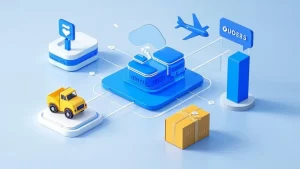
We get itcross-border e-commerce can feel a bit overwhelming. But don’t worry, we’re here to guide you! By partnering with reliable logistics providers, payment processors, and local distributors, you can tackle those challenges head-on. These partnerships bring local know-how, making it easier to follow regional rules, clear customs smoothly, and get orders delivered faster. For example, a good logistics company can help you avoid shipping delays and cut down on costs. And with a trustworthy payment processor, handling multiple currencies becomes super simple.
 

Build a Scalable and Efficient System


These collaborations also help your business run more smoothly and give your customers a better experience. For example, a local distributor in Japan might tell you that customers there value minimalistic packaging, which can help you tailor your product presentation. Or a distributor in Europe might highlight the growing demand for eco-friendly products, giving you a chance to adapt your offerings. By teaming up with the right partners, you can build an efficient, scalable system that not only supports growth but also helps you succeed in connecting with customers across international markets.


Invest in Technology and Customer Experience 


Technology is a real game-changer for e-commerce businesses. It makes everything smoother and stronger. For instance, AI-driven tools can predict which products will sell best next season, so you can stock up on what customers actually want. Imagine having a system that automatically updates inventory levels or flags low stock—no more overselling or running out at the wrong time! Automation tools, like chatbots for customer service or software that processes orders in seconds, save you hours and reduce mistakes, giving you more time to grow your business.

 

Facing Policy Changes with Confidence


And let’s not forget the customer experience—it’s just as crucial. For example, sending real-time updates like “Your package is out for delivery!” or offering hassle-free returns can help you build trust and loyalty. A customer easily returns a product and gets quick support, then he is much more likely to shop with you again.

By combining smart communication with cutting-edge tech, you can create a shopping experience. It not only keeps customers happy but also makes your brand stand out in a competitive market.

 

Let DropSure Be Your Dropshipping Game-Changer  


Just a friendly reminder: Changes in international policy can sometimes influence your dropshipping business. If you want to stay ahead in the global market, it’s important to be flexible and ready to adapt.

Sounds challenging? Don’t worry! DropSure is here to help. With our real-time policy tracking, you can prepare for changes before they even show up, so you’re not left in the dark.

And remember, it’s always smart to spread your markets and supply chains around. It’s not a good idea to put all your eggs in one basket, so don’t rely on just one supplier or one market.

With DropSure’s supply chain management tools, you’ll be all set! You can find reliable suppliers, streamline your logistics, and make sure you’re compliant with data privacy regulations. This way, you’re not just avoiding problems, you’re also building trust with your customers.


Buttom


DropSure is Your Best Partner
22 Years Experience
Affiliate Rebates
100% Quality Guarantee
Top-Up Rewards
10+ Global Warehouses
Custom Branding Support
Smart inventory System
24/7 Customer Support
Get a Quote in 24 Hours
Start Sourcing for Free

Keep Learning

As e-commerce continues to grow, entrepreneurs are increasingly looking for ways to streamline their business models and reduce upfront costs. Zendrop, a leading dropshipping platform, offers a powerful solution for online retailers seeking to build and scale their businesses without managing inventory or fulfillment themselves. In this guide, we’ll take a deep dive into Zendrop’s features, how it works, and why it’s becoming a go-to platform for e-commerce sellers in 2025. Whether you’re new to dropshipping or looking to enhance your existing business, this comprehensive guide will help you understand how Zendrop can drive efficiency and growth.   What is Zendrop? Zendrop is an e-commerce platform designed to simplify the dropshipping process for online retailers. It connects merchants with suppliers, allowing them to sell products without needing to manage inventory or handle fulfillment directly. Instead of purchasing large quantities of products upfront, dropshippers can source items from Zendrop’s catalog and have them shipped directly to customers as orders are placed. Zendrop focuses on providing a seamless experience for both new and experienced entrepreneurs. It offers features such as product customization, private labeling, and automatic order fulfillment, which allow businesses to scale quickly without the logistical headaches typically associated with traditional retail. Unlike many other dropshipping platforms, Zendrop emphasizes faster shipping times and high-quality suppliers, which is especially important for building trust with customers. With integrations to popular e-commerce platforms like Shopify, WooCommerce, and others, it enables store owners to easily sync products and manage their orders in one place. Is Zendrop Legit? One of the common questions about Zendrop is, “Is this legit?” So, let’s clear it up: Zendrop is absolutely legitimate.It has gained popularity in the e-commerce community due to […]

Hey there! Have you ever noticed that sometimes you post great content on Instagram, but it doesn’t get the engagement you were hoping for? Could it be that the timing was just off? That’s right! Timing is an important factor when it comes to Instagram success—it’s not just a coincidence. The right time to post can seriously boost your visibility and engagement, helping your post stand out in the crowded feed. So today, let’s talk about how to choose the best time to share your content and make sure you get those likes and comments! Understanding Instagram’s Algorithm Before we dive into the best times to post, it’s important to understand how Instagram’s algorithm works. Instagram doesn’t just show posts to everyone who follows you. Instead, it uses a combination of factors like content relevance, engagement, and post timing to decide who sees your post. The more likes, comments, and shares you get early on, the more likely Instagram is to push your post out to a larger audience. Timing matters because if you post when your followers are active, there’s a higher chance your content will get immediate engagement, which helps Instagram rank it higher in their feed. The more interaction your post gets, the better its visibility. Best Days and Times to Post on Instagram The best time and worst time to post on Instagram depends on your audience, but research from social media platforms like Sprout Social and Hootsuite offers these general insights: Sourced: Sprout Social Best Times: • Monday to Friday, 9 AM to 11 AM – Many people check Instagram during their morning breaks. • Late Afternoon, 5 PM to 7 PM – Engagement spikes […]

Is Amazon the Only Option? Think Again! When people think of online shopping, Amazon often comes to mind first. But did you know there are plenty of other e-commerce platforms that offer great alternatives—some with lower fees, niche markets, or better seller support? Whether you’re a seller looking for new opportunities or a shopper searching for unique products, exploring different platforms can open up exciting possibilities. Here are 15 e-commerce platforms that are giving Amazon a run for its money! Global E-commerce Platform  eBay Founded in 1995, eBay is one of the world’s earliest e-commerce platforms, headquartered in California, USA. Its core model is C2C and auction mechanism, allowing individuals or small businesses to trade second-hand goods, collectibles, niche goods, etc. through bidding or one-bite price. As of 2025, eBay covers more than 190 countries and regions, and users can conduct transactions through localized sites (e.g., eBay US, UK, etc.). The platform features long-tail goods (rare items, personalized goods) and flexible pricing. Core differences between eBay and Amazon  1. Business models and types of sellers ● eBay: Started as an auction model and later expanded to fixed-price sales, focusing on C2C and small B2C. Sellers are mostly individuals or small and medium-sized merchants, and their products are mainly second-hand, collectibles, and non-standard products. ● Amazon: B2C self-operated (Amazon Retail) and third-party merchants, focusing on standardized products and new products. The proportion of large brand names is higher, and the product categories are concentrated in standardized products such as electronic products, daily necessities and books. 2. Fee structure and logistics ● eBay: Fees include listing fees (product listing fees) and transaction fees (about 10-15% commission), no warehousing fees. No warehousing fees. […]

Recommended for you