< Blogs

What is Zendrop? A Complete Guide to the Dropshipping Platform in 2025

Vivan Z.
Created on December 9, 2024 – Last updated on February 6, 202510 min read
Written by: Vivan Z.

Zendrop 2

As e-commerce continues to grow, entrepreneurs are increasingly looking for ways to streamline their business models and reduce upfront costs. Zendrop, a leading dropshipping platform, offers a powerful solution for online retailers seeking to build and scale their businesses without managing inventory or fulfillment themselves. In this guide, we’ll take a deep dive into Zendrop’s features, how it works, and why it’s becoming a go-to platform for e-commerce sellers in 2025. Whether you’re new to dropshipping or looking to enhance your existing business, this comprehensive guide will help you understand how Zendrop can drive efficiency and growth.
 

What is Zendrop?

Zendrop

Zendrop is an e-commerce platform designed to simplify the dropshipping process for online retailers. It connects merchants with suppliers, allowing them to sell products without needing to manage inventory or handle fulfillment directly. Instead of purchasing large quantities of products upfront, dropshippers can source items from Zendrop’s catalog and have them shipped directly to customers as orders are placed.

Zendrop focuses on providing a seamless experience for both new and experienced entrepreneurs. It offers features such as product customization, private labeling, and automatic order fulfillment, which allow businesses to scale quickly without the logistical headaches typically associated with traditional retail.

Unlike many other dropshipping platforms, Zendrop emphasizes faster shipping times and high-quality suppliers, which is especially important for building trust with customers. With integrations to popular e-commerce platforms like Shopify, WooCommerce, and others, it enables store owners to easily sync products and manage their orders in one place.

Is Zendrop Legit?

One of the common questions about Zendrop is, “Is this legit?” So, let’s clear it up: Zendrop is absolutely legitimate.It has gained popularity in the e-commerce community due to its user-friendly interface, reliable product sourcing, and strong customer support. Zendrop has been operating for several years and has built a solid reputation within the dropshipping industry. Many entrepreneurs use Zendrop to grow their online stores, and there are positive reviews from users across various platforms, such as forums, blogs, and social media.

One of Zendrop’s strengths is its partnerships with verified suppliers, ensuring that products meet quality standards and are shipped on time. This is particularly important in dropshipping, where customer satisfaction depends heavily on product quality and delivery speed. Zendrop also integrates smoothly with e-commerce platforms like Shopify and WooCommerce, making it easier for store owners to manage products and orders without technical difficulties.

Additionally, Zendrop offers reliable customer support through multiple channels, including email and live chat, to help users resolve any issues that may arise. Their pricing structure is clear and transparent, with no hidden fees, and they provide various subscription plans to fit different business needs. The platform is also known for offering faster shipping times compared to many other dropshipping services and provides options for product customization, which enhances the overall customer experience.

How to Use Zendrop

Using Zendrop to start or grow your dropshipping business is straightforward and efficient. Here’s a step-by-step guide to help you get started:

Sign Up for an Account 

First, you’ll need to create a Zendrop account. Visit their website and click on the “Sign Up” button to create an account. You’ll be prompted to enter basic information, such as your name, email address, and a password.

Create an account 1

Connect Your E-Commerce Platform 

After registering, the next step is to integrate Zendrop with your online store. Zendrop supports popular e-commerce platforms like Shopify, WooCommerce, and others. To connect, you’ll follow the provided instructions to sync your store with Zendrop. This allows for seamless order management and product syncing.

connect your store to shopify

Browse and Add Products 

Once your store is connected, you can start browsing Zendrop’s catalog of products. You can search by category, filter products by criteria like shipping times, and view product details. Once you’ve found products that fit your niche, you can easily add them to your store with a click of a button.
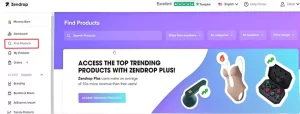
Find Products 3

Customize Your Products 

If you want to build a unique brand, Zendrop offers the option to customize products with your own branding, such as labels or packaging. This is ideal for creating a professional, personalized customer experience.
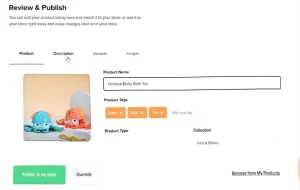
review&publish

Set Your Pricing 

After adding products to your store, you can set your own pricing based on your desired profit margin. Zendrop provides the cost price of each product, and you can decide on the markup you want to apply when selling it to your customers.
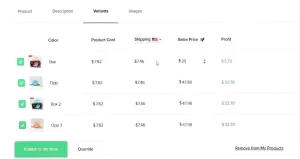
pricing 

Manage Orders and Fulfillment 

When a customer places an order in your store, Zendrop automatically fulfills the order. You don’t need to handle inventory or packaging—Zendrop takes care of everything. You’ll receive notifications as the order is processed and shipped, and you can track the order status through your Zendrop account.

fulfiiled

Monitor Your Sales and Performance 

Zendrop provides analytics and reporting tools so you can track your sales, orders, and performance. This data helps you identify your top-selling products and optimize your business for better profits.

Customer Support and Troubleshooting 

If you encounter any issues or have questions, Zendrop offers customer support via live chat or email. You can contact them for assistance with order fulfillment, product sourcing, or technical problems.

Does Zendrop Ship to the EU?

Zendrop does ship to the EU, making it a viable option for businesses targeting European customers. The platform offers international shipping, including to several European countries, allowing dropshipping entrepreneurs to expand their reach to the European market.

Here is the list of EU countries supported by Zendrop:Countries

Zendrop works with reliable suppliers who are capable of fulfilling orders to EU destinations, ensuring that products are delivered in a timely manner. The shipping times vary depending on the supplier and product, but Zendrop is known for providing faster shipping options compared to many other dropshipping services. This is particularly important for maintaining customer satisfaction and reducing the risk of late deliveries.

While Zendrop covers a broad range of countries in the EU, it’s important to keep in mind that certain countries may have specific customs or import duties. It’s recommended to be aware of these potential costs, as they may affect the final price your customers pay.

Additionally, Zendrop provides the option to filter products based on shipping location, allowing you to select products that are closer to your EU-based customers, which can help reduce shipping times and improve delivery efficiency.

Overall, Zendrop’s shipping capabilities to the EU make it an excellent choice for dropshippers looking to serve European markets, with the added benefit of faster and reliable fulfillment options.
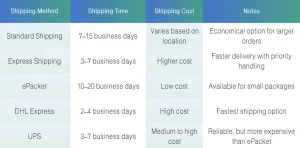
Here is the table with detailed shipping times and costs for Ship to the EU:shipping method cost and time

Note: Shipping costs vary depending on the product, weight, and destination within the EU.

 

Does Zendrop Automatically Fulfill Orders? 


When a customer places an order on your online store, Zendrop takes care of the entire order fulfillment process—from sourcing the product to shipping it directly to your customer.

Here’s how it works:

Order Placement: Once a customer places an order on your e-commerce store (whether it’s on Shopify, WooCommerce, or another platform integrated with Zendrop), the order is automatically synced to your Zendrop account.


Automatic Order Processing: Zendrop’s system automatically processes the order and notifies the supplier to fulfill it. You don’t need to manually place an order with the supplier or worry about tracking inventory. The platform ensures that the supplier has the product in stock and handles the entire order workflow.


Shipping and Tracking: Zendrop then ships the product directly to your customer, using the shipping method selected by the customer during checkout. You’ll receive tracking information, which you can pass on to your customer for transparency.


No Inventory Management: One of the major benefits of using Zendrop is that you never need to deal with inventory. Since the platform automatically fulfills orders directly from suppliers, you don’t have to worry about stock levels, storage, or handling shipments yourself. This allows you to focus on other aspects of your business, such as marketing and customer service.


Custom Branding: If you’ve set up product branding or private labeling through Zendrop, the platform ensures that the product is shipped with your branding and packaging, providing a professional and cohesive experience for your customers.

This level of automation not only saves time but also reduces the risk of human error, making Zendrop an efficient tool for scaling your dropshipping business. The automatic order fulfillment feature is especially valuable for businesses with high order volumes, allowing you to manage your store with minimal manual effort while still offering a reliable service to customers.

Zendrop is evolving as one of the most reliable and efficient dropshipping platforms in 2025, offering everything from product sourcing to custom branding and fast shipping. With its seamless integrations, user-friendly interface, and strong customer support, Zendrop provides the tools you need to run a successful e-commerce business with ease. Whether you’re targeting customers in the U.S., Europe, or other international markets, Zendrop simplifies the fulfillment process so you can focus on what really matters—growing your brand. If you’re ready to take your online business to the next level, Zendrop might just be the solution you’ve been looking for.

Blog Buttom

DropSure is Your Best Partner
22 Years Experience
Affiliate Rebates
100% Quality Guarantee
Top-Up Rewards
10+ Global Warehouses
Custom Branding Support
Smart inventory System
24/7 Customer Support
Get a Quote in 24 Hours
Start Sourcing for Free

Keep Learning

Among all the dropshipping categories, beauty and health products have become a go-to choice for countless sellers in recent years — practically everyone is placing orders in this niche. You might be wondering: what exactly makes these products so irresistible? Is it the high margins? The booming trend? The strong customer stickiness? The truth is — it’s all of the above. This isn’t just a profitable track; it’s an ever-expanding pie, and if you cut in at the right time and place, there’s definitely a slice waiting for you. In this article, we’ll take a clear, multi-angle look at the true potential of this niche — plus unveil 10 must-watch beauty and health dropshipping products for 2025. Packed with practical insights — bookmark this one, you’ll want to come back. Why Choose Beauty and Health Products for Dropshipping?  Here’s the English translation with a natural, engaging tone that fits a dropshipping or marketing context: First of all, the profit margins are impressive. Beauty and health products generally have low sourcing costs, but consumers are often willing to pay premium prices for perceived results and brand value. That means you don’t need to compete in a price war to make solid profits. Second, the market is massive—and still growing. According to IMARC Group, the global beauty and personal care market reached $530 billion in 2024 and is expected to grow to $803 billion by 2033. In other words, it’s not only a huge market, but also one with strong upward momentum. Third, these products have high customer stickiness and repeat purchase rates. Skincare and makeup products, once they earn a user’s trust and become part of their routine, often lead to […]

In April 2025, U.S. President Donald Trump announced a series of tariff policies dubbed “Liberation Day.” He claimed these tariffs would boost American manufacturing, protect jobs, and imposed additional duties on goods imported from dozens of so-called “worst offenders,” raising tariffs on Chinese products to as high as 125%. At the same time, these measures are having a profound impact on businesses operating on platforms like Shopify and on the broader cross-border e-commerce landscape. The steep rise in import costs has fundamentally reshaped the e-commerce environment, forcing sellers to embark on a quest for new supply chain solutions. In the following sections, we’ll dive into the latest developments and explore the far-reaching implications these changes hold for online businesses. Tariffs: What They Are and How They Work Simply put, tariffs are taxes you pay when buying goods from another country. In most cases, tariffs are calculated as a percentage of the product’s value. For example, if an item is worth $10 (roughly £7.59) and the tariff rate is 25%, you’d need to pay an additional $2.50 (about £1.90) in tax. Now, if a 125% tariff is applied to goods imported from China, that means a $10 product would incur an extra $12.50 in tax. So who pays this tax? It’s the companies that bring foreign goods into the U.S.—the importers. They’re the ones responsible for paying the tariff to the government. When is the tax paid? Right when the goods go through U.S. customs, the tariff has to be paid. Of course, businesses often have their own strategies. They may choose to pass on some or all of that added cost to consumers, making shoppers ultimately bear the burden. Overview […]

When it comes to user experience (UX) design, a lot of people’s first reaction is something like, “Isn’t that just making the interface look good?”, “Isn’t that the same as UI?”, or “Isn’t it just about making things feel nice for the user?” Well… yes and no. UX design is so much more than just “looking good” or “feeling comfortable.” It’s a lot deeper—and a lot more strategic—than most people realize. What Is UX Design? UX stands for User Experience. Simple enough, right? But let’s be honest — “experience” is a pretty vague word. Is it a feeling? A process? A journey? Actually… it’s all of those things. So what exactly is user experience? Here’s a simple way to think about it: UX is everything a user perceives throughout their entire interaction with your product. Yes, everything. Not just whether your interface looks good or your buttons are easy to tap. UX also includes: How fast your app loads when you open it. Whether the feature names make sense — or leave you scratching your head. That moment you’re forced to fill out a form and get hit with annoying format rules. How responsive (or not) the customer support is. Whether the return process feels smooth or like pulling teeth. Even that final feeling you have when you uninstall the app — that counts too. This is why UX design isn’t just about making things look nice. It’s a systematic way of thinking, with one core mission: Take users from “I want to try this” to “I love this” — and eventually, “I can’t live without it.” What Does UX Design Actually Include At its core, UX design is about […]

Recommended for you