
















Finding winning products is one of the hardest parts of running an online business. Many sellers spend months testing items blindly, investing in inventory or advertising without clear signals of demand. Meanwhile, successful brands appear to launch products that immediately gain traction. The difference often comes down to research — not guesswork. One of the most powerful yet underused tools available today is the Facebook Ads Library. Originally created for advertising transparency, this free platform provides a real-time window into active advertisements running across Facebook and Instagram worldwide. For entrepreneurs, dropshippers, marketers, and product researchers, the Ads Library offers something extremely valuable: live evidence of what companies are currently spending money to promote. And where sustained ad spending exists, strong product performance usually follows. This guide explains how to systematically analyze Ads Library data to uncover the traits shared by high-converting products — and how to apply those insights to your own product research strategy. What Is the Facebook Ads Library? The Facebook Ads Library is a public database maintained by Meta Platforms that displays active advertisements running across its platforms. Anyone can search and view: Active ads from brands worldwide Creative formats (video, image, carousel) Ad copy and messaging Landing page destinations Duration of ad activity Unlike traditional competitor research tools, this platform shows real advertising behavior, not speculation. Why Ads Reveal Winning Products Advertising costs money. Businesses rarely continue running ads that lose money over long periods. If a brand keeps an ad active for weeks or months, it typically indicates: Consistent sales performance Profitable customer acquisition Strong audience response Scalable demand In short, active advertising often signals validated products. The Core Concept: Reverse Engineering Instead of Guessing […]

April 7, 2026

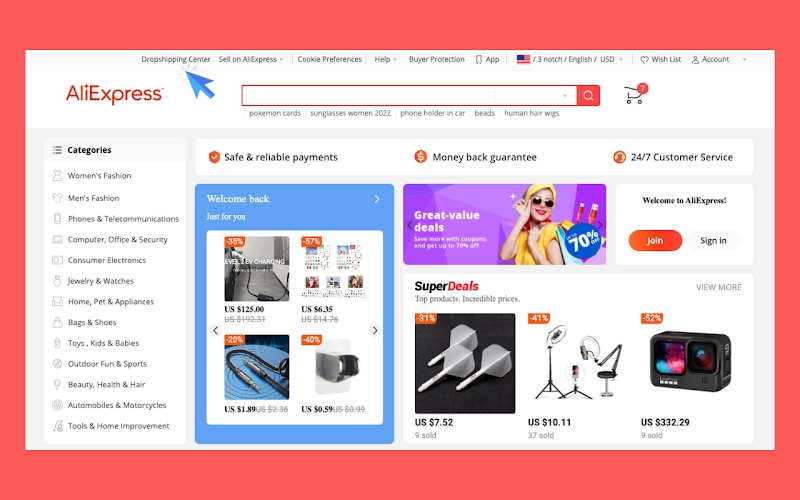
In the world of eCommerce and dropshipping, few platforms provide as much publicly visible market data as AliExpress. Every day, millions of buyers interact with products, leave feedback, generate sales history, and create behavioral signals that sellers can analyze. For many beginners, product research starts and ends with one number: order volume. A listing showing 10,000 orders feels safe. A product with only 50 orders feels risky. The assumption seems logical — more orders must mean a better product. Yet experienced sellers know that raw order numbers rarely tell the full story. Behind every order count lies a deeper set of signals about demand stability, competition intensity, lifecycle timing, and profit potential. Sellers who learn to interpret these signals correctly gain a significant advantage when selecting products. This article explores three core metrics derived from AliExpress data that reveal what order volume actually means — and how to identify real opportunities hidden behind the numbers. Why Order Volume Alone Is Misleading Order volume is attractive because it simplifies decision-making. It appears objective and easy to compare. However, it suffers from several limitations: Orders accumulate over time rather than reflecting current demand. Viral products inflate numbers temporarily. Mature products may show large totals despite declining interest. High sales often attract intense competition. A product with 20,000 historical orders may actually be slowing down, while a product with 300 recent orders could be rapidly emerging. Understanding context is more important than reading totals. The Data Advantage of AliExpress Unlike many wholesale platforms, AliExpress exposes multiple layers of buyer interaction data: Total orders Reviews and ratings Store history Pricing trends Shipping activity Variation performance When analyzed together, these signals reveal market dynamics normally […]

April 1, 2026

Introduction: The Hidden Truth Behind Successful Product Selection Many businesses believe product selection begins with trends, pricing opportunities, or supplier catalogs. Entrepreneurs scroll through marketplaces, analyze competitors, and chase what appears to be selling fastest. Yet the most durable brands in modern commerce follow a completely different principle: Product selection is actually people selection. Every successful product implicitly answers one question: Who is this for — and what kind of person becomes loyal to it? When brands fail to define identity first, they often experience familiar problems: Inconsistent product catalogs Weak customer loyalty High return rates Price competition instead of value competition Marketing that feels scattered or ineffective On the other hand, brands that begin with a clearly defined identity rarely struggle with product decisions. Their products feel coherent, intentional, and naturally aligned with customer expectations. This article explores a practical framework for reversing the traditional process — starting from Brand Identity and working backward to determine exactly which products belong in your lineup and which should never be added. Part 1: What Brand Identity Really Means (Beyond Logos and Colors) Many entrepreneurs misunderstand brand identity as visual design elements: Logo Typography Packaging aesthetics Website colors While these matter, they are only surface expressions. True brand identity is a behavioral promise. It answers five deeper questions: What problem philosophy do you believe in? What type of customer do you prioritize? What emotional outcome do customers experience? What standards will you never compromise? What kind of lifestyle does your brand represent? Think of brand identity as a personality system rather than a visual system. Identity vs. Image Image = what customers see. Identity = what decisions you consistently make. Customers trust […]

March 31, 2026

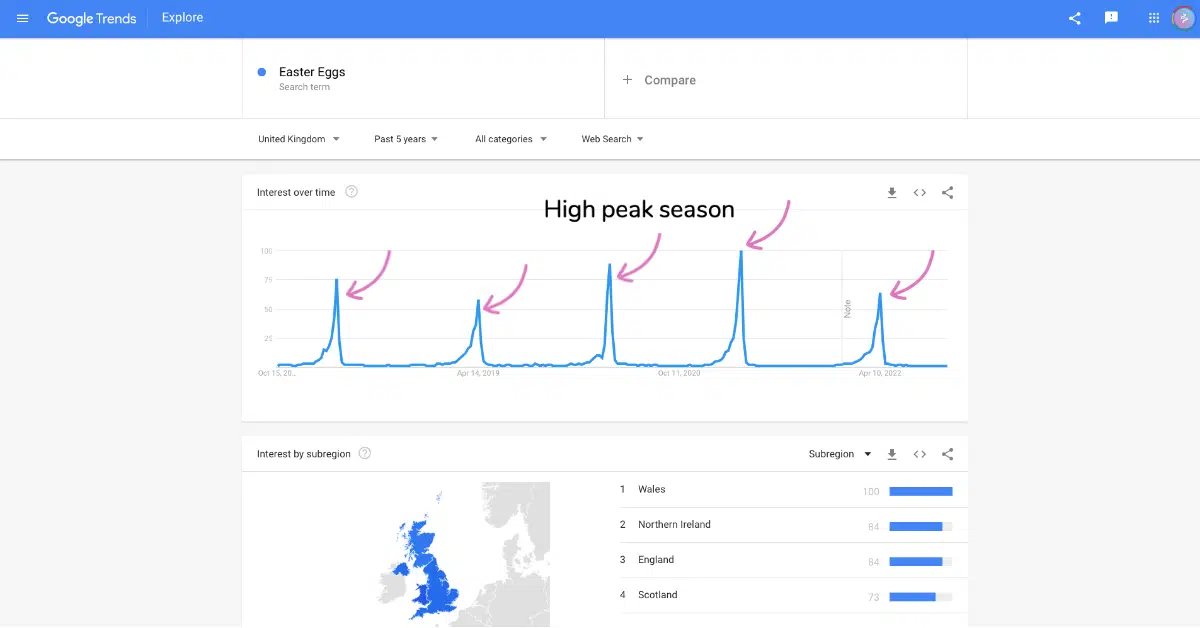
In today’s fast-moving digital marketplace, timing often matters more than product selection itself. Many sellers fail not because they choose bad products, but because they enter the market too late — after demand has already peaked and competition has intensified. The difference between average performers and consistently successful operators often comes down to one skill: predicting demand before it becomes obvious. Search behavior provides one of the most reliable early indicators of consumer intent. Among the available tools, Google Trends stands out as one of the most powerful yet underutilized resources for forecasting seasonal demand patterns. When used at an advanced level, search trend analysis can help you anticipate emerging seasonal products roughly three months before peak sales periods. This article explores a structured framework for interpreting search data, identifying early signals, and turning raw trend information into actionable forecasting insight. Why Search Data Predicts Market Demand Every purchase journey begins with curiosity. Before consumers buy, they search. Before trends appear on marketplaces, they appear in search queries. And before large-scale demand spikes, small increases in interest quietly emerge in search data. Search behavior reflects: Early consumer awareness Problem recognition Product discovery Comparison research Purchase intention Because searching happens earlier than purchasing, analyzing search patterns allows forward-looking prediction instead of reactive decision-making. Understanding the Three-Month Demand Window Seasonal products rarely explode overnight. Most follow a predictable timeline. Phase 1: Early Curiosity (90–120 Days Before Peak) Consumers begin exploring ideas and gathering inspiration. Examples: Holiday decorations Outdoor equipment Seasonal clothing Pest-control solutions Search volumes rise slowly but consistently. Phase 2: Planning Stage (45–75 Days Before Peak) Buyers compare options and research specific products. Search queries become more detailed. Phase 3: Purchase […]

March 30, 2026

Many entrepreneurs experience the same confusing moment: a product becomes a bestseller, orders increase rapidly, traffic grows, and sales dashboards look impressive—yet profits remain disappointing or even negative. At first glance, this feels contradictory. If a product sells well, shouldn’t it naturally generate strong earnings? In reality, high sales volume and profitability are not the same thing. Some of the most popular products in online commerce operate on razor-thin margins or hidden losses. What appears to be success on the surface often masks structural cost problems buried deep within supply chains and customer acquisition systems. This article explores why best-selling products frequently fail to produce meaningful profits and how supply chain dynamics and advertising economics quietly determine whether a product truly succeeds. The Illusion of the “Winning Product” Online business culture often celebrates the idea of a “winning product.” Metrics such as: high daily orders viral popularity strong click-through rates growing social engagement create a sense of momentum. However, revenue growth alone reveals very little about financial health. A product can achieve: record sales volume consistent demand strong visibility while simultaneously losing money on every transaction. The core issue lies in misunderstanding unit economics. Revenue vs. Profit: The Critical Difference Revenue measures how much money flows into a business. Profit measures what remains after every cost is accounted for. Hidden expenses often include: logistics variability return processing advertising inefficiencies packaging costs payment processing fees inventory risk When these accumulate, margins disappear quietly. Many sellers discover profitability problems only after scaling—when losses multiply alongside sales. The Supply Chain: Where Profit Begins or Ends The supply chain determines the foundational cost structure of any product. Even small inefficiencies compound dramatically at scale. […]

March 27, 2026

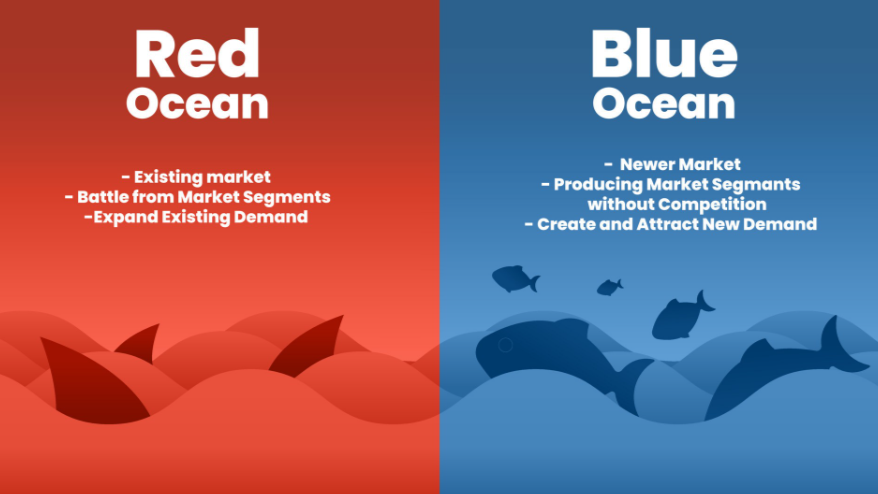
In today’s digital commerce landscape, many entrepreneurs enter markets filled with excitement—only to discover they are competing against massive brands with deeper budgets, stronger logistics, and years of accumulated customer trust. Competing directly in these saturated environments often leads to shrinking margins, rising advertising costs, and constant pressure to discount. Yet successful independent brands continue to emerge every year. They grow steadily, build loyal audiences, and achieve profitability without battling industry giants head-on. Their secret is not luck or massive funding. They succeed because they identify low-competition, high-value niche markets—spaces where demand exists but dominant players have not fully optimized solutions. This guide explores how to systematically uncover these opportunities, validate them, and position your business away from crowded red oceans and toward sustainable growth. Understanding the Difference Between Red Oceans and Niche Opportunities A red ocean represents markets where competition is intense, products are highly similar, and price becomes the primary differentiator. Typical characteristics include: Hundreds of near-identical products Heavy discounting High advertising costs Short product lifecycles Low customer loyalty Examples often include generic electronics accessories, basic apparel categories, or commodity home goods. A low-competition niche, by contrast, has: Specific unmet needs Clear customer identity Emotional purchasing motivation Specialized use cases Limited optimized solutions The goal is not to find markets without competitors. Instead, it is to find markets where competition does not yet fully understand the customer problem. Why Competing With Giants Is Usually a Strategic Mistake Large brands dominate through advantages that smaller businesses cannot easily replicate: economies of scale advanced supply chains established trust signals massive marketing budgets brand recognition Trying to outspend or outscale them often results in financial exhaustion. However, large companies also have […]

March 27, 2026
1 2 3 4 44
DropSure is Your Best Partner
22 Years Experience
Affiliate Rebates
100% Quality Guarantee
Top-Up Rewards
10+ Global Warehouses
Custom Branding Support
Smart inventory System
24/7 Customer Support
Get a Quote in 24 Hours
Start Sourcing for Free