En
En
 12 min read
Are you thinking about starting an online business but feel stressed over renting warehouses, stocking products, and spending a lot of money upfront? Don’t worry, there’s a solution called dropshipping.
It’s perfect for beginners! With this model, you won’t need to worry about inventory or making big investments. You can easily start your business without the hassle.
What is Dropshipping?

Dropshipping is a popular fulfillment method for cross-border sellers. It’s a straightforward process: sellers showcase products on their website, and once an order is placed, they buy the item from a supplier who ships it directly to the customer.
This efficient model allows sellers to avoid the hassle of managing inventory while offering a seamless shopping experience to their customers.The diagram below clearly illustrates this process.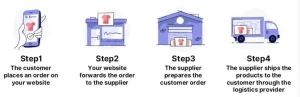
Although dropshipping has been around for less than a decade, it has grown rapidly. This is clearly reflected in the stock price growth of Shopify.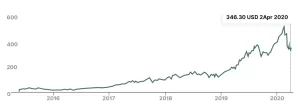
In May 2015, Shopify’s stock price was less than $30, but by its peak in February 2020, it had skyrocketed to an astonishing $531.22. In less than five years, the stock price surged nearly 19 times—an incredible leap! From Shopify’s stock price growth chart, it’s clear that dropshipping has been booming in recent years.
Dropshipping mainly involves three parties: the customer, the dropshipper, and the suppliers.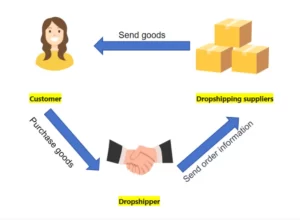
Let’s focus on introducing the two roles that might be less familiar—dropshippers and dropshipping suppliers.
What is a Dropshipper?

A dropshipper is an individual or business engaged in dropshipping operations. In the dropshipping business model, the dropshipper runs an online store. When a customer places an order, the dropshipper forwards the order details to a supplier, who then ships the product directly to the customer.
For example, John is a dropshipper who runs an online clothing store. When a customer buys a T-shirt from his store, John receives the order and sends the customer’s shipping address and the T-shirt details to the manufacturer (supplier). The manufacturer then ships the T-shirt directly to the customer, so John doesn’t need to stock any inventory.
John’s main tasks include promoting his online store—like running ads on social media to attract more customers, handling customer inquiries and after-sales issues, and maintaining good communication with the manufacturer. John earns money by selling the T-shirt at a higher price than what he pays the manufacturer, with the difference being his profit.
What are Dropshipping suppliers?

Some well-known dropshipping suppliers include AliExpress, which offers a wide range of products at competitive prices, making it a go-to source for sellers worldwide. Oberlo, integrated with Shopify, allows sellers to easily import products. Spocket focuses on suppliers from the U.S. and Europe, offering faster shipping and generally higher product quality.
How to start dropshipping?
Not sure where to start? Here’s a detailed guide on how to begin your dropshipping business:
- Choose a Niche Market
- Find Reliable Suppliers
- Set Up Your Online Store
- Product listing and management.
- Customer Service
- Logistics and Delivery Management
- Social Media Marketing
1.Choose a Niche Market
Think about product categories you are passionate about or familiar with. For example, if you’re into fitness, potential options could include fitness equipment, workout apparel, or nutritional supplements.
You can also use tools like Google Trends to check the search trends for your chosen field and see if the market is growing or shrinking. Finally, browse platforms like Amazon or eBay to observe sales and customer reviews for similar products to evaluate market demand.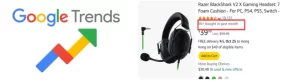
2.Find Reliable Suppliers
You can use several online platforms to search for suppliers:
AliExpress: A globally recognized platform with a wide variety of products to choose from. The advantage is the diverse product selection and competitive prices, but the downside is that supplier quality can vary, so careful screening is needed.
SaleHoo: This is a supplier directory that pre-screens and audits its suppliers, making it a more reliable option. However, the product selection might not be as vast as AliExpress.
Worldwide Brands: This platform offers verified suppliers, focusing on working with well-known brands and trustworthy suppliers. It’s great for finding high-quality products, but the entry fees and requirements can be higher.
3.Set Up Your Online Store
The first step is to choose an e-commerce platform. Here are the two main options:
Shopify: This platform is beginner-friendly with a simple interface. It offers a variety of templates and plugins to easily design your website and extend its functionality. Shopify also integrates with many suppliers and payment gateways, making it ideal for dropshipping. The downside is that it requires a monthly fee (pricing varies by plan), and if you don’t use Shopify Payments, transaction fees may increase your operational costs.

WooCommerce (based on WordPress): If you’re already familiar with WordPress, WooCommerce will be easy to use. It’s open-source, offers a wide range of plugins, and is highly customizable. The cost is relatively low (you only need to pay for the domain, hosting, and plugins). However, it requires some technical knowledge for installation, setup, and maintenance, making it a bit more complex than Shopify.
Other platforms, like Squarespace or BigCommerce, also have their own pros and cons, so you can choose based on your needs and budget.
4.Product listing and management.
Here are a few key points to keep in mind:
Product Information Entry: Accurately input the selected product details into your website, including product names, images, descriptions, specifications, and pricing. Write engaging product descriptions that highlight the features and benefits, and address potential customer questions.
Inventory Management: Even in a dropshipping model, it’s crucial to maintain close communication with your suppliers to stay updated on product stock levels. Set up inventory alert systems so that when stock is low, you can notify the supplier to restock or adjust the product status on your website (such as marking it as out of stock).
Product Updates and Optimization: Regularly update product information based on market feedback and new details from suppliers, such as introducing new styles or improved features. Also, optimize product images and descriptions to enhance product appeal and boost conversion rates.
5.Customer Service
First, offer multiple communication channels for customers, such as live chat (via chat plugins), email, and social media messaging. Ensure timely responses to customer inquiries and feedback to improve satisfaction.
Next, create a FAQ section. Compile and post answers to common questions on your website, covering topics like product information, purchasing process, payment methods, and shipping details. This helps customers quickly find solutions to common issues, reducing the number of inquiries.
Lastly, establish a clear complaint resolution process. When customers encounter problems (such as product defects or shipping delays), resolve them quickly and effectively. Apologize sincerely, offer reasonable solutions (such as refunds, exchanges, or compensation), and aim to turn unhappy customers into satisfied ones.
6.Logistics and Delivery Management
First, focus on choosing the right shipping options. Negotiate with suppliers to determine the logistics methods, and understand the costs, speed, and service quality of each option. Common methods include postal services, express shipping (like DHL, FedEx), and dedicated logistics lines. Choose the most suitable method based on product characteristics and customer needs.
Next, inform customers about delivery times. Clearly state the estimated delivery time on your website to avoid dissatisfaction due to long waiting periods. Also, provide tracking information so customers can monitor their package status in real-time.
Lastly, handle logistics issues promptly. When problems like lost packages or delays occur, communicate quickly with the logistics provider and the customer to resolve the issue. Minimize the impact of logistics issues on the customer experience.
7.Social Media Marketing
Start by selecting the right social media platform based on your target audience. For example, Facebook caters to a wide age range and various types of products, while Instagram focuses on visual appeal, making it ideal for fashion, beauty, and lifestyle products. TikTok, on the other hand, is great for trendy and youthful products.
In terms of content creation, optimize customer experience by focusing on three aspects: product showcases, brand storytelling, and engaging content that fosters community interaction.
Why choose to be a Dropshipper?

Dropshipping offers more possibilities for those who have nothing—no capital, no technical skills, no experience—yet still want to make money. Why is that? Let’s explore it together.
Low Capital Requirements
Becoming a dropshipper doesn’t require a large upfront investment. Unlike traditional businesses, you don’t need to purchase a lot of inventory in advance or rent a warehouse to store products.
No Need for Specialized Skills
Compared to industries that require technical expertise or certifications, the dropshipping model demands relatively low professional skills. While having some knowledge of e-commerce operations and marketing is helpful, it’s not essential.
Easy Inventory Management
You don’t need to worry about overstocking or running out of inventory. Since you only purchase products from suppliers after receiving customer orders, it eliminates the risk of tying up funds in unsold goods and prevents losses from slow-moving inventory.
Hassle-Free Shipping
The supplier handles product packaging and shipping, so the dropshipper doesn’t need to deal with logistics.
This means no need to negotiate with shipping companies or arrange delivery schedules.
Access to a Global Market
With the internet, dropshipping businesses can easily reach a global audience. As long as you have an internet connection and the right marketing strategies, you can tap into potential customers from different countries and regions.
Low Business Risk
You don’t have to worry about being heavily impacted by changes in supplier relationships.
If issues arise with a supplier, it’s relatively easy to switch to another, as there are many options available.
The Benefits of Being a Dropshipper
As a dropshipper, the benefits are numerous and highly appealing.

Increase customers
Wholesale customers can showcase and promote products to their own clients, indirectly helping online merchants reach a wider audience.

Save on money, time, and effort
Both merchants and wholesale buyers save time during the order fulfillment process.Wholesalers don’t need to purchase unsellable inventory, reducing burdens for both parties.

Increase wholesale buyers
Wholesale buyers prefer dropshipping wholesalers because they don’t need warehouses or stock.This means they don’t have to worry about the complexities of inventory storage, stock rotation, or the risk of unsold goods.

Variety
Wholesalers can list as many products as they want on their website without additional inventory costs, meeting different buyer needs.

Efficient time management
Dropshipping doesn’t require full-time commitment, allowing merchants to balance existing jobs and the business.

Hobbies into income
Wholesalers can build dropshipping stores around their personal interests and expertise, turning hobbies into profitable businesses.

Upskill
Running a dropshipping business helps develop skills in social media management, digital marketing, customer relationship management, and website performance analysis, increasing competitiveness in the wholesale market.
Easy to experiment
Dropshipping stores can easily test new products without heavy inventory investments, allowing for quick adjustments if a product doesn’t sell well.

Focus on Marketing
Without the need to handle inventory storage, packaging, or shipping, merchants can focus more on promoting wholesale products and engaging with buyers.
Whether you’re looking to launch your first online store or expand your existing business without the hassle of managing inventory, dropshipping offers a flexible solution.
Take the first step today, and explore how dropshipping can simplify your operations and boost your e-commerce success.