














 En
En
 9 min read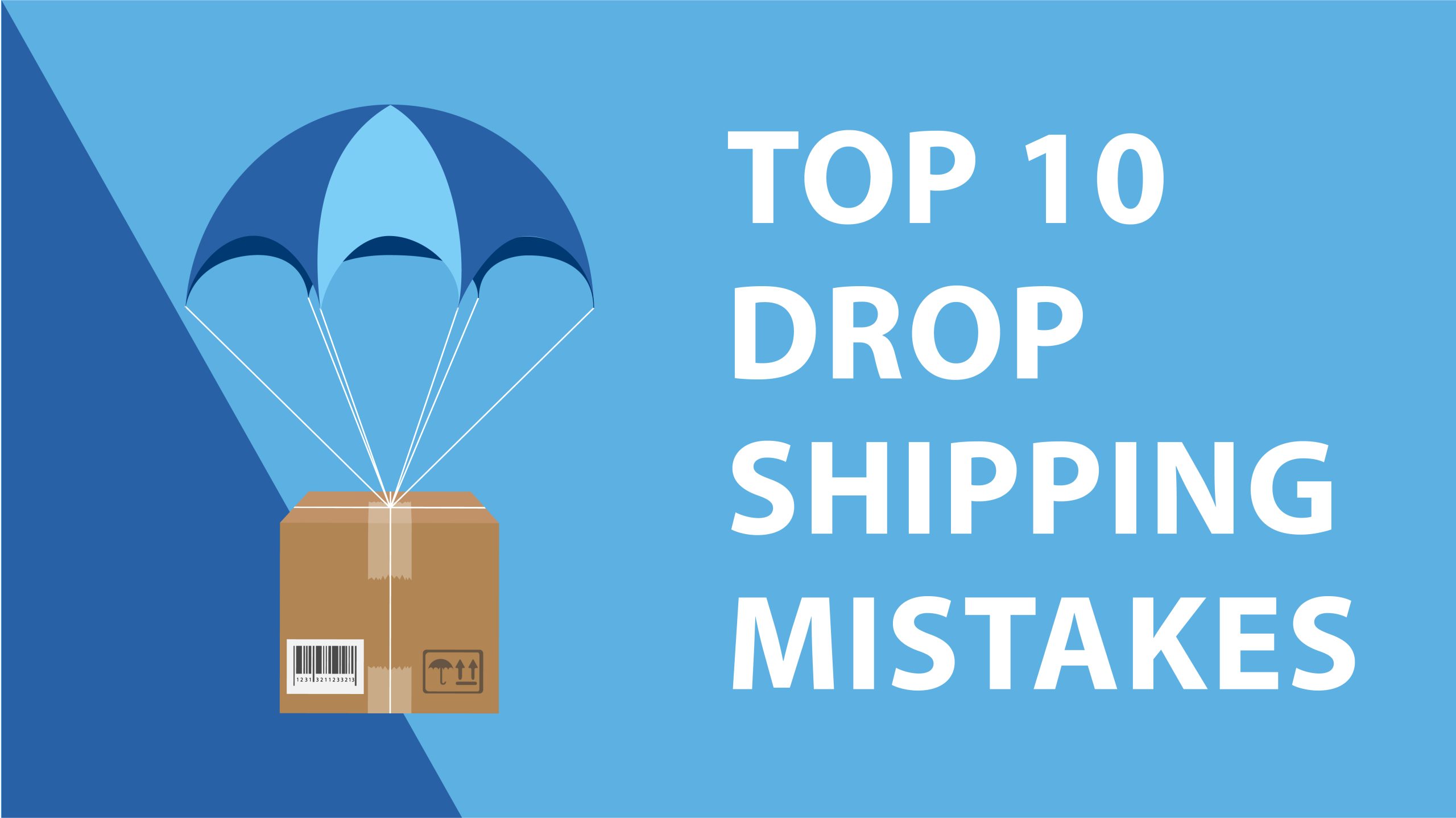
Dropshipping has become one of the most accessible online business models in the world. With low startup costs, no inventory risk, and the ability to sell globally, it attracts thousands of new entrepreneurs every month. But while dropshipping looks simple from the outside, the learning curve is much steeper than most newbies expect. Many beginners rush in with unrealistic expectations, poor strategies, or the wrong mindset—leading to slow growth, wasted money, and early burnout.
If you’ve been running a dropshipping store and feel stuck…
If your ads aren’t converting…
If suppliers are letting you down…
Or if you simply want to avoid the classic mistakes most first-time sellers make…
This guide is for you.
In this comprehensive article, we break down the 10 most common mistakes beginners make in dropshipping, why they happen, and most importantly—how to fix them immediately. Whether you’re selling through Shopify, WooCommerce, TikTok Shop, or other platforms, these lessons apply universally.
Let’s dive in.
1. Choosing Products Based on Personal Preference Instead of Market Demand
One of the most common beginner mistakes is choosing a product simply because:
-
“I think this looks cool.”
-
“I would buy this.”
-
“My friends like it.”
But dropshipping is NOT about what you like. It’s about what the market wants.
Why it’s a mistake
Your personal taste has zero correlation with:
-
consumer demand
-
search volume
-
competition level
-
profitability
-
scalability
Beginners often fall in love with their product idea, but the market doesn’t feel the same way.
How to avoid it
Use data—not emotion—to pick products.
Analyze:
-
Search volume (Google Trends, TikTok search, Amazon data)
-
Past performance (AliExpress, Amazon bestseller lists)
-
Engagement on social media (TikTok, Instagram, Pinterest)
-
Competitor ad performance (Meta Ad Library, TikTok Creative Center)
A good dropshipping product should have:
-
A proven audience
-
Clear demand
-
Visual appeal for ads
-
Problem-solving value
Quick tip
If you need to convince yourself a product will sell, it probably won’t.
2. Choosing the Cheapest Supplier Instead of the Most Reliable
Many beginners focus only on supplier price, thinking:
“Lower cost = higher profit margin.”
But if the product arrives late, damaged, or not at all, customers will demand refunds—and your profits evaporate.
Why it’s a mistake
Cheap suppliers often mean:
-
slow shipping
-
low-quality materials
-
inconsistent stock
-
poor packaging
-
no customer support
This leads to:
-
chargebacks
-
angry emails
-
negative reviews
-
account suspensions
How to fix it
Choose suppliers based on:
-
shipping speed
-
product quality
-
responsiveness
-
return policy
-
consistency
Sources like:
-
CJdropshipping
-
Zendrop
-
SourcinBox
-
USA/EU warehouses
-
Private agents (best option once scaling)
Beginner rule
A reliable supplier saves you more money in the long run than a cheap supplier ever will.
3. Running Ads Without Understanding the Basics of Marketing
Many beginners think ads work like magic:
-
Launch a campaign
-
Wait for sales
-
Profit
But digital ads require:
-
strategy
-
audience targeting
-
creative testing
-
optimization
-
budget management
-
data interpretation
Why it’s a mistake
Most new dropshippers:
-
launch ads with no testing structure
-
copy competitors blindly
-
don’t understand CPM, CTR, CPA, ROAS
-
panic when ads don’t work immediately
-
scale too early
How to fix it
Learn the basics of paid advertising:
-
How to test creatives
-
How to build a proper funnel
-
How to analyze cost per click and conversion rate
-
How to use retargeting
-
How to optimize based on data
Even spending $5–10/day on experiments can teach you a lot.
Pro tip
Ads fail more due to creative weakness than targeting.
A strong video ad will sell almost anything.
4. Ignoring the Importance of a Branded Store Design
Beginner stores often look like this:
-
Random color scheme
-
Ugly fonts
-
Low-quality images
-
Stock descriptions copied from AliExpress
-
No branding
-
No trust badges
-
No consistent style
Customers immediately sense it’s a dropshipping store—and bounce.
Why it matters
People don’t buy from stores they don’t trust.
If your store looks cheap, shoppers assume your product is cheap too.
How to fix it
Invest time in creating a brand:
-
Use clean fonts
-
Choose a simple color palette
-
Add high-quality product photos
-
Rewrite descriptions to be persuasive and clear
-
Use lifestyle images, not just supplier photos
-
Add FAQs, shipping policy, refund policy
-
Display trust signals
A polished store can double your conversion rate.
Sometimes the difference between a 1% CR and 2% CR is simply design.
5. Setting Unrealistic Expectations and Giving Up Too Early
Many beginners believe dropshipping is:
-
fast money
-
passive income
-
guaranteed profit
-
easy to scale
But in reality:
-
most winning stores lose money before making money
-
testing takes time
-
products fail
-
ads fail
-
suppliers fail
-
learning curves are real
Why it hurts beginners
When expectations don’t match reality, they quit too soon.
They think:
-
“My first product didn’t work, so this isn’t for me.”
-
“I lost $100, I’m done.”
But most successful dropshippers failed 5–15 times before finding a winner.
How to avoid this trap
Set realistic expectations:
-
You are building a business, not a lottery ticket
-
Expect to test multiple products
-
Expect to spend money on ads to gather data
-
Expect problems—then solve them
Success rule
Persistence beats talent in dropshipping.
6. Not Testing Enough Creatives
Ads succeed because of creatives, not products.
And yet, beginners usually run:
-
1 video
-
1 copy
-
1 thumbnail
Then wonder why it doesn’t work.
Why it’s a mistake
Platform algorithms—especially on TikTok and Meta—favor:
-
fresh creatives
-
engaging hooks
-
high watch time
-
emotional storytelling
A single weak creative can kill a strong product.
How to fix it
Create multiple variations:
-
5–10 hooks
-
3 primary videos
-
3 call-to-action variations
-
5 thumbnail options
The more you test, the faster you find your angle.
Golden rule
One winning creative can turn a “bad” product into a winner.
7. Selling to “Everyone” Instead of a Specific Audience
Beginners often say:
“Anyone can buy my product!”
But if you sell to everyone, you sell to no one.
Why targeting matters
People buy when they feel like the product was made for them.
You need to identify:
-
who your customer is
-
what problem they have
-
where they spend time
-
what motivates them
-
what pain points the product solves
How to fix it
Build a customer persona:
-
Age
-
Gender
-
Interests
-
Behavior
-
Budget
-
Pain points
-
Lifestyle
Then tailor everything—ads, descriptions, website design—to that audience.
8. Not Having a Clear Pricing Strategy
Beginners often:
-
price too low (no profit margin)
-
price too high (kills conversions)
-
copy competitor prices blindly
-
forget to include shipping costs
-
ignore upsells and bundles
Pricing is both art and science.
How to fix it
Use a structured formula:
Product Cost + Marketing Cost + Overhead + Profit Margin
A healthy margin for dropshipping is usually:
-
20–40% net profit
-
or at least 3x product cost as selling price
Also add:
-
quantity discounts
-
bundles
-
cross-sells
-
premium packaging upsells
Small lifts in average order value (AOV) can massively increase profitability.
9. Providing Poor Customer Service
Beginners underestimate customer service because they think:
“It’s just dropshipping, not a real business.”
But customer service actually is the business.
Why it hurts you
Poor customer support leads to:
-
PayPal disputes
-
Shopify account holds
-
banned ad accounts
-
negative reviews
-
lost repeat customers
How to fix it
Implement:
-
autoresponders
-
clear shipping expectations
-
fast replies
-
tracking updates
-
a simple refund policy
-
24/7 chat widgets
Customers don’t expect perfection—but they expect communication.
10. Not Tracking Numbers or Making Decisions Based on Data
The final and possibly most devastating mistake:
Running a store blindly.
Beginners often:
-
don’t know their CAC
-
don’t know their net margin
-
don’t track conversion rate
-
don’t analyze LTV
-
scale without numbers
-
turn off winning ads too early
Dropshipping is a numbers game.
How to fix it
Monitor:
-
AOV
-
CR
-
ROAS
-
CPA
-
Refund rate
-
Shipping times
-
Engagement rate
-
Profit margins
Use tools like:
-
Triple Whale
-
Google Analytics
-
Shopify analytics
-
Meta Ads Manager
When you understand your numbers, you make smarter decisions—and scale confidently.
Final Thoughts: Mistakes Are a Part of the Process
Every successful dropshipper you admire…
Every case study you’ve watched…
Every entrepreneur who scaled to six or seven figures…
All of them made mistakes—lots of them.
What matters is:
-
You learn from them
-
You adjust your strategy
-
You stay consistent
-
You continue testing
-
You improve step by step
Dropshipping is not easy, but it is learnable.
Avoiding these ten beginner mistakes will save you time, money, and frustration—and dramatically increase your chances of success.