En
En
 7 min read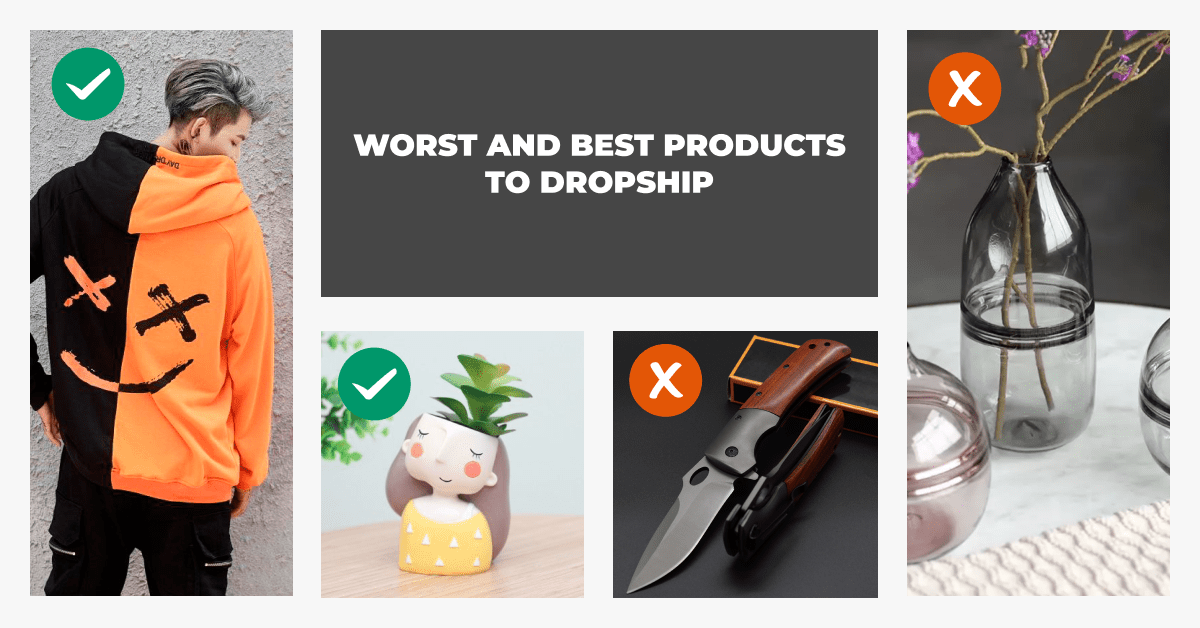
In the high-stakes world of e-commerce and dropshipping, there is a dangerous siren song that lures in many new entrepreneurs: the “High-Conversion Trap.” You find a product, the video ad goes viral, the “Add to Cart” rate is through the roof, and for the first 48 hours, you feel like a genius.
But then, the “Black Tech” reality of the supply chain hits.
By week three, your PayPal account is frozen due to a spike in disputes. Your inbox is a graveyard of angry customer emails. Stripe is threatening to ban your store, and your “profits” have been entirely swallowed by return shipping costs and advertising penalties.
In dropshipping, revenue is vanity; profit is sanity; and sustainability is king. Just because a product is easy to sell doesn’t mean it’s a good product to build a business on. To help you navigate the “Red Ocean” of risky inventory, we have compiled the ultimate “Forbidden Catalog.”
Here are the 10 most dangerous product categories that will “blow up” your store—even if the conversion rates look like a dream.
1. High-Precision Electronics & “Smart” Gadgets
We all love the latest tech—smartwatches that claim to monitor blood pressure, “indestructible” drones, or $20 noise-canceling earbuds. These products have massive click-through rates because they look like expensive “Black Tech” sold at a fraction of the price.
The Trap: The failure rate on unbranded, mass-produced electronics is astronomical. When a customer buys a “Smartwatch” and the Bluetooth doesn’t sync or the battery dies after three charges, they don’t blame the factory in Shenzhen—they blame you.
-
The Result: Massive return rates and technical support nightmares you aren’t equipped to handle.
2. Weight Loss and “Bio-Hacking” Supplements
Whether it’s “Keto Patches,” “Fat-Burning Creams,” or herbal supplements that promise a 10-pound loss in a week, these products tap into deep consumer insecurities, leading to explosive conversion rates.
The Trap: First, these products rarely work as advertised, leading to “Item Not as Described” disputes. Second, and more importantly, advertising platforms like Meta and Google have strict “Health & Wellness” policies. One “Before and After” photo can lead to a permanent ban of your Ad Manager.
-
The Legal Risk: In the U.S., selling unregulated health products can lead to FTC scrutiny. It’s not worth the risk.
3. High-End “Knockoffs” and Intellectual Property (IP) Infringement
Selling a “Designer-Inspired” handbag or a “Superhero” action figure seems like an easy win because the brand awareness already exists.
The Trap: This is the fastest way to get your payment processor (Stripe/PayPal) permanently blacklisted. Modern “Black Tech” algorithms used by Shopify and ad platforms can detect IP infringement in milliseconds. Even if you manage to sell them, your funds will likely be seized by the brand’s legal team before you can withdraw them.
-
The Rule: If you don’t own the license, don’t sell the likeness.
4. Apparel with “Hyper-Specific” Sizing
Fashion is a huge dropshipping niche, but “Complex Fit” items (like tailored suits, high-compression shapewear, or skinny jeans) are a logistical nightmare.
The Trap: American “Medium” is very different from Asian “Medium.” Unless you have a custom-tailored sizing chart and a localized return center, you will face a 30% to 50% return rate. In dropshipping, where margins are often thin, a 10% return rate is enough to kill your profit; 30% will put you in debt.
5. Fragile & Oversized “Home Aesthetic” Decor
Wall-sized mirrors, glass vases, or intricate ceramic statues look beautiful on Instagram. They convert well because people want that “Luxury Home” vibe on a budget.
The Trap: The “Last Mile” of shipping is brutal. Most dropshipping packages are tossed, stacked, and crushed. Unless your supplier uses expensive, heavy-duty “Black Tech” protective packaging, these items arrive as a box of broken glass.
-
The Math: You pay for the shipping, the product, and then a full refund when it arrives broken. You lose 3x the product cost on every breakage.
6. Skin Care & “Beauty Contact Lenses”
Anything that is absorbed by the skin or touches the eyeball (like colored contacts) is a high-risk category.
The Trap: Allergic reactions are unpredictable. If a customer has a severe reaction to a “Whistening Cream” you sourced from a random factory, you are the “Merchant of Record” and are liable for the damage. Contact lenses, specifically, require FDA clearance in the U.S.—selling them without it is a federal offense.
7. Safety Equipment (Helmets, Tactical Gear, Car Seats)
Tactical gloves, “bulletproof” backpacks, or cheap bike helmets often have high conversion rates among survivalist and outdoor niches.
The Trap: Liability. Safety equipment is designed to save lives. If your dropshipped helmet fails during an accident, you are legally responsible. This is a “Life and Death” category that should only be handled by established brands with massive insurance policies.
8. Liquid-Based Products & Pressurized Sprays
Cleaning solutions, “Magic” car scratch removers, or pressurized beauty misters.
The Trap: Airlines have strict regulations regarding liquids and aerosols. These items are often flagged as “Sensitive Goods,” meaning they take longer to ship, are frequently seized by customs, and are prone to leaking during the pressure changes of a flight.
9. Products with “Too Good to Be True” Functionality
Portable AC units the size of a toaster, “Unlimited” free-satellite TV boxes, or “Permanent” rust removers.
The Trap: These are “One-Time Sale” products. You will never get a repeat customer because the product inevitably underperforms. Dropshipping success is built on Customer Lifetime Value (LTV). If your product is a gimmick, your business is a flash in the pan.
10. Kids’ Toys with Small Parts or Batteries
The “Parent” niche is lucrative, and cute toys convert easily.
The Trap: Choking hazards and lithium battery safety. American safety standards for children’s toys (ASTM) are extremely rigid. Most uncertified dropshipped toys don’t meet these standards. If a child is injured, the “High Conversion Rate” will be the last thing on your mind as you deal with a catastrophic lawsuit.
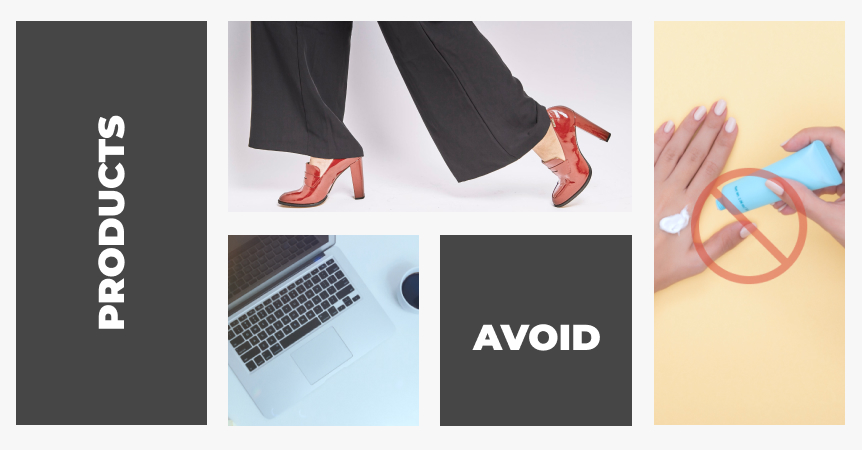
Comparison: What to Sell vs. What to Avoid
Conclusion: Build a Brand, Not a “Churn-and-Burn”
The secret to winning at dropshipping in 2026 is avoiding the “get-rich-quick” products that carry hidden “Black Tech” risks. High conversion rates are worthless if your dispute rate is higher.
To build a sustainable empire, focus on products that are Safe, Durable, and Honest. Your payment processors will stay healthy, your customers will stay happy, and your business will grow beyond a single viral ad.
Are you unsure if your current product idea is on the “Forbidden List”?
Would you like me to perform a Risk Assessment Audit on your specific niche to see if you’re prepared for the logistical and legal realities of your chosen category?