En
En
 10 min read
In the fierce competition of cross-border e-commerce, Temu and Amazon represent two distinct business models:
Temu uses “ultra-low prices” as its weapon, relying on China’s supply chain resources and Pinduoduo’s traffic support to attract price-sensitive users, focusing on “dirt-cheap” small commodities and fast fashion;
Amazon focuses on “quality and efficiency,” with a strict quality control system, global logistics network, and Prime membership ecosystem, catering to consumers across all income levels, especially meeting the long-term value needs of middle and high-income groups.
The competition between the two is not just about price wars but also about the essence of consumer demand—choosing between “low-price fast consumption” or “quality assurance + efficient service.” This article will conduct an in-depth comparison from three dimensions: pricing strategy, quality control, and shipping and logistics, revealing their core differences and providing consumers with clear decision-making references.
Price

Temu
Temu has ultimate low price.For example, a T-shirt on Temu might only cost 10 yuan or even lower. It sources directly from Chinese factories, eliminating the middlemen to earn the difference, and also uses platform subsidies to spend money, all to attract users. But the problem is, in order to reduce costs, the clothes might be made of cheap fabric, which pills and unravels after just a few wears.
Temu directly connects with factories in Yiwu and Guangzhou, cutting out the middlemen, and with Pinduoduo’s money for subsidies, that’s why the prices can be so low. But the problems are: slow logistics (it may take more than 20 days to receive goods), and the packaging is also simple, making it easy for things to break; Some products may be sold at a loss, relying on attracting new users and advertising to make money. For example, it’s like a street-side shop using “loss-leading prices” to attract people, and then making money by selling other things.
Amazon
Amazon is like a “super department store,” offering everything from a 5-dollar plastic cup to a thousand-dollar Dyson hair dryer. It doesn’t pursue “all cheap,” but rather meets different needs: low-priced items attract penny-pinchers, mid-range items meet daily needs, high-end items sell at high prices through brand and quality.
Amazon builds its own warehouses and logistics, and also introduces “Prime Membership” (annual fee of about $120), where members can enjoy free returns and fast shipping (1-3 days to arrive). Although building logistics has cost a lot of money, membership fees and seller commissions (more than 10% per transaction) can recoup the investment; High-end products earn more, for example, selling an iPhone earns more profit than cheap goods.
Quality

Temu
Temu relies on Pinduoduo’s Chinese supply chain resources, with core suppliers concentrated in low-price manufacturing clusters (such as Yiwu, Guangzhou), focusing on fast fashion, daily necessities and other standardized products. Its supply chain is centered around rapid response and large-scale production, achieving “ultra-low prices” by strictly screening suppliers and compressing costs. However, some products may have unstable quality due to simplified materials or processes. For example, clothing items often have excessive threads and rough stitching, while electronic products may cause customer complaints due to insufficient interface compatibility. The platform’s quality control over suppliers mainly relies on basic testing (such as size, appearance), lacking a deep quality assessment system, leading to poor durability of some products.
Temu’s platform-led quality control is primarily driven by initial screenings, focusing on ensuring product compliance and basic functionality, but with limited coverage of deeper indicators such as material safety and long-term durability. To maintain a low-price strategy, some products may compromise on quality in cost compression (such as furniture being prone to deformation, or small appliances having a short lifespan). The user feedback mechanism is not yet perfected, with slow response times to negative reviews and complaints, and a long cycle for taking down problematic products, leading to fluctuations in consumer trust in the platform’s quality control.
Temu’s logistics and after-sales service shortcomings hinder its overall user experience. The international shipping period can extend up to 2-4 weeks, and the simple packaging is prone to causing product damage, which further diminishes the user’s immediate perception of “quality”. In terms of after-sales policies, the return process is complicated, and certain products (such as food, custom-made items) do not support returns or exchanges, making it costly for users to protect their rights. Customer service often relies on machine translation or non-native language services, resulting in low efficiency in resolving issues, which leads to a clear division in user satisfaction with the platform’s services.
Amazon
Amazon, on the other hand, has established a multi-layered quality control system. Firstly, it avoids safety hazards through strict seller qualification reviews and product certification requirements (such as CE, FDA certifications). Secondly, it uses customer reviews, return rates, A-to-z guarantee programs, and other data to monitor product quality in real-time, implementing traffic restrictions or even account closures for sellers with high negative feedback or return rates. Additionally, the platform promotes high-reputation products through its Prime membership system and brand flagship store program. Although there is still a risk of small and medium sellers passing off inferior products as good, Amazon’s dynamic rating and user supervision mechanisms significantly enhance the transparency and reliability of overall product quality.
Amazon’s supply chain is characterized by diversity, including both internationally renowned brands (such as Apple, Dyson) and a large number of small and medium sellers as well as factory-direct products. The platform selects seller qualifications through strict admission mechanisms (such as brand authorization, quality inspection reports). However, the quality of goods from small and medium sellers varies, relying on customer reviews and platform penalty mechanisms for dynamic management. Branded products have higher quality stability due to official endorsement, while third-party seller products require consumers to discern for themselves. Amazon’s supply chain advantage lies in its global coverage of products.
Amazon has an advantage due to its mature logistics network and after-sales system. Prime members can enjoy fast delivery within 1-3 days, and standardized packaging reduces transportation damage, significantly enhancing the “initial quality impression” when users receive the products. In terms of after-sales support, a 30-day return policy, free return services, and multi-language customer support significantly lower the risk for users. The platform also prioritizes high-rated sellers through the Buy Box algorithm, combining real user reviews and Q&A features to help consumers select stable quality products, creating a virtuous cycle of “user supervision – platform intervention”.
Shipping Costs
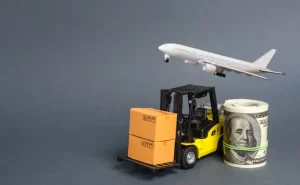
Temu and Amazon’s shipping cost strategies essentially reflect two different business models.
Temu
Temu, with ultra-low pricing at its core, embeds most international shipping costs into the product prices, and the final price paid by users usually includes logistics costs. For example, a $5 T-shirt may already include international shipping from China to the United States.
The direct result of this strategy is that the prices seen by users appear cheap, but they must accept a longer delivery period of 2-4 weeks, and the simple packaging leads to a higher risk of damage during transportation. Return shipping costs are also a pain point; some products (such as food, custom items) do not support returns or exchanges, and even if they can be returned, users have to bear the high cost of return shipping, making the actual cost higher. Amazon, on the other hand, spreads logistics costs through its Prime membership system, forming a “user pays + ecosystem profits” model.
Amazon
Conclusion
In summary, Temu and Amazon each have their own strengths.
● If you prioritize the lowest prices and are open to trying novel products: Temu’s generous discounts and affordable shipping might appeal to you.
● If product quality and fast delivery matter more: Amazon’s established rating system and expedited logistics services offer greater peace of mind.
Regardless of which platform you choose, we hope this comparison helps you weigh the pros and cons more clearly.
| Dimension | Temu | Amazon |
| Core Positioning | Low-cost fast-consumption platform, emphasizing “extreme affordability” | Global comprehensive e-commerce platform, balancing quality and efficiency, centered on Prime membership |
| Pricing Strategy | Prioritizes low prices; some items priced 30%-50% lower than Amazon | Tiered pricing (budget to luxury), Prime-exclusive discounts |
| Logistics | International shipping: 2-4 weeks; shipping costs embedded in product prices | Prime members: Free 2-day delivery; non-members: $5–10 per order |
| Quality Control | Relies on direct factory supply; basic quality control; inconsistent quality for some products | Strict quality standards; brand certifications required; user reviews influence product rankings |
| Return Policy | Stringent returns; some items non-returnable; customers cover return shipping | Prime members: Free returns; platform assumes full post-sale responsibility |
| Target Audience | Price-sensitive groups (students, low-income consumers) | Broad consumer base; high Prime loyalty; caters to premium demands |
| Supply Chain | Sourcing from low-cost Chinese factories (e.g., Yiwu); agile market response | Global supply chain; mix of brand partnerships and third-party sellers; diversified ecosystem |
| Key Advantages | Traffic subsidies, low-price-driven growth | Prime ecosystem integration; robust logistics and post-sale services; high consumer trust |
| Typical Products | Apparel, daily essentials, small appliances (disposable-use demand) | Branded electronics, luxury goods, customized items (long-term value focus) |
| Long-term Challenges | Quality and logistics upgrades; low user retention | Price competition in budget markets; high costs for emerging market penetration |
Regardless of which platform you choose, we hope this comparison helps you weigh the pros and cons more clearly.