













 En
En
 8 min read
Starting a dropshipping business with little to no money might sound impossible, but with the right approach and resources, you can make it happen. This comprehensive guide will walk you through each step, from finding the right niche to selecting the best suppliers and promoting your products for free. By leveraging free tools, platforms, and social media, you can minimize upfront costs while maximizing your business potential.
Whether you’re a beginner or looking to expand your current setup without breaking the bank, this guide has all the tips you need to start dropshipping effectively.
Can I Start Dropshipping For Free?
Yes! you can start dropshipping with minimal upfront costs, but it’s important to note that a completely free setup is nearly impossible. Some expenses, like domain fees or marketing tools, may arise. However, by learning how to minimize these costs, you can get started without breaking the bank.
There are free platforms available where you can set up your store, and many services offer free trials, allowing you to test their features without paying initially.
You can also use apps and websites that provide free tracking, data feedback, and other useful tools to optimize your business. With the right approach, you can control unnecessary spending and make the most of available resources to build a successful dropshipping store.
How to Start Dropshipping with No Money?
To successfully start dropshipping with no money, follow these key steps to build your business from the ground up while keeping costs low. Let’s break it down step by step:
1.Find Your Niche & Profitable Products
2.Choose The Best Dropshipping Supplier
3.Find A Free Online Selling Store
4.Free SNS For You to Promote Products
Step 1 Find Your Niche & Profitable Products
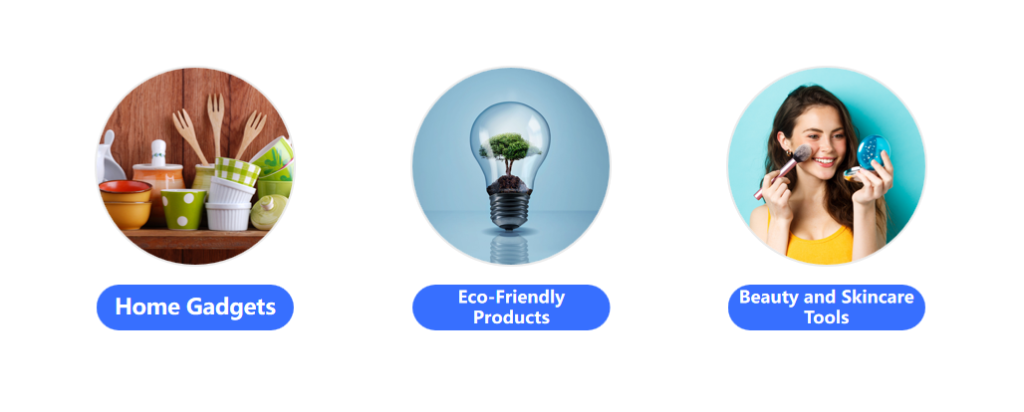
Starting a dropshipping business with no money begins with finding the right niche—a specific market where your products can stand out and attract customers. A niche could be anything from eco-friendly home goods to tech gadgets, but the key is choosing products that not only interest you but also have the potential to sell well.
When selecting a niche, consider factors like demand, competition, and product availability. Is there a growing interest in the products? Can you offer something unique that competitors aren’t providing? Make sure to explore these questions to ensure your niche is profitable.
To dive deeper into choosing the right products and understanding niche markets, check out our article: [Tips to Know When Choosing Dropship Products](upload link). This guide will help you pick the perfect products that align with your niche, setting you up for success without spending a dime!
Step 2 Choose The Best Dropshipping Supplier
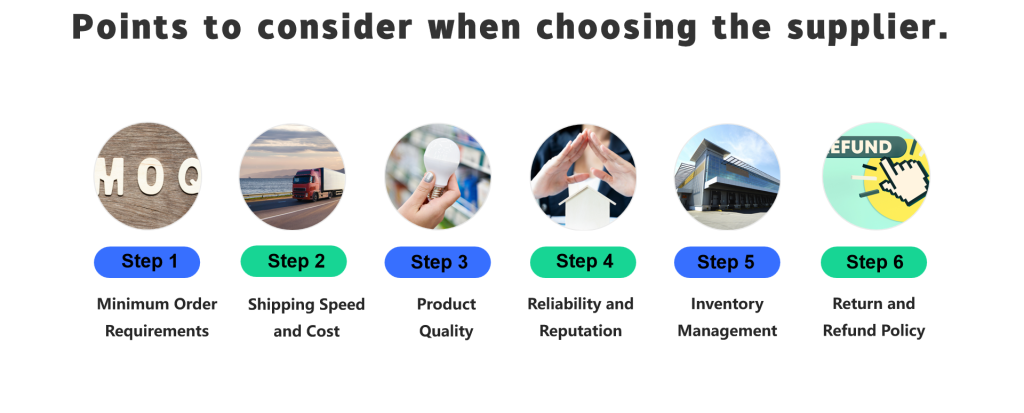
Finding the right supplier is crucial for your dropshipping business. Start by searching online directories, like Alibaba or AliExpress, where you can find verified suppliers. Look for those with high ratings, positive reviews, and a good track record of fulfilling orders on time. You can also join dropshipping forums or groups to get recommendations from other dropshippers.
Want more detailed steps and tips? Check out our article: [How to Choose the Best Dropshipping Supplier](upload link). It will guide you through the entire process, making it easier to find a reliable partner for your business!
Step 3 Find A Free Online Selling Store
When starting dropshipping, one option is to use free tools and platforms to create your own online store. You can either build an independent store using open-source website builders like WordPress with WooCommerce or utilize free online shop services offered by platforms like Ecwid or Big Cartel. These options allow you to set up your business with minimal initial costs.
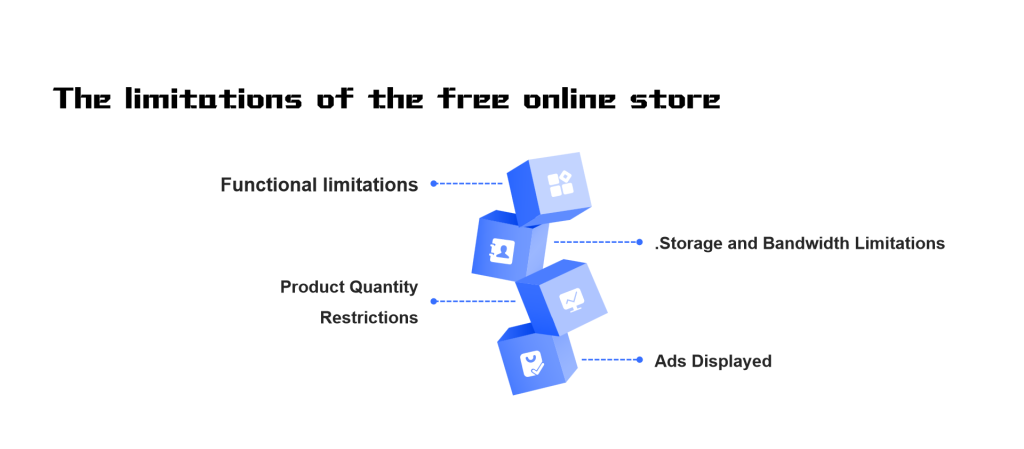
However, it’s important to understand the limitations of these free stores. Many platforms offer limited features, restrict the number of products you can list, or provide only basic customization options. They might also display ads or require you to upgrade after a trial period.
On the other hand, building your own independent store has its advantages. While you may need to invest in a domain name and server hosting, the freedom to customize your shop to fit your brand and the control you have over its design and functionality make it a worthwhile option. By learning the necessary skills, you can create a professional-looking store that operates independently, giving you more flexibility in the long run.
 How to Build an Independent Online Store
Choose a Platform: Select a website builder like WordPress (with WooCommerce), Shopify, or BigCommerce to build your store. These platforms offer tools and templates to make setup easier.
Get a Domain Name: Purchase a domain name that matches your brand to give your store a professional look. You can buy domains from services like GoDaddy or Namecheap.
Select Hosting: For platforms like WordPress, you’ll need to choose a reliable hosting provider, such as Bluehost or SiteGround, to keep your website running smoothly.
Set Up the Store: Use the platform’s tools to set up your store. Customize the layout, add your logo, and choose colors that match your brand identity.
Add Products: List your products with clear descriptions, high-quality images, and prices. Make sure to organize them into categories for easy browsing.
Set Up Payment Methods: Connect payment gateways like PayPal, Stripe, or other providers to allow customers to pay securely.
Configure Shipping Options: Set up shipping rates, methods, and rules based on your product types and target markets.
Test the Site: Before launching, test everything from product browsing to checkout to ensure the site is fully functional and user-friendly.
Launch and Market Your Store: Once everything is set up, launch your store. Promote it through social media, SEO, and other marketing strategies to attract customers and drive traffic.
Monitor and Optimize: Track your store’s performance using analytics tools, and continuously improve the site by updating products, improving SEO, and refining the user experience.
Step 4 Free SNS For You to Promote Products
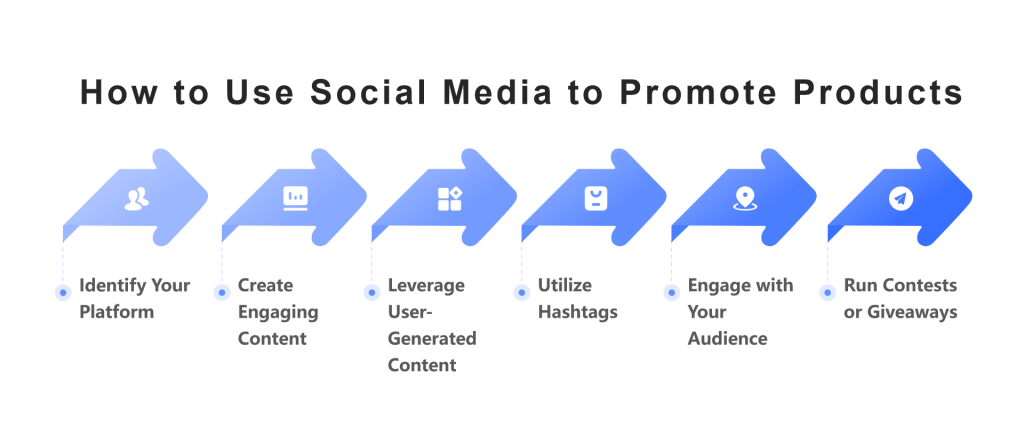
If you want to promote your products without spending any money, social media platforms are a great option. By leveraging free social networks like Instagram, TikTok, Facebook, and YouTube, you can reach a wide audience at no cost. Creating engaging content, such as short self-made videos or live streams, can effectively showcase your products and attract followers.

Using video content is especially powerful—these videos can demonstrate your products in action, provide tutorials, or share customer testimonials. This type of content has the potential to go viral, bringing in traffic to your products and independent store. By building an audience and consistently engaging with them, you can generate significant interest and economic benefits, all without spending a dime!
Final Word
Dropshipping doesn’t have to be expensive to be successful. By focusing on strategic choices—like selecting profitable products, using free online platforms, and leveraging social media—you can build a thriving business with minimal costs. Remember, it’s all about being resourceful and making the most out of available tools. Follow the steps in this guide to start your dropshipping journey today, and see how far you can go with creativity and determination!