En
En
 12 min read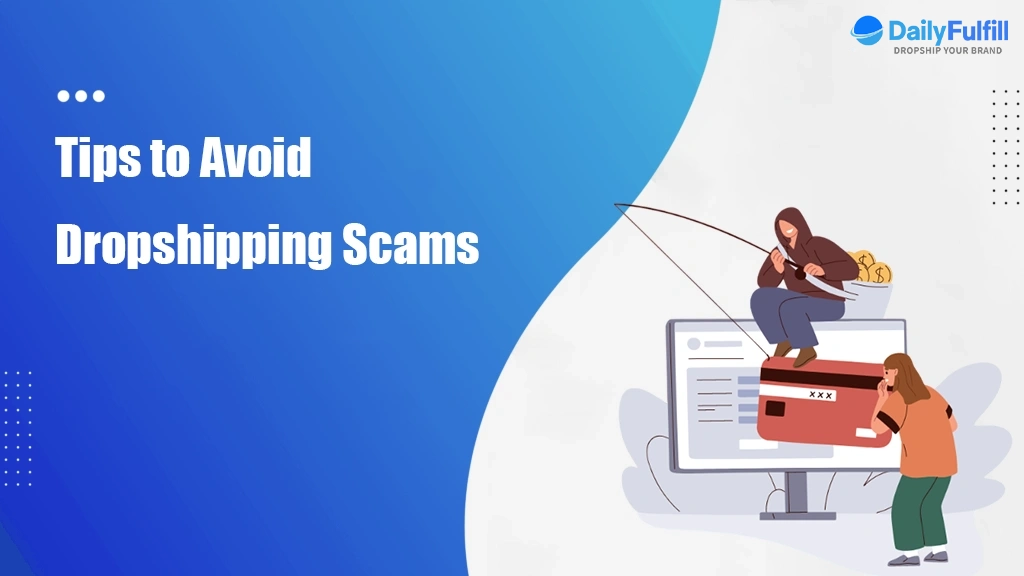
**Scam-Proof Your Business:
The Most Common Dropshipping Scams and Supplier Traps — And How to Avoid Them**
Dropshipping looks simple from the outside: find a supplier, import products to your store, and watch the orders roll in. But the reality is far more complex. Because dropshipping attracts new entrepreneurs—and often people with little sourcing experience—it also attracts a large number of scammers, fake suppliers, dishonest middlemen, and predatory service providers who prey on beginners.
Every year, thousands of new store owners lose money, waste months of effort, or completely burn their business because they unknowingly step into one of these “supplier traps.” And in today’s globalized marketplace, the scams are evolving faster, becoming more sophisticated, and harder to detect.
This guide will walk you through the most common dropshipping scams, supplier traps, red flags, and practical strategies to protect your business. Whether you’re just starting or already scaling, these insights will help you avoid costly mistakes and build a stable, fraud-free supply chain.
Let’s dive in.
1. Why Dropshipping Scams Are So Common
Before identifying specific scams, it’s important to understand why dropshipping attracts so many traps.
1.1 Low entry barrier → easy targets
Dropshipping doesn’t require:
-
Large capital
-
Warehouse space
-
Manufacturing knowledge
-
Long-term contracts
This attracts many beginners who lack sourcing experience—making them ideal targets for scammers.
1.2 Global supply chain complexity
When you’re dealing with suppliers from overseas:
-
Communication barriers
-
Legal differences
-
Distance
-
Hard-to-verify operations
…make it easier for fraudulent suppliers to operate undetected.
1.3 Trust-based workflow
Dropshipping relies on:
-
Suppliers fulfilling orders after you pay
-
Promises about shipping speed
-
Claims about inventory
This trust-based system is easily abused.
1.4 Fake suppliers are easy to create
A scammer only needs:
-
A website
-
Stolen product photos
-
A fake “warehouse” video
-
A WhatsApp number
They can start collecting money immediately.
1.5 New sellers are desperate for “fast shipping”
Scammers know beginners want:
-
3–7 day delivery
-
Low cost
-
Trending products
They use these promises to draw victims in.
2. The 10 Most Common Dropshipping Scams & Supplier Traps
Let’s break down each scam in detail, with real-world examples and prevention strategies.
2.1 The “Fake Supplier” Scam
This is the most common trap: a fake supplier pretending to have inventory and a warehouse.
How it works
-
They create a website claiming to be a fulfillment center
-
They list thousands of products
-
They offer unbelievable shipping times (2–4 days international)
-
You pay them for your first few orders
-
They take the money and vanish
-
Your customers receive nothing
Red flags
-
No company registration
-
No physical address
-
Email only (no phone, no WhatsApp)
-
Stock photos of warehouses
-
No way to verify inventory
-
Unbelievably cheap products
-
“We accept only Western Union / crypto / bank transfer”
How to avoid
-
Only work with verified platforms (CJdropshipping, Syncee, Spocket, SupplyMe, Printify, reputable agents)
-
Always request a video call and ask for a live warehouse tour
-
Ask for business license or registration number
-
Verify address via Google Maps
-
Place small test orders before committing
If a supplier refuses a video call: walk away.
2.2 The “Middleman Markup” Trap
Many new dropshippers unknowingly work with middlemen, not real suppliers.
How it works
These middlemen:
-
Buy from AliExpress, 1688, Taobao, or other suppliers
-
Pretend they run a warehouse
-
Add a huge hidden markup
-
Charge “handling fees”
-
Provide slower shipping
You end up paying $10 for a product that costs $3 on 1688.
Red flags
-
Prices much higher than 1688
-
No transparency about sourcing
-
Refuses to disclose factory information
-
Delays in order processing
-
Sends you AliExpress packaging despite claiming “private warehouse”
How to avoid
-
Ask: “Do you source directly from the manufacturer or from 1688?”
-
Request factory invoices
-
Compare prices against domestic wholesale platforms
-
Avoid anyone who refuses transparency
2.3 The “Inventory Scam”
A dishonest supplier claims to have stock, but they don’t.
How it works
They tell you:
-
“Yes, we have 5,000 units ready.”
-
“We ship same day.”
-
“We can handle volume.”
But when the orders come:
-
They stall
-
They ship inconsistently
-
They buy from retail channels
-
They suddenly “raise prices due to demand”
Red flags
-
Cannot show live video of inventory
-
Uses generic excuses (“factory delay,” “new policy,” “holiday”)
-
Stock levels vary dramatically day to day
-
Changes price after you scale
How to avoid
-
Ask for a live timestamped inventory video
-
Request batch photos of units
-
Require stock confirmation before promotions
-
Use suppliers who provide real-time stock tracking
2.4 The “Shipping Time Scam”
Suppliers promise unrealistic shipping speeds to secure your business.
How it works
They say:
-
“US shipping in 3–5 days”
-
“EU express delivery guaranteed”
-
“We ship from local warehouses”
But the reality:
-
Parcels ship from China
-
Tracking numbers take days to activate
-
Delivery takes 12–25 days
-
Customers refund orders
-
You lose money and your ad accounts suffer
Red flags
-
Prices too low for the promised speed
-
No real address for local warehouses
-
They can’t provide tracking samples
-
They avoid sharing actual logistics partners
How to avoid
-
Ask for real tracking numbers from the past week
-
Verify warehouse location via Google Maps
-
Never rely on promises—only on proven data
-
Use verified fulfillment centers when possible
2.5 The “Quality Switch” Scam
This is when a supplier sends high-quality samples but switches to low-quality products when you start scaling.
How it works
-
You receive an excellent sample.
-
You approve it and begin running ads.
-
When sales explode, the supplier quietly switches to:
-
Cheaper fabrics
-
Lower-grade plastic
-
Weak packaging
-
-
Your store gets:
-
Refunds
-
Bad reviews
-
Chargebacks
-
Red flags
-
Supplier insists on “bulk purchase first”
-
No quality control photos on bulk orders
-
Sudden drop in customer satisfaction
-
Heavily discounted “special batches”
How to avoid
-
Require QC (quality control) photos for every 50–100 units
-
Use multiple suppliers as backups
-
Order random units to inspect personally
-
Build relationships with reliable sourcing agents
2.6 The “MOQ Trap”
MOQ = Minimum Order Quantity.
How scammers use it
They say:
-
“MOQ 300 units”
-
“We cannot ship single orders”
-
“Pay upfront to secure inventory”
Then:
-
They disappear
-
Or they never deliver the bulk shipment
-
Or they deliver defective or mismatched products
Red flags
-
High MOQ for simple products
-
Payment requested only through wire transfer
-
Refuses escrow or platform protection
How to avoid
-
Only pay MOQs through protected platforms
-
Verify factory production capability
-
Have a third-party inspection company verify goods before payment
-
Negotiate smaller MOQs if possible
2.7 The “Branded Packaging Scam”
Many beginners want custom packaging. Scammers exploit this.
How it works
The supplier says:
-
“Yes, we can print your logo.”
-
“Custom box, only $200.”
You pay.
Then:
-
They don’t produce anything
-
Quality is extremely poor
-
Dimensions don’t match your product
-
Lead times exceed 30–40 days
Red flags
-
No previous packaging samples
-
No design files or mockups
-
Vague timelines
-
“You must pay 100% upfront”
How to avoid
-
Ask for past packaging photos
-
Request dielines
-
Pay only through platforms or escrow
-
Use legitimate packaging vendors
2.8 The “Refund & Replacement Scam”
Some suppliers offer amazing refund policies—but never honor them.
How it works
They say:
-
“Full refund for damaged items”
-
“Free reship if item lost”
But when issues occur:
-
They make excuses
-
Delay responses
-
Ask for impossible evidence
-
Claim customer is lying
You end up covering all refunds yourself.
Red flags
-
No written policy
-
Policy only on WhatsApp
-
No after-sales support team
How to avoid
-
Get refund terms in writing
-
Only work with suppliers with verified support
-
Track product quality and raise concerns early
2.9 The “Hidden Fee Trap”
This happens when suppliers unexpectedly add fees after you start scaling.
Examples:
-
“Holiday surcharge”
-
“Warehouse fee”
-
“Weight adjustment fee”
-
“Processing fee”
-
“Shipping recalculation”
-
“New packaging fee”
These fees cut deeply into your margins.
Red flags
-
Unclear pricing
-
Spreadsheet invoices constantly changing
-
Prices vary daily
How to avoid
-
Require fixed pricing for at least 30 days
-
Ask for a full fee list upfront
-
Compare pricing with other suppliers
-
Use contracts where possible
2.10 The “Held Funds” Scam
This is when a supplier holds your money hostage.
How it works
They say:
-
“We need more time to process your orders.”
-
“The shipping company delayed everything.”
-
“We cannot refund until next week.”
Meanwhile:
-
Customers complain
-
Your store reputation collapses
Some suppliers never return the money.
Red flags
-
They ask you to “preload balance”
-
They claim issues you cannot verify
-
Money is not withdrawable
-
No legal entity backing them
How to avoid
-
Never preload more than you can afford to lose
-
Keep a backup supplier
-
Pay per order whenever possible
-
Avoid suppliers with shady payment rules
3. How to Verify Whether a Supplier Is Legitimate
Here is a complete supplier verification checklist.
3.1 Do a video call
Ask the supplier to:
-
Show the warehouse
-
Show inventory
-
Show packing area
-
Show staff members
-
Show branded packaging from current clients
If they refuse → instant red flag.
3.2 Verify their business license
Request:
-
Business registration number
-
Legal business name
-
Address
Cross-check it on government databases.
3.3 Confirm shipping capability
Ask for:
-
Tracking numbers from the last 7 days
-
Photos of packages ready to ship
-
Logistic partner details
3.4 Evaluate their communication patterns
Legit suppliers:
-
Respond quickly
-
Have professional communication
-
Provide detailed answers
Scammers:
-
Send vague replies
-
Avoid questions
-
Pressure you to pay
3.5 Test their reliability with micro-orders
Place:
-
1 sample order
-
3 random orders over a week
-
Two shipments to different addresses
Compare:
-
Delivery time
-
Packaging
-
Quality
3.6 Ask for references
Good suppliers can name:
-
Brands they work with
-
Stores they fulfill for
-
Partner feedback
Scammers cannot provide anything.
4. How to Protect Yourself Financially
Even with due diligence, you need protection strategies.
4.1 Use safe payment methods
Preferred:
-
PayPal
-
Alipay Escrow
-
Trade Assurance
-
Credit card (dispute-friendly)
Avoid:
-
Western Union
-
Bank transfer
-
Crypto
4.2 Never pay large amounts upfront
Pay:
-
For samples
-
For small batches
-
For orders only after processing
4.3 Keep written agreements
Include:
-
Product price
-
Shipping commitment
-
QC standards
-
Refund policies
-
Fee transparency
4.4 Use multiple suppliers
Never depend on one supplier for:
-
Best-selling product
-
Bulk orders
-
Key inventory
Backup suppliers protect you from:
-
Delays
-
Quality drops
-
Price manipulation

5. How to Detect Supplier Problems Early
Here are early signals a supplier might become a problem:
-
Response time slows down
-
Quality slightly declines
-
Price keeps increasing
-
Delays become frequent
-
Refund rate rises
-
Excuses increase (“customs issue,” “festival,” “factory busy”)
If you see three or more of these signs → start preparing a replacement supplier immediately.
6. The Ultimate Dropshipping Supplier Safety Checklist
Before working with any supplier, confirm the following:
Supplier Identity
-
Registered business
-
Verified address
-
Verifiable staff and warehouse
Product Quality
-
Sample tested
-
QC photos
-
Consistent manufacturing
Shipping
-
Real tracking examples
-
Reasonable delivery times
-
Clear shipping partners
Pricing
-
No hidden fees
-
Reasonable margin
-
Stable monthly prices
Communication
-
Fast replies
-
Clear English
-
Answers questions directly
Payment
-
Safe methods
-
Low upfront risk
-
Clear refund policy
If any of these fail → do not proceed.
7. Final Thoughts: The Best Protection Is Knowledge
Dropshipping is full of opportunity—but also full of traps. If you understand supplier behavior, know how to verify legitimacy, and recognize common scam patterns, you’ll be far ahead of most beginners.
Remember:
-
A good supplier can make your business.
-
A bad supplier can destroy it.
The key is not luck—it’s diligence, verification, and never rushing into deals that look too good to be true.
If you approach sourcing with caution and follow the strategies in this guide, you can build a stable, profitable, scam-free dropshipping business.