En
En
 11 min read
Have you ever dreamed of starting your own successful business without a lot of start-up capital? Building a high-growth, profitable e-commerce company from the ground up while minimizing the risks and costs associated with inventory and fulfillment is easier to achieve than you think. Direct sales is a business model that has allowed countless entrepreneurs to open online stores without any upfront inventory investment.
By acting as a middleman between suppliers and consumers, direct selling allows you to test product-market fit, run marketing campaigns to drive sales, and scale your operations – all without having to physically touch the product. In this article, we’ll share the step-by-step blueprint developed over the past few years to create and grow multiple six-figure direct sales businesses. You’ll learn everything from choosing profitable product segments and finding reliable vendors to optimizing your website, placing ads and managing operations.
How to Find Profitable Dropship Blueprint with Minimal Investment
Researching profitable product niches
Choosing a profitable niche is the key to building a successful direct sales business. First, you need to thoroughly research market trends and identify product categories that are currently in high demand and have relatively low competition. For example, areas such as pet supplies, home décor and baby products have shown steady growth in recent years.
After identifying potential niches, it is crucial to assess market demand and the level of competition. Use tools such as Google Trends and Keyword Planner to analyze the search volume and level of competition for relevant products. Keywords with high search volume and moderate competition may point to a potential niche.
Understanding your target audience is also key to success. Analyzing the demographics of potential customers, such as age, gender, and income level, as well as their interests and spending habits, can help develop an effective marketing strategy.
In addition, consider product differentiation and supply chain management. Choosing products that are unique and difficult to find elsewhere can increase competitiveness. Also, ensure that suppliers are reliable, product quality is consistent, and logistics are efficient to meet customer expectations.
Finally, it’s wise to conduct small-scale testing before going full-scale. Collect customer feedback and sales data by promoting specific products on social media or other platforms to verify market acceptance and demand.
By taking these steps, you can more confidently select and enter a profitable niche market and lay a solid foundation for a successful direct sales business.
Choosing Reliable Vendors and Establishing Merchant Agreements
Now that you’ve found a profitable niche, the next challenge is to find reliable vendors to support your direct sales business. After all, vendors are like your business partners, and their performance has a direct impact on customer satisfaction and your reputation.
First of all, you can use some specialized platforms to find suppliers and compare their prices and delivery times. For example, Speedpost, Alibaba, Worldwide Brands, SaleHoo, Doba, etc. are well-known direct sales supplier platforms.
After finding a few potential suppliers, don’t rush to place an order, do a thorough research and review first. You can check their company background, credentials, customer reviews, etc. to make sure they are trustworthy.
Next, take the initiative to contact the supplier to find out details about their product quality, price, delivery time, and so on. You can ask them to provide samples to experience the quality of their products and services for yourself.

When communicating with suppliers, clarify your expectations and requirements to ensure that both parties are on the same page. Establishing clear communication and expectations is essential to ensure timely order fulfillment and customer satisfaction.
Remember, choosing a reliable supplier is a critical step to the success of your direct sales business. We hope these tips help you find the ideal partner and wish you the best of luck on your direct sales journey!
Setting up a storefront
Having identified your target market and reliable suppliers, the next step is to create an attractive online store.Shopify is a very popular platform that offers a user-friendly interface and easy integration with third-party apps.
When designing your store, visuals and layout have a significant impact on customer experience and conversion rates. Use high-quality product images to showcase your products and make sure the navigation is intuitive and easy to use. Additionally, consider implementing apps to optimize store SEO and conversions, such as abandoned cart recovery, up-sell, and cross-sell tools.
For example, the Shopify app store offers a variety of abandoned cart recovery apps that can help you win back potential customers. One of these apps can help you increase sales by reminding customers of their abandoned carts via a browser push message.
Additionally, Sell The Trend is an AI-powered research and analysis tool for reshipping products that can help you identify trending products and boost your store’s competitiveness.
When selecting and implementing these apps, make sure they align with your store’s needs and goals. With careful design and optimization, your online store will be more engaging, enhancing the customer experience and, in turn, increasing conversions.
Optimizing Operations for Speed and Scale
One of the main advantages of direct marketing is scalability. This means that as your business grows, you can easily handle an ever-increasing number of orders without the need for large amounts of inventory or physical storage space. However, this scalability comes with its own set of challenges.
Managing large volumes of orders requires careful planning and organization. Efficient processes are essential to ensure smooth operations and fast deliveries. One way to achieve this is to optimize the speed and performance of your website. Ensure that your website is able to handle increased traffic without slow loading times, which can lead to customer disappointment and potential lost sales.
In addition to optimizing your website, consider automating tasks such as order fulfillment and tracking. By automating these processes, you can save time and reduce the risk of errors. These tasks can be handled efficiently by integrating your direct marketing platform with tools and software.
Driving impactful paid media campaigns
The next crucial step is to attract traffic and make sales. Paid media campaigns, especially Facebook and Google ads, are very effective ways to promote your business.
Set a clear advertising budget
Before launching any advertising campaign, first set a reasonable advertising budget based on your business goals and financial situation. This will help you control costs and ensure that the advertising investment matches the expected returns.
Test different advertising ideas and positioning
In order to find the most effective advertising strategy, it is recommended that you test different advertising ideas and audience targeting. For example, try different ad types such as image ads, video ads, or rotating ads to see which format appeals most to your target audience.
Additionally, adjust the audience targeting of your ads by selecting interests and behaviors that are relevant to your product to increase the relevance and effectiveness of your ads.
Monitor ad effectiveness and optimize
After the ads are placed, it’s crucial to continuously monitor the performance of your ads. By analyzing metrics such as click-through rate, conversion rate, and ROI, you can understand which ads are working best and which need improvement. Based on this data, make timely adjustments to your advertising strategy to optimize ad results.
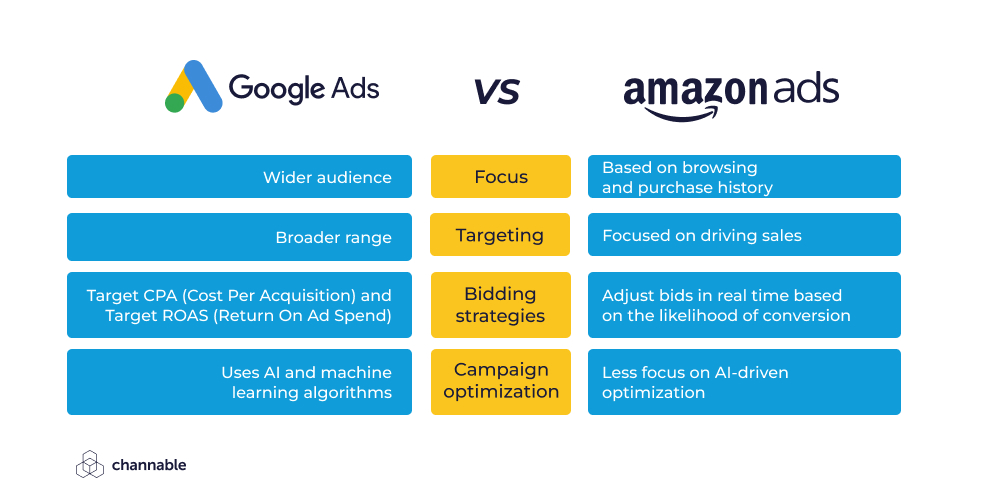
For example, Google Ads offers a variety of bidding strategies, so you can choose the most appropriate strategy based on your business goals, such as “maximizing conversion value” or setting a target ad spend return rate to improve ROI.
Utilize A/B Testing
A/B testing is an effective method to help you compare the performance of different ad versions. By running two or more ad versions at the same time, you can compare their effectiveness and find out the optimal advertising strategy. For example, you can test different ad copy, images, or call-to-action buttons to see which combination is the most interesting to your audience.
By doing this, you can effectively utilize paid media campaigns to attract more traffic and increase sales. Remember, continually optimizing and tweaking your advertising strategy is the key to success.

Constant testing and improvement
You’re right, in the direct sales business, continually testing and improving processes is key to long-term success. By deeply analyzing sales data, carefully considering customer feedback, and scrutinizing website analytics, we can identify specific areas for improvement
Analyzing Sales Data
First, review sales reports on a regular basis, focusing on sales channels and customer analytics. This includes evaluating sales and growth rates across channels such as direct sales, distribution, and e-commerce, as well as analyzing sales to different types of customers, such as new, repeat, and high-value customers.
Collect and analyze customer feedback
Next, actively collect customer feedback to understand their needs and expectations. This can be done through surveys, social media interactions, or communicating directly with customers. Gaining insights into customer pain points and satisfaction helps us optimize our products and services.
Study website analytics
In addition, use web analytics tools to monitor user behavior and website performance. For example, analyze the click path, dwell time and bounce rate of users on the website and identify bottlenecks that may affect conversion rates.
Keep an eye on market trends
Finally, keep an eye on market trends and competitor developments. Understanding the direction of the industry and the competitive landscape helps us adjust our strategies in time to maintain a competitive edge.
Through the above methods, we can continuously optimize our business processes, improve customer satisfaction, and ensure that our direct marketing business continues to thrive in the ever-changing market environment.
Empowering Your Dropship Blueprint with DropSure
Choosing the right dropship platform is critical when building a direct sales business, and Dropsure is a dropship app designed for Shopify users to provide a one-stop shop for product sourcing, logistics, order fulfillment, brand customization, and pre-order inventory. By partnering with global suppliers, Dropsure helps merchants reduce costs, improve product quality, and ensure fast shipping.
With Dropsure, you can enjoy the following advantages:
● Better suppliers at better prices: Dropsure carefully selects suppliers to ensure product quality while helping you reduce purchasing costs.
● Customized branding: With POD (Print on Demand) and customized packaging services, you can create a unique brand image and enhance customer experience.
●One-click product release and batch order import: Streamline the product shelving and order processing process to improve operational efficiency.
●Automatic tracking of order and package status: real-time monitoring of order and logistics status to ensure customer satisfaction.
●Global stable and fast shipment: support fast shipment worldwide, usually delivering to customers within 3-12 days.
●By partnering with Dropsure, you can focus on your business development and marketing strategy and leave supply chain management to a team of professionals. This will greatly improve your operational efficiency and customer satisfaction.