














 En
En
 9 min read
Introduction: The Hidden Truth Behind Successful Product Selection
Many businesses believe product selection begins with trends, pricing opportunities, or supplier catalogs. Entrepreneurs scroll through marketplaces, analyze competitors, and chase what appears to be selling fastest. Yet the most durable brands in modern commerce follow a completely different principle:
Product selection is actually people selection.
Every successful product implicitly answers one question: Who is this for — and what kind of person becomes loyal to it?
When brands fail to define identity first, they often experience familiar problems:
- Inconsistent product catalogs
- Weak customer loyalty
- High return rates
- Price competition instead of value competition
- Marketing that feels scattered or ineffective
On the other hand, brands that begin with a clearly defined identity rarely struggle with product decisions. Their products feel coherent, intentional, and naturally aligned with customer expectations.
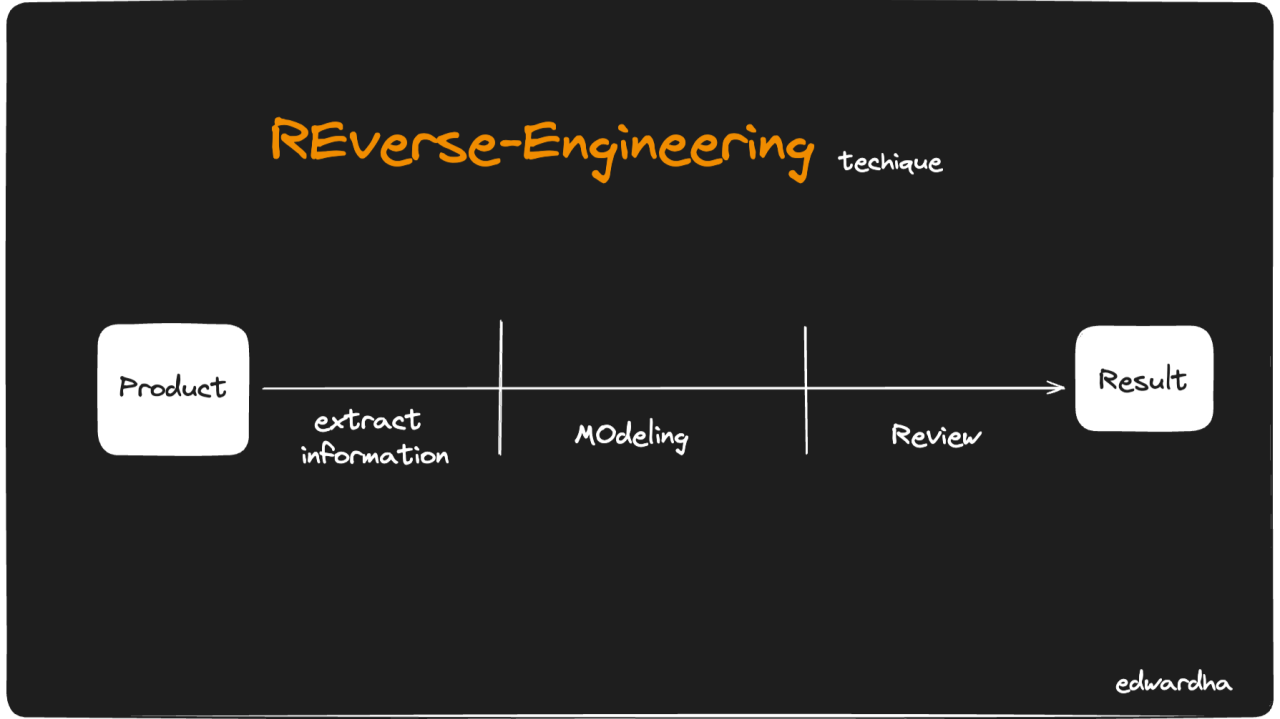
This article explores a practical framework for reversing the traditional process — starting from Brand Identity and working backward to determine exactly which products belong in your lineup and which should never be added.
Part 1: What Brand Identity Really Means (Beyond Logos and Colors)
Many entrepreneurs misunderstand brand identity as visual design elements:
- Logo
- Typography
- Packaging aesthetics
- Website colors
While these matter, they are only surface expressions.
True brand identity is a behavioral promise.
It answers five deeper questions:
- What problem philosophy do you believe in?
- What type of customer do you prioritize?
- What emotional outcome do customers experience?
- What standards will you never compromise?
- What kind of lifestyle does your brand represent?
Think of brand identity as a personality system rather than a visual system.
Identity vs. Image
- Image = what customers see.
- Identity = what decisions you consistently make.
Customers trust brands when decisions appear predictable.
If your store sells minimalist ergonomic products one month and flashy novelty gadgets the next, customers experience cognitive dissonance — even if both categories sell individually.
Consistency signals intention.
Part 2: Why Product Selection Without Identity Fails
Before building a reverse-selection framework, we must understand why traditional methods break down.
1. Trend-Driven Selection Creates Short-Term Revenue
Trend chasing leads to:
- Sudden sales spikes
- Rapid market saturation
- Price erosion
- Declining margins
Without identity anchoring your choices, each new trend resets your brand positioning.
Customers remember trends — not your brand.
2. Supplier-Led Catalog Expansion Weakens Trust
Many sellers add products because suppliers recommend them.
This creates:
- Overextended product categories
- Quality inconsistency
- Confusing store narratives
Customers subconsciously ask:
“What does this brand actually specialize in?”
If they cannot answer, loyalty disappears.
3. Algorithm Dependency Replaces Brand Equity
When products lack identity alignment, sales rely entirely on advertising algorithms or marketplace ranking systems.
The moment traffic costs increase, profitability collapses.
Strong brands reduce dependence on paid discovery because customers actively seek them.
Part 3: The Core Principle — Products Are Identity Expressions
Every product communicates signals:
| Product Attribute | Psychological Message |
|---|---|
| Material quality | How serious the brand is |
| Price point | Target social positioning |
| Design philosophy | Lifestyle alignment |
| Packaging | Emotional intention |
| Durability | Brand reliability promise |
Customers rarely analyze these consciously, but they feel them immediately.
Your product catalog becomes a language through which your brand speaks.
Part 4: The Reverse Product Selection Framework
Instead of asking:
“What products should we sell?”
Start with:
“What kind of customer identity are we serving?”
Here is a structured five-layer framework.
Step 1: Define Your Core Customer Archetype
Avoid demographics first. Age and gender rarely define loyalty.
Focus on behavioral identity.
Examples:
- Efficiency-driven professionals
- Creative minimalists
- Outdoor problem-solvers
- Tech-optimized workers
- Wellness-focused families
Ask:
- What frustrates this person daily?
- What do they value more: speed, aesthetics, reliability, or innovation?
- What trade-offs are they willing to pay for?
A strong archetype narrows infinite product options into a manageable universe.
Step 2: Define Emotional Outcome (Not Product Function)
Customers buy emotional resolution.
Example transformations:
| Functional Product | Emotional Outcome |
| Blue-light glasses | Mental clarity |
| Mosquito lamp | Peaceful evenings |
| Ergonomic chair | Control over productivity |
| Smart storage | Reduced stress |
Your product must consistently deliver the same emotional result.
If one product promises calm and another promises excitement, identity fractures.
Step 3: Establish Non-Negotiable Brand Principles
These are decision filters.
Examples:
- Never sell disposable-quality products
- Prioritize repairability
- Favor minimalist design
- Optimize for long daily usage
- Reduce cognitive overload
Each principle eliminates thousands of unsuitable products automatically.
Brands grow stronger when they say no frequently.
Step 4: Translate Identity into Product Attributes
Now convert abstract identity into measurable criteria.
Example translation:
Brand Identity: Precision-focused digital professionals.
Product Requirements:
- Ergonomic advantage
- Long-session comfort
- Eye strain reduction
- Clean visual design
- Durable materials
- Neutral color palette
Any product failing these criteria is rejected regardless of trend potential.
Step 5: Build a Product Acceptance Checklist
Create a repeatable evaluation system.
Example scoring model:
| Criteria | Weight |
| Identity alignment | 30% |
| Quality consistency | 20% |
| Customer lifestyle fit | 20% |
| Long-term demand | 15% |
| Operational feasibility | 15% |
Products scoring below a threshold never enter testing.
This prevents emotional or impulsive decisions.
Part 5: Mapping Brand Identity Types to Product Strategies
Different identities require different selection logic.
1. Premium Precision Brands
Characteristics:
- Performance-focused
- Detail-oriented customers
- Higher price tolerance
Product strategy:
- Fewer SKUs
- Higher engineering standards
- Incremental innovation
Avoid:
- Cheap accessories
- Trend gimmicks
- Over-color variation
2. Lifestyle Comfort Brands
Characteristics:
- Emotional warmth
- Everyday usability
- Gift-friendly products
Product strategy:
- Cohesive aesthetic
- Sensory consistency
- Packaging experience emphasis
Avoid:
- Highly technical complexity
- Industrial-looking designs
3. Efficiency Optimization Brands
Characteristics:
- Productivity-driven audience
- Time-conscious buyers
- Rational purchasing behavior
Product strategy:
- Problem-solving tools
- Modular ecosystems
- Functional upgrades
Avoid:
- Decorative-only items.
4. Exploration & Outdoor Brands
Characteristics:
- Reliability expectations
- Environmental resilience
- Practical performance
Product strategy:
- Durability testing
- Weather resistance
- Multi-functionality
Avoid:
- Fragile materials.
Part 6: The “Anti-Customer” Method (Advanced Filtering)
One of the strongest identity tools is defining who your brand is not for.
Examples:
- Not for bargain hunters
- Not for impulse buyers
- Not for decorative-only shoppers
- Not for disposable usage
This clarity sharpens product selection dramatically.
When evaluating a new product, ask:
“Would our anti-customer love this?”
If yes, reject it.
Part 7: Aligning Price Strategy with Identity
Price communicates identity more strongly than advertising.
Three alignment models:
Value Identity
Affordable but dependable.
Products must emphasize efficiency and practicality.
Premium Identity
Higher pricing justified by craftsmanship, precision, or longevity.
Products must visibly demonstrate superiority.
Specialist Identity
Niche expertise commands trust.
Products must solve specific problems exceptionally well.
Misaligned pricing confuses customers even if the product quality is good.
Part 8: Building a Cohesive Product Ecosystem
Strong brands evolve from individual products into ecosystems.
Instead of unrelated items, each product should:
- Extend usage time
- Complement existing purchases
- Reinforce lifestyle identity
Example structure:
- Core product (primary solution)
- Enhancement products
- Maintenance accessories
- Upgrade versions
Customers then grow within your brand rather than leaving after one purchase.
Part 9: Data Signals That Confirm Identity Alignment
After launching products, observe behavioral metrics.
Healthy signals:
- Repeat purchases increase
- Lower return rates
- Consistent customer reviews language
- Organic recommendations
- Stable conversion rates
Warning signals:
- Customers asking unrelated product questions
- Wide variation in review expectations
- High price sensitivity
- Confusion about brand purpose
These indicate identity drift.
Part 10: Common Product Selection Mistakes
Mistake 1: Expanding Categories Too Quickly
Growth pressure leads brands to add unrelated products.
Short-term revenue rises; long-term clarity declines.
Mistake 2: Copying Competitors Without Identity Context
Competitor success comes from their audience alignment — not the product alone.
The same item may fail under a different identity.
Mistake 3: Over-Optimization for Margins
High-margin products that contradict brand identity weaken customer trust.
Trust loss costs more than margin gain.
Mistake 4: Ignoring Emotional Consistency
Even technical products must deliver consistent emotional outcomes.
Customers buy feelings disguised as functionality.
Part 11: A Practical Reverse Selection Workflow
Use this repeatable process:
- Write a one-sentence brand belief.
- Define your primary customer archetype.
- List emotional outcomes delivered.
- Establish non-negotiable principles.
- Convert principles into measurable product criteria.
- Score potential products objectively.
- Test small batches.
- Observe behavioral data.
- Refine identity boundaries.
Repeat continuously.
Part 12: Long-Term Benefits of Identity-Driven Product Selection
Brands using this approach experience:
- Lower acquisition costs
- Stronger word-of-mouth growth
- Higher perceived value
- Reduced competition pressure
- Clear marketing narratives
- Simplified decision-making
Most importantly, product decisions become faster and less stressful.
You stop searching endlessly for “winning products” because identity already defines what winning looks like.
Conclusion: Products Are the Physical Form of Your Brand Philosophy
The strongest brands do not ask what to sell next.
They ask:
“What decision would our identity naturally make?”
When brand identity becomes the starting point, product selection transforms from guessing into strategy.
Each product becomes a deliberate expression of values, audience understanding, and long-term positioning.
In the end, successful commerce is not about offering more choices — it is about offering the right choices for the right people.
Because every product you choose attracts a certain customer…
…and every customer you attract ultimately defines your brand.
Choose products carefully, and you are choosing your future audience.