













 En
En
 11 min read
With the rapid growth of e-commerce, dropshipping has become a popular choice for many entrepreneurs and small businesses. This business model allows sellers to fulfill customer orders directly through suppliers without holding inventory, thereby reducing capital and warehousing costs. In recent years, Hong Kong has increasingly attracted global dropshipping sellers due to its unique geographical location and convenient business environment.
According to data from the Hong Kong Census and Statistics Department, Hong Kong’s total import and export volume reached HKD 5.5 trillion in 2023, with trade infrastructure ranking among the best globally. Additionally, data from the Global Shipping Association shows that Hong Kong’s port ranks in the world’s top ten in terms of cargo throughput, ensuring efficient logistics and global distribution for dropshipping businesses.
So, is Hong Kong really the right place to start a dropshipping business? Let’s explore the pros and cons to help you make a better decision.
Unique Advantages of Dropshipping in Hong Kong
Strategic Location and Market Advantages
Hong Kong is strategically located in the heart of Asia, bordering mainland China, making it not only a hub for convenient supply chain connections but also a global center for freight and logistics. This is crucial for Dropshipping sellers as it translates to faster shipping times and lower shipping costs. Hong Kong is close to major Chinese ports such as Shenzhen and Guangzhou, offering a range of flexible transportation options, including air, sea, and land transport. This logistical advantage enables Dropshipping sellers to deliver products to customers in different countries in a shorter amount of time, making Hong Kong an attractive choice for those looking to expand into the Asian market.
Developed Logistics Network
Hong Kong’s logistics network is world-leading, capable of handling large-scale international orders efficiently, whether by air or sea. Numerous international courier companies have large logistics centers in Hong Kong, enabling Dropshipping sellers to quickly and securely deliver products to customers worldwide. For example, global courier companies like DHL, FedEx, and UPS have significant logistics operations in Hong Kong. These companies take advantage of Hong Kong’s strategic geographical location and advanced transportation facilities to ship products to most major markets worldwide within 24 hours. This advantage is particularly useful for smaller products that require efficient shipping, such as electronics and accessories.
Favorable Business Environment
Hong Kong offers low taxes, a straightforward company registration process, and transparent business regulations, providing a favorable environment for entrepreneurs. For Dropshipping sellers looking to expand internationally, this business-friendly environment significantly reduces the complexity and cost of operations. Moreover, Hong Kong’s business regulations are transparent and stable, with the government being friendly towards foreign investments. Companies can quickly set up their businesses without excessive scrutiny.
For instance, the Hong Kong government provides a conducive international trade environment for foreign companies, allowing 100% foreign ownership of businesses in the region and permitting the free repatriation of capital and profits. This transparent and efficient regulatory framework has led many multinational companies to establish their headquarters or branches in Hong Kong, further bolstering its position as a global business and trade hub.
Challenges of Dropshipping in Hong Kong
High Competition Pressure
As an international trade and logistics hub, Hong Kong attracts a large number of Dropshipping sellers, making the market highly competitive. Therefore, if you choose Hong Kong as your base for Dropshipping, you need to have a competitive edge in product selection, customer service, and marketing strategies to stand out from the many competitors in the market.
Shipping Costs and Delivery Time Challenges
Although Hong Kong’s logistics infrastructure is well-developed, shipping costs and delivery times can still be limiting factors. International shipping fees can be high, especially for sellers who wish to offer free worldwide shipping. These costs can significantly eat into profit margins. Additionally, delivery times may be longer for customers in remote areas, necessitating effective communication and customer management to manage expectations and ensure satisfaction.
Legal Regulations and Import Requirements
Dropshipping businesses involve navigating the import and export regulations of various countries, so sellers must familiarize themselves with the customs requirements of different markets to ensure compliance. While Hong Kong itself has a relatively relaxed legal environment, cross-border transactions still require careful attention to tariffs, import/export restrictions, and other regulations. Failing to comply can lead to delays or additional costs, which could impact business operations.
Comparing Hong Kong with Other Dropshipping Hubs: How Does It Stack Up?
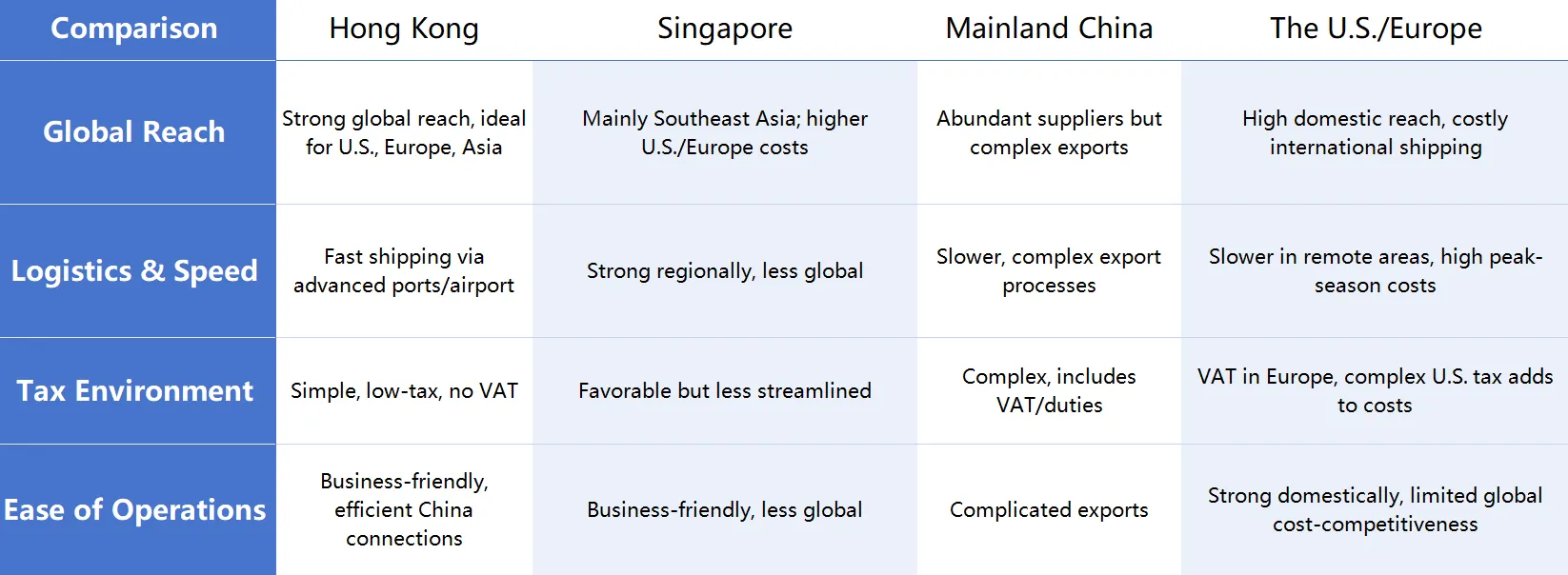
Hong Kong’s Dropshipping market has unique advantages, but it also differs from other popular Dropshipping markets in some aspects.
Singapore
Singapore’s infrastructure and business environment are similar to Hong Kong’s, but due to its smaller market size, it has a somewhat limited global reach. Compared to Hong Kong’s position as a global logistics hub, Singapore’s international shipping coverage is somewhat more restricted.For example, Hong Kong’s port throughput has long ranked among the world’s top, and its close connection to mainland China makes it a key node in global trade. Sellers can quickly ship products from mainland China to markets worldwide, especially to major destinations like the U.S., Europe, and Southeast Asia.
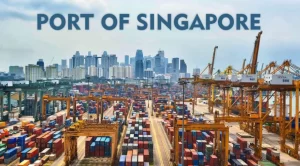
In contrast, while Singapore also boasts a strong transportation network, it mainly serves Southeast Asia and parts of the Asia-Pacific region, and shipping to the U.S. or Europe may incur higher costs and longer delivery times.
Mainland China
As a global manufacturing center, mainland China offers a wealth of supplier resources. However, Dropshipping sellers may face more complex requirements there. Export procedures in mainland China are more complicated compared to Hong Kong, particularly when handling international orders. China’s cross-border e-commerce exports involve strict customs declarations, tax processing, and export duties. Sellers must ensure that their products comply with the import regulations of the destination country.
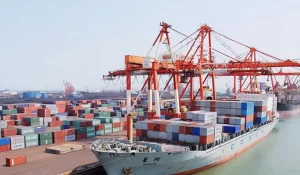
For instance, certain products like electronics and toys may require certifications (such as CE or FCC), and tax policies can be more intricate. In contrast, Hong Kong offers a simpler and more transparent tax environment, with no VAT (Value Added Tax), making operations smoother for Dropshipping sellers.
The U.S. or Europe
The U.S. and Europe have extensive market coverage, but logistics costs are higher. In comparison, Hong Kong has an edge in shipping costs and processing speed.
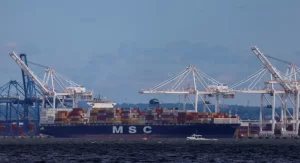
Hong Kong’s advantages in logistics speed are particularly noteworthy. The city’s deep-water ports and international airport are among the busiest cargo hubs in the world, offering efficient shipping services for cross-border e-commerce. On the other hand, some regions in the U.S. and Europe, especially remote inland cities, may experience slower logistics processing, especially during peak seasons like Black Friday or Christmas.
Who is Suitable for Dropshipping in Hong Kong?
Hong Kong’s unique advantages make it an attractive market for Dropshipping, but not all types of sellers are suited for operating in Hong Kong. Here are the types of sellers who are best suited for Dropshipping in Hong Kong:
Beginners
For sellers just starting out in Dropshipping, Hong Kong offers low taxes and a simple company registration process, making it an ideal place to launch a business. While the market competition in Hong Kong can be intense, entrepreneurs can still leverage Hong Kong’s free business environment to quickly start operations and gradually build their customer base. Especially for those looking to test the market, find reliable suppliers, and expand their sales, Hong Kong provides a solid starting point.
Experienced Dropshipping Sellers
For sellers with an established market presence and customer base, Hong Kong’s advantages become even more significant. Especially for those planning to expand into international markets, Hong Kong’s strategic location and efficient logistics network help sellers fulfill orders globally. Experienced sellers can use Hong Kong’s advantages to streamline cross-border operations and focus on market expansion and brand development. Additionally, Hong Kong’s relatively simple legal environment and low taxes offer more flexibility in business management and finance.
Sellers Who Need Efficient Logistics
For sellers who need fast fulfillment and efficient logistics handling, Hong Kong’s logistics system is a major advantage. Hong Kong’s deep-water ports and international airports are among the busiest freight hubs in the world, ensuring quick processing and delivery of orders. Sellers planning to expand into both Asian and global markets will find Hong Kong’s logistics system helps ensure timely deliveries, meeting customer expectations for fast shipping.
Practical Tips for Running Dropshipping in Hong Kong
Choose Reliable Suppliers
Selecting a trustworthy supplier is crucial to the success of your Dropshipping business. You can find high-quality suppliers from platforms such as AliExpress, Oberlo, and others, particularly those based in Hong Kong or nearby regions. This ensures product quality and a stable supply chain.
Optimize Logistics Processes
Running a Dropshipping business on an international scale requires effective logistics management. It’s important to choose the right logistics partners to streamline shipping. Using international logistics companies such as DHL, FedEx, and others can help optimize delivery times and provide fast and reliable shipping services to your customers worldwide.
Focus on Marketing and Brand Building
With intense competition in the Hong Kong market, Dropshipping sellers can enhance their competitiveness by building a strong brand and increasing social media promotion. For example, creating a business page on platforms like Instagram or Facebook and posting product showcases, customer reviews, and feedback can significantly increase brand visibility and attract more customers.

Final Words
Overall, Hong Kong, as an international trade hub, offers many advantages for Dropshipping, but it also comes with some challenges. For sellers who are looking to expand internationally and have some capital and experience, Hong Kong is undoubtedly a base worth considering. For beginners with limited budgets, it’s advisable to start in markets with lower costs and gradually expand to Hong Kong as the business grows. I hope this article has provided some insights and guidance for your Dropshipping decisions.
If you’re ready to start your Dropshipping journey, DropSure offers a simple and flexible platform to help you manage suppliers, orders, and customers with ease. Whether you are a beginner or an experienced seller, DropSure provides the tools and resources you need to succeed. Register with DropSure now and kickstart your Dropshipping business!