













 En
En
 12 min read
Want to start an online business? Most likely, you are envisioning dropshipping or Amazon FBA. Both have allowed literally thousands of entrepreneurs to thrive. But their functionality differs, so determining which is best for you, depending on your objectives and budget as well, is critical.
By the time you finish this guide, you’ll know how each model works and its strengths and weaknesses. You’ll also know how to get the best results with them.” Ready to begin? Let’s dive in!
How Does Dropshipping Work?
One popular model in the e-commerce world is dropshipping. It’s a cheap, low-risk method of making sales online. You Won’t Have to Worry about Inventory
Dropshipping is a business model where you sell products online without keeping any inventory. Instead of buying products upfront and storing them in a warehouse, you partner with a supplier who handles the storage, packaging, and shipping of products directly to your customers.
Here’s how it works:
List Products in Your Store
Begin by making a list of the products that you would like to sell, on your store, or on platforms such as Shopify, or Amazon. Yes, these goods are on suppliers like AliExpress or calls like Oberlo or DropSure.
Customer Places an Order
When a customer makes a purchase, you get paid upfront. That means you can start making money immediately.
Supplier Ships the Product
After that your supplier sends the product to the customer. You don’t need to deal with any shipping or anything!
Pros and Cons of Dropshipping
Dropshipping is a popular way to start an online business, especially for beginners. However, like any business model, it has its own advantages and disadvantages. In this guide, we’ll break them down to help you weigh the pros and cons before getting started.
Pros of Dropshipping
1.Low Start-Up Cost
You don’t need to buy inventory ahead of time, rent warehouse space or hire staff. Great for beginners who like to keep their trades small and low risk
2.Low Risk
Not sure if a product will sell? No problem! With dropshipping, if things don’t work out, you won’t be stuck with unsold inventory. It simply means you can pivot to a different product or niche with ease.
3.Flexibility
One of the greatest advantages of dropshipping is the amount of freedom it gives you. That means that as long as you have internet access, you can run your business anywhere in the world. This can be done from home, a café, or when you travel!
4.Easy to Scale
As your company grows, you can easily introduce additional products or target new demographics without having to stress over expanding your storage or fulfillment processes. You don’t need to do that — suppliers do.
Cons of Dropshipping
1.High Competition
Dropshipping is very easy to get started with, making it alluring for sellers. That means competition can be fierce, particularly for hot or commodified products. It is learned through time and creativity to become great marketing.
2.Less Control
Your suppliers handle all product quality, packaging and shipping. If they screw up, it’s your good name on the line. These issues can be difficult to combat.
3.Shipping Delays
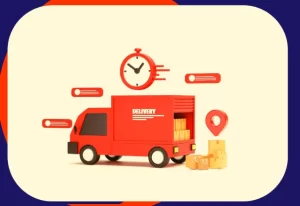
If you’re also sourcing your supplier from abroad, it could take a while for the supplier to get it, so the customer gets impatient. A dozen items from multiple providers may even arrive sometime around the same time, leaving buyers wondering.
4.Smaller Margins
Severe competition can push sellers to begin slashing prices, which can compress profit margins. As a result, you’ll need to hit volume sales or offer value-added services to make the most of your results.
Who is dropshipping best suited for?
For many, dropshipping is an appealing, low-risk, low-cost way to start an online business. But it’s not for everybody.” We will take a look at who can get the most out of it.
Start-Ups For Individuals With Minimal Capital
One of them is dropshipping, a great dream for starters with low startup costs. Unlike standard e-commerce models, you don’t have to invest in upfront inventory or pay for storage. This makes it also a great option for those who are just starting and have little to no budget: you only pay for the products whenever you make a sale.
Newbies to E-Commerce
If you’re the kind of person who is just dipping your toes into the e-commerce world, dropshipping is a great place to start. It’s relatively simple to set up, and you can learn the basics of online marketing, customer service and product selection without any concern about logistics like shipping or warehousing.
Freelancers or Side Hustlers
Dropshipping is definitely not for those who want a business they can incorporate into their daily life. You can continue with your day job or freelance gigs and start running your store on the side. The work-from-anywhere aspect makes it manageable on the side.
Digital Nomads
Love to travel? This is the perfect income amount for digital nomads having a location-independent lifestyle. You can operate your business anywhere you are in the world as long as you have a laptop and internet connection.

Business Owners Who Want to Scale With Minimal Risk
Already in business but want to diversify your product offerings? Dropshipping is a low-risk way to test out new products or launch a new market without the upfront cost of holding inventory.
How Does Amazon FBA Work?
What is FBA (Fulfilled by Amazon)?
Amazon FBA is a powerful logistics solution that allows sellers to focus on selling while Amazon handles storage, packing, shipping, and customer service. It simplifies the selling process, making it easier to manage an e-commerce business.
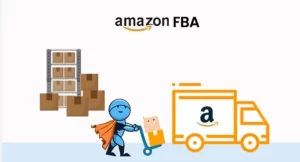
Here’s how Amazon FBA works for sellers:
Source Your Products
Purchase products to sell, typically from wholesalers, manufacturers, or private-label suppliers. Buying in bulk often means better profit margins.
Send Inventory to Amazon
Ship your products to Amazon’s warehouses. Amazon takes care of organizing, storing, and tracking your inventory, so you don’t have to.
List Your Products
Create a listing on Amazon’s marketplace. Use high-quality images, compelling copy, and competitive pricing to attract buyers.
Customer Places an Order
When a customer buys your product, the order is automatically sent to Amazon’s fulfillment center.
Amazon Handles Fulfillment
Amazon picks, packs, and ships the product directly to the customer. They also manage returns and customer service on your behalf.
You Get Paid
After the order is fulfilled, your earnings (minus Amazon’s fees) are deposited into your bank account.
Pros and Cons of Amazon FBA
The Amazon FBA (Fulfilled by Amazon) model is an e-commerce darling for a reason: it’s easy to use, scalable and gets your products in front of millions of potential customers. But, it has downsides. Let’s take a look at the advantages and disadvantages such that you can decide if it is the right forge you.
Pros of Amazon FBA
Built-In Trust and Huge Audience
With millions of shoppers, Amazon is a trust-building machine, This last point should interest you, as the moment your products are listed, they are visible to this massive audience, and you can sell without needing to pay for any ads.
Amazon Prime Benefits
Also, as FBA products, they qualify for Amazon Prime as well and customers can avail fast and free shipping. And, since a lot of shoppers tend to filter search results by Prime-eligible products because of the ease of Prime, this can greatly increase conversions.
Hands-Off Logistics
Amazon handles storage, packing, shipping, and customer service. This allows you to skip the headaches of handling stock and logistics, giving you additional time to concentrate on expanding your brand.
Scalable Business Model
Amazon’s infrastructure enables the growth of businesses. Your sales can increase (often multiples) with virtually no incremental orders in man-power, enabling you to expand your product offerings or test new nichespain-free.
Competitive Advantage
Amazon’s reputation and trust build a monopoly for your products. Compared to lesser-known websites, shoppers are more likely to buy from a familiar and trusted platform such as Amazon.
Cons of Amazon FBA
High Fees
To start, you need to buy inventory in bulk, which can cost a lot of money up front. If they don’t, you are stuck with unsold inventory with potential storage fees.
Less Control Over Branding
Your products exist on Amazon’s marketplace, so you have limited ability to manage the customer journey. Few branding opportunities exist, and the customer thinks of the purchase as Amazon, not your company.
Strict Policies
There are rules — strict ones, even — for Amazon sellers. You screw up any of these rules, even accidentally and even in the beginning, and your account gets suspended or banned, forever.
Increased Competition
He’s not alone in that struggle — with millions of sellers on eBay, it’s hard to get noticed. Other sellers may offer the same product for a better price. Amazon itself could also compete by selling its own products, of course.
Who Benefits the Most by Using Amazon FBA?
Well-Capitalized Owners Motivated to Sell
You do need money to start your Amazon FBA business you have your costs of initial inventory and some slight setup and account fees. FBA will return high RoI, if you have enough margin to cover the costs of products purchased in bulk as well as storage and fulfillment fees.
Amazon FBA is ideal for:
Small Businesses Looking to Scale
If you’re a small business ready to grow, FBA handles logistics. This frees up your time to focus on scaling.
Sellers with High-Turnover Products
FBA works best for products that sell quickly. This minimizes storage fees and maximizes profits.
E-commerce Entrepreneurs Seeking Hands-Off Operations
For those who want to avoid managing inventory, packing, and shipping, FBA’s full-service model is a perfect fit.
International Sellers
FBA provides a streamlined way to access Amazon’s global audience. You don’t have to deal with complex international shipping logistics.
Prime-Focused Businesses
If your products appeal to Prime members, FBA can significantly boost visibility and conversions. This is thanks to fast, free shipping benefits.
So, Which is right for you: dropshipping or Amazon FBA?
Dropshipping is great if you want to start ecommerce without inventory and large amounts of money. It lets you test products and learn about e-commerce without spending a lot in advance.
Amazon FBA is better if you’re ready to invest in inventory and grow fast. It offers fast shipping and a simple fulfillment process. It’s perfect for tapping into Amazon’s huge audience and trusted platform.
Both paths need time and effort to succeed. But they offer amazing opportunities. What’s your dream? Pick your path, take the leap, and start building your online empire today!