














 En
En
 19 min read
In today’s digital commerce landscape, social media is no longer just a place where brands share photos, publish updates, or communicate with followers. It has evolved into a powerful shopping environment where customers can discover products, explore brand stories, compare options, and complete purchases without leaving their favorite platforms.
For independent online stores, creating a seamless shopping experience on platforms like Instagram and Facebook can significantly improve customer engagement and increase sales opportunities. Instead of relying only on traditional website traffic, small businesses can transform their social channels into interactive storefronts where every post, video, and customer interaction has the potential to become a purchasing opportunity.
A successful shoppable social media experience connects three important elements:
- Attractive product presentation
- Convenient shopping access
- A trustworthy brand relationship
When these elements work together, social media becomes more than a marketing channel. It becomes a digital shopping destination that guides customers from product discovery to checkout.
For independent brands, this approach offers a practical way to compete with larger companies. With creative content, smart product organization, and consistent customer interaction, even small businesses can build strong online communities and generate meaningful revenue.
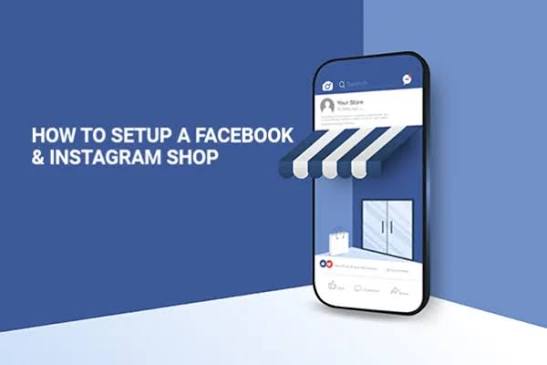
This guide explains how to quickly create a shoppable experience on Instagram and Facebook, from setting up product catalogs to optimizing content strategies that encourage customers to buy.
1. Understand the Power of Social Commerce for Independent Brands
Traditional online shopping usually follows a simple path:
Customer searches → Visits website → Reviews products → Adds items to cart → Completes purchase
However, modern consumers often discover products differently:
Customer sees a video → Becomes interested → Checks product details → Shares with friends → Purchases immediately
This change has made social commerce increasingly important.
Instagram and Facebook provide businesses with opportunities to place products directly where customers spend their time. Instead of asking people to leave social platforms and visit a separate website, brands can create a smoother experience by integrating product information, images, pricing, and purchasing options directly into social content.
For independent stores, this creates several advantages.
Reach Customers During the Discovery Stage
Many people do not open social media platforms with the intention of shopping. They browse for entertainment, inspiration, or connection. A beautifully designed product post can naturally introduce a product to potential buyers who may not have discovered the brand through traditional search methods.
For example, a handmade jewelry business can use lifestyle photos showing customers wearing its products. A home furniture store can share room design inspiration featuring its collections. A skincare company can demonstrate product usage through short videos.
The product becomes part of a story rather than simply an item listed for sale.
Build Trust Through Authentic Content
Independent brands often have one major advantage over large corporations: authenticity.
Customers today want to understand the people, values, and creativity behind a business. Social platforms allow brands to show behind-the-scenes production, customer reviews, founder stories, and real-life product applications.
A strong social shopping experience is not only about selling products. It is about creating confidence.
When customers feel connected to a brand, they are more likely to purchase and recommend it.
2. Prepare Your Independent Store Before Creating a Social Shopping Experience
Before connecting your store with Instagram and Facebook shopping features, it is important to prepare your online business foundation.
A smooth shopping experience begins with accurate product information and professional presentation.
Improve Your Product Pages
Your independent website should provide complete and reliable product details.
Each product page should include:
- High-quality images from multiple angles
- Clear product descriptions
- Available sizes, colors, or variations
- Shipping information
- Return policies
- Customer reviews
- Frequently asked questions
Social media can attract customers, but your website must convert their interest into purchases.
A customer who clicks from Instagram or Facebook expects a simple and trustworthy buying process. If product information is incomplete or confusing, potential sales may disappear.
Create Consistent Brand Visuals
Your social media storefront should look connected to your independent website.
Use consistent:
- Brand colors
- Photography style
- Product presentation
- Writing tone
- Logo placement
A customer should immediately recognize your brand whether they are visiting your website, viewing an Instagram post, or exploring a Facebook product collection.
Consistency builds professionalism and helps smaller businesses appear more established.
3. Set Up Instagram Shopping for Your Independent Store
Instagram has become one of the most influential platforms for product discovery. Its visual format makes it especially effective for fashion, beauty, home goods, accessories, food, and lifestyle brands.
Creating an Instagram shopping experience requires several key steps.
Step 1: Create a Professional Instagram Business Account
A personal account is designed for communication and sharing. A business account provides additional tools for brands, including:
- Product promotion features
- Performance insights
- Contact options
- Shopping capabilities
A professional profile should include:
- A recognizable profile image
- A clear business description
- A link to your online store
- Contact information
- A consistent posting schedule
Your profile is the entrance to your digital storefront, so visitors should immediately understand what your business offers.
Step 2: Connect Your Product Catalog
A product catalog is the foundation of a shoppable Instagram experience.
It allows customers to view:
- Product names
- Prices
- Images
- Descriptions
- Purchase links
Instead of manually directing customers to your website for every product, catalog integration allows products to appear naturally throughout your content.
For example:
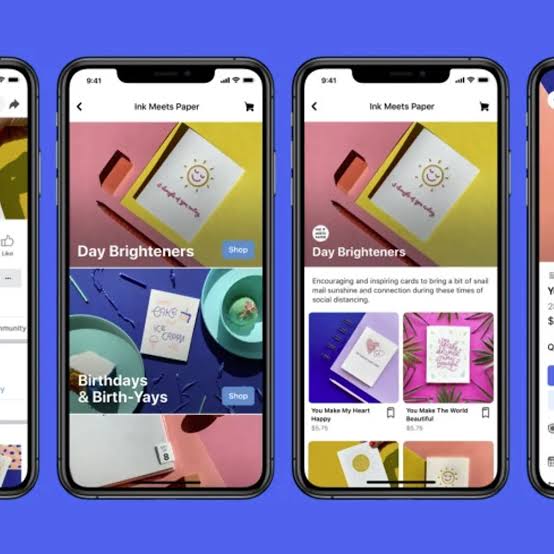
A clothing brand posts a lifestyle photo featuring a new jacket. Customers can tap the product tag and immediately view details.
A furniture company shares a living room design image. Users can select the featured chair or table to learn more.
A cosmetics brand uploads a tutorial video. Viewers can explore the products used in the demonstration.
The buying process becomes faster and more natural.
3. Set Up Instagram Shopping for Your Independent Store (Continued)
Step 3: Optimize Product Tags in Your Content
Product tagging is one of the most effective ways to turn Instagram engagement into sales opportunities.
Many businesses make the mistake of treating product tags as simple links. However, when used strategically, product tags can become natural shopping invitations.
Instead of adding tags randomly, consider how customers experience your content.
A strong product-tagging strategy includes:
Tag Products in Lifestyle Images
Customers often respond better to products shown in real situations rather than isolated product photos.
For example:
A clothing store can show a complete outfit and tag each item.
A home decor brand can display a finished room and tag furniture pieces.
A beauty brand can share a makeup tutorial and tag every product used.
This approach helps customers imagine how products fit into their own lives.
Highlight Featured Products Regularly
If your store launches new collections, seasonal products, or limited-time offers, use product tags consistently across multiple content formats.
A single product announcement may be missed by many followers. Repeating product visibility through:
- Feed posts
- Stories
- Short videos
- Live broadcasts
creates more opportunities for discovery.
Avoid Overloading Posts With Too Many Products
Although Instagram allows multiple product tags, too many options can create confusion.
The goal is not to display every available product. The goal is to guide customers toward the products most relevant to the content.
A focused shopping experience usually creates better engagement than a crowded product showcase.
4. Use Instagram Stories and Short Videos to Increase Product Discovery
Modern consumers often prefer fast, visual content. Instagram Stories and short-form videos provide powerful opportunities for independent stores to demonstrate products and encourage purchases.
Create Product Demonstration Videos
A product becomes more attractive when customers understand how it works.
Examples include:
- Clothing brands showing different styling options
- Electronics stores demonstrating features
- Food brands showing preparation methods
- Furniture companies showing installation processes
- Beauty brands explaining product applications
Video removes uncertainty and helps customers make purchasing decisions faster.
Use Behind-the-Scenes Content
People enjoy seeing the human side of independent businesses.
Behind-the-scenes content can include:
- Product creation processes
- Packaging orders
- Team introductions
- Studio tours
- Customer feedback moments
This type of content strengthens emotional connections.
Large companies often compete through advertising budgets. Independent brands can compete through authenticity and personal connection.
Encourage Customer-Generated Content
Customer photos and videos are valuable because they provide social proof.
When buyers share their experiences, potential customers see real people using your products.
You can encourage customer participation by:
- Creating branded hashtags
- Sharing customer photos
- Featuring customer reviews
- Offering incentives for user-generated content
A customer recommendation from another buyer often feels more trustworthy than traditional advertising.
5. Build a Facebook Shopping Experience That Supports Your Website
While Instagram focuses heavily on visual discovery, Facebook provides powerful tools for building communities and managing customer relationships.
For many independent businesses, Facebook remains an important platform for:
- Customer conversations
- Product announcements
- Community building
- Paid promotion
- Customer support
A well-designed Facebook shopping experience can complement your independent website and Instagram presence.
Create a Facebook Business Page
Your Facebook Business Page should function as an extension of your online store.
Important elements include:
- Professional cover image
- Clear business information
- Product categories
- Website connection
- Customer service contact options
Visitors should immediately understand your brand identity and how they can shop.
Organize Products Into Collections
Product collections make browsing easier.
Instead of presenting hundreds of items in one place, organize products according to customer needs.
Examples:
Fashion Store:
- New Arrivals
- Best Sellers
- Seasonal Collections
- Accessories
Home Store:
- Living Room
- Bedroom
- Office Furniture
- Small Space Solutions
Beauty Brand:
- Skincare Essentials
- Gift Sets
- Travel Products
- Customer Favorites
Good organization reduces customer effort and improves the shopping experience.
6. Connect Your Independent Website With Social Shopping Channels
A successful shoppable social media strategy does not replace your website. Instead, it creates multiple pathways that lead customers toward your online store.
Your website remains the central location for:
- Complete product information
- Customer accounts
- Email marketing
- Long-term customer relationships
- Brand storytelling
Social media works as the discovery engine.
Think of your digital sales system like this:
Social media attracts attention.
Product content creates interest.
Shopping features reduce friction.
Your website completes the transaction.
The strongest independent brands create a connected experience across every channel.
7. Improve Product Photography for Social Commerce Success
Visual quality directly affects purchasing decisions on Instagram and Facebook.
Customers cannot physically touch products online, so images must communicate quality, details, and value.
Use Multiple Product Images
A complete product presentation should answer customer questions before they ask.
Include:
- Front views
- Side views
- Close-up details
- Usage examples
- Size references
- Lifestyle applications
For example, a handbag photo should not only show the bag itself. It should demonstrate scale, texture, carrying methods, and styling possibilities.
Focus on Lifestyle Photography
Lifestyle images help customers imagine ownership.
Compare these two approaches:
A shoe photographed on a plain background.
A person wearing the shoe while traveling, walking through a city, or enjoying daily activities.
The second image creates an emotional connection.
Successful social shopping is built around imagination.
Customers are not only buying products. They are buying experiences, solutions, and improvements to their lifestyle.
8. Create Content That Encourages Shopping Without Feeling Like Advertising
One challenge for independent brands is balancing sales content with valuable content.
If every post directly asks customers to buy, audiences may lose interest.
A better approach is creating a content mix.
Educational Content
Teach customers something related to your products.
Examples:
A skincare company can explain ingredient benefits.
A furniture brand can share interior design tips.
A clothing company can explain styling techniques.
Educational content builds authority and keeps followers engaged.
Inspirational Content
Show possibilities.
Examples:
- Home transformation projects
- Customer success stories
- Product styling ideas
- Creative usage examples
Inspirational content helps customers see why a product matters.
Promotional Content
Sales announcements are still important.
Use promotional content for:
- New product launches
- Seasonal discounts
- Limited collections
- Special events
However, promotions work best when combined with helpful and engaging content.
9. Use Facebook and Instagram Advertising to Accelerate Product Discovery
Organic content is essential for building long-term relationships, but paid advertising can help independent stores reach new audiences faster.
Instagram and Facebook provide advanced advertising tools that allow businesses to introduce products to people who are more likely to be interested.
The key is not simply spending money on advertisements. The key is creating campaigns that match customer behavior.
Promote Your Best-Performing Content
Not every post needs advertising support.
Instead, identify content that already receives strong engagement, such as:
- High numbers of likes
- Customer comments
- Product inquiries
- Shares and saves
- Website visits
Content that naturally attracts attention often performs better when promoted to a larger audience.
For example, if a short product video receives strong reactions from existing followers, it may be a good candidate for reaching new potential customers.
Target the Right Audience
Successful social shopping depends on showing products to relevant customers.
Independent stores can define audiences based on factors such as:
- Age range
- Location
- Interests
- Shopping behavior
- Previous interactions with the brand
A sustainable clothing brand may focus on customers interested in ethical fashion.
A fitness equipment company may reach people interested in wellness and exercise.
A handmade gift store may connect with customers searching for unique presents.
The more accurately your products match customer interests, the more effective your campaigns become.
Retarget Interested Visitors
Many customers do not purchase the first time they discover a brand.
They may:
- View a product
- Visit your website
- Add items to a cart
- Save a post
- Follow your account
but delay the final decision.
Retargeting helps businesses reconnect with these potential customers.
A reminder about a previously viewed product, a customer review, or a limited-time offer can encourage customers to complete their purchase.
10. Build Customer Trust Through Social Proof
Trust is one of the biggest factors influencing online purchases.
When customers shop through social platforms, they want reassurance that the brand is reliable.
Independent stores can build trust through several methods.
Display Customer Reviews
Reviews provide evidence that real people have purchased and enjoyed your products.
Effective review content includes:
- Customer photos
- Video testimonials
- Detailed experiences
- Product results
- Before-and-after comparisons
A simple customer message can become powerful sales content.
Share Community Feedback
Show customers that your brand has an active community.
Examples:
- Reposting customer photos
- Highlighting customer stories
- Sharing feedback screenshots
- Featuring loyal customers
When new visitors see other people engaging with your brand, they feel more confident.
Respond Quickly to Questions
Social commerce requires active communication.
Customers may ask:
- Is this available in another size?
- How long does shipping take?
- Does this product work for my situation?
- Can I return it?
Fast and helpful responses can directly influence purchasing decisions.
Good customer service is part of the shopping experience.
11. Create a Seamless Checkout Journey
A beautiful Instagram or Facebook store will not generate results if the buying process is complicated.
Every additional step creates a chance for customers to leave.
A smooth checkout experience should include:
Clear Product Information
Before purchasing, customers should easily understand:
- Product benefits
- Pricing
- Shipping costs
- Delivery times
- Available options
Unexpected information often causes abandoned carts.
Mobile-Friendly Shopping
Most social media users browse through mobile devices.
Your website and checkout process should be optimized for smartphones.
Important elements include:
- Fast loading speed
- Easy navigation
- Simple checkout forms
- Mobile payment options
- Clear buttons
A customer discovering your product on Instagram should be able to complete a purchase comfortably from their phone.
Maintain Consistent Messaging
The transition from social media to your website should feel natural.
Avoid situations where:
Instagram shows one product name.
The website uses a different description.
Prices appear inconsistent.
Images look completely different.
Consistency creates confidence.
12. Use Data to Improve Your Social Shopping Strategy
Building a successful shoppable social media experience requires continuous improvement.
Instead of guessing what customers want, use available performance information.
Important measurements include:
Engagement Performance
Monitor:
- Likes
- Comments
- Shares
- Saves
- Video views
These indicators show which types of content attract attention.
Shopping Performance
Track:
- Product clicks
- Website visits
- Add-to-cart actions
- Completed purchases
These numbers reveal whether your content actually encourages buying behavior.
Customer Behavior Patterns
Pay attention to:
- Which products receive the most interest
- Which posts create conversations
- Which videos generate purchases
- Which audiences respond best
Over time, these insights help independent stores create better content and make smarter decisions.
13. Common Mistakes Independent Stores Should Avoid
Creating a social shopping experience requires strategy. Many businesses make avoidable mistakes.
Mistake 1: Only Posting Product Photos
A social media page filled with product advertisements can feel impersonal.
Customers want stories, ideas, and useful information.
Balance product promotion with:
- Education
- Entertainment
- Community content
- Brand storytelling
Mistake 2: Ignoring Customer Messages
A customer question is often a buying opportunity.
Slow responses may cause customers to choose another brand.
Treat every message as part of your sales process.
Mistake 3: Inconsistent Posting
A social storefront needs regular activity.
Long periods without updates can make customers assume the business is inactive.
Create a realistic content schedule that your team can maintain.
Mistake 4: Forgetting Mobile Experience
Most social shoppers use phones.
A complicated mobile checkout process can reduce sales dramatically.
Always test your shopping journey from a mobile customer’s perspective.
14. Future Trends in Social Shopping for Independent Brands
Social commerce continues to evolve, and independent stores should prepare for changing customer expectations.
Several trends are shaping the future.
Short Video Shopping
Short videos continue to influence buying decisions because they combine entertainment and product education.
Brands that can demonstrate value quickly will have stronger opportunities to attract customers.
Live Shopping Experiences
Live shopping allows brands to interact directly with audiences.
During live sessions, businesses can:
- Demonstrate products
- Answer questions
- Offer exclusive promotions
- Build personal connections
This creates a shopping experience similar to visiting a physical store.
Personalized Customer Experiences
Customers increasingly expect recommendations based on their interests.
Independent brands can use customer information responsibly to create more relevant experiences.
Examples:
- Personalized product suggestions
- Customized promotions
- Follow-up messages
- Exclusive offers for loyal customers
Conclusion: Transform Your Social Media Into a Digital Storefront
For independent businesses, Instagram and Facebook provide powerful opportunities to create a modern shopping experience that combines discovery, engagement, and purchasing.
The most successful social shopping strategies are not built around selling alone. They focus on creating relationships.
A strong approach includes:
- Professional product presentation
- Easy shopping access
- Authentic storytelling
- Customer interaction
- Consistent brand experiences
When social media becomes an extension of your independent website, every post, video, and conversation can help guide customers toward a purchase.
The future of online shopping is not only about where customers buy products. It is about where customers discover inspiration, build trust, and connect with brands.
By creating a seamless shoppable experience on Instagram and Facebook, independent stores can turn followers into loyal customers and build sustainable growth in the digital marketplace.