














 En
En
 9 min read
If you are visiting here, you may be wondering how to turn first-time shoppers into raving fans that come back for more. Well here’s the secret weapon you need — a loyalty program.It’s the best way to show your customers some love, reward their support, and ensure your business survives!
Ready to dive in? Let’s visualize building an online-loyalty system that’ll put a smile on your customers’ faces and keep your sales numbers in the sky!
What is Customer Loyalty?
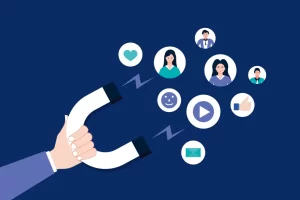
What if… A customer discovers your store, purchases from your store, and gets obsessed with your product. They’re happy with the quality, the experience and how smoothly everything transpired. Soon enough, they’re back for seconds. Again and again. That’s the beauty of customer loyalty — the e-commerce golden ticket.
Source:Engagement Lab
But what if there was a way to build on that loyalty? That’s where a loyalty program comes in — the icing on the cake, if you will. It means that your shoppers are seen and appreciated for their loyalty. Every purchase, every interaction taps you closer to some delight — a discount, a freebie, exclusive access.
This could be a game-changer for the dropshippers. Dropshipping is often based on acquiring new customer but with the proper loyalty program you dartboard it. Instead of going after new buyers every time, you’ll be creating long-lasting relations. Love builds, repeat sales soar, and the next thing you know those previous binge buyers become cheerleaders, telling everyone they know about your store. Sales is not the end goal, relationship is what spikes the interest.
The Benefits of Creating a Customer Loyalty Program
With so many players in the market, standing out can seem like an impossible feat. And this is why loyalty programs are so effective—they create a competitive advantage for your brand.
They do more than hang on to customers; they make shoppers feel valued. When customers are appreciated, they stay longer and spend more. Loyalty programs entice newbies with irresistible rewards that are too good to pass up, converting tire-kickers into loyal customers.
But it doesn’t stop there. These programs increase your customer lifetime value by encouraging repeat purchases, which makes each shopper more profitable over time. The best loyalty programs do more than sell products; they foster enduring relationships that transform your brand into a trusted favorite.
Elements of a Loyalty Program
Understanding Your Customers
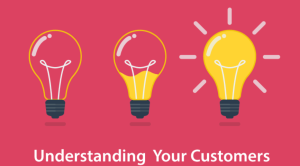
What does it even mean for a loyalty program to be effective? It starts with knowing your customers. By monitoring their shopping habits — what they purchase, how often they shop, what they cannot live without — you can gain insights that help you create a program that feels bespoke. This groundwork ensures that your program is tuned to customers’ needs and wants, instilling a sense of closeness and significance that makes customers feel heard and appreciated.
Offering the Right Rewards
Next up, rewards to distribution. The kind of rewards you provide can make or break your program. Points, discounts, free gifts or even exclusive access to new products or events — all offer various degrees of appeal. The trick is to pick rewards that your audience genuinely cares about and that work with your brand identity. A boutique, for instance, may provide the opportunity for early shopping for new collections; an electronics store, on the other hand, could offer discounts for loyal customers. The right rewards don’t just keep customers in the fold; they create a positive affinity for your business.
Simplifying Redemption Rules
Source:Foley Food and Wine Society
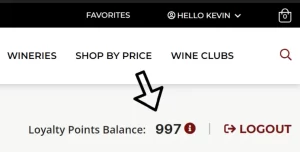
Redemption rules are also an important piece. If customers have too much trouble or take too long to redeem their rewards, they will soon begin to disengage. It’s all about simplicity here. Make it intuitive, quick, and no hassle and shady business. For instance, let customers view their points balance when checking out, or redeem rewards with a couple of clicks. In particular, maintain-it-management decisions that are straightforward and easy to apprehend encourage participation and allow the experience to stay pleasurable.
Communicating Effectively
Effective communication is the glue that holds it all together. Your loyalty program needs to be crystal clear in its benefits to customers. Don’t miss an opportunity to communicate what’s in it for them (via email, your website or in-store signage) and how the earning and redemption process works. Don’t overwhelm them with jargon or small print; make your messaging conversational, direct and digestible.”
Bringing It All Together
When all of these elements come together in one unified experience— personalisation, exciting rewards, emerging rewards, simple redemption, and clear communication— you can reshape what your loyalty program is doing from just being a tool that is highly efficient to one that is at the heart of your marketing strategy. It evolves into a potent extension of your brand, one that customers trust, interact with, and cannot wait to join.
Steps to Create a Successful Loyalty Program
1. Keep It Simple
Clarity is crucial for any loyalty program. Customers can easily be turned off by complex rules or confusing terms. Make sure the program is simple, with clear instructions that anyone can understand. The easier it is to join and participate, the more likely customers will stick around.
2. Make It Personal
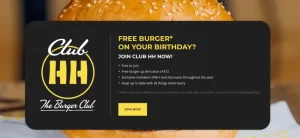
Personalization is everything when it comes to engagement. Use customer data to offer personalized rewards, like tailored discounts, birthday perks, or early access to products they love. When customers feel the program is made just for them, they’ll be far more motivated to participate.
Source:Marsello
3. Add Interactivity
Make it fun by incorporating interactive elements. Gamify the program with challenges, goals, or milestones. For example, you can reward customers who purchase a certain number of items or refer friends. Adding a layer of excitement will encourage customers to stay involved.
4. Offer Valuable Rewards
Rewards should feel significant. A tiny discount might not grab attention, but meaningful perks—like free products, deep discounts, or access to exclusive items—show customers you value their loyalty.
5. Craft Memorable Experiences
Remember, a loyalty program isn’t just about accumulating points. It’s about creating memorable moments that make customers excited to come back for more.
Loyalty Programs: Tools and Apps
While managing a loyalty program may sound like a lot of work, it doesn’t have to be. There are plenty of tools available to help you get it could into the process and also make it as quick as possible.
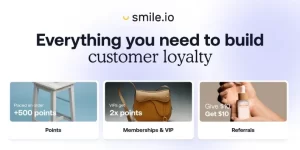
Take Smile. io, for example. This is a great value for oint-based programs. Exactly. And what makes Imagine so easy to do is its ready-to-go setup and highly flexible customization that lets you and your customers earn and redeem points seamlessly. LoyaltyLion makes for a great option if you want to inject some fun. It gamifies your program with things like challenges and milestones keeping customers engaged and coming back for more.
Source:Smile.io
Yotpo is a game-changer for anyone looking to connect reviews, and incorporating those into a rewards program as well. It incentivizes customers to leave reviews, which help you create trust and boost social proof, while providing repeat purchases. If you’re a dropshipper using Shopify then Shopify Loyalty Apps are a no-brainer. They blend beautifully into your store and make it easy to do everything from tracking points to providing discounts.
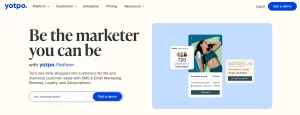 Source:Yotpo
The best part? These tools are flexible. And, regardless of whether you’re a solo boutique, or a growing e-commerce juggernaut, you can find a platform that suits your needs and wallets. Pick the right ones, and let the software do the heavy lifting while you concentrate on growing your business.
Prepare to Be Rewarded?
The building blocks of a boutique rewards program are anything but rocket science. It’s about learning your customers, providing value, and being adaptable. Be it a new online loyalty scheme that you are launching or you are working on enhancing the existing reward point system for the customers, the point is all about keeping it fun and easy for the customers along with offering them with enough incentives.
Take small steps, allow big dreams and watch your sales surge up. Now, go build the most badass store loyalty program your customers have ever experienced in your life!