< Blogs

Dropshipping Success Rate – How to Be a Successful Dropshipper?

Vivan Z.
Created on November 15, 2024 – Last updated on February 6, 20256 min read
Written by: Vivan Z.

Dropshipping has become a popular business model for entrepreneurs worldwide. With a small initial investment, you can sell products without handling inventory. This makes it an easy way to start a business.

But how likely is it to succeed? And what separates successful dropshippers from those who struggle?

In this blog, we’ll dive into the dropshipping success rate, why some businesses fail, inspiring success stories, and actionable steps you can take to ensure your own success. By the end, you’ll understand why platforms like DropSure can be game-changers for aspiring dropshippers.


What’s the Success Rate for Dropshipping?
 

Dropshipping from China 1

Lets start with the numbers. Research shows that the success rate for dropshipping ranges from 10% to 20%. In other words, only 1–2 out of 10 businesses achieve sustained profitability. While that number may seem low, it’s important to remember that success relies on the strategies and industries used.

For example:

Niche markets, such as eco-friendly products, personalized gifts, and pet accessories, often do better. They meet specific customer needs and trends.

On the other hand, oversaturated markets like generic electronics face stiff competition, making it harder to stand out.

Understanding these differences can help you make smarter choices about the products you sell and the audience you target. If you have access to data on successful products or niches, use it to guide your strategy.

Why Do Dropshipping Businesses Fail? 

 

Dropshipping from China 2


Dropshipping offers flexibility and low upfront costs, but it’s not without its challenges. To avoid failure, you need to understand the common reasons businesses struggle in this model.


Ineffective Online Marketing

Marketing is the backbone of dropshipping. Without strong advertising or a clear social media strategy, it’s hard to drive traffic to your store. For example, spending $500 on random Facebook ads may bring no results. In contrast, spending $100 on targeted ads could lead to valuable conversions.

Lack of Search Visibility

If customers can’t find your store on Google, you’re missing out on a huge source of organic traffic. Compare this to competitors who invest in SEO and dominate the first page for search terms like “trendy gifts under $50.”

No Market Demand for the Product

Choosing the wrong product is a common mistake. For example, selling large home appliances may not appeal to online shoppers. Many prefer lightweight, portable items that are easier to ship.

Funding Issues

Dropshipping requires some financial investment, especially for testing products and running ads. Starting with just $200 might limit your ability to experiment and scale. Successful sellers often allocate $1,000 or more for initial campaigns and product research.

Pricing and Cost Challenges

If your product costs $20 and competitors are selling it for $18 with free shipping, it’s tough to compete. Pricing strategically is crucial to maintaining a profit margin while staying competitive.


Of all these factors, product selection is arguably the most important. The right product—especially one aligned with trend—can make or break your business. For example, collapsible water bottles are popular with travelers. Biodegradable utensils are a hit with eco-conscious buyers.


How to Succeed with Dropshipping?  
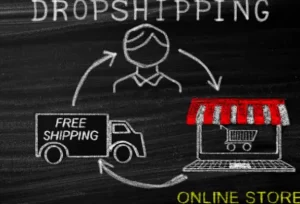
 

Dropshipping from China 3


Dropshipping success isn’t about luck—it’s about making smart choices and taking consistent action. Here’s how you can set yourself up for success:

 1.Choose the Right Products

Product selection is key. Use tools like Google Trends or AliExpress to find products with rising demand. Examples include foldable keyboards for remote workers or personalized gifts for special occasions.

2.Build a Professional Online Store

Your store is the face of your business. Platforms like Shopify and WooCommerce make it easy to set up a sleek, functional store. Compare their features to see which one suits your needs best.

3.Run Targeted Marketing Campaigns

Don’t waste money on broad advertising. Instead, focus on targeted campaigns. For instance, a $50 ad targeting 25–35-year-old travelers for travel gear can outperform a $200 untargeted campaign.

Leverage Tools and Resources

Tools like Oberlo and DropSure simplify the process of sourcing products and fulfilling orders. These resources save time and reduce errors, allowing you to focus on growing your business.

4.Adapt Pricing Strategies

Tax regulations and shipping costs vary by region. For example, in Canada, Ontario’s tax rate is 13% compared to Alberta’s 5%. Adjust your prices to account for these variations while maintaining competitiveness.

Why DropSure is Your Secret to Success 

 

Europe 2


If you’re serious about succeeding in dropshipping, DropSure can make your journey smoother. Here’s why:

Lower Costs
DropSure offers products at 15–20% lower prices than competitors, helping you maintain competitive pricing while preserving profit margins.

Free Tracking Services
Unlike most platforms that charge for tracking, DropSure provides it for free, saving you up to $100 per month.

Affordable Logistics and Warehousing
DropSure’s logistics and warehousing solutions cost 10–15% less than the industry average. This helps you save on operational costs.

One DropSure user reported saving $500 in logistics costs in just three months. This gave them a big advantage over their competitors.


Take the First Step Today

Success in dropshipping is achievable, but it requires the right tools, strategies, and mindset. With DropSure, you’ll have access to the resources and support needed to turn your dropshipping dreams into reality. Don’t let challenges hold you back—register with DropSure today and start building your success story!

DropSure is Your Best Partner
22 Years Experience
Affiliate Rebates
100% Quality Guarantee
Top-Up Rewards
10+ Global Warehouses
Custom Branding Support
Smart inventory System
24/7 Customer Support
Get a Quote in 24 Hours
Start Sourcing for Free

Keep Learning

  **Scam-Proof Your Business: The Most Common Dropshipping Scams and Supplier Traps — And How to Avoid Them** Dropshipping looks simple from the outside: find a supplier, import products to your store, and watch the orders roll in. But the reality is far more complex. Because dropshipping attracts new entrepreneurs—and often people with little sourcing experience—it also attracts a large number of scammers, fake suppliers, dishonest middlemen, and predatory service providers who prey on beginners. Every year, thousands of new store owners lose money, waste months of effort, or completely burn their business because they unknowingly step into one of these “supplier traps.” And in today’s globalized marketplace, the scams are evolving faster, becoming more sophisticated, and harder to detect. This guide will walk you through the most common dropshipping scams, supplier traps, red flags, and practical strategies to protect your business. Whether you’re just starting or already scaling, these insights will help you avoid costly mistakes and build a stable, fraud-free supply chain. Let’s dive in. 1. Why Dropshipping Scams Are So Common Before identifying specific scams, it’s important to understand why dropshipping attracts so many traps. 1.1 Low entry barrier → easy targets Dropshipping doesn’t require: Large capital Warehouse space Manufacturing knowledge Long-term contracts This attracts many beginners who lack sourcing experience—making them ideal targets for scammers. 1.2 Global supply chain complexity When you’re dealing with suppliers from overseas: Communication barriers Legal differences Distance Hard-to-verify operations …make it easier for fraudulent suppliers to operate undetected. 1.3 Trust-based workflow Dropshipping relies on: Suppliers fulfilling orders after you pay Promises about shipping speed Claims about inventory This trust-based system is easily abused. 1.4 Fake suppliers are easy to create A […]

As global e-commerce continues to expand, staying compliant with local tax regulations is becoming increasingly essential for businesses. Among the most important tax systems that affect cross-border sales in the European Union are VAT, OSS, and IOSS. These systems not only ensure compliance but also help businesses streamline their operations and avoid costly mistakes. In this article, we will break down what VAT, OSS, and IOSS are, how they work, and how understanding these frameworks can help you stay ahead in the global e-commerce game as we approach 2025.   Here’s an table with Standard VAT Rate for some important countries:    Note: The United States does not have VAT; it only has sales tax. Sales tax is levied only at the retail stage, unlike in most countries where taxes are applied to the value added at each stage of the supply chain.   What is VAT ?   VAT is charged at each stage of the supply chain, including production, wholesale, and retail. At every stage, tax is applied to the “added value” of goods and services. The “added value” refers to the extra value created at each stage, like processing, transforming, transporting, and distributing the product. Example: Let’s say you’re a toy factory. You make a toy and sell it to a store. The store then sells it to a customer. At each step, from production to sale, a small tax is added. But each person only pays VAT on the “added value” they created, not the entire product.   Let’s walk through the process: Assume you buy a television at an electronics store, priced at 500 euros. The VAT rate is 20%. 1.Merchant Purchase (Wholesaler) The merchant […]

In today’s highly competitive cross-border e-commerce landscape, the accuracy of product selection directly determines your profitability. Choosing the wrong product could lead to slow sales and losses, but selecting the right one allows you to seize market trends and achieve explosive orders. With the vast number of products available in the global market, how can you quickly identify best-sellers? This is where professional product research tools come into play. Whether you’re a new seller or an experienced merchant, leveraging data-driven product selection strategies can make your decisions more informed and reduce trial-and-error costs. Today, we’ve curated seven powerful product research tools to help you gain precise market insights and boost your success in cross-border e-commerce! PickFu Want to know if your product will be a hit overseas? Don’t guess—ask the consumers! PickFu eliminates the need for complex data analysis by providing direct feedback from real buyers, making your decision-making process easier. On PickFu, you can launch open-ended surveys or A/B tests to ask your target audience directly. Their shopping habits, interests, and preferences—everything is laid out for you. Plus, you can filter respondents to ensure the feedback aligns with your target market. If you’re an Amazon seller looking to validate a product’s market potential or struggling to choose between designs, PickFu is your go-to solution. Run a poll and let consumers tell you what they prefer—no more gambling on the market. With 15 million global consumers, PickFu allows you to refine your audience selection based on age, interests, shopping location, and more, ensuring you receive the most relevant insights. That way, every decision you make is backed by real data, not just gut feelings. Don’t let market trends dictate your […]

Recommended for you