











 En
En
 17 min read
If you’re into dropshipping, you know how tedious the operations can get — handling orders, tracking inventory, adjusting prices… But here’s the good news: you can totally hand off these headaches to professional tools. Use the right tools, and you’ll save tons of time to focus on what really drives profits — like closing deals and expanding into new markets.
This guide is made just for you. We’ve picked seven top-notch dropshipping tools that automate the complicated stuff, making your work more efficient and your life easier. Keep reading to find out what these tools can do and how to get the most out of them.
What is Dropshipping Automation?
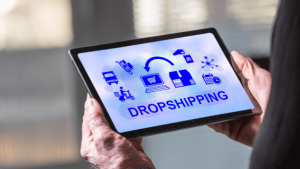
In the dropshipping business, tasks like order fulfillment, inventory management, price adjustments, and product research are daily essentials—and there’s no room for mistakes. Handling them manually is not only tedious but also error-prone and inefficient. Automation means using tools to take care of these repetitive yet critical steps, so you don’t have to do everything yourself.
For example, with the right automation tools, you can import products from suppliers to your store with just one click. When a customer places an order, the system automatically sends the order details to your supplier for processing—no manual work needed. If your supplier changes their prices, your store can automatically adjust the prices to avoid losses or shrinking profit margins.
Smarter sellers even use chatbots to handle common customer inquiries, so they can focus their energy on more complex tasks that truly require human decision-making.
Why Should You Use Dropshipping Automation Software?
The biggest advantage of using dropshipping automation tools is simple: less stress, more time, and higher profits. Here’s how they help you:
● Save Tons of Time: Tedious tasks like updating prices or managing inventory can be handled automatically. The time you save can go into more valuable work—like improving your ads or enhancing customer experience.
● Fewer Mistakes: The more manual work you do, the higher the risk of errors—wrong prices, inaccurate stock counts, etc. Automation keeps everything accurate and avoids costly slip-ups.
● Easily Scale Your Business: Even if you’re a one-person team, automation lets you handle dozens or even hundreds of orders effortlessly. No need to hire more people or pull all-nighters during peak seasons.
● Higher Profits: Less time and fewer people required means lower operating costs. Automation helps you do more with less, which naturally increases your profit margins.
Best Dropshipping Automation Tools of 2025
DropSure
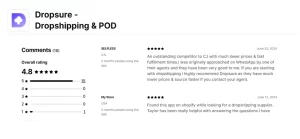
DropSure is a free Shopify plugin designed to provide all-in-one solutions for automated dropshipping and print-on-demand (POD). Developed by DropSure Inc., it’s aimed at helping small and medium-sized e-commerce sellers streamline operations and reduce inventory risks—especially for cross-border businesses.
Key Features
● One-click Product Import:
Easily import products from a global network of suppliers with just one click, saving time on product research.
● Automated Order Fulfillment:
Once a customer places an order, DropSure automatically sends the order details to the supplier and syncs tracking information.
● Real-time Inventory & Pricing Sync:
Automatically updates product availability and pricing in your store to prevent overselling or margin loss.
● Brand Customization:
Supports branded packaging and POD services, helping sellers build a strong, unique brand.
● Multi-platform Support:
In addition to Shopify, DropSure also integrates with other major platforms, enabling multichannel sales.
DropSure Pricing
● Free Installation:
The plugin itself is free to use. You only pay for product sourcing and order fulfillment costs.
● No Hidden Fees:
No monthly subscription or additional charges, making it ideal for beginners or small sellers.
Zendrop
If you’re into dropshipping, Zendrop is definitely one tool you shouldn’t miss. It automates most of the workflow, helps you cut costs, boost efficiency, and best of all — you don’t need to be a tech wizard to use it.
First off, its AI-powered store builder is super convenient — you can set up a decent-looking store in just a few minutes. If you want to make changes, it’s all very flexible and beginner-friendly, with zero coding required.
More importantly, Zendrop partners only with carefully vetted suppliers, so product quality is stable and shipping is fast. This means you won’t have to worry about unreliable suppliers ruining your customer experience. You can even browse winning products directly at zendrop.com/blog/how-to-find-winning-products and import them to your store with one click. Once a customer places an order, Zendrop automatically sends the details to the supplier — no manual work on your end.
Plus, Zendrop integrates seamlessly with Shopify, making setup a breeze. Combined with their global shipping network, you can easily offer fast delivery and maximize customer satisfaction.
Zendrop Pricing
Zendrop offers a free plan, which is great if you’re just starting out or want to test the waters. That said, the free version is pretty limited — both in terms of features and the number of orders you can handle — so it’s best suited for small-scale operations or trial runs.
If you’re looking to unlock more powerful features and process unlimited orders, you’ll want to consider a paid plan:
● Pro Plan – $49/month: Includes most automation features and is perfect for sellers who are scaling up.
● Plus Plan – $79/month: Comes with everything in Pro, plus extras like custom branding and dedicated support, ideal if you’re serious about building a standout brand.
DSers
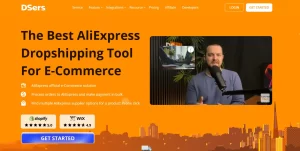
If you’re focusing on AliExpress-based dropshipping, DSers is your go-to tool. It’s an official AliExpress partner, meaning it’s deeply integrated with the platform — everything runs super smoothly.
In simple terms, DSers lets you import products from AliExpress to your store with just one click. The product range is massive — from electronics, toys, and home goods to fashion, beauty, and gaming accessories. Basically, if it’s on AliExpress, you can dropship it through DSers.
The biggest strength of DSers? Insane product variety. You can quickly scale your product catalog and automate bulk order processing with ease. But here’s the catch — AliExpress has tons of suppliers, and not all of them are reliable. If you don’t do your homework, you could easily end up with slow shipping or poor-quality products.
Thankfully, DSers shows supplier ratings and customer reviews, so you can get a feel for who’s trustworthy. Still, it’s a good idea to double-check with some third-party research — weed out the bad apples before they ruin your rep.
Bottom line: DSers is a must-have if you’re going the AliExpress route. It’s powerful, stable, and gives you tons of freedom when it comes to product sourcing. Just be smart about which suppliers you work with — pick the right ones, and DSers can seriously supercharge your dropshipping game.
DSers Pricing
DSers has a pretty straightforward pricing model — you can easily choose the right plan based on your needs and budget:
● Free Plan
○ Features: Bulk product import and order processing
○ Best for: New sellers testing the waters with low order volume
● Advanced Plan ($20/month)
○ Extras: Inventory tracking, automatic product status sync
○ Best for: Sellers who want to automate inventory management and avoid manual supplier updates
● Pro Plan ($50/month)
○ Extras: Advanced inventory alerts, auto price updates, upsell features
○ Best for: Sellers with steady sales looking to boost profit margins and average order value
AutoDS
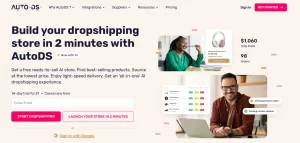
If you’re looking for a dropshipping platform that helps you build and run your store from scratch with full automation,
AutoDS is exactly what you need. It covers almost every critical part of the dropshipping process, so you can worry less and focus more on growth.
First off, it helps you create a fully functional online store just by following guided steps — no coding, no guesswork. You’ll have a ready-to-run storefront in minutes, and all you need to do is tweak the design to match your style.
One of its biggest strengths is the Product Research Tool. You can browse through millions of products within the platform, check out bestsellers, and instantly connect with high-quality suppliers. Found something you like? Just one click to import it into your store. Once a customer places an order, AutoDS automatically forwards the order details to the supplier. The process is buttery smooth.
Another huge timesaver is the automated inventory & pricing updates. If a supplier runs out of stock — you get notified right away. If prices go up or down, your store prices adjust accordingly in real time. No more manual checks or costly errors.
And best of all? AutoDS has an incredibly beginner-friendly interface. Even if you’re not tech-savvy, you’ll have no trouble navigating and using all the features with ease.
AutoDS Pricing
● Import Plan — $20/month
Suitable for beginners or sellers with a small-scale operation, managing up to 200 products. If your store doesn’t have many items, this plan is totally enough.
● Starter Plan — $30/month
Ideal for sellers with stable sales who want to manage more products, supporting up to 500 products. If you want to expand your categories or increase your inventory, this is the plan to choose.
● Advanced Plan — $50/month
Perfect for medium to large sellers with a big inventory and order volume, managing up to 1000 products. If your store has grown significantly or you’re preparing for large-scale promotion, go with this.
● Custom Plan
If you manage more than 1000 products or have special requirements, you can contact the AutoDS sales team for a tailored plan and pricing.
Spocket
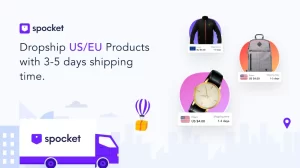
Spocket connects you with carefully vetted, high-quality suppliers from the US and the EU, making it easy for you to find great products across various categories and quickly import them into your store. Once a customer places an order, the order info is automatically sent to the supplier, completely eliminating the hassle of manually forwarding orders.
The best part is, Spocket has a huge product catalog and powerful product research tools that save you tons of time filtering for hot-selling items. You just pick what you want, and instantly import the products and detailed info into your store — super efficient.
Plus, Spocket seamlessly integrates with major platforms like Shopify, Wix, BigCommerce, and more, easily plugging into your store’s backend to automate all dropshipping processes, making your business run smoother and easier.
Spocket Pricing
Spocket offers multiple pricing tiers to suit different sellers:
● Free Plan
Browse suppliers and products, but limited access to features and product imports.
● Starter Plan (around $24/month)
Suitable for beginners, allows importing more products and access to premium suppliers.
● Pro Plan (around $49/month)
For growing stores, includes unlimited product imports, branded invoicing, and premium support.
● Empire Plan (around $99/month)
Designed for large stores, offers advanced features like multiple stores, bulk orders, and VIP support.
INVENTORYSOURCE
One-Click Product Import: Directly import products from the supplier’s inventory into your store without manual entry, saving you a lot of time.
Smart Inventory Sync: The system updates stock quantities in real-time based on the supplier’s database. If a product goes out of stock, it’s immediately removed from your catalog, avoiding the awkward situation where customers place orders for unavailable items.
Automatic Order Routing and Tracking: Once a customer places an order, Inventory Source automatically sends the order details to the supplier and generates a tracking number, so customers can always track their packages, boosting your professional image.
Inventory Source Pricing
● Free Plan
You can search and browse suppliers for free, but you can’t import products into your store—this plan is only for product research.
● Starter Plan — $400/month
Allows you to process up to 1,000 orders per month. Suitable for sellers who already have a certain order volume but haven’t reached explosive growth yet. Although $400 sounds pricey, if your monthly revenue is already in the tens of thousands, this level guarantees fully automated workflows, saving labor costs that might be even more valuable.
● Business Plan — $600/month
Supports up to 3,000 orders per month. At this stage, your store likely sees steady growth and needs higher capacity with less manual intervention. $600 gets you a more worry-free scaling experience.
● Professional Plan — $1,000/month
Supports up to 5,000 orders per month. Perfect for sellers with massive traffic and booming orders. Though the price seems high, compared to the cost of hiring extra staff, this fully automated service actually buys you efficiency and stability.
AliDropship

As the name suggests, AliDropship is an automation tool specially designed to connect with AliExpress suppliers. It’s similar to DSers but better suited for sellers who want to build a long-term brand.
Its biggest highlight is—you can set your profit margin percentage yourself. Once you set it up, the system automatically adjusts your store prices based on the supplier’s price. Even if the supplier changes prices suddenly, you don’t have to manually update anything. It’s super convenient and helps you avoid losing money.
Plus, unlike some platforms, it doesn’t limit how many products you can add. You can add as many products as you want, with lots of variety, and the interface is clean and easy to use—perfect for beginners to get started quickly. No matter which country you’re selling from, its suppliers ship globally, helping you attract repeat customers more easily and steadily.
If you’re serious about running a long-term business, AliDropship is the kind of solid, no-frills “honest tool” with powerful features worth giving a shot.
AliDropship Pricing
● One-Time Plugin Fee: $89
You only need to pay this fee once to add the AliDropship plugin to your WooCommerce or WordPress store, and you own the plugin permanently.
● Monthly Maintenance Fee: $39/month
After installing the plugin, pay $39 per month to keep accessing the product catalog, automatic syncing, and other advanced features.
● 14-Day Free Trial
Try it for two weeks to fully explore the features and see if automatic product selection, pricing adjustment, and order fulfillment really suit you before deciding on a long-term commitment.
How to Choose the Right Dropshipping Automation Tool
These are the key features to look for in dropshipping automation software:
Product Research
The best dropshipping tools help you easily find hot products for your store. They curate the top-selling items from supplier networks, making it quick to add them to your store. You can check customer reviews on bestsellers to evaluate whether they’re worth adding. This filtering feature saves you tons of time on manual research.
Inventory Management
Top dropshipping tools offer automated inventory management. They monitor supplier databases and update your catalog prices automatically. When a product goes out of stock at the supplier’s end, it’s immediately removed from your catalog. These tools also provide comprehensive inventory analytics—you can track your bestsellers, key customers, locations, suppliers, and other important inventory details.
Order Fulfillment
When a customer places an order, ideal dropshipping software automatically forwards the customer’s contact info and address to the supplier for instant shipping. Plus, it allows customers to track their shipment progress.
Common Questions About Dropshipping Automation
Q1: How do I find reliable suppliers?
The last thing you want is suppliers with unstable quality, slow shipping, or no customer service, right? So before choosing suppliers, do your homework: check their product reviews, shipping speed, and after-sales support. For example, DropSure is a pretty reliable supplier—they offer a wide range of products with guaranteed quality, plus good after-sales and logistics service that saves you a lot of trouble.
Q2: What should I do if the supplier suddenly raises prices? How do I adjust my store prices?
Don’t keep staring at your backend to manually update prices every day. You need an automation tool with a “dynamic price update” feature—like AutoDS, DSers, or Inventory Source. They automatically grab the latest supplier prices and sync them to your store, ensuring you don’t lose money and don’t have to adjust prices manually.
Q3: Returns are such a hassle, what can I do?
1.Returns are inevitable in e-commerce, the key is to have clear processes and transparent rules.
First, pick suppliers who have clear return policies and mature processes.
2.For customers — directly display the supplier’s return terms in your store so customers can easily understand them.
3.Control quality — choose reliable products with good quality to minimize your return rates right from the start.