En
En
 18 min read
Considering investing in a dropshipping business that makes $10,000 a month? That’s a big step! But before you start diving in, let’s make sure you truly understand how this business model works. When implemented correctly, dropshipping can be incredibly lucrative—like getting paid when the system runs on autopilot. Sounds good, right?
However, success doesn’t come instantly. Now set realistic goals and map a well-laid plan. The key? Learn the Rules of Dropshipping and Get Started With a Plan That Fits You You’ve got this!

What is Dropshipping
Dropshipping is a simple way to sell products online without keeping inventory. Here’s how it works:
You create an online store and sell products.
Your business is the intermediary; a customer orders a product from you, and you send it to a supplier.
The supplier directly sends the product to your customer.
You don’t touch the products yourself, so there are no warehouses to worry about, no inventory to hold, and low overhead. Sounds easy, right? That’s the beauty of it! You handle marketing and customer service, and your supplier handles the rest.
But keep in mind, it’s not a “get rich quick” scheme. It takes the right products, find good suppliers, and build a good brand to succeed. With the right effort, it can be a great business model!
How much can you really make with dropshipping
How much can you actually earn with dropshipping? Are you starting a business that can eventually generate income? Some start small, netting hundreds of dollars a month profiting, while others shoot for the stars and reach six or even seven figures a year.
Here’s the deal: Dropshipping isn’t a “set it and forget it” business. Finding the right products that sell, attracting the right customers, and operating your store all take work. Marketing and pricing, as well as customer service, can make a difference in how much you earn.
Before starting dropshipping, you need to consider the following questions.
• Is there a strong demand for the products you’re selling?
• How many other sellers are operating in your niche?
• Are you using effective marketing tactics to reach your target audience?
By understanding these factors and staying informed about the latestdrop shipping news, you can make smart choices. This will help you grow your dropshipping business.
Building Your Legal Dropshipping Foundation
When you think about how much you can make with dropshipping, setting up a strong legal base is key. You need to register your business, get the right licenses, and know your tax duties.
Here are the main things to think about when setting up your legal base for dropshipping:
Business registration: Register your business to get the licenses and permits you need.
Tax obligations: Know what taxes you have to pay, like sales tax and income tax.
Contracts: Make contracts with suppliers and customers to protect your business.
A good legal base helps you avoid problems and keeps your dropshipping business growing. By knowing how much you can make and using dropshipping tools, you can focus on making your business bigger and more profitable.
Having a strong legal base is vital for a successful dropshipping business. By setting up a solid base, you’re on your way to reaching your business goals and making more money.

7 Steps to Make Money with Dropshipping: The Core Strategy
Dropshipping is not just about putting up a store and waiting for the sales to come in, but also figuring out the whole picture, from product selection to retention. Now let’s break the steps down some more:
Step 1: Find Winning Products
Choosing the right products is critical for starting a successful dropshipping business. Keep an eye out for anything that solves problems, appeals to a target demographic, or is currently trending. You can check out tools like Google Trends, AliExpress Dropshipping Center, or even paid services like Jungle Scout to finalize your high-demand products. Validate your insights by investigating competitors — reviews, bestsellers, and even the Facebook ad library to find what’s working.
Step 2: Select a Niche with Profitable Potential
Your niche determines who your audience is. Examples of popular niches include fitness, eco-friendly, pet supplies, and technology accessories. Choose a niche that has passionate buyers ready to spend money, but that you won’t be competing in a crowded market (unless you have a special function). So, look for niches that will have an average order value (AOV) high enough to pay off your expenses, while leaving enough of a margin to turn a profit — $30+ per product is a good rule of thumb.
Step 3: Start Creating a High-Converting Store
Your online shop is your shopfront. Shopify is a great option for ease of use and various integrations. Optimize your store with:
• Professional and builds trust with a clean design.
• Detailed product descriptions that communicate benefits.
• Polished images and videos that display products in use.
• Use customer reviews and ratings to establish credibility.
• Use upsell or cross-sell features to boost your average order value, such as by bundling related products or giving some sort of discount on the second item.
Step 4: Marketing and Ads Mastery
Traffic is the lifeline of your store. The majority of dropshippers use paid advertising to drive traffic, but the secret is to test and scale effectively:
Instead, begin with Facebook Ads and TikTok Ads. They provide excellent targeting options related to interests and demographics.
Run several versions of the advertisement (images, video, titles) and analyze the outcome. Make the video ads product value-focused as much as possible — short clips that catch the eye are the way to go.
Scale what works and kill what doesn’t to optimize your ad campaigns. Use Pixel tracking and other tools to measure performance and retarget warm audiences.
Never neglect organic traffic strategies. Make posts, reels, or videos on Instagram and TikTok If influencers have a loyal, targeted following, they are a game-changer for your particular niche.
Step 5: Optimize Operations
Smooth operations are paramount to dropshipping. Work with trusted suppliers who can offer you quality products and fast shipping. Some examples of them is, AliExpress, CJ Dropshipping, or suppliers for niches.
Order Fulfillment: Automate it with Oberlo, DSers, or AutoDS so you can save time and avoid errors.
Shipping: Always be upfront about shipping times, and provide tracking numbers when possible. Several suppliers have warehouses in various countries for quicker delivery.
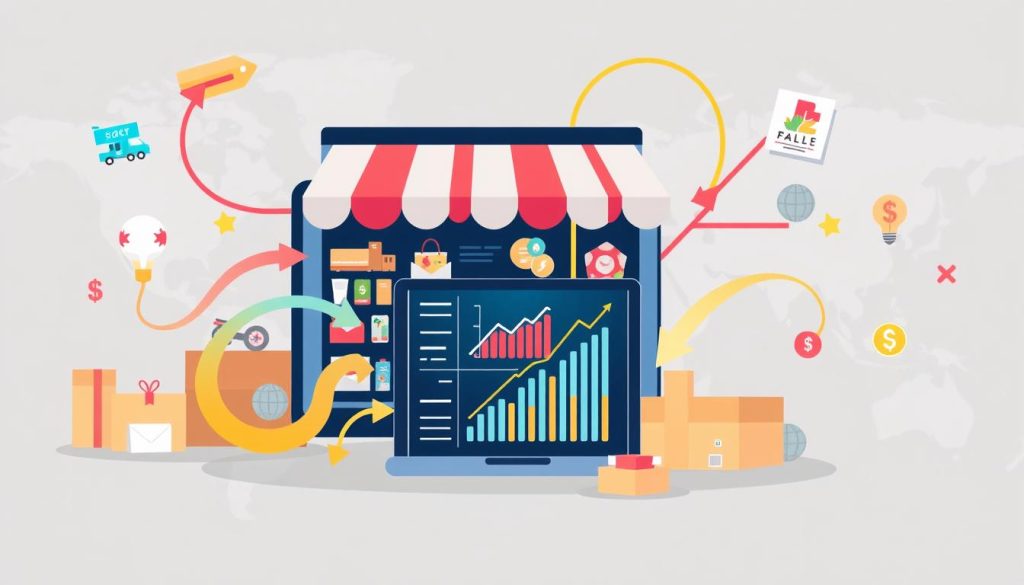
Step 6: Customer Retention & Upselling
Having customers return is easier and cheaper than always trying to attract new customers. Create a relationship long term with customer services — answer the questions quickly and deal with complaints carefully. Provide refunds or restocking options when the situation calls for it: it builds trust and builds loyalty.
Make them come back — with email marketing. Such as sending specific deals or discounts for future purchases. If you are managing a restaurant, you may offer recommendations in accordance to their past orders, and as a result make them feel valued and understood.
Reward programs are another excellent way to promote repeat business. Provide points, rewards, or exclusive benefits for repeat customers so that occasional shoppers become loyal supporters of your business.
Step 7: Scale and Diversify
When your store takes off, use your profits to re-invest and scale. Scale up on the campaigns that are working for you, diversify your product offering, or explore entirely new niches. You can stand out by creating branded stores with private labeling. Expand your marketing channels — try Google Ads, Pinterest Ads, and SEO for long-term organic traffic.
By following these steps and using the right tools and strategies, you can make money with dropshipping. Stay focused on your target market and adapt to market changes to stay ahead.
Choosing the Right E-Commerce Platform
The first step is to choose an eCommerce platform. Your decision may be based on ease of use, customizability, and payment gateway options available. Some popular platforms are Shopify, WooCommerce, and BigCommerce. Moreover, there are platforms like DropSure that cater to the specific requirements of dropshipping, providing you with solutions that suit your needs.
Shopify: Its user-friendly interface makes it great for novice and experienced sellers alike. It features hundreds of customizable templates, an app store for class and plugin functionality, and integrated payment options.
WooCommerce: This WordPress plugin is ideal for people wanting more control over their store. You can customize it a lot and it’s a good fit for people who know how to build websites.
BigCommerce: Best for businesses on the growth path; BigCommerce comes with powerful tools for scaling – including advanced analytics and integration with numerous sales channels.
Dropsure: Dropsure is a platform built specifically for dropshippers, taking the pain points away from product sourcing, order management, and logistics. Shopify gives you access to a curated product catalog, real-time inventory tracking, customized design templates, and affordable shipping options, allowing you to spend more time managing your store rather than dealing with fulfillment and shipping logistics. DropSure gives you everything you need for integrated tools to streamline processes such as product research, or communicating with suppliers, saving you valuable time and resources.
Take the time to explore these platforms and their pricing plans to ensure they align with your goals and budget.
Key Features to Consider
When selecting a platform, certain features are non-negotiable for a successful dropshipping store:
1.Customizable Templates and Design Options
Choose a platform that lets you create a store that aligns with your brand. A clean, professional design builds trust and keeps customers engaged.
2.Secure Payment Processing
Customers need to feel safe when entering their payment details. Look for platforms with built-in security features and support for multiple payment methods, like credit cards, PayPal, or digital wallets.
3.Shipping Integration
Automated shipping solutions streamline order fulfillment and keep customers informed with tracking updates.
4.Scalability
As your business grows, your platform should grow with you. Ensure it supports more products, traffic, and additional sales channels.
Designing Your Store for Success
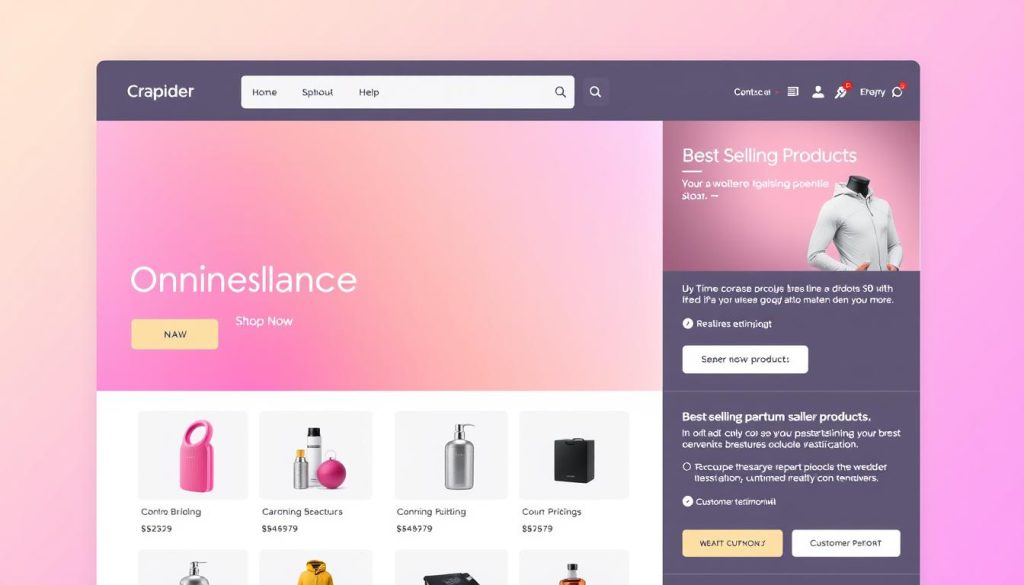
Once you’ve chosen a platform, it’s time to design your store. A professional appearance isn’t just about looking good—it’s about building trust and making shopping easy. Start with these essentials:
User-Friendly Navigation
Organize products into clear categories and ensure customers can find what they’re looking for with minimal effort.
Optimized Product Pages
Use high-quality images, engaging descriptions, and clear pricing to highlight the value of your products. Include reviews and ratings to build credibility.
Simplified Checkout Process
Reduce cart abandonment by minimizing the steps needed to complete a purchase. Offer guest checkout options and display shipping costs upfront to avoid surprises.
Mobile Optimization
With more shoppers using mobile devices, ensure your site is responsive and performs smoothly on all screen sizes.
Building Trust with Customers
Beyond design, a professional store also creates trust. Add an “About Us” page to share your story and mission, include clear shipping and return policies, and make customer service easily accessible with live chat or email support. Small details like these make a big difference in converting visitors into loyal customers.
The Bottom Line
Your online store is the foundation of your dropshipping business. By choosing the right platform, focusing on user experience, and building trust, you set yourself up for success. Remember, a professional store isn’t just a place to sell—it’s the face of your brand, and it can make or break your dropshipping journey. Invest the time to get it right, and the profits will follow.
Setting Up Payment Systems
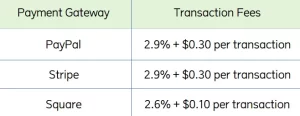
To make transactions smooth, set up secure payment systems. Use payment gateways like PayPal, Stripe, or Square, and set up shipping options and rates. A smooth payment process builds trust and encourages repeat business.
Establishing Reliable Supplier Networks
Building your dropshipping business means finding good suppliers. You need to make sure products get to customers on time and in good shape. Use supplier directories and reviews to find the right ones. Dropshipping extensions help with talking to suppliers and getting orders done.
Look at product quality, price, and shipping times when picking suppliers. Here’s what to check:
• Product quality and authenticity
• Competitive pricing and discounts
• Reliable shipping and fulfillment options
• Good customer service and support
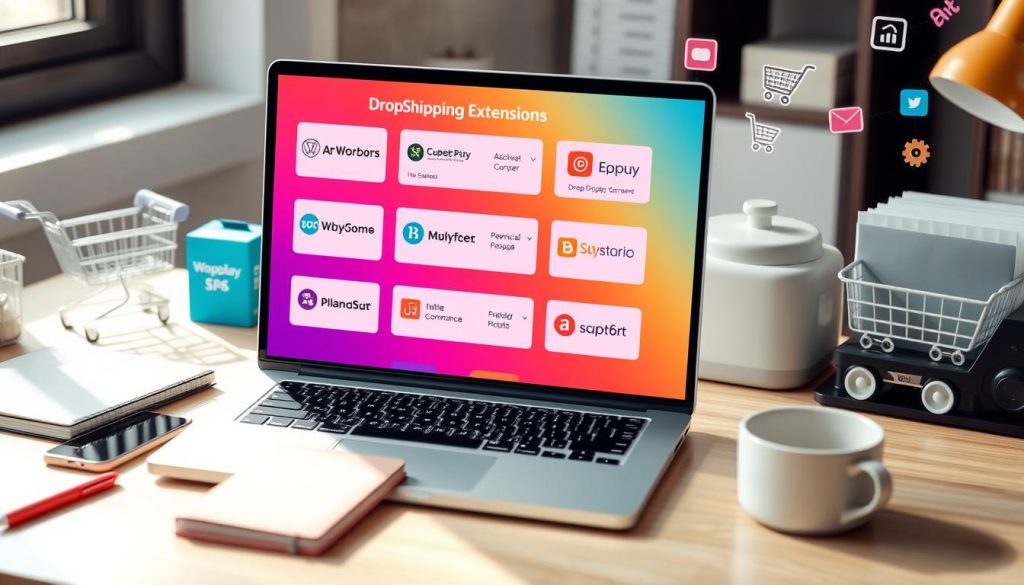
Dropshipping extensions make talking to suppliers easier. They automate orders and track stock. This saves time and cuts down on mistakes. You can then focus on growing your business.
Having a solid supplier network boosts customer service. This leads to happier customers and more sales for your business.
Navigating Common Dropshipping Challenges
While starting a dropshipping business, there are many challenges involved. We know all of this because we’ve walked in the shoes you want to fill and learned along the way. Here are some common problems and their potential solutions.
Shipping Delays
Shipping delays will upset customers and tarnish your reputation. Partnering with trusted suppliers, establishing clear expectations, and providing tracking updates can mitigate the effect.
Low Profit Margins
Intense competition may result in declining profitability. To fight this, you’ll want to focus on high margin products, create bundles and focus on your brand’s unique offering.
Quality Control Issues
Bad product quality = Complaints and returns Test product samples, work with reputable suppliers with high standards to mitigate this.
High Competition
Dropshipping has a low barrier to entry and this leads to saturated markets. Still, identifying unexploited niches, developing a distinctive brand, and targeting narrowly defined communities can make you stand out.
Inventory Stockouts
Stock shortages lead to missed sales opportunities. Work with several suppliers and use inventory tracking to ensure availability.
Conclusion: Your Path to Dropshipping Success
Building a successful dropshipping business needs a smart plan, hard work, and the right attitude. By following the steps in this article, you now have the tools to make your dropshipping dreams come true. You’ve learned how to set monthly income goals and master digital marketing.
The secret to making money with dropshipping is knowing your market, picking profitable products, and improving your online store. With the right suppliers, tools, and a flexible mindset, you can grow your dropshipping business. This will help you reach your financial goals.
Face the challenges, learn from them, and stay committed to your dropshipping path. The chance to make money with dropshipping is real. With what you’ve learned, you’re ready to become a successful dropshipping entrepreneur. Start your journey to dropshipping success today.
FAQ
What is dropshipping, and how can it help me earn $10,000 a month?
Dropshipping lets you sell products without handling inventory or shipping. With the right strategies, you can earn up to ,000 or more monthly. It’s about understanding the business, building a solid legal base, and using digital marketing to sell.
How can I set realistic monthly income goals for my dropshipping business?
To set income goals, consider market demand, competition, and your time investment. Understand what makes a dropshipping business successful. Then, calculate profit margins based on your products and audience. This helps set achievable goals.
What are the legal requirements for starting a dropshipping business?
You need to register your company, get licenses, and know your taxes. Using dropshipping technologies, like bots, can also boost your profits.
How do I select profitable product categories and identify my target market for dropshipping?
Choosing the right products and market is key. Do thorough market research to find products with high profit margins. Look at competition, pricing, and demand to target the right market.
What are the key considerations when creating a professional online store for my dropshipping business?
Focus on the right ecommerce platform, design for conversions, and secure payments. A professional online store is essential for converting visitors into customers.
How do I find and establish relationships with reliable suppliers for my dropshipping business?
Finding reliable suppliers is vital. Research, vet, and build strong relationships with them. Dropshipping extensions can also help with communication and order fulfillment.
What digital marketing strategies can I use to drive success for my dropshipping business?
Mastering digital marketing is key. Use targeted Google Ads, social media, and automated email marketing. These strategies attract traffic, engage your audience, and nurture leads.
How can I scale my dropshipping business beyond $10,000 monthly?
To scale, use automation tools, build a team, and explore international markets. These steps streamline operations, increase efficiency, and open new growth opportunities.
What are some common dropshipping challenges, and how can I navigate them?
Challenges include supplier issues, shipping delays, and marketing failures. Stay updated with dropshipping news, understand earnings, and adapt your strategies as needed.
Start your journey to making $10,000 a month with dropshipping
Join DropSure today and turn your goals into reality!