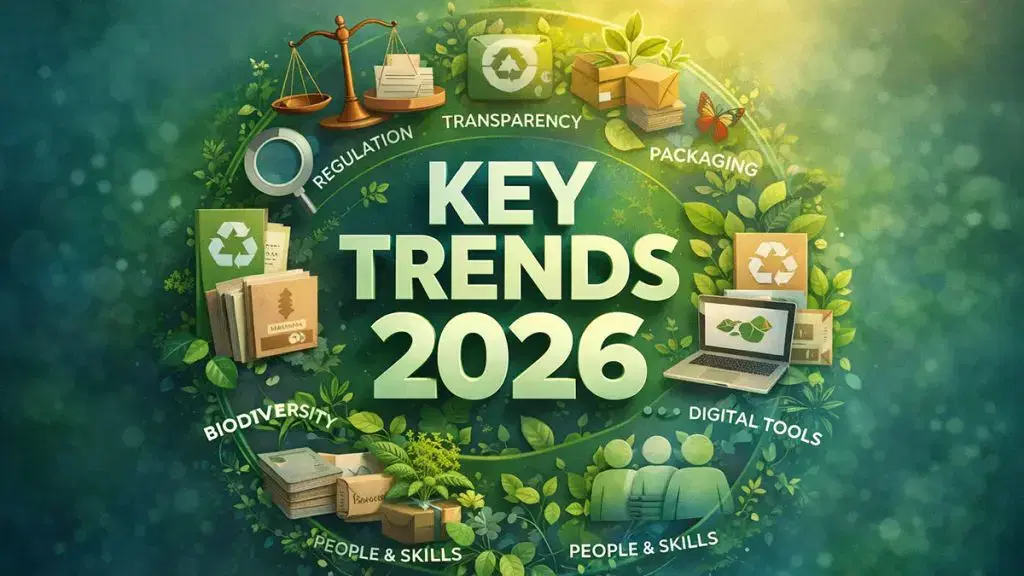
In the evolving world of commerce, one thing has become unmistakable: “Green” is no longer niche — it’s mainstream. Across categories, consumer segments, and geographies, eco-friendly and sustainable products are reshaping how brands select, market, and sell products. Whether you’re an independent store owner, a dropshipper, or a larger retailer planning your 2026 roadmap, understanding the data behind the sustainability trend is essential. This article digs into market data, consumer behavior analytics, category performance indicators, and actionable insights to help you select products that satisfy both ethical values and business imperatives. 1. Why Sustainability Is a Strategic Imperative in 2026 1.1. Consumers Are Demanding Responsibility Surveys and industry data consistently show that consumers increasingly make purchase decisions based on environmental values. According to multiple global studies: A significant majority prefer brands that demonstrate sustainability commitment. Younger generations prioritize eco-friendly attributes more than older cohorts. Many customers willingly pay premium prices for sustainable choices. This shift is not a “trend” that will fade — it’s a structural change in consumer values. 1.2. Regulations and Institutional Pressure Are Rising In addition to consumer demand, regulatory frameworks are growing stricter: Extended Producer Responsibility (EPR) regulations Plastic packaging taxes Carbon reporting requirements Incentives for recyclable and low-impact materials Brands and sellers who proactively embrace sustainability not only differentiate but also future-proof their businesses. 1.3. Ecommerce Enables Informed Sustainability With product transparency tools, eco labels, and online research capabilities, consumers are better informed than ever. Shoppers can now validate sustainability claims through: Certifications (e.g., USDA Organic, Fair Trade, FSC) Lifecycle assessments Third-party environmental reporting Peer reviews and social verification This means product sustainability is now visible, verifiable, and influential in the purchase funnel. 2. Hard […]

January 27, 2026

In the fast-moving world of dropshipping, product research isn’t just a step in building your business—it is your business. Trends shift faster, competitors emerge quicker, and consumer attention windows are narrower than ever. If you want to survive and thrive in 2026 as an independent store owner, you need a data-driven edge. The right tool can mean: spotting a trend before it peaks validating demand without guesswork knowing competitor strategies without manual digging choosing products that convert, not just look cool In this comprehensive deep dive, we’ll evaluate the Top 10 Dropshipping Product Research Tools that every independent store owner should know in 2026. We’ll look at what they do, how they compare, and—most importantly—when you should use each one in your workflow. Section 1 — Why Product Research Tools Matter More Than Ever in 2026 Before we evaluate tools, let’s lay the context. 1.1 Market Complexity Has Increased Global commerce is no longer limited by geography. AI-powered ad platforms, fast delivery expectations, and niche community culture mean products can rise and fall in weeks. No tool = no way to see signals early. 1.2 DIY Research Is No Longer Enough Manual scraping of social posts, browser digging, and guesswork are outdated. The volume of data today—social trend signals, search intent, pricing history—demands automation. 1.3 Quality, Not Quantity Good tools don’t just show lots of products—they help you identify viable ones: validated demand, reasonable competition, scalable margins. Section 2 — What Makes a Great Dropshipping Product Tool? Not all tools are equal. Here’s the evaluation framework used in this review: 🔹 Demand Discovery Does the tool show real customer interest? Search trends? Social buzz? Keyword intent? 🔹 Competitive Insight Can […]

January 27, 2026

Dropshipping is often portrayed as a fast track to online business success. Social media ads promise passive income, viral products, and overnight profits. But behind every success story lies a trail of failed products, wasted ad spend, and hard-earned lessons. In reality, product selection is the single most decisive factor in dropshipping success—and also the most misunderstood. Many sellers don’t fail because they lack effort or marketing skills; they fail because they choose the wrong products at the wrong time for the wrong audience. This article is a deep dive into real-world dropshipping product selection failures, how those failures happened, and how sellers turned them into sustainable success. Instead of theory alone, we’ll focus on case-based learning, extracting practical frameworks you can apply immediately. 1. Why Most Dropshipping Failures Start with Product Selection Before discussing specific cases, it’s important to understand why product selection causes so many businesses to collapse. Common reasons include: Chasing trends too late Copying competitors blindly Ignoring logistics and customer experience Overestimating market demand Underestimating customer expectations Marketing can amplify a good product—but it cannot save a fundamentally bad one. 2. Case Study One: The “Trending Gadget” Trap Background A new seller launched a dropshipping store focused on a viral tech gadget seen all over TikTok and Facebook. Influencers promoted it heavily, and ad engagement looked promising. What Went Wrong The market was already saturated Competitors raced to the bottom on pricing Shipping times exceeded 20 days Product quality did not match ad expectations Refund requests surged within weeks. Key Lesson Virality does not equal opportunity.By the time a product goes viral, profit margins are often already compressed. 3. The Cost of Entering a Market Too […]

January 20, 2026

It has become a mainstream purchasing factor, reshaping how consumers choose products—and how businesses select what to sell. For dropshipping sellers, this shift represents both an opportunity and a challenge. Eco-friendly products promise: Strong emotional appeal Long-term demand stability Higher brand trust But they also raise critical questions: What actually qualifies as “sustainable”? How do you avoid greenwashing? Can eco-friendly products be profitable in a dropshipping model? This article explores how to identify, evaluate, and scale sustainable products in dropshipping, moving beyond buzzwords to practical selection strategies. 1. Why Eco-Friendly Products Are Gaining Momentum The rise of eco-friendly products is driven by several converging forces. Consumer Awareness Has Matured Today’s consumers: Research products before buying Question materials and sourcing Expect transparency, not slogans Eco-conscious buyers are not just idealists—they are informed decision-makers. Regulation and Platform Pressure Marketplaces and governments increasingly: Restrict harmful materials Encourage sustainable packaging Penalize misleading environmental claims Selling eco-friendly products is becoming less optional over time. Brand Trust and Differentiation In crowded dropshipping markets, sustainability: Creates emotional connection Reduces pure price competition Supports long-term brand building This is especially valuable for independent sellers. 2. Sustainability in Dropshipping: Myth vs. Reality Many sellers assume: Eco-friendly products are expensive Sustainable sourcing is incompatible with dropshipping “Green” is just a marketing label In reality, sustainability exists on a spectrum, not as an absolute. Even small improvements—when honest—matter. 3. What Makes a Product Truly Eco-Friendly? To select sustainable products, you must understand where environmental impact comes from. Key dimensions include: Materials Manufacturing Packaging Usage phase End-of-life disposal No product is perfect—but some are clearly better. 4. High-Potential Eco-Friendly Product Categories for Dropshipping Certain categories naturally align with sustainability. Reusable Daily Essentials […]

January 15, 2026

It’s about choosing the right product—at the right time, for the right audience, with the right expectations. Yet many sellers still rely on surface-level signals: trending lists, supplier recommendations, or viral videos. Meanwhile, the most valuable data source is often ignored. Customer reviews. Every review is a direct message from the market. When analyzed correctly, reviews reveal: What customers truly care about Why products fail or succeed What features are missing Where competitors are vulnerable This article will show you how to systematically mine customer reviews for product selection insights, turning raw opinions into a powerful dropshipping advantage. 1. Why Customer Reviews Are a Goldmine for Dropshipping Sellers Unlike ads, supplier descriptions, or influencer hype, customer reviews are: Unfiltered Experience-based Emotion-driven Problem-focused They reflect real usage, real frustrations, and real satisfaction. For dropshipping—where you don’t control manufacturing—reviews help you avoid products that: Generate refunds Cause customer complaints Damage brand reputation And identify products that: Solve clear problems Have strong perceived value Inspire repeat purchases 2. The Biggest Mistake Sellers Make When Reading Reviews Most sellers skim reviews to answer one question: “Is this product good or bad?” That’s the wrong question. The right questions are: Why do customers like or dislike it? Which complaints are repeated? What expectations are unmet? How could this product be improved or repositioned? Your goal isn’t to judge the product—it’s to extract patterns. 3. Where to Find High-Quality Reviews for Research To mine valuable insights, you need the right sources. Major Marketplaces Amazon AliExpress Walmart Marketplace Focus on products with: At least 100–300 reviews A mix of positive and negative feedback Niche-Specific Platforms Etsy (for lifestyle and handmade-inspired products) Chewy (pet products) Sephora / Ulta […]

January 14, 2026

By the time a product is labeled “hot,” margins are already shrinking. Ad costs are rising. And differentiation becomes increasingly difficult. Sellers who survive long term don’t chase trends—they anticipate shifts. As we move toward 2026, consumer behavior is evolving in quiet but powerful ways: Convenience is replacing novelty Function is outperforming hype Personalization is beating mass-market sameness This article outlines the Top 10 Blue Ocean Dropshipping Product Categories for 2026—not based on guesswork, but on structural demand changes that most sellers haven’t fully recognized yet. These are not viral products.They are strategic products. What Makes a Blue Ocean Product in 2026? Before diving into the list, it’s important to redefine what “blue ocean” means in today’s environment. In 2026, a true blue ocean product typically has: Growing demand driven by lifestyle or demographic change Weak category leadership (no dominant global brand) Poor existing education or messaging Low emotional fatigue among consumers Compatibility with content-driven selling Most importantly, blue ocean products are under-communicated, not undiscovered. 1. Home Micro-Improvement Products (Non-Renovation) Why This Becomes a Blue Ocean in 2026 Homeownership costs are rising, and renters are staying renters longer. People still want better living spaces—but without permanent renovations. This creates strong demand for small, non-invasive home improvement solutions. Product Examples Removable acoustic panels Temporary insulation and draft blockers Modular wall systems (non-drill) Light-control and privacy upgrades Why Competition Is Still Low Most home improvement brands focus on: Large renovations Contractors and professionals Dropshipping sellers often ignore this space because it doesn’t look “exciting”—yet demand is stable and growing. Why It Works for Dropshipping Clear problem-solution storytelling Strong before/after visuals High perceived value without technical installation 2. Personal Organization Systems for Neurodivergent […]

January 13, 2026
1 2 3 4 35
DropSure is Your Best Partner
22 Years Experience
Affiliate Rebates
100% Quality Guarantee
Top-Up Rewards
10+ Global Warehouses
Custom Branding Support
Smart inventory System
24/7 Customer Support
Get a Quote in 24 Hours
Start Sourcing for Free