En
En
 10 min read
In the evolving world of commerce, one thing has become unmistakable: “Green” is no longer niche — it’s mainstream. Across categories, consumer segments, and geographies, eco-friendly and sustainable products are reshaping how brands select, market, and sell products.
Whether you’re an independent store owner, a dropshipper, or a larger retailer planning your 2026 roadmap, understanding the data behind the sustainability trend is essential. This article digs into market data, consumer behavior analytics, category performance indicators, and actionable insights to help you select products that satisfy both ethical values and business imperatives.
1. Why Sustainability Is a Strategic Imperative in 2026
1.1. Consumers Are Demanding Responsibility
Surveys and industry data consistently show that consumers increasingly make purchase decisions based on environmental values. According to multiple global studies:
-
A significant majority prefer brands that demonstrate sustainability commitment.
-
Younger generations prioritize eco-friendly attributes more than older cohorts.
-
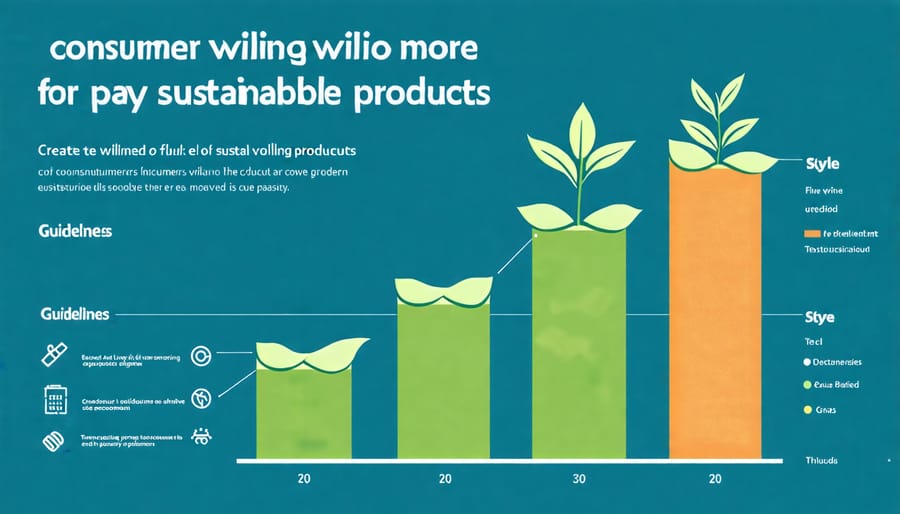
Many customers willingly pay premium prices for sustainable choices.
This shift is not a “trend” that will fade — it’s a structural change in consumer values.
1.2. Regulations and Institutional Pressure Are Rising
In addition to consumer demand, regulatory frameworks are growing stricter:
-
Extended Producer Responsibility (EPR) regulations
-
Plastic packaging taxes
-
Carbon reporting requirements
-
Incentives for recyclable and low-impact materials
Brands and sellers who proactively embrace sustainability not only differentiate but also future-proof their businesses.
1.3. Ecommerce Enables Informed Sustainability
With product transparency tools, eco labels, and online research capabilities, consumers are better informed than ever. Shoppers can now validate sustainability claims through:
-
Certifications (e.g., USDA Organic, Fair Trade, FSC)
-
Lifecycle assessments
-
Third-party environmental reporting
-
Peer reviews and social verification
This means product sustainability is now visible, verifiable, and influential in the purchase funnel.
2. Hard Data: Green Product Demand Trends (2024–2026)
While exact figures vary by region and category, several consistent patterns emerge across reliable datasets:
2.1. Search and Interest Growth (Google Trends / Search Analytics)
Sustainable product-related queries such as:
-
“eco-friendly products”
-
“sustainable alternatives”
-
“plastic-free”
-
“recycled materials”
have shown multi-year growth, often outperforming general category terms.
This suggests not only rising interest — but persistent, accelerating interest that independent sellers can track and leverage.
2.2. E-commerce Sales Growth
Platforms that release category insights (e.g., Amazon’s Movers & Shakers, AliExpress analytics, Shopify trend data) show:
-
Above-average sales growth for green labeled products
-
Higher average order values (AOV) on sustainable product categories
-
Stronger repeat purchase signals for eco-friendly goods
This data indicates consumers not only click but convert and re-buy sustainable items.
2.3. Price Sensitivity and Premium Willingness
Multiple reports show that while budget remains important, a strong segment of consumers is willing to pay more for products that are:
-
Sustainable
-
Non-toxic
-
Long-lasting
-
Responsibly packaged
This is an important signal for store owners evaluating margin and pricing strategies.
3. Category Breakdown: Where Sustainability Drives Growth
Not all categories perform equally. The following lists show where data suggests sustainability is most impactful in 2026.
3.1. Personal Care and Beauty
Eco-friendly substitutes have gained traction:
-
Plastic-free shampoos and conditioners
-
Refillable beauty products
-
Biodegradable makeup applicators
-
Certified organic personal care
Data signals include:
-
High conversion rates on eco-certified listings
-
Strong social engagement on sustainability claims
-
Seasonless demand patterns
3.2. Household and Cleaning Products
Traditional cleaning products are being replaced by:
-
Plant-based cleaners
-
Refillable detergent pods
-
Compostable sponges and brushes
-
Non-toxic surface sprays
Search data shows spikes in queries like “non-toxic cleaning” and “plastic-free cleaning tools,” especially among households with children and pets.
3.3. Apparel and Accessories
Sustainable apparel includes:
-
Recycled and upcycled fabrics
-
Ethical manufacturing
-
“Slow fashion” brands
Notable data patterns:
-
Higher engagement among younger demographics
-
Strong performance in social commerce channels
3.4. Home & Living Products
Eco-friendly home products gaining traction:
-
Bamboo and sustainable wood goods
-
Energy-efficient lighting
-
Recyclable storage solutions
-
Reusable kitchen products
Sales data indicate these are often impulse or gift purchases, with relatively low return rates.
3.5. Kids and Baby
Parents increasingly choose eco-friendly baby products:
-
Organic cotton baby clothing
-
Non-toxic toys
-
Compostable diapers
-
Gentle, plant-based baby care
This category often exhibits high lifetime value, as parents transition from infant to toddler stages.
4. Sustainability Signals That Boost Conversion
Green claims, if authentic, can improve conversion metrics. But not all signals are equally impactful.
4.1. Certifications Win Trust
Certifications like:
-
USDA Organic
-
Fair Trade
-
FSC (Forest Stewardship Council)
-
Global Recycled Standard
-
Leaping Bunny (cruelty-free)
…provide verifiable proof that resonates with discerning shoppers.
Products with recognized certifications often outperform generic “eco-friendly” claims.
4.2. Transparent Materials and Lifecycle Info
Shoppers want to know:
-
What materials are used?
-
Where did they come from?
-
Can they be recycled after use?
-
What is the environmental impact of production?
Only products with clear, honest disclosures achieve the best engagement and reduced return rates.
4.3. Social Proof Amplifies Sustainability
User reviews that mention:
-
EPA or eco label recognition
-
Reduced waste impact
-
Lasting durability
…can be stronger conversion drivers than generic positive feedback.
5. Sustainability Myths That Mislead Sellers (and Shoppers)
Not all “green” products perform well — especially when claims are vague or unsupported.
Myth 1 — “Any product can be marketed as green.”
Reality: Claims without evidence lead to distrust and higher returns.
Myth 2 — “Cheap and green can coexist at scale.”
Reality: Sustainable materials and ethical processes often cost more. Profits require clear value communication.
Myth 3 — “Shoppers only care about price.”
Reality: Many consumer segments prioritize sustainability even at higher price points — as long as the value proposition is compelling.
Educated brands avoid greenwashing — and those that do often see better long-term resilience.
6. Supplier and Fulfillment Considerations for Sustainable Products
Product supply must align with sustainability claims.
6.1. Supplier Transparency
Look for suppliers who disclose:
-
Material sourcing
-
Manufacturing processes
-
Packaging details
-
Waste and energy management
6.2. Sustainable Packaging
Fast-moving categories include:
-
Compostable mailers
-
Recycled cardboard
-
Minimalist packaging (plastic-free)
-
Refillable options
Sustainable packaging is not just aesthetic — it’s a conversion driver for eco-minded shoppers.
6.3. Reverse Logistics
Products designed for:
-
Reuse
-
Refill
-
Recycling
…often build deeper customer loyalty.
7. How to Evaluate Sustainable Products for Dropshipping
Here’s a practical checklist to assess products:
Demand Validation
-
Search volume growth
-
Social buzz and engagement
-
Seasonality patterns
Sustainability Quality
-
Certifications and verifiable claims
-
Material transparency
-
Packaging sustainability
Profit Performance
-
Price elasticity
-
Margin potential
-
Competitor saturation
Customer Lifetime Value
-
Repeat purchase likelihood
-
Category attach rates (cross-sell, upsell)
Use data — not assumptions — at each step.
8. Case Studies: Winning Sustainable Products in 2026
Case Study 1: Refillable Household Cleaners
Data signals:
-
Higher CLV due to refill repeat purchases
-
Strong SEO traffic for “plastic-free cleaning”
-
High AOV for starter + refill bundles
Outcome: 35% higher repeat purchase rate vs traditional cleaners.
Case Study 2: Organic, Recycled Fabric Outdoor Gear
Data signals:
-
Increasing search volume for “recycled outdoor wear”
-
Strong social proof among eco-travel influencers
-
Higher price tolerance among environmentally conscious shoppers
Outcome: Sustainable gear lines outperformed non-sustainable peers in niche markets.
Case Study 3: Kids’ Biodegradable Toys
Data signals:
-
Parent forums and trend boards showing preference shift
-
Low return rates
-
High product review sentiment tied to safety and sustainability
Outcome: Extended product lifecycle beyond infancy, with higher word-of-mouth referrals.
9. Content and SEO Strategies to Boost Sustainable Product Sales
Investing in sustainability without strategic content is like having a great product no one knows about.
9.1. Education Content
Topics that convert include:
-
Why sustainable materials matter
-
How to recycle old products
-
What eco labels mean
9.2. Comparisons and Reviews
Examples:
-
“Eco vs Conventional Cleaning Products: Which Is Better?”
-
“Top 10 Sustainable Gift Ideas for 2026”
Quality content increases visibility and buyer confidence.
10. Social Commerce and Community Signals
Platforms like TikTok, Instagram, and Pinterest amplify sustainability signals.
Best practices:
-
Showcase behind-the-scenes manufacturing
-
Highlight certifications visually
-
Leverage user-generated content around sustainable lifestyles
Social engagement metrics often translate into measurable sales lifts.
11. Pricing Strategies for Premium Sustainability
Sustainable products often command higher price points — but only when value is clear.
Approaches that work:
-
Bundle premiums with educational content
-
Offer tiered pricing (basic vs premium green)
-
Provide loyalty or refill discounts
Price without context is noise — value generates conversion.
12. ROI and Performance Metrics for Sustainable Categories
Track metrics such as:
-
Conversion rate by sustainability tag
-
Repeat purchase rate
-
Average order value on eco-friendly SKUs
-
Return rate compared to conventional products
Data from 2024–2026 consistently shows:
-
Sustainable categories have lower return rates
-
Higher repeat purchase behavior
-
Increased long-term customer loyalty
13. The Risk of Greenwashing: Consumer Skepticism Is Real
Consumers are more savvy than ever. Claims like:
-
“Eco”
-
“Green”
-
“Natural”
…without specificity often reduce trust.
Brands must avoid vague language and instead say:
-
“Certified organic by USDA”
-
“Recycled materials with ISO verification”
-
“Biodegradable within published standards”
Transparency is a competitive advantage.
14. Aligning Product Messaging With Consumer Values
Sustainable products succeed when messaging is:
-
Honest
-
Specific
-
Educative
-
Emotionally resonant
Example high-impact messaging:
“Our refill pods reduce plastic waste by 80% and are certified compostable under ASTM standards.”
Data + clarity beats emotional fluff.
15. Sustainable Product Launch Playbooks for 2026
A strong launch includes:
-
Trend validation (search + social + sales data)
-
Competitor gap analysis
-
Pre-launch content strategy
-
Certification and proof compilation
-
Multi-channel rollout (organic + paid + influencers)
-
Measurement and iteration
This structured approach turns trend signals into actual revenue.
16. Ethical Considerations and Brand Reputation
Selling sustainable products means owning a responsibility:
-
Do not misrepresent claims
-
Provide lifecycle information
-
Support return or recycling programs
-
Maintain supply chain accountability
Ethics and profit can coexist — and when they do, brand reputation grows.
17. Where the Data Predicts Sustainability Will Go Next
Emerging signals for 2027 and beyond include:
-
Circular economy models
-
Refill-first home product systems
-
Subscription ecosystems around sustainable goods
-
AI tools optimizing sourcing for environmental impact
-
Blockchain traceability for product origin
Staying ahead means watching data AND innovation.
Conclusion: Sustainability Is Not a Buzzword—It’s a Business Strategy
By 2026, the equation is clear:
Sustainable products are not just socially responsible — they are commercially smart.
Across categories — personal care, household items, apparel, kids’ goods, and home living — consumer preference and conversion data point to stronger performance when sustainability is meaningfully embedded.
What separates winners from the rest is not merely product choice, but data-backed decisions, transparent messaging, and strategic positioning.
The future belongs to brands and sellers who do not just sell products, but values-aligned solutions.
Embrace the data. Choose with intention. Build with transparency.
Because in 2026, sustainability is not a trend — it’s a business imperative.