














 En

 37 min read
Introduction: Turning Social Media Buzz into Real Sales
Influencer marketing has become one of the most powerful ways for brands to connect with modern consumers. From TikTok product demonstrations and Instagram lifestyle posts to YouTube reviews and creator-generated videos, influencers have transformed how people discover products, evaluate brands, and make purchasing decisions.
However, getting an influencer to promote a product does not automatically translate into sales.
A campaign may generate thousands of likes, hundreds of comments, and impressive video views without producing meaningful revenue. In other cases, a relatively small creator can generate a surprisingly large number of purchases because their audience trusts their recommendations and feels a genuine connection with their content.
The difference often comes down to strategy.
Successful influencer marketing is not simply about finding popular creators and paying them to publish promotional content. It requires a complete marketing journey that guides potential customers from initial discovery to product consideration, purchase, and ultimately repeat buying.
This process can be described as a journey from product discovery to purchase conversion.
For direct-to-consumer (DTC) brands and independent online stores, building a high-converting influencer marketing funnel means connecting every stage of the customer journey. Each influencer collaboration should have a clear purpose, each piece of content should answer a specific customer question, and every purchasing opportunity should make it easy for interested consumers to take action.
A well-designed influencer marketing strategy can help brands:
- Increase product awareness among relevant audiences.
- Build credibility through authentic creator recommendations.
- Generate high-quality traffic to independent stores.
- Improve product consideration and purchase confidence.
- Increase conversion rates through targeted promotional campaigns.
- Develop long-term relationships with creators and customers.
- Turn one-time buyers into loyal brand advocates.
In this comprehensive guide, we will explore how to design an influencer marketing strategy that covers the entire customer journey, from the first moment a consumer discovers a product to the final purchase and beyond.
1. Understanding the Complete Influencer Marketing Funnel
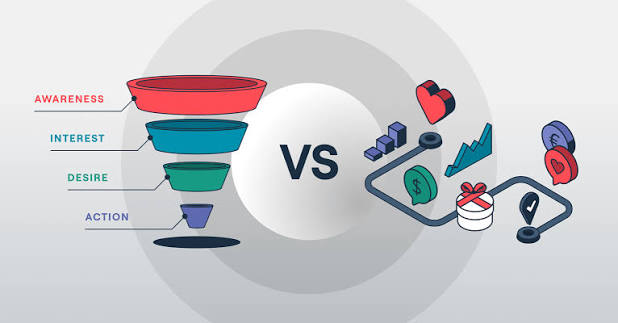
Before launching an influencer campaign, brands need to understand how consumers move from discovering a product to purchasing it.
Most consumers do not make purchasing decisions immediately after seeing a promotional video.
They may discover a product while scrolling through TikTok, visit the brand’s Instagram account, watch a detailed YouTube review, compare prices, read customer feedback, and finally purchase through an independent online store.
Every interaction influences the final decision.
This means influencer marketing should be designed as a connected funnel rather than a collection of unrelated promotional posts.
1.1 The Four Main Stages of the Influencer Marketing Journey
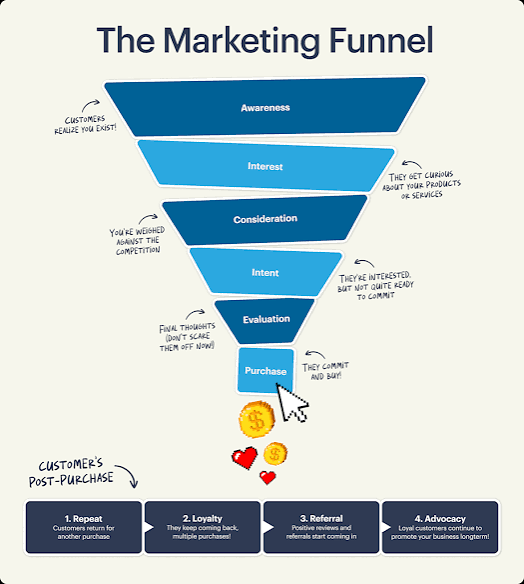
A practical influencer marketing funnel can be divided into four major stages:
Stage 1: Awareness — Let Consumers Discover Your Product
At this stage, the goal is to introduce the product to people who may not know the brand exists.
Influencers help brands reach new audiences through:
- Short-form videos.
- Product introductions.
- Lifestyle content.
- Unboxing videos.
- Trending social media formats.
- Everyday product demonstrations.
The main objective is to attract attention and create curiosity.
Stage 2: Consideration — Build Interest and Trust
After discovering a product, potential customers begin evaluating whether it meets their needs.
They may ask:
- Does this product actually work?
- Is the quality worth the price?
- How is it different from competing products?
- Is the brand trustworthy?
- Will this product solve my particular problem?
At this stage, brands need more informative content, including detailed reviews, tutorials, comparisons, and real-world demonstrations.
Stage 3: Conversion — Turn Interest into Purchases
Once consumers are convinced that a product is worth buying, the brand needs to make purchasing as easy as possible.
Effective conversion tactics include:
- Exclusive creator discount codes.
- Limited-time promotional offers.
- Product bundles.
- Dedicated landing pages.
- Retargeting advertisements.
- Clear calls to action.
- Customer reviews and testimonials.
The objective is to remove unnecessary obstacles between interest and purchase.
Stage 4: Loyalty and Advocacy — Encourage Repeat Purchases
The customer journey should not end after checkout.
Satisfied customers can become repeat buyers, social media followers, reviewers, and even informal brand ambassadors.
Brands can encourage this behavior through:
- Post-purchase email campaigns.
- Loyalty rewards.
- Referral programs.
- User-generated content campaigns.
- Community engagement.
- Long-term creator partnerships.
This final stage helps transform influencer marketing from a short-term sales tactic into a sustainable customer acquisition strategy.
1.2 Why the Entire Funnel Matters
A common mistake is investing most of the campaign budget in awareness.
Brands pay influencers to publish promotional content, measure views and engagement, and then assume that the campaign has succeeded.
But awareness does not necessarily mean purchasing intent.
A successful campaign needs to connect awareness with consideration and conversion.
For example, a TikTok creator may introduce a skincare product through a 30-second video. Interested viewers may then search for the product on Instagram, watch a longer review, and eventually visit the brand’s online store.
If the brand has no follow-up content, no convincing product information, and no clear purchasing path, many potential customers may leave without buying.
The strongest influencer campaigns anticipate these next steps and provide relevant content throughout the journey.
2. Define Your Target Audience Before Choosing Influencers
The foundation of a successful influencer marketing campaign is understanding who you want to reach.
A creator with millions of followers is not necessarily the right partner for your brand.
What matters more is whether their audience matches your potential customers.
2.1 Build a Detailed Customer Profile
Start by identifying the characteristics of your ideal customer.
Consider:
- Age range.
- Gender distribution, where relevant to the product.
- Geographic location.
- Income and purchasing power.
- Lifestyle and interests.
- Shopping habits.
- Preferred social media platforms.
- Common purchasing concerns.
- Problems your product can solve.
For example, an independent store selling premium home organization products may target homeowners, renters, young professionals, and people interested in interior design.
A store selling fitness accessories may focus on active consumers, home workout enthusiasts, and people interested in healthy lifestyles.
These audiences may use different social media platforms and respond to different types of influencer content.
2.2 Understand Customer Pain Points
Demographics alone are not enough.
Brands should understand the problems customers want to solve.
For example:
| Product Category | Potential Customer Pain Point | Useful Influencer Content |
|---|---|---|
| Home organization | Cluttered living spaces | Before-and-after demonstrations |
| Beauty products | Difficulty finding suitable products | Honest product reviews |
| Fitness equipment | Limited workout space | Home workout tutorials |
| Fashion accessories | Difficulty coordinating outfits | Styling demonstrations |
| Pet supplies | Everyday pet-care challenges | Real-life product testing |
| Kitchen products | Time-consuming food preparation | Cooking demonstrations |
The more closely influencer content reflects real customer concerns, the more relevant the recommendation becomes.
2.3 Identify Where Your Audience Spends Time
Different platforms attract different types of users and support different content formats.
Understanding these differences helps brands allocate their influencer marketing budgets more effectively.
3. Choose the Right Influencers for Every Marketing Stage
Influencer selection is one of the most important decisions in campaign planning.
Instead of focusing exclusively on follower counts, brands should evaluate audience relevance, engagement quality, content style, credibility, and previous commercial performance.
3.1 Understand the Main Types of Influencers
Influencers are often categorized according to their audience size.
Nano-Influencers
Nano-influencers typically have relatively small audiences, often around 1,000 to 10,000 followers.
Their strengths include:
- Close relationships with followers.
- Highly focused communities.
- More personal interactions.
- Potentially lower collaboration costs.
- Opportunities for niche product promotion.
They can be particularly useful for local brands, specialized products, and targeted customer acquisition.
Micro-Influencers
Micro-influencers commonly have approximately 10,000 to 100,000 followers.
They often provide a useful balance between audience reach and community engagement.
Their audiences may be concentrated around specific interests such as beauty, fitness, home decor, fashion, parenting, or technology.
For independent online stores, micro-influencers can be attractive partners because their content often feels more personal than traditional celebrity endorsements.
Macro-Influencers
Macro-influencers generally have audiences ranging from approximately 100,000 to one million followers.
They can help brands reach broader audiences and increase product visibility.
However, their collaboration costs are usually higher, and their audience relevance needs careful evaluation.
Mega-Influencers and Celebrities
Mega-influencers and celebrities can provide substantial exposure.
They may be useful for major product launches, brand awareness campaigns, and businesses with larger marketing budgets.
However, high reach does not guarantee high conversion rates.
Brands should assess whether their audience and public image align with the product.
3.2 Use Different Influencers for Different Funnel Stages
One of the most effective approaches is to build a portfolio of creators rather than relying on a single influencer.
For example:
| Funnel Stage | Influencer Type | Main Objective |
|---|---|---|
| Awareness | Macro and niche creators | Increase product exposure |
| Consideration | Micro-influencers and experts | Build trust and explain benefits |
| Conversion | Product reviewers and affiliate creators | Encourage purchases |
| Loyalty | Community creators and existing customers | Generate repeat engagement |
This structure allows brands to use different creator strengths throughout the customer journey.
3.3 Evaluate Influencer Quality Beyond Follower Counts
Before working with a creator, examine their account carefully.
Important evaluation criteria include:
Audience Relevance
Does the creator’s audience match your ideal customer?
Engagement Quality
Do followers leave meaningful comments, ask questions, and interact with the creator?
Content Consistency
Does the creator regularly publish content related to your product category?
Audience Authenticity
Are there suspicious follower spikes, repetitive comments, or signs of artificial engagement?
Brand Compatibility
Does the creator’s communication style fit your brand positioning?
Previous Sponsored Content
Have previous partnerships generated meaningful audience responses?
A creator with 20,000 highly relevant followers may be more valuable than someone with 500,000 followers who has little connection to your target market.
4. Select the Right Social Media Platforms
The platform you choose influences the type of content you create, the audience you reach, and how customers move toward purchasing.
There is no universal best platform for every brand.
The right choice depends on your product category, audience behavior, content budget, and campaign objectives.
4.1 TikTok: Generate Discovery Through Short-Form Content
TikTok is particularly useful for introducing products to new audiences.
Its short-form video environment encourages creative demonstrations, storytelling, trends, and authentic product experiences.
Popular TikTok influencer content formats include:
- Unboxing videos.
- Before-and-after transformations.
- Product demonstrations.
- Problem-and-solution videos.
- Product comparisons.
- Daily routine integrations.
- Honest first impressions.
For example, a creator promoting a portable kitchen appliance might show how it simplifies a common cooking task.
Rather than presenting a traditional advertisement, the creator demonstrates the product in a relatable situation.
This approach can help viewers understand the product’s practical value.
TikTok is especially useful for the awareness stage, but it can also support conversion when videos include clear product information and accessible shopping links.
4.2 Instagram: Build Brand Identity and Purchase Confidence
Instagram provides several content formats that can support different stages of the customer journey.
Reels are useful for product discovery.
Stories can introduce promotional offers, answer customer questions, and direct followers to product pages.
Carousels can explain product features, comparisons, and practical usage tips.
Instagram is particularly suitable for categories such as:
- Fashion.
- Beauty.
- Home decor.
- Lifestyle products.
- Accessories.
- Food and beverages.
Brands can also use creator collaborations to build a consistent visual identity.
For independent stores, Instagram can serve as an important bridge between initial discovery and product evaluation.
4.3 YouTube: Build Trust Through Detailed Product Reviews
YouTube is valuable when customers need more information before making a purchase.
Long-form videos provide space for detailed demonstrations, product testing, comparisons, tutorials, and personal experiences.
For products with higher prices or more complicated features, this content can be particularly influential.
For example, a creator reviewing a home appliance can demonstrate its functions, discuss practical advantages, and explain potential limitations.
This helps potential customers make more informed decisions.
YouTube Shorts can also introduce products to new audiences, while longer videos support deeper consideration.
4.4 Pinterest: Capture Product Inspiration and Shopping Intent
Pinterest is especially useful for visually oriented products and customers who actively search for inspiration.
Relevant categories include:
- Home decor.
- Interior design.
- Fashion.
- Wedding products.
- DIY projects.
- Beauty inspiration.
- Seasonal shopping.
Influencer-created Pinterest content can introduce products in an inspirational context.
For example, a home decor creator can share a room makeover featuring products from an independent store.
The content may continue attracting attention over time, making Pinterest useful for longer-term discovery.
4.5 Build a Multi-Platform Strategy Without Spreading Your Budget Too Thin
Not every brand needs to operate on every platform.
Start with one or two platforms where your target audience is most active.
Once you understand which creators, content formats, and campaigns generate meaningful results, expand gradually.
A focused strategy is generally easier to manage and optimize than launching multiple disconnected campaigns.
5. Design Influencer Content That Moves Consumers from Discovery to Consideration
Once influencers have been selected, the next challenge is designing content that captures attention and encourages meaningful interest.
The content should not feel like a repetitive advertisement.
Instead, it should help audiences understand why the product deserves their attention.
5.1 Use the Problem-Solution Storytelling Framework
One effective content structure is to introduce a relatable problem and demonstrate how the product provides a solution.
For example:
- Introduce a common customer frustration.
- Show how the problem affects everyday life.
- Present the product naturally.
- Demonstrate how it works.
- Explain the practical benefits.
- Invite viewers to learn more.
This structure gives viewers a reason to care about the product before they encounter the sales message.
5.2 Prioritize Real Product Demonstrations
Consumers often want to see products in actual use.
A professional promotional video may look attractive, but a realistic demonstration can provide more convincing information.
Encourage creators to show:
- Product size and proportions.
- Materials and construction.
- How the product works.
- Setup and installation.
- Everyday applications.
- Important features.
- Potential limitations.
Real demonstrations help reduce uncertainty and establish credibility.
5.3 Create Content Around Different Customer Questions
One video cannot answer every question a potential buyer may have.
A more effective approach is to develop several content pieces addressing different concerns.
For example, a brand selling cellular shades might collaborate with creators to produce:
- A room makeover showing the visual transformation.
- A video demonstrating how cellular shades operate.
- A comparison of different cell structures.
- A guide to selecting suitable fabrics.
- A review explaining installation considerations.
- A demonstration of light-control performance.
Together, these videos provide a more complete picture of the product.
5.4 Give Influencers Creative Freedom
Brands should provide clear campaign guidelines without controlling every word.
Creators understand their audiences and know how to communicate naturally.
Provide them with:
- Product information.
- Key selling points.
- Target audience information.
- Brand guidelines.
- Required disclosures.
- Campaign deadlines.
- Suggested calls to action.
However, avoid forcing every creator to use identical scripts.
Authentic communication is one of the main reasons audiences value influencer recommendations.
6. Turn Product Interest into Purchase Intent with Social Proof
Once consumers understand the product, they begin looking for evidence that it is worth purchasing.
Social proof plays an important role in this process.
People often feel more confident when they see other customers using, recommending, or discussing a product.
Influencer marketing can generate several types of social proof.
6.1 Encourage Honest Product Reviews
Reviews help consumers understand how a product performs outside the brand’s own marketing materials.
Encourage creators to discuss:
- First impressions.
- Product quality.
- Ease of use.
- Everyday performance.
- Advantages.
- Limitations.
- Overall value.
Honest reviews are generally more persuasive than exaggerated claims.
Brands should not require influencers to provide positive opinions or conceal genuine experiences.
6.2 Use User-Generated Content
User-generated content, commonly called UGC, refers to content created by customers and other users rather than the brand itself.
Examples include:
- Customer photos.
- Product demonstration videos.
- Unboxing experiences.
- Styling ideas.
- Home improvement projects.
- Customer testimonials.
Brands can encourage customers to share their experiences through branded hashtags, community campaigns, and incentives that comply with applicable disclosure requirements.
UGC can help independent stores create a more authentic brand image.
6.3 Display Social Proof on Product Pages
Do not allow influencer traffic to arrive at a product page that provides little additional information.
A high-converting product page should reinforce the interest created by the influencer.
Consider including:
- Customer reviews.
- Real product photographs.
- Creator demonstration videos.
- Product specifications.
- Shipping information.
- Return policies.
- Frequently asked questions.
- Clear product benefits.
The more confidently consumers can evaluate the product, the less likely they are to abandon the purchase because of unanswered questions.
6.4 Repurpose Influencer Content Across Marketing Channels
Influencer content can continue generating value after its original publication.
With appropriate usage rights and permissions, brands can repurpose creator content for:
- Product pages.
- Email campaigns.
- Social media advertisements.
- Retargeting campaigns.
- Brand websites.
- Promotional landing pages.
For example, a creator’s product demonstration may perform well as an organic TikTok video.
The brand can then test the same content in paid advertising to determine whether it attracts qualified customers.
Always establish usage rights, licensing duration, platforms, territories, and paid advertising permissions in advance.
7. Build a High-Converting Independent Store Landing Page
Influencer marketing generates demand, but the online store converts that demand into revenue.
A poor landing page can waste the attention and trust created by an excellent creator collaboration.
For independent stores, the landing page should continue the conversation that began on social media.
7.1 Maintain Message Consistency
Imagine an influencer promotes a portable blender by emphasizing convenience, easy cleaning, and compact design.
If the landing page focuses primarily on unrelated technical specifications, visitors may feel disconnected from the original recommendation.
Instead, maintain consistency between:
- Influencer messaging.
- Promotional video.
- Landing page headline.
- Product images.
- Product benefits.
- Special offers.
Visitors should immediately recognize that they have reached the product they saw in the creator’s content.
7.2 Create Dedicated Influencer Landing Pages
Rather than directing every visitor to the homepage, consider creating dedicated landing pages for major influencer campaigns.
A dedicated landing page can include:
- The creator’s featured video.
- A personalized campaign headline.
- Product benefits.
- Customer testimonials.
- Exclusive offers.
- Product variations.
- Clear purchase buttons.
This reduces unnecessary navigation and helps customers focus on the advertised product.
7.3 Optimize Mobile Shopping Experiences
Influencer traffic often comes from mobile social media applications.
If the shopping experience is slow or difficult to navigate, potential customers may leave before completing checkout.
Important mobile optimization practices include:
- Fast-loading product pages.
- Responsive images.
- Easy-to-read product descriptions.
- Visible purchase buttons.
- Simple navigation.
- Convenient payment methods.
- Short checkout processes.
- Clear shipping and return information.
Test the entire purchasing journey on multiple mobile devices before launching a major influencer campaign.
7.4 Reduce Checkout Friction
Even interested shoppers may abandon their carts if checkout becomes complicated.
Common problems include:
- Unexpected shipping fees.
- Unclear delivery estimates.
- Too many checkout fields.
- Limited payment options.
- Mandatory account registration.
- Unclear return policies.
Simplifying checkout can help convert more of the traffic generated by influencer marketing.
8. Use Discount Codes, Affiliate Links, and Exclusive Offers to Encourage Purchases
A strong influencer campaign should provide potential customers with a clear reason to complete their purchase.
Promotional incentives can help, especially when consumers are already interested in the product.
8.1 Personalized Discount Codes
Create unique discount codes for individual influencers.
For example:
- CREATOR10
- STYLE15
- HOME20
Personalized codes make campaigns easier to track and give followers a clear purchasing incentive.
They can also help identify which creators generate actual sales.
However, discounts should be structured carefully.
Offering excessive discounts may reduce profit margins and train customers to wait for promotional periods.
8.2 Affiliate Marketing Partnerships
Affiliate marketing allows creators to earn commissions based on the sales they generate.
This creates a performance-oriented partnership.
For independent stores, affiliate collaborations can offer several advantages:
- Lower upfront financial risk.
- Clearer sales attribution.
- Incentives for ongoing promotion.
- Opportunities to develop long-term partnerships.
- Greater scalability.
Brands should establish transparent commission structures and define how returns, cancellations, and repeat purchases are handled.
8.3 Product Bundles and Exclusive Packages
Instead of relying entirely on price reductions, consider offering exclusive product bundles.
For example, a beauty creator could promote a skincare starter set, while a home organization influencer could feature a coordinated storage package.
Bundles can increase average order value while providing additional value to customers.
8.4 Limited-Time Offers Without Excessive Pressure
Time-sensitive promotions can encourage customers to act.
However, urgency should be genuine.
If an offer is described as ending soon, the deadline should be real.
Avoid repeatedly extending supposedly exclusive promotions.
Trust is difficult to build and easy to damage.
9. Use Retargeting to Convert Interested but Undecided Consumers
Not every customer will purchase during their first visit.
Some people need more time to compare products, read reviews, discuss a purchase, or wait for a convenient shopping opportunity.
Retargeting helps brands reconnect with these potential customers.
9.1 Retarget Visitors Who Viewed Product Pages
With appropriate tracking consent and platform configuration, brands can build audiences based on website activity.
For example, visitors who viewed a product but did not purchase may receive advertisements featuring:
- Additional product demonstrations.
- Customer testimonials.
- Product comparisons.
- Frequently asked questions.
- Relevant promotional offers.
The purpose is to address remaining concerns rather than simply repeating the original advertisement.
9.2 Retarget Video Viewers
People who watch a significant portion of an influencer’s promotional video may have stronger product interest than casual viewers.
Depending on platform capabilities and audience eligibility, brands can use video engagement audiences for follow-up advertising.
For example:
- First advertisement: Introduce the product.
- Second advertisement: Demonstrate important features.
- Third advertisement: Present customer reviews.
- Fourth advertisement: Introduce a relevant purchasing incentive.
This creates a connected advertising journey.
9.3 Retarget Add-to-Cart Visitors
People who add products to their carts but do not complete checkout have demonstrated meaningful purchasing intent.
A retargeting campaign can remind them about the product and address common reasons for abandonment.
Potential messaging includes:
- Product benefits.
- Shipping information.
- Return policy reminders.
- Customer feedback.
- Genuine promotional offers.
Be careful with advertising frequency. Showing the same advertisement too many times can create a negative experience.
9.4 Coordinate Influencer Campaigns with Paid Advertising
Organic influencer content and paid advertising can complement each other.
Creators generate authentic content and audience interest.
Paid advertising can then expand the reach of effective content and reconnect with interested consumers.
For example, a creator’s demonstration video may be authorized for use in paid campaigns through the platform’s appropriate branded-content or partnership advertising tools.
This combination can help brands extend the value of successful collaborations.
10. Build a Complete Measurement System for Influencer Marketing
A high-converting influencer strategy requires more than monitoring likes and views.
Brands need to understand which creators generate meaningful traffic, which content influences purchasing decisions, and which campaigns produce profitable results.
10.1 Awareness Metrics
At the awareness stage, measure:
- Impressions.
- Video views.
- Unique reach.
- Audience growth.
- Brand mentions.
- Branded search activity.
These metrics help determine whether the campaign successfully introduced the product to potential customers.
10.2 Engagement Metrics
Engagement helps evaluate how audiences respond to influencer content.
Important metrics include:
- Likes.
- Comments.
- Shares.
- Saves.
- Video completion rate.
- Link clicks.
- Audience questions.
Meaningful comments and shares can provide useful insights into customer interest.
However, engagement should always be evaluated alongside audience relevance and traffic quality.
10.3 Traffic Metrics
Website traffic is an important connection between social media activity and online store performance.
Track:
- Website sessions.
- Unique visitors.
- Click-through rate.
- Landing page engagement.
- Product page views.
- New versus returning visitors.
- Traffic sources.
UTM parameters can help identify where website traffic originates.
For example, an influencer campaign URL might include source, medium, and campaign information.
This allows analytics tools to distinguish traffic generated by different creators and platforms.
10.4 Conversion Metrics
For an ecommerce business, purchase performance should receive particular attention.
Important metrics include:
Conversion Rate
The percentage of website sessions or visitors that complete a purchase, depending on the measurement definition.
Number of Purchases
The total number of completed transactions attributed to a campaign.
Average Order Value
The average amount spent per order.
Customer Acquisition Cost
The amount spent to acquire a new customer.
Return on Ad Spend
For paid influencer amplification, ROAS measures the revenue attributed to advertising relative to advertising spend.
Return on Influencer Investment
A broader profitability assessment should consider creator fees, commissions, product costs, fulfillment, discounts, and other campaign expenses.
10.5 Calculate Influencer Campaign ROI
A simple campaign ROI formula is:
ROI = (Campaign Profit – Campaign Investment) / Campaign Investment × 100%
For ecommerce campaigns, it is important to define campaign profit consistently.
Revenue alone does not represent profit.
For example, a campaign may generate substantial sales but still be unprofitable because of high creator fees, product costs, shipping expenses, and discounts.
A useful campaign evaluation should therefore consider contribution margin and customer acquisition costs.
10.6 Establish Clear Attribution Rules
Influencer campaigns can involve several customer touchpoints.
A consumer may discover a product on TikTok, watch an Instagram review, click a YouTube link, and eventually purchase through a direct website visit.
This creates attribution challenges.
To improve measurement, use a combination of:
- Unique discount codes.
- UTM tracking links.
- Affiliate tracking.
- Ecommerce analytics.
- Platform reporting.
- Post-purchase customer surveys.
Understand that different attribution systems may report different results.
Do not automatically assume that the last click or a discount code captures every sale influenced by a creator.
11. A Practical Influencer Marketing Campaign Workflow
A successful campaign needs a clear operational process.
Here is a practical workflow for independent stores and DTC brands.
Phase 1: Research and Planning
Before contacting influencers:
- Identify the product’s main selling points.
- Define the target audience.
- Establish campaign objectives.
- Select the primary social platforms.
- Set the campaign budget.
- Determine the expected performance metrics.
- Prepare product information and promotional materials.
Avoid launching a campaign before deciding what success actually means.
Phase 2: Influencer Discovery and Evaluation
Create a shortlist of potential creators.
Evaluate their audience relevance, engagement quality, content style, previous collaborations, and pricing.
Contact suitable creators with a personalized proposal.
Explain why their content and audience are a good match for your product.
Phase 3: Negotiation and Collaboration Agreements
Before sending products or making payments, establish the main collaboration terms.
These should include:
- Deliverables.
- Content formats.
- Publication dates.
- Compensation.
- Commission arrangements.
- Required disclosures.
- Revision expectations.
- Content usage rights.
- Exclusivity requirements, if applicable.
- Reporting expectations.
A written agreement helps prevent misunderstandings.
Phase 4: Product Seeding and Content Production
Provide creators with the products and relevant information.
Allow sufficient time for them to test the product and understand its practical applications.
Where appropriate, encourage genuine product experiences rather than scripted endorsements.
Review content for factual accuracy and compliance without removing the creator’s authentic voice.
Phase 5: Campaign Launch
Coordinate publication schedules.
Ensure that:
- Product pages are ready.
- Discount codes work.
- Tracking links are tested.
- Inventory is sufficient.
- Customer service is prepared.
- Shipping information is accurate.
- Campaign landing pages are functioning.
A technically prepared store is essential for converting influencer traffic.
Phase 6: Performance Monitoring
Monitor campaign results after publication.
Identify which content attracts the most relevant audience and which creators generate purchases.
Do not judge every creator solely by the first few hours of performance.
Different platforms and content formats may have different discovery patterns.
Phase 7: Optimization and Scaling
Once enough data is available, identify the strongest performers.
Consider:
- Extending successful creator partnerships.
- Repurposing high-performing content.
- Increasing paid distribution.
- Testing alternative landing pages.
- Improving promotional offers.
- Expanding affiliate partnerships.
Use actual performance evidence to guide additional spending.
12. Common Influencer Marketing Mistakes That Reduce Conversion Rates
Even brands with good products and attractive promotional budgets can struggle to generate sales.
Understanding common mistakes helps prevent wasted marketing investment.
Mistake 1: Choosing Influencers Based Only on Follower Counts
Large audiences do not guarantee purchasing intent.
Prioritize audience relevance, content quality, and demonstrated influence.
Mistake 2: Focusing on Exposure Instead of Purchases
Views and likes are useful awareness indicators, but they are not the final measure of ecommerce success.
Track website activity and completed purchases.
Mistake 3: Using the Same Content for Every Customer Journey Stage
A short introduction may be excellent for awareness but insufficient for someone comparing two products.
Create different content for discovery, evaluation, and conversion.
Mistake 4: Overly Commercial Influencer Content
If every video sounds like a traditional advertisement, audiences may lose interest.
Give creators enough freedom to present the product in a natural way.
Mistake 5: Sending Influencer Traffic to a Poorly Designed Homepage
A homepage may contain too many distractions.
Dedicated campaign landing pages can provide a more direct shopping experience.
Mistake 6: Ignoring Inventory and Fulfillment
A successful campaign can generate more demand than a store can fulfill.
Before launch, verify inventory availability, fulfillment capacity, shipping times, and customer service readiness.
Mistake 7: Failing to Follow Up with Interested Customers
Many visitors will not purchase immediately.
Use suitable retargeting, email marketing, and additional product information to reconnect with interested shoppers.
Mistake 8: Ending Relationships After One Campaign
A single sponsored post may generate exposure, but long-term collaborations can create stronger familiarity and trust.
Build relationships with creators who consistently reach relevant audiences.
13. How to Build Long-Term Influencer Partnerships
The most valuable influencer relationships often develop over time.
Instead of treating creators as temporary advertising placements, brands can develop partnerships that support ongoing content production and customer acquisition.
13.1 Create a Brand Ambassador Program
A brand ambassador program allows selected creators to represent the brand over a longer period.
Possible benefits include:
- Recurring product features.
- Exclusive product previews.
- Ongoing commission opportunities.
- Seasonal campaign participation.
- Access to new product launches.
- Long-term promotional codes.
This approach creates more consistent brand exposure.
13.2 Reward High-Performing Creators
Recognize creators who consistently generate quality content and measurable business results.
Potential rewards include increased commission rates, additional collaboration opportunities, exclusive products, and performance bonuses.
Compensation should remain transparent and clearly defined.
13.3 Develop a Creator Community
Brands can establish private communities where creators receive product updates, campaign information, creative resources, and early access to new releases.
A well-managed creator community can improve communication and encourage stronger long-term relationships.
13.4 Encourage Creators to Become Product Experts
Creators who repeatedly work with a brand may develop a deeper understanding of its products.
This can improve the accuracy and usefulness of their recommendations.
Long-term partners can also answer common customer questions and produce more sophisticated educational content.
14. Building an Influencer Marketing Budget That Supports Profitability
An effective campaign does not necessarily require an enormous budget.
What matters is how resources are distributed across the customer journey.
Instead of spending everything on one high-profile influencer, consider dividing the budget among several activities.
A sample allocation might look like this:
| Budget Category | Suggested Allocation |
|---|---|
| Influencer collaboration fees | 35% |
| Product seeding and shipping | 10% |
| Content production and editing | 10% |
| Paid advertising amplification | 20% |
| Affiliate commissions | 10% |
| Landing page and conversion optimization | 5% |
| Testing and contingency | 10% |
These percentages are illustrative rather than universal.
The appropriate allocation depends on product margins, creator pricing, campaign objectives, and previous results.
14.1 Start with a Small Test Campaign
Before committing a large budget, test several creators with different audience sizes and content styles.
Evaluate the results.
Determine which creators generate relevant traffic and which content formats produce purchases.
14.2 Scale Based on Profitability
Once a campaign demonstrates promising performance, increase investment gradually.
Do not scale solely because a video receives high engagement.
Prioritize sustainable customer acquisition and healthy contribution margins.
14.3 Consider the Long-Term Value of Acquired Customers
Some products generate repeat purchases.
In these situations, the value of an influencer campaign may extend beyond the initial transaction.
Track repeat purchase rates, customer retention, and customer lifetime value where reliable data is available.
However, avoid using projected future value to justify campaigns that consistently lose money on an initial purchase unless the business has a validated retention model and sufficient cash flow.
15. Legal Compliance and Transparency in Influencer Marketing
Trust is central to influencer marketing.
Consumers should understand when content is sponsored or when a creator receives compensation for recommending a product.
Brands operating in the United States should pay particular attention to Federal Trade Commission (FTC) endorsement and advertising disclosure requirements.
15.1 Clearly Disclose Sponsored Relationships
Creators should clearly disclose material relationships with brands.
These relationships may include:
- Paid sponsorships.
- Free products.
- Affiliate commissions.
- Discounts provided in exchange for promotion.
- Other valuable incentives.
Disclosures should be easy to notice and understand.
A disclosure hidden among hashtags or placed where viewers are unlikely to see it may not be sufficient.
15.2 Avoid Misleading Product Claims
Brands should provide accurate product information and avoid encouraging creators to make unsupported claims.
For example, health, beauty, environmental, and performance-related claims may require appropriate evidence.
Creators should not claim that a product provides results that have not been established.
15.3 Establish Content Usage Rights
If a brand wants to reuse influencer videos in advertisements, product pages, or email campaigns, the relevant usage rights should be agreed upon in advance.
Contracts should clarify:
- Permitted platforms.
- Usage duration.
- Geographic coverage.
- Paid advertising permissions.
- Editing rights.
- Ownership.
- Exclusivity.
- Compensation.
Transparent agreements protect both the brand and the creator.
16. The Future of Influencer Marketing: From Content Distribution to Commerce
Influencer marketing continues to evolve.
The relationship between social media content and ecommerce purchasing is becoming increasingly connected.
Several developments are shaping the future of this marketing channel.
16.1 More Authentic Creator Content
Consumers are becoming more familiar with sponsored content.
As a result, authenticity and credibility are increasingly important.
Creators who provide useful information, demonstrate products honestly, and maintain meaningful audience relationships can offer significant value to brands.
16.2 The Growth of Creator-Led Commerce
Social media platforms continue to develop shopping features that connect content with product discovery and purchasing.
Depending on the platform and market, users may be able to explore products through shopping links, product tags, affiliate features, and integrated checkout experiences.
This can reduce the distance between product discovery and purchase.
Independent stores should monitor these developments while maintaining control over their own ecommerce websites and customer relationships.
16.3 AI-Assisted Influencer Discovery and Campaign Analysis
Artificial intelligence can help brands organize creator research, analyze content themes, identify potential audience matches, and summarize campaign performance.
For example, AI-supported tools may help marketers:
- Compare influencer profiles.
- Identify recurring audience interests.
- Organize creator databases.
- Generate content briefs.
- Analyze engagement patterns.
- Categorize campaign results.
- Identify content variations for testing.
However, automated scores should not replace human evaluation.
Audience authenticity, communication style, and creator credibility still require careful judgment.
16.4 The Rise of Long-Term Creator Relationships
As influencer marketing becomes more competitive, brands may increasingly prioritize consistent partnerships over isolated promotional posts.
Creators who understand a product category can provide more informative content and develop deeper familiarity with a brand.
This can improve consistency across the customer journey.
17. A Complete Example: Turning One Product into a High-Converting Influencer Campaign
To understand how all these elements work together, consider an independent online store selling premium home organization products.
The store wants to promote a new modular storage system.
Rather than paying one influencer to publish a single promotional video, the brand develops a complete campaign.
Stage 1: Awareness
The brand collaborates with several home organization creators on TikTok and Instagram.
They produce short videos showing cluttered spaces transformed using the storage system.
The main objective is to introduce the product and demonstrate its visual appeal.
Stage 2: Consideration
Selected micro-influencers produce more detailed content.
They explain:
- Product dimensions.
- Available configurations.
- Material quality.
- Installation requirements.
- Different storage applications.
A YouTube creator also publishes a detailed product review.
The objective is to answer practical questions and build confidence.
Stage 3: Conversion
Each participating creator receives a personalized tracking link and discount code.
The brand creates a dedicated landing page featuring:
- Influencer demonstration videos.
- Product specifications.
- Customer reviews.
- Available bundles.
- Clear shipping information.
- A visible purchase button.
Retargeting advertisements are launched for eligible visitors who viewed the product but did not purchase.
Stage 4: Loyalty
Customers receive a post-purchase email explaining how to use and maintain the storage system.
The brand encourages them to share before-and-after photographs.
Selected customer content is featured on the brand’s social media accounts with appropriate permission.
Satisfied customers may also receive referral incentives.
Stage 5: Campaign Analysis
The marketing team evaluates:
- Creator-generated traffic.
- Product page engagement.
- Number of purchases.
- Average order value.
- Customer acquisition cost.
- Campaign profitability.
- Repeat purchase behavior.
The strongest creators are invited to participate in future campaigns.
This example illustrates an important principle: high-converting influencer marketing is not about creating one viral moment. It is about connecting multiple interactions into a coherent purchasing journey.
Conclusion: Build an Influencer Marketing System That Turns Attention into Revenue
Influencer marketing should be viewed as a complete customer acquisition and relationship-building strategy rather than a simple promotional activity.
The journey begins when consumers discover a product through a creator they trust. It continues when they explore product features, watch demonstrations, compare alternatives, and seek confirmation from other customers. Finally, it reaches the purchasing stage when the brand provides a convenient shopping experience, relevant incentives, and sufficient confidence to complete the transaction.
For DTC brands and independent online stores, the most effective approach is to connect every stage of this process.
Choose influencers based on audience relevance rather than popularity alone. Use different creators and content formats to support awareness, consideration, and conversion. Build dedicated landing pages that match influencer messaging. Use discount codes, affiliate links, social proof, and retargeting to encourage purchases. Finally, measure actual business performance and develop long-term partnerships with creators who consistently deliver value.
Most importantly, remember that influencer marketing does not end when a customer clicks the purchase button.
A satisfied customer can become a repeat buyer, a product reviewer, and another source of authentic content. When brands continue engaging with customers after the initial transaction, they create a stronger foundation for sustainable growth.
The ultimate objective is simple: turn product discovery into genuine interest, genuine interest into purchasing confidence, and purchasing confidence into long-term customer relationships.
With a well-planned influencer marketing funnel, social media attention can become a measurable and sustainable source of ecommerce growth.
Looking to build a high-converting influencer marketing strategy for your online store? Leave us a message today for professional recommendations, customized marketing solutions, and a free quotation. We look forward to hearing from you!