














 En

 15 min read
Introduction: Turning Influencer Collaborations Into a Repeatable Growth Strategy
Social media influencer partnerships have become an important growth channel for direct-to-consumer brands, independent online stores, and established ecommerce businesses. From TikTok creators demonstrating trending products to Instagram influencers sharing lifestyle recommendations, creator partnerships offer businesses opportunities to reach relevant audiences, build trust, test new products, and generate sales.
However, successful influencer marketing requires more than sending free products to popular creators or paying for a sponsored post. Without a clear contract, a structured product-testing process, and a reliable performance measurement model, brands can spend significant budgets on collaborations that produce views but few customers.
The most effective approach treats influencer partnerships as a repeatable business process. Brands identify suitable creators, establish measurable expectations, test products with controlled budgets, analyze performance, and scale the partnerships that demonstrate genuine commercial potential.
This guide explains how to build that process from the ground up. You will learn how to structure influencer agreements, select products for testing, design effective creator campaigns, calculate important performance metrics, and develop a practical evaluation model that connects social media activity to business results.
Whether you run a small online store or manage a growing ecommerce brand, these methods can help you make more informed partnership decisions and build a sustainable creator marketing program.
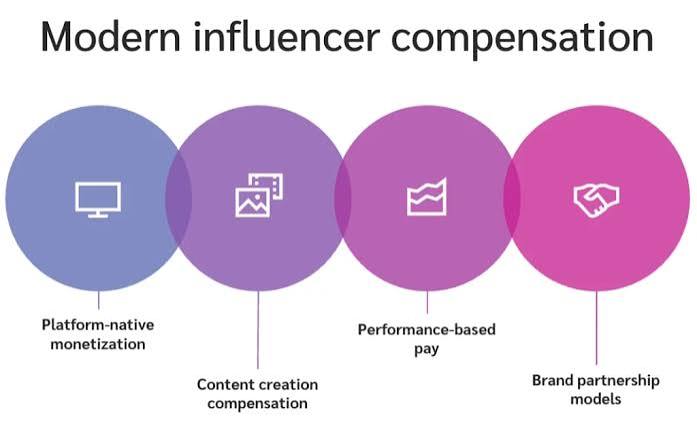
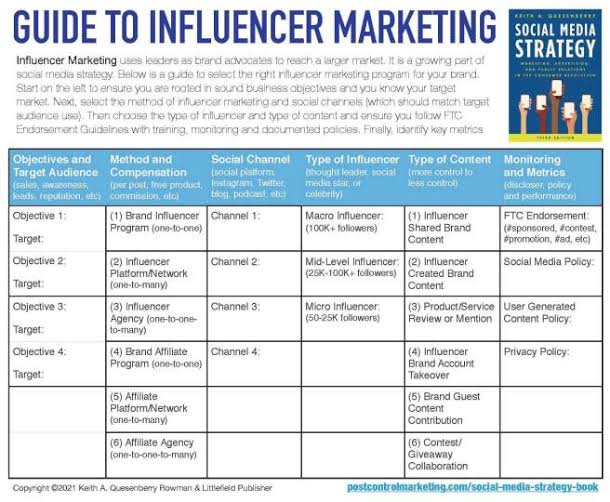
1. Understanding the Different Types of Influencer Partnerships
Before contacting creators, determine what kind of collaboration best supports your business objectives. Different partnership models have different costs, risks, and performance expectations.
1.1 Sponsored Content Partnerships
A sponsored content partnership involves paying a creator to publish content featuring your product or brand.
Common formats include:
- TikTok product demonstrations and short-form videos.
- Instagram Reels, Stories, and feed posts.
- YouTube product reviews and tutorials.
- Pinterest product inspiration and shopping content.
- Livestream product demonstrations.
- Sponsored blog posts and detailed product comparisons.
Sponsored content is particularly useful when a brand needs predictable deliverables, a defined publication schedule, and permission to review content before it goes live.
The agreement should specify the number of deliverables, publication dates, required product information, disclosure requirements, and whether the brand can reuse the content in advertisements.
1.2 Product Seeding and Gifting
Product seeding means providing products to selected creators without necessarily paying a content fee.
This approach can help brands discover creators who genuinely like their products. It is especially useful when testing new product categories or working with smaller creators who have highly relevant audiences.
However, gifting does not guarantee publication unless the parties explicitly agree otherwise. Brands should not assume that sending a product creates an obligation to post.
Track product-seeding costs, shipping expenses, creator responses, published content, and resulting sales. These figures reveal whether gifting generates enough value to justify continued investment.
1.3 Affiliate Partnerships
Affiliate marketing rewards creators for generating measurable actions, such as purchases made through a unique link or discount code.
For example, a brand might offer a creator a 12% commission on eligible net sales. The creator earns more by generating additional qualifying purchases, while the brand can connect compensation to attributable results.
Affiliate partnerships are attractive because they can reduce upfront spending. Nevertheless, attribution rules must be clear. The agreement should explain how returns, cancellations, discount stacking, repeat purchases, and tracking discrepancies affect commissions.
1.4 Hybrid Partnerships
Hybrid arrangements combine a fixed content fee with performance-based compensation.
A creator might receive a production fee and an additional commission for eligible sales. This model compensates the creator for creating content while preserving an incentive to generate business results.
Hybrid agreements are often appropriate for brands that need high-quality content but also want accountability for commercial performance.
1.5 Long-Term Ambassador Partnerships
An ambassador program establishes an ongoing relationship with selected creators rather than commissioning individual posts.
Ambassadors may publish recurring content, participate in product launches, demonstrate product usage, and provide feedback about customer preferences.
Long-term partnerships can improve brand consistency and give creators more opportunities to develop authentic product knowledge. However, brands should evaluate early performance before committing to extensive exclusivity or lengthy contracts.
2. Establishing Clear Goals Before Recruiting Influencers
A campaign cannot be evaluated accurately if its objectives are vague.
Before selecting creators, decide what the partnership should accomplish. Common objectives include brand awareness, audience growth, product validation, website traffic, first-time purchases, repeat purchases, and customer acquisition.
Each objective requires different indicators of success.
Awareness campaigns
For awareness campaigns, relevant indicators include:
- Reach and impressions.
- Video views and average watch time.
- Completion rate.
- Audience engagement.
- Brand search activity.
- Qualified traffic generated after publication.
Views alone are not sufficient. A video can generate substantial exposure without reaching potential customers or communicating the product’s benefits.
Product-testing campaigns
For product testing, focus on whether the creator’s audience responds to the product and its positioning.
Useful indicators include product-page visits, add-to-cart activity, purchases, customer questions, conversion rate, and qualitative feedback.
Testing should distinguish between weak product demand and weak content execution. A product may appeal to the intended audience even if one creator presents it ineffectively.
Sales campaigns
For campaigns focused on purchases, prioritize:
- Attributed orders.
- Net sales after discounts, cancellations, and returns.
- Conversion rate.
- Customer acquisition cost.
- Contribution margin.
- Return on marketing spend.
- New-customer acquisition.
The appropriate metrics depend on the campaign’s objective, tracking capabilities, and available budget.
Set a measurable campaign brief
A useful campaign brief identifies the target audience, product, primary objective, budget, creator requirements, deliverables, schedule, tracking method, and success criteria.
For example, an online store introducing a new insulated water bottle might recruit eight creators who produce outdoor, fitness, and everyday lifestyle content. The campaign could compare three product messages: temperature retention, portability, and design.
The objective would not simply be to collect eight videos. It would be to identify which audience, message, and creator style generate the strongest combination of qualified traffic, purchase intent, and profitable sales.
3. How to Find the Right Influencers for Your Brand
Follower count is an incomplete measure of creator suitability. A creator with 15,000 highly relevant followers may generate more sales than an account with 300,000 followers whose audience has little interest in the product.
The best creator selection process combines audience relevance, content quality, engagement patterns, credibility, and commercial potential.
3.1 Evaluate Audience Fit
Review the creator’s content and determine whether their audience matches your ideal customer.
Consider:
- Age groups and geographic markets.
- Interests and purchasing habits.
- Relevant lifestyle or product categories.
- Typical customer spending levels.
- Audience language and cultural context.
- Whether the audience matches the store’s shipping markets.
For a premium home decor brand, creators who consistently discuss interior design, home organization, and renovation may be more relevant than general entertainment accounts with larger audiences.
3.2 Examine Content Quality
Review at least several recent posts rather than judging a creator from one successful video.
Assess the opening hook, storytelling, lighting, audio, editing, product demonstration, and ability to explain product benefits.
A creator does not need expensive production equipment to perform well. Clear communication and a natural presentation may be more persuasive than highly polished but impersonal advertising.
3.3 Assess Engagement Quality
Engagement rate can provide useful context, but it should not be treated as a universal predictor of sales.
One common calculation is:
Engagement Rate by Followers = Total Engagements ÷ Followers × 100%
Engagements may include likes, comments, shares, and saves, depending on the platform and reporting method.
Compare creators within similar content formats and audience sizes. Also inspect comment quality. Questions about product availability, sizing, pricing, and real-world usage can indicate stronger purchase intent than generic reactions.
3.4 Check Authenticity and Brand Safety
Look for abrupt changes in follower growth, repetitive comments, suspicious engagement patterns, undisclosed sponsorships, and inconsistent audience geography.
Review previous partnerships for conflicts with your brand’s values or direct competitors.
Ask potential partners for recent platform analytics when appropriate. These may include audience geography, average video views, reach, audience demographics, and historical performance of sponsored content.
Avoid making decisions based exclusively on screenshots. Use a consistent verification process and clarify which metrics come directly from the platform.
3.5 Build a Creator Scoring System
A simple weighted score makes creator selection more consistent.
| Evaluation factor | Suggested weight |
|---|---|
| Audience and product relevance | 30% |
| Content quality | 20% |
| Audience authenticity | 15% |
| Engagement quality | 15% |
| Cost and commercial potential | 15% |
| Professionalism and reliability | 5% |
| Total | 100% |
Score each factor from 1 to 5, then calculate the weighted result. A high score does not guarantee success, but it helps identify candidates for testing and prevents follower count from dominating the decision.
4. Influencer Contract Templates: What Every Agreement Should Include
A written influencer agreement protects both the brand and the creator. It establishes expectations before money, products, and publication deadlines are involved.
The following template provides a practical starting point for ordinary commercial collaborations. It should be adapted to the campaign, applicable law, platform requirements, and the parties’ actual business arrangements.
4.1 Basic Influencer Collaboration Agreement
INFLUENCER COLLABORATION AGREEMENT
This Influencer Collaboration Agreement (“Agreement”) is entered into on [Effective Date] by and between:
Brand: [Legal Business Name]
Address: [Business Address]
Creator: [Legal Name or Registered Business Name]
Address: [Business Address]
Campaign Name: [Campaign Name]
1. Scope of Services
The Creator agrees to create and publish promotional content featuring [Product or Brand] on the following platforms:
- Platform: [TikTok / Instagram / YouTube / Other]
- Deliverables: [Number and Type of Posts]
- Required Content Elements: [Product Features, Demonstrations, Talking Points]
- Publication Dates: [Dates or Approved Schedule]
- Required Tags and Links: [Account Tags, Tracking Links, Discount Codes]
The Creator will deliver content consistent with the approved campaign brief and will not make unsupported product claims.
2. Compensation
The Brand agrees to pay the Creator as follows:
- Fixed fee: [$ Amount]
- Affiliate commission, if applicable: [Rate and Eligible Sales Definition]
- Product provision: [Product Description and Estimated Value]
- Payment schedule: [Deposit, Delivery Milestones, or Final Payment]
- Payment method: [Method]
The parties will specify how taxes, refunds, chargebacks, cancellations, and approved expenses are handled.
3. Content Review and Revisions
The Creator will submit drafts by [Date].
The Brand may request up to [Number] reasonable revision rounds to correct factual inaccuracies, ensure compliance with the brief, or address legal and disclosure requirements.
The Brand will provide consolidated feedback within [Number] business days. Additional revisions or material changes to the original scope require mutual written agreement.
4. Advertising Disclosures and Compliance
The Creator must clearly disclose any material connection with the Brand, including payment, free products, commissions, or other incentives, as required by applicable law and platform policies.
Disclosures must be easy to notice and understand in the actual viewing context. The Creator will use applicable platform disclosure tools where required, in addition to any other necessary disclosure.
Both parties agree to comply with applicable advertising, consumer protection, privacy, and intellectual property laws.
5. Content Ownership and Usage Rights
The Creator retains ownership of the original content unless the parties expressly agree otherwise in writing.
The Creator grants the Brand the following license:
- Permitted content: [Specific Deliverables]
- Permitted channels: [Brand Website, Organic Social Media, Paid Advertising, or Other]
- License duration: [Term]
- Territory: [Geographic Scope]
- Editing rights: [Permitted Cropping, Captions, Formatting, or Other Changes]
- Paid advertising rights: [Included or Excluded]
- Whitelisting or account authorization: [Separate Permission and Conditions, If Applicable]
Any use outside this license requires additional written permission. The parties should separately address music, third-party materials, creator likeness, and other rights needed for the intended use.
6. Exclusivity
For [Duration], the Creator agrees not to promote the following competing products or brands within the agreed category: [Defined Category or Named Competitors].
The restriction applies only to the extent expressly described in this Agreement. Any broader exclusivity, extended restriction, or additional compensation must be agreed upon in writing.
7. Tracking and Reporting
The Brand will provide the Creator with [Unique Tracking Link, Affiliate Link, Discount Code, or Other Tracking Method].
The Creator will provide available campaign performance data within [Number] days after publication, including agreed metrics such as reach, views, engagement, link clicks, and other relevant platform insights.
The parties acknowledge that tracking systems may differ and agree to document the attribution method used for performance evaluation and commission calculations.
8. Cancellation and Termination
Either party may terminate the Agreement for a material breach if the breach remains unresolved for [Number] days after written notice, where a cure period is appropriate.
The parties will specify how completed work, approved expenses, unused products, outstanding compensation, and content removal are handled following cancellation or termination.
The Agreement may also be terminated under the following circumstances: [Defined Conditions].
9. Representations and Responsibilities
The Creator represents that the Creator has the authority to enter into this Agreement and will not knowingly submit content that infringes third-party rights or contains materially false product claims.
The Brand is responsible for supplying accurate product information and substantiating claims it asks the Creator to communicate.
Neither party may guarantee a specific sales result unless the parties expressly agree to a lawful, clearly defined performance obligation.
10. Confidentiality and Data Protection
Each party agrees to protect confidential business information and use any shared personal information only for authorized purposes, subject to applicable law.
The parties will specify any additional requirements concerning customer data, analytics access, or campaign reporting.
11. Dispute Resolution and Governing Law
This Agreement is governed by the laws of [Jurisdiction], without regard to conflict-of-law rules where applicable.
Disputes will be handled through [Negotiation, Mediation, Arbitration, or Courts], as permitted by law.
12. Entire Agreement
This Agreement and its attached campaign brief constitute the entire agreement between the parties concerning the collaboration. Amendments must be made in writing and accepted by both parties.
Brand Representative: ____________________
Date: ____________________
Creator: ____________________
Date: ____________________
This sample is for general business planning and is not legal advice. Have qualified counsel review the agreement for your jurisdiction and campaign, especially when paid advertising, exclusivity, international creators, or substantial licensing rights are involved.
4.2 Additional Clauses for Specific Partnership Models
The basic agreement may need additional provisions depending on the collaboration.
Affiliate commission clause: Define whether commissions are calculated on gross or net sales, how long tracking cookies remain valid, whether first-click or last-click attribution applies, and how returns and fraudulent orders are handled.
Paid usage clause: Specify whether the brand can use creator content in paid advertising, the permitted platforms, duration, territory, editing permissions, and any additional licensing fee.
Whitelisting clause: Obtain explicit authorization for the brand to run advertisements through the creator’s account where supported. Define access permissions, campaign duration, spending responsibility, approval procedures, and revocation rights.
Exclusivity clause: Identify the competing category, restricted activities, duration, and geographic scope. Avoid vague language that could unnecessarily prevent creators from earning income.
Performance bonus clause: Define the exact metric, measurement period, attribution method, eligible purchases, and payment formula. For example, a bonus might apply when a creator generates at least 50 verified, non-refunded orders during a specified campaign period.
Product seeding clause: Clarify whether publication is optional, whether any return is expected, and whether the brand receives any rights to repost resulting content.
A well-written contract should remove uncertainty rather than simply impose restrictions. Clear expectations reduce disputes, make creators easier to manage, and create a better foundation for long-term collaboration.