














 En

 16 min read
Introduction: Why Your Followers Are Quiet and How to Wake Them Up
Building an independent online store takes more than creating attractive products and launching a professional website. In today’s competitive digital marketplace, social media has become one of the most powerful channels for connecting with customers, strengthening brand identity, and driving long-term business growth.
However, many independent brands eventually face the same frustrating challenge: their follower count keeps growing, but engagement rates continue to decline.
Posts receive fewer likes. Comments become rare. Stories get fewer views. Customers who once interacted frequently seem to disappear. Even carefully designed product photos and promotional announcements fail to generate the excitement they once did.
This situation is more common than many business owners realize.
The problem is not always that your audience has lost interest. Often, social platforms have become overcrowded with advertisements, repetitive content, and one-way brand communication. Customers no longer want to simply watch brands promote products. They want experiences, conversations, participation, and a sense of belonging.
For independent stores, this creates both a challenge and an opportunity.
Large companies may have bigger advertising budgets, but smaller brands have something extremely valuable: authenticity. Independent businesses can create deeper relationships with customers through interactive social media campaigns that make followers feel recognized and involved.
Instead of asking:
“Why are people not engaging with our posts?”
A better question is:
“How can we create reasons for people to participate?”
The answer lies in strategic social media activities designed around customer psychology, community building, and meaningful interaction.
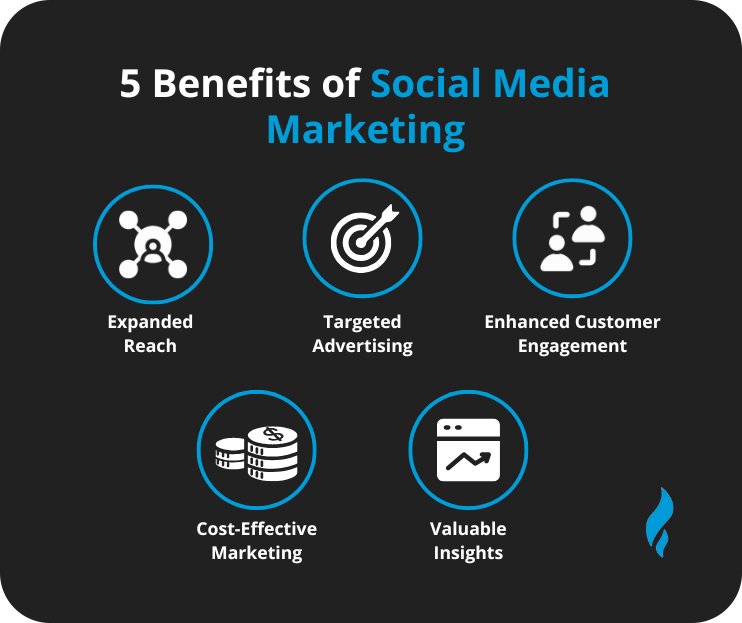
This article introduces five practical social media campaign ideas that can help independent stores reactivate followers, increase conversations, strengthen customer loyalty, and turn passive audiences into active brand supporters.
1. Launch a Customer Participation Challenge: Turn Followers Into Brand Creators
One of the biggest reasons social media engagement declines is that customers become passive viewers.
They scroll. They observe. They occasionally click. But they rarely feel motivated to respond.
A customer participation challenge changes this dynamic by transforming followers from an audience into active contributors.
Instead of publishing content and waiting for reactions, invite customers to create something connected to your brand.
Why Participation-Based Campaigns Work
People naturally enjoy sharing personal experiences, achievements, opinions, and creativity. When customers contribute content, they are not only interacting with your brand—they are also expressing their own identity.
For example:
A clothing brand can create a “Style Your Way” challenge where customers share photos wearing their favorite outfits.
A home décor store can launch a “My Cozy Corner” campaign encouraging customers to show how they decorate their spaces.
An outdoor equipment brand can create an adventure challenge where customers share their hiking, camping, or travel experiences.
The key is making the campaign about the customer, not just the product.
Weak approach:
“Post a picture using our product and get 10% off.”
Stronger approach:
“Show us how our product fits into your lifestyle and inspire our community.”
The second message creates emotional connection.
How to Design an Effective Social Media Challenge
A successful challenge should include five important elements:
1. A simple participation method
If joining requires too many steps, people will lose interest.
Good examples:
- Share a photo
- Answer a question
- Create a short video
- Vote for a favorite option
- Share a personal story
The easier the action, the higher the participation rate.
2. A memorable campaign theme
A good campaign name helps people remember and share it.
Examples:
“30 Days of Everyday Adventure”
“My Small Space Transformation”
“Customer Favorites Week”
“My Personal Style Story”
The theme should communicate emotion rather than simply describe a promotion.
3. A meaningful reward
Rewards do not always need to be expensive.
Many customers appreciate:
- Exclusive discounts
- Early access to new products
- Featuring their content on the brand page
- Special community recognition
- Limited-edition products
Recognition can sometimes be more powerful than discounts because people enjoy being seen.
4. Brand involvement
A common mistake is launching a challenge and then disappearing.
Brands should actively participate by:
- Commenting on customer posts
- Sharing customer stories
- Highlighting creative submissions
- Asking follow-up questions
Social media is built around interaction, not broadcasting.
5. A clear deadline
A time limit creates urgency.
Instead of:
“Join our challenge anytime.”
Try:
“Share your experience before August 30th for a chance to be featured.”
A deadline encourages immediate action.
Example Campaign Proposal: “Your Story, Our Community”
Campaign Goal
Increase customer interaction and create more user-generated content.
Campaign Format
Followers share photos, videos, or stories showing how they use your products in daily life.
Weekly Activities
Week 1:
Customers introduce themselves and share their favorite product.
Week 2:
Customers show creative ways they use the product.
Week 3:
Community voting selects favorite submissions.
Week 4:
Brand announces featured customers and rewards.
Expected Benefits
This type of campaign can help independent stores:
- Increase comments and shares
- Create authentic customer content
- Build stronger relationships
- Provide future marketing materials
- Improve community loyalty
2. Create Interactive Polls and Voting Events: Let Customers Influence Your Brand
Many businesses underestimate the power of simple questions.
A social media post does not always need to sell something. Sometimes the best way to increase engagement is to invite customers to make decisions.
People enjoy having their opinions recognized.
When customers feel that their preferences influence a brand, they develop a stronger emotional connection.
Why Voting Campaigns Increase Engagement
A question creates a psychological invitation.
A product announcement says:
“Here is something we created.”
A voting campaign says:
“We want your opinion.”
The second approach feels more personal.
Examples:
A beauty brand can ask:
“Which shade should we launch next?”
A furniture store can ask:
“Which design fits your home better?”
A food company can ask:
“Which flavor should return?”
A fashion brand can ask:
“Which style should become our next collection?”
These questions encourage comments, discussions, and repeat visits.
Types of Interactive Voting Campaigns
Product Development Voting
Allow customers to choose future products.
Examples:
- New colors
- Packaging designs
- Product names
- Feature improvements
This creates a sense of ownership.
Customers are more likely to support products they helped create.
Seasonal Choice Campaigns
Seasonal campaigns naturally create excitement.
Examples:
“Choose our holiday packaging.”
“Vote for our winter collection.”
“Pick our summer giveaway theme.”
Seasonal voting also encourages customers to return regularly.
Versus Challenges
Comparison-style posts are highly effective.
Examples:
“Minimalist or colorful?”
“Classic or modern?”
“Indoor comfort or outdoor adventure?”
People enjoy choosing sides and explaining their opinions.
Example Campaign Proposal: “You Decide Our Next Move”
Campaign Goal
Increase comments and collect customer preferences.
Campaign Structure
Monday:
Introduce two options.
Wednesday:
Share customer opinions.
Friday:
Reveal the winning choice.
Next Month:
Launch the selected product or feature.
Why This Works
Customers move from being buyers to becoming contributors.
They feel involved in the brand journey, which increases emotional attachment and future purchasing interest.
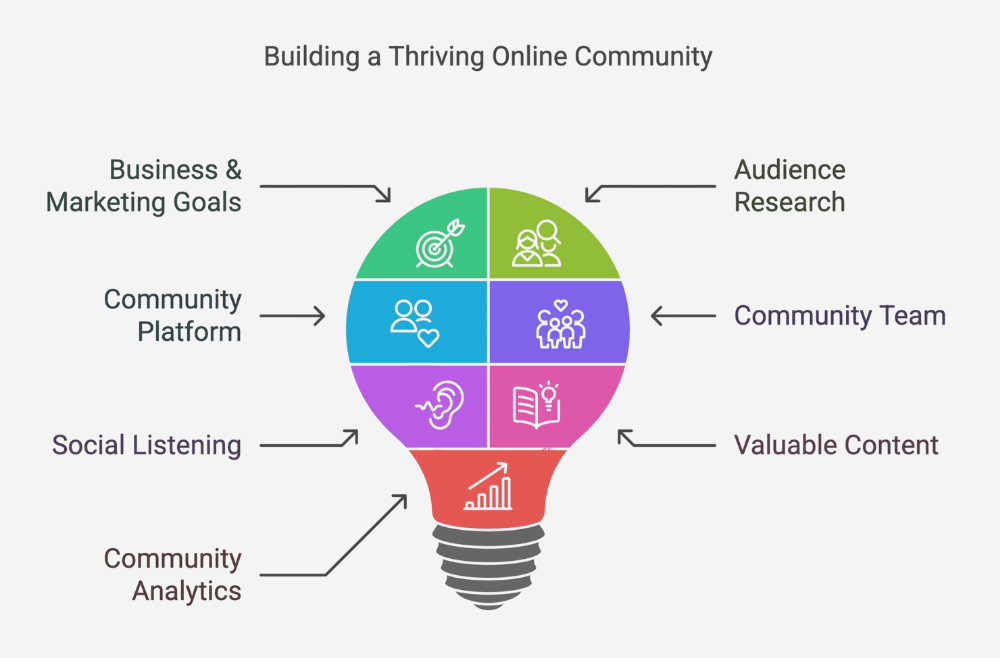
3. Host Exclusive Social Media Community Events: Transform Followers Into Loyal Brand Members
Many independent stores make the mistake of treating all followers the same way. They publish the same promotional content to everyone and expect similar reactions.
However, modern customers increasingly value exclusivity and personal connection.
A follower who feels like “just another customer” has little reason to actively participate.
A follower who feels like “part of a special community” is much more likely to comment, share, recommend, and purchase.
This is why exclusive social media community events can become one of the most effective ways to revive inactive audiences.
Why Exclusive Experiences Create Stronger Connections
People naturally want to belong to groups that provide value, recognition, and shared interests.
A private community does not have to be complicated. It can be created through:
- Private social media groups
- Close Friends features
- Exclusive live sessions
- Customer ambassador programs
- Members-only events
The goal is not simply to create another sales channel.
The goal is to create a place where customers feel connected to your brand and to each other.
Campaign Idea: “Insider Club”
An independent store can create an exclusive customer community where members receive:
- Early product previews
- Behind-the-scenes content
- Private discounts
- Product testing opportunities
- Direct conversations with the brand team
For example, a handmade jewelry brand could invite loyal customers into a private group where they can vote on upcoming designs.
A specialty coffee brand could host monthly online tasting events where customers discuss new flavors.
A home product brand could organize virtual room design discussions.
The possibilities are unlimited.
How to Make Community Events Successful
Step 1: Offer Something Members Cannot Get Elsewhere
Exclusive content is the foundation of a strong community.
Examples:
Instead of posting:
“New collection available now.”
Community members receive:
“You are the first group to preview our upcoming collection before public release.”
The difference is psychological.
The customer feels appreciated rather than marketed to.
Step 2: Create Regular Interaction
A community becomes inactive when conversations stop.
Create predictable activities:
Weekly:
- Customer question sessions
- Product discussions
- Opinion polls
Monthly:
- Live demonstrations
- Member showcases
- Exclusive launches
Quarterly:
- Customer appreciation events
- Virtual celebrations
Consistency builds habits.
Step 3: Encourage Members to Connect With Each Other
The strongest communities are not built only between brands and customers.
They are built between customers themselves.
Encourage conversations like:
- “Share your setup.”
- “Show how you use our products.”
- “What is your favorite feature?”
- “What advice would you give new customers?”
When customers begin helping each other, your community becomes self-sustaining.
Example Campaign Proposal: “Brand Family Weekend”
Goal
Increase loyalty among existing followers.
Event Format
A three-day online community event.
Day One:
Behind-the-scenes brand story sharing.
Day Two:
Customer showcase and interactive discussions.
Day Three:
Exclusive product preview and member-only offer.
Expected Results
This campaign can help brands:
- Strengthen customer relationships
- Increase repeat purchases
- Generate authentic conversations
- Build long-term supporters
4. Create Social Media Giveaway Campaigns With a Strategic Twist
Giveaways are one of the most popular social media activities, but many businesses use them incorrectly.
A simple giveaway that only asks users to “like and follow” may temporarily increase numbers, but it often attracts people who only want free products.
The better approach is designing giveaways that encourage meaningful interaction.
The purpose is not just gaining attention.
The purpose is attracting people who genuinely connect with your brand.
The Problem With Traditional Giveaways
A typical giveaway looks like this:
“Follow our page and tag three friends to win.”
Although this may create activity, many participants disappear after the winner is announced.
Why?
Because the campaign creates a short-term action, not a relationship.
A stronger giveaway should encourage participants to share their interests, experiences, or opinions.
Better Giveaway Formats for Independent Stores
1. Story-Based Giveaway
Ask customers to share a personal story.
Examples:
“A photo of your favorite memory with our product.”
“How does our product improve your daily routine?”
“What inspired your purchase?”
Stories create emotional connections.
2. Creative Challenge Giveaway
Encourage creativity.
Examples:
- Design your dream product
- Create a styling idea
- Share your best usage tip
- Show before-and-after results
Creative participation generates valuable customer content.
3. Community Voting Giveaway
Let followers choose winners.
Example:
“Vote for your favorite customer creation.”
This creates additional interaction because participants naturally encourage friends and family to support them.
4. Referral-Based Giveaway
Turn customers into brand promoters.
Instead of random tagging, create meaningful referrals.
Example:
“Invite a friend who would love our products and share why.”
This attracts people with genuine interest.
Example Campaign Proposal: “Share Your Experience, Win Your Favorite”
Campaign Goal
Increase engagement while collecting customer stories.
Entry Method
Customers share:
- A photo
- A short review
- A personal experience
Reward
Winner receives:
- Featured customer spotlight
- Store credit
- Exclusive product package
Long-Term Value
The campaign creates:
- Customer testimonials
- Social proof
- Brand awareness
- Future content resources
5. Launch Educational and Interactive Content Series: Become a Helpful Brand Instead of Just a Seller
One major reason social media engagement decreases is content repetition.
Many brands publish the same type of posts:
- Product photos
- Discount announcements
- New arrivals
- Promotional messages
Over time, followers become tired because every post feels like advertising.
A better strategy is creating educational content that solves customer problems.
When brands provide useful information, followers have a reason to return.
Why Educational Content Builds Engagement
Customers do not only buy products.
They buy solutions.
They want guidance, inspiration, and expertise.
For example:
A skincare store can share:
- Ingredient explanations
- Routine tips
- Common mistakes
A furniture brand can share:
- Space-saving ideas
- Cleaning methods
- Interior inspiration
An outdoor equipment store can share:
- Safety tips
- Travel preparation guides
- Product selection advice
Educational content positions your brand as a trusted resource.
Types of Interactive Educational Campaigns
1. “Ask the Expert” Sessions
Invite customers to submit questions.
Examples:
“Ask our designer anything about small-space decorating.”
“Ask our product specialist how to choose the right equipment.”
This creates direct conversations.
2. Weekly Tips Series
Create recurring content.
Examples:
“Monday Product Tips”
“Friday Customer Solutions”
“Weekend Inspiration”
Regular formats encourage followers to check back.
3. Problem-Solving Challenges
Ask followers to share challenges.
Examples:
“What is your biggest storage problem?”
“What product feature would make your life easier?”
“What challenge do you face when traveling?”
The answers provide valuable customer insights.
Example Campaign Proposal: “30 Days of Helpful Ideas”
Goal
Increase consistent engagement.
Content Schedule
Week 1:
Educational tips.
Week 2:
Customer questions.
Week 3:
Expert recommendations.
Week 4:
Community discussions.
Benefits
This campaign helps brands:
- Build authority
- Increase saves and shares
- Improve customer trust
- Create ongoing conversations
How to Choose the Right Social Media Campaign for Your Independent Store
Not every campaign works equally well for every business.
Before launching an activity, consider three important factors.
1. Understand Your Audience
Different audiences prefer different interaction styles.
Some customers enjoy:
- Creative challenges
Others prefer:
- Product voting
Some want:
- Exclusive communities
Understanding customer behavior helps you choose the right campaign format.
2. Match Campaigns With Business Goals
Different campaigns create different results.
Goal:
Increase brand awareness.
Best options:
- Customer challenges
- Creative giveaways
Goal:
Improve loyalty.
Best options:
- Exclusive communities
- Customer appreciation events
Goal:
Collect customer feedback.
Best options:
- Voting campaigns
- Interactive questions
3. Make Participation Valuable
Customers spend time interacting with brands.
Give them a reason.
Value can include:
- Entertainment
- Recognition
- Education
- Rewards
- Community connection
The strongest campaigns provide more than discounts.
Building a Long-Term Social Media Engagement System
A single campaign can create temporary excitement, but sustainable growth requires continuous effort.
Independent stores should think beyond individual posts and develop a complete interaction system.
Create a Monthly Campaign Calendar
Example:
Week One:
Educational content.
Week Two:
Customer participation activity.
Week Three:
Community discussion.
Week Four:
Exclusive promotion or giveaway.
This creates balance between value, interaction, and sales.
Track Customer Responses
Pay attention to:
- Comments
- Shares
- Saved posts
- Direct messages
- Customer feedback
Numbers are useful, but conversations often reveal deeper customer needs.
Continue Improving Based on Feedback
The best social media strategies are flexible.
If customers respond strongly to:
- Tutorials
Create more tutorials.
If customers enjoy:
- Voting activities
Increase interactive decisions.
If customers love:
- Behind-the-scenes content
Share more brand stories.
Your audience tells you what they want.
Final Thoughts: Turn Quiet Followers Into an Active Brand Community
Low social media engagement does not mean your followers have lost interest forever.
In many cases, it simply means customers need a stronger reason to participate.
Independent stores have a unique advantage: they can create authentic relationships that large companies often struggle to build.
The most effective social media campaigns are not based only on promotions. They are built around participation, conversation, recognition, and community.
The five strategies discussed in this article provide practical ways to reactivate your audience:
- Customer participation challenges that encourage followers to create content.
- Interactive voting campaigns that make customers part of brand decisions.
- Exclusive community events that strengthen loyalty.
- Strategic giveaways that attract meaningful engagement.
- Educational content series that provide lasting value.
When customers feel heard, involved, and appreciated, they naturally become more connected to your brand.
A successful independent store is not just selling products—it is building relationships.
Start creating conversations, invite participation, and give your followers a reason to come back.
A quiet audience can become an active community when brands focus on connection instead of simply promotion.