En
En
 12 min read
For modern direct-to-consumer (DTC) brands, competing against Amazon can feel almost impossible. Amazon dominates product discovery, logistics, pricing, customer trust, and digital advertising visibility across countless categories. Consumers can find nearly anything within seconds, compare prices instantly, and receive products at their doorstep within one or two days.
So how can smaller DTC brands survive — let alone grow — in a market where Amazon controls such an enormous share of e-commerce traffic?
The answer is not trying to out-Amazon Amazon.
Instead, successful DTC brands are building differentiated competitive moats through smarter customer acquisition strategies, stronger brand positioning, better storytelling, higher customer lifetime value, and more strategic use of Google Search Ads.
While Amazon focuses heavily on scale, convenience, and transaction efficiency, DTC brands have opportunities to win through precision targeting, emotional branding, niche expertise, first-party customer relationships, and intent-driven search marketing.
Google Search Ads remain one of the most powerful tools available for DTC brands because they allow companies to capture high-intent consumers at the exact moment they are searching for solutions, comparisons, reviews, or alternatives.
This guide explores how DTC brands can use Google Search Advertising to create sustainable differentiation, reduce dependence on marketplaces, improve customer acquisition efficiency, and build long-term competitive advantages against Amazon.
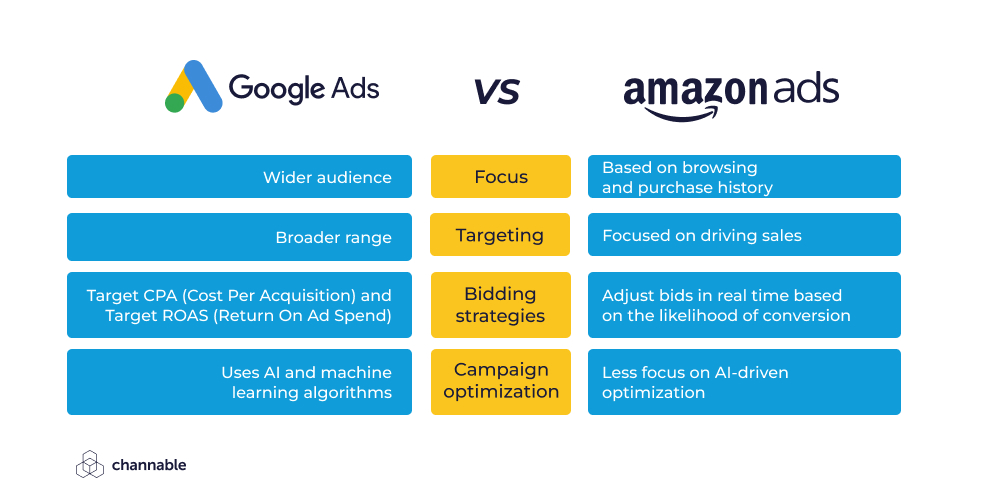
Why Amazon Is So Difficult to Compete Against
Before discussing strategy, it is important to understand Amazon’s structural advantages.
Amazon dominates because it combines:
- Massive product selection
- Fast fulfillment
- Aggressive pricing
- Customer trust
- Powerful recommendation systems
- Huge advertising budgets
- Enormous data infrastructure
- Prime ecosystem loyalty
For many consumers, Amazon has become the default search engine for shopping.
This creates serious challenges for independent DTC brands.
The Hidden Weaknesses in Amazon’s Business Model
Despite its scale, Amazon also has limitations that create opportunities for DTC brands.
Amazon often struggles with:
- Weak emotional brand connection
- Limited storytelling depth
- Commodity-style product presentation
- Generic shopping experiences
- Limited customer ownership for sellers
- High competition among similar products
These weaknesses open the door for differentiated DTC positioning.
Why Google Search Ads Matter More Than Ever for DTC Brands
Google Search Ads target consumers based on intent rather than passive browsing behavior.
This distinction is extremely important.
Consumers searching on Google often have:
- Specific pain points
- Purchase intent
- Product awareness
- Research motivation
- Comparison behavior
This creates opportunities for brands to intercept high-value traffic before customers reach Amazon.
The Strategic Difference Between Amazon Traffic and Google Search Traffic
Amazon traffic is often:
- Price-driven
- Convenience-focused
- Comparison-heavy
- Low brand loyalty
Google Search traffic can be:
- Problem-aware
- Education-focused
- Brand-curious
- Research-oriented
- High-intent
This allows DTC brands to shape the customer journey earlier.
Why DTC Brands Must Build Their Own Acquisition Channels
One of the biggest long-term risks of relying heavily on Amazon is platform dependency.
Marketplace dependence creates vulnerabilities such as:
- Margin compression
- Rising ad costs
- Copycat competitors
- Limited customer data ownership
- Algorithm volatility
Google Search Ads help brands regain control over customer acquisition.
Search Intent Is the Most Valuable Digital Signal
Search behavior reveals what consumers actively want.
Someone typing:
- “best orthopedic pillow for side sleepers”
- “non-toxic baby mosquito repellent”
- “premium polarized fishing sunglasses”
- “Amazon alternative standing desk”
is expressing extremely valuable commercial intent.
DTC brands that understand search psychology can compete far more effectively.
Why Generic Keywords Often Fail Against Amazon
Many brands waste advertising budgets targeting broad high-competition keywords.
Examples include:
- “headphones”
- “coffee maker”
- “water bottle”
Amazon dominates these broad transactional terms because:
- It has massive domain authority
- Huge ad budgets
- Extensive product inventory
Smaller brands need more strategic targeting.
The Power of Long-Tail Search Strategy
Long-tail keywords are often where DTC brands can outperform larger competitors.
Examples of Better Long-Tail Targeting
Instead of:
- “running shoes”
Target:
- “lightweight running shoes for flat feet”
- “marathon running shoes for hot weather”
- “best stability shoes for beginners”
Long-tail searches typically have:
- Lower competition
- Higher conversion intent
- Better audience specificity
Why Problem-Solution Advertising Works So Well
Consumers rarely buy products simply because products exist.
They buy solutions to problems.
Successful DTC search advertising often focuses on:
- Pain points
- Frustrations
- Lifestyle needs
- Performance improvements
- Emotional outcomes
Example: Competing Beyond Price
Amazon usually wins pure price wars.
DTC brands should instead emphasize:
- Product expertise
- Quality differentiation
- Material transparency
- Customer experience
- Specialized design
- Community trust
Why Brand Storytelling Is a Massive Competitive Advantage
Amazon product listings often feel transactional and generic.
DTC brands can create deeper emotional resonance through storytelling.
Strong brand narratives may include:
- Founder mission
- Product craftsmanship
- Sustainability efforts
- Lifestyle identity
- Customer transformation stories
Search ads can become the entry point into that larger story.
Building Search Campaigns Around Customer Identity
The best DTC brands understand that customers buy identity reinforcement as much as functionality.
Examples
Consumers may search for:
- “minimalist desk setup”
- “eco-friendly yoga mat”
- “luxury travel backpack”
These searches reflect lifestyle aspirations, not just products.
Why Landing Pages Matter as Much as the Ads Themselves
Many brands focus too heavily on ad copy while neglecting post-click experience.
Winning against Amazon requires superior landing page experiences.
Strong DTC landing pages often include:
- Rich visuals
- Educational content
- Social proof
- Clear differentiation
- Brand personality
- Product comparison guidance
Search Advertising Should Support Brand Building — Not Just Immediate Sales
Many brands optimize only for short-term conversion metrics.
This is dangerous.
Long-term competitive advantage comes from:
- Brand recall
- Repeat purchases
- Customer trust
- Community loyalty
Search campaigns should support both:
- Direct response
- Long-term brand equity
Why First-Party Customer Data Is a Strategic Asset
Amazon owns most customer relationship data inside its ecosystem.
DTC brands using Google Search Ads can build:
- Email lists
- SMS lists
- Retargeting audiences
- Loyalty programs
- CRM intelligence
This creates long-term strategic independence.
The Importance of Customer Lifetime Value (LTV)
Amazon often optimizes for transaction volume.
DTC brands should optimize for lifetime value.
Higher LTV allows brands to:
- Spend more aggressively on acquisition
- Build stronger retention systems
- Improve profitability over time
Why Subscription Models Strengthen Search Ad Economics
Subscription-based DTC brands often compete more effectively because recurring revenue improves acquisition efficiency.
Popular subscription categories include:
- Supplements
- Pet products
- Skincare
- Coffee
- Household essentials
Search ads become more profitable when customer retention is strong.
Branded Search Defense Is Essential
As DTC brands grow, competitors may bid on branded keywords.
Protecting branded search traffic is critical.
Brands should actively advertise on:
- Brand names
- Product names
- Founder names
- Signature collections
This prevents traffic leakage to competitors.
Competitor Comparison Campaigns Can Be Powerful
Many consumers actively compare alternatives before purchasing.
Searches such as:
- “better than Amazon basics”
- “premium alternative to cheap office chair”
- “high-quality non-Amazon cookware”
create opportunities for differentiation.
Why Educational Search Content Improves Ad Performance
Consumers often research before buying.
Educational search campaigns targeting:
- Buying guides
- Product comparisons
- How-to content
- Expert advice
can build trust earlier in the funnel.
Content Depth Helps Smaller Brands Compete
Amazon product pages prioritize transaction efficiency.
DTC brands can win through:
- Detailed explanations
- Rich media
- Interactive education
- Authentic expertise
Depth creates authority.
Google Search Ads Work Best Alongside Organic Search Growth
Paid and organic visibility reinforce each other.
Strong content ecosystems improve:
- Brand trust
- Search presence
- Click-through rates
- Retargeting efficiency
Integrated search strategies outperform isolated advertising efforts.
Why Product Positioning Matters More Than Budget Size
Large budgets alone do not guarantee success.
Clear positioning is often more important.
Strong positioning answers:
- Who is this product for?
- Why is it different?
- What problem does it solve?
- Why should customers trust this brand?
Niche Dominance Beats Broad Competition
Many successful DTC brands dominate narrow categories before expanding.
Examples include:
- Premium pickleball gear
- Ergonomic desk accessories
- Luxury pet travel carriers
- Sustainable baby products
Niche specialization improves search targeting precision.
Search Ads Are Especially Valuable for High-Consideration Purchases
Higher-priced products often involve:
- Research
- Comparison
- Reviews
- Educational evaluation
Google Search Ads excel in these environments.
Why Customer Reviews Are Critical for Search Conversion
Search traffic converts better when strong social proof exists.
DTC brands should prominently feature:
- Verified reviews
- Video testimonials
- User-generated content
- Case studies
Trust reduces conversion friction.
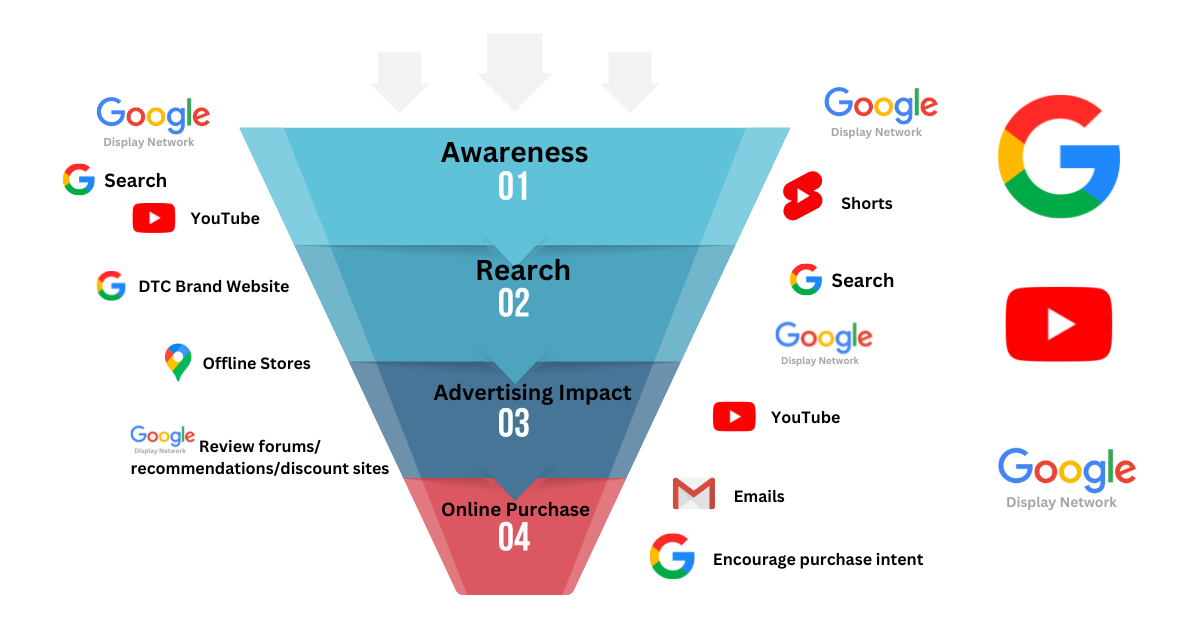
Retargeting Completes the Search Funnel
Most visitors do not purchase immediately.
Retargeting allows brands to re-engage users across:
- Display ads
- YouTube
- Social media
- Email campaigns
Search intent combined with retargeting creates powerful conversion systems.
Why Creative Testing Matters in Search Advertising
Many brands underestimate the importance of continuous testing.
Winning search campaigns constantly optimize:
- Headlines
- Descriptions
- Offers
- Landing pages
- Calls-to-action
- Audience segmentation
Incremental improvements compound significantly over time.
Google Shopping Ads vs Traditional Search Ads
Both formats play important roles.
Google Shopping Ads
Best for:
- Product visibility
- Transaction-ready searches
- Visual product comparison
Traditional Search Ads
Best for:
- Education
- Storytelling
- Brand positioning
- Problem-solution messaging
Top-performing DTC brands often combine both.
Why Amazon-Like Convenience Still Matters
Differentiation does not mean ignoring operational excellence.
Consumers still expect:
- Fast shipping
- Easy returns
- Reliable support
- Transparent pricing
DTC brands must balance emotional branding with operational competence.
Building Community Creates Stronger Competitive Moats
Communities increase:
- Retention
- Referrals
- Brand loyalty
- User-generated content
Strong communities reduce dependence on paid acquisition over time.
Why Authenticity Is Becoming More Valuable
Consumers increasingly distrust generic marketplace products.
DTC brands can stand out through:
- Transparent sourcing
- Authentic founder voices
- Specialized expertise
- Real customer interaction
Authenticity strengthens search conversion rates.
Mobile Search Optimization Is Non-Negotiable
Most search traffic now comes from mobile devices.
Mobile experiences must prioritize:
- Fast loading
- Clear layouts
- Simple navigation
- Easy checkout
Poor mobile UX destroys ad efficiency quickly.
Why Attribution Is Becoming More Complex
Modern customer journeys involve multiple touchpoints.
Consumers may:
- Discover through search
- Research on YouTube
- Read reviews
- Return via email
- Purchase later through direct traffic
Brands need sophisticated attribution analysis.
AI Is Changing Search Advertising Rapidly
Artificial intelligence is transforming:
- Keyword matching
- Audience targeting
- Bid optimization
- Creative generation
- Predictive analytics
Brands that adapt quickly gain advantages.
Why DTC Brands Should Avoid Pure Commodity Competition
Commodity products are difficult to defend long term.
Search advertising becomes far more effective when products have:
- Clear differentiation
- Strong branding
- Specialized positioning
- Emotional relevance
The Real Goal Is Not Beating Amazon Everywhere
Trying to outperform Amazon across every metric is unrealistic.
The smarter strategy is:
- Owning specific niches
- Building stronger customer relationships
- Controlling brand narrative
- Capturing high-intent search traffic
- Increasing customer lifetime value
Future-Proofing DTC Search Strategy
The strongest DTC brands focus on sustainable systems rather than short-term hacks.
Long-term advantages come from:
- Brand trust
- Data ownership
- Customer loyalty
- Product quality
- Search intent mastery
- Community engagement
These assets compound over time.
Final Thoughts
Amazon’s scale, convenience, and market dominance make it one of the most formidable competitors in modern commerce. But scale alone does not guarantee emotional connection, customer loyalty, or category authority. That is where DTC brands still have enormous opportunity.
By leveraging Google Search Ads strategically, DTC companies can capture high-intent consumers earlier in the buying journey, position themselves around specific customer needs, build deeper brand relationships, and create differentiated competitive moats that marketplaces struggle to replicate.
The most successful DTC brands do not attempt to win through price wars or endless product catalogs. Instead, they focus on precision targeting, compelling storytelling, specialized expertise, superior customer experiences, and ownership of the customer relationship itself.
In a digital marketplace increasingly dominated by automation and commoditization, brands that truly understand search intent, audience psychology, and long-term brand building will remain far more resilient — even in the shadow of Amazon.