En
En
 7 min read
In today’s hyper-competitive marketplace, launching a product is easier than ever—but building a brand that lasts is far more difficult. With global supply chains, low barriers to entry, and countless sellers competing for attention, the difference between a short-lived product and a sustainable business often comes down to one thing: control.
Many entrepreneurs begin with product selection—finding trending items, sourcing from suppliers, and testing demand. But true brand strength emerges when you move beyond selection into control. This is where OEM (Original Equipment Manufacturer) customization becomes a powerful strategy.
OEM customization allows you to transform generic products into differentiated, high-value offerings that are difficult to replicate. It’s how you move from selling commodities to building a brand with a moat—a defensible position that protects your margins and customer loyalty.
In this comprehensive guide, we’ll explore how to go from picking products to controlling them, and how OEM customization can help you build a brand that stands out and endures.
Understanding the Difference: Product Selection vs. Product Control
Before diving into OEM strategies, it’s important to clarify two key stages of product development.
Product Selection: The Starting Point
Product selection involves identifying items with market demand. This often includes:
- Trending products
- High search volume items
- Products with proven sales history
While this approach can generate quick wins, it has limitations:
- Low differentiation
- Intense price competition
- Easy replication by competitors
Product Control: The Strategic Advantage
Product control goes deeper. It means owning the key elements that define your product, such as:
- Design
- Materials
- Functionality
- Packaging
- Quality standards
When you control these aspects, you’re no longer just selling a product—you’re offering a unique experience.
What Is OEM Customization?
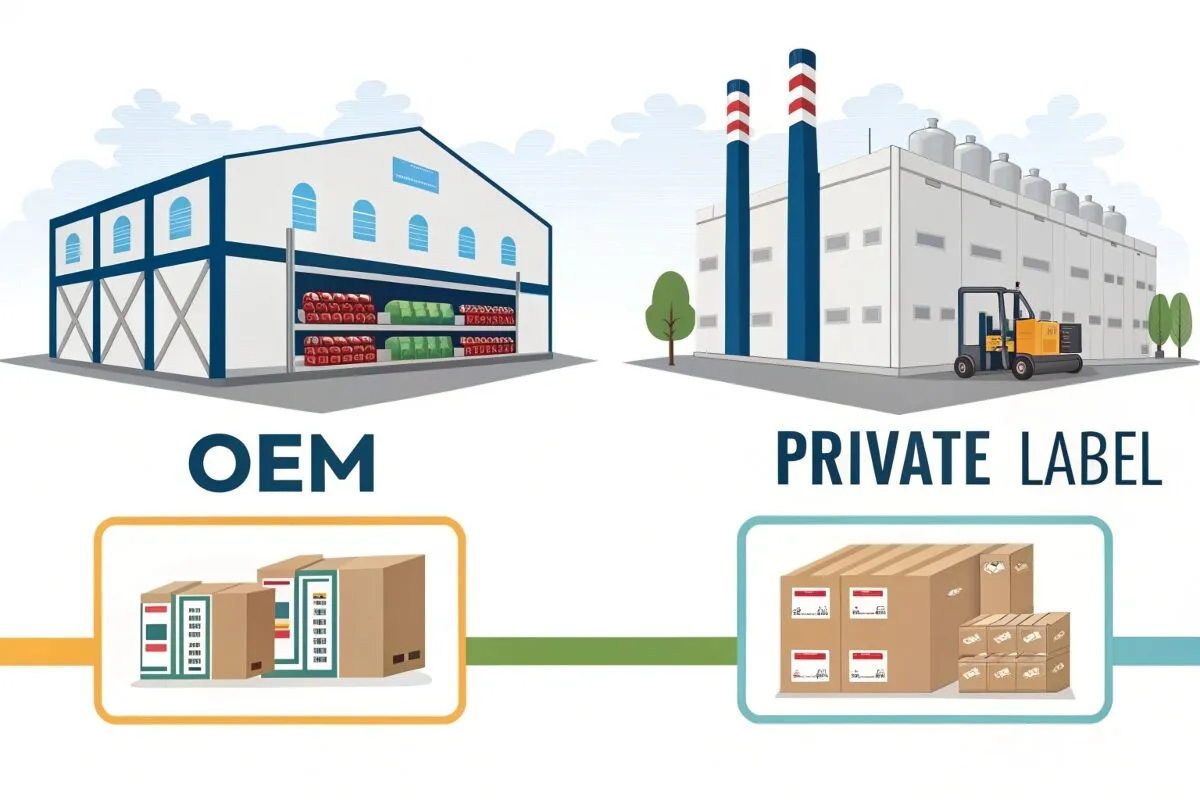
OEM customization involves working with manufacturers to produce goods according to your specifications. Unlike off-the-shelf products, OEM items are tailored to your brand’s requirements.
Key Characteristics
- Custom design or modifications
- Branded packaging
- Exclusive features
- Defined quality standards
This approach allows you to create products that are not easily interchangeable with competitors’ offerings.
Why OEM Customization Builds a Brand Moat
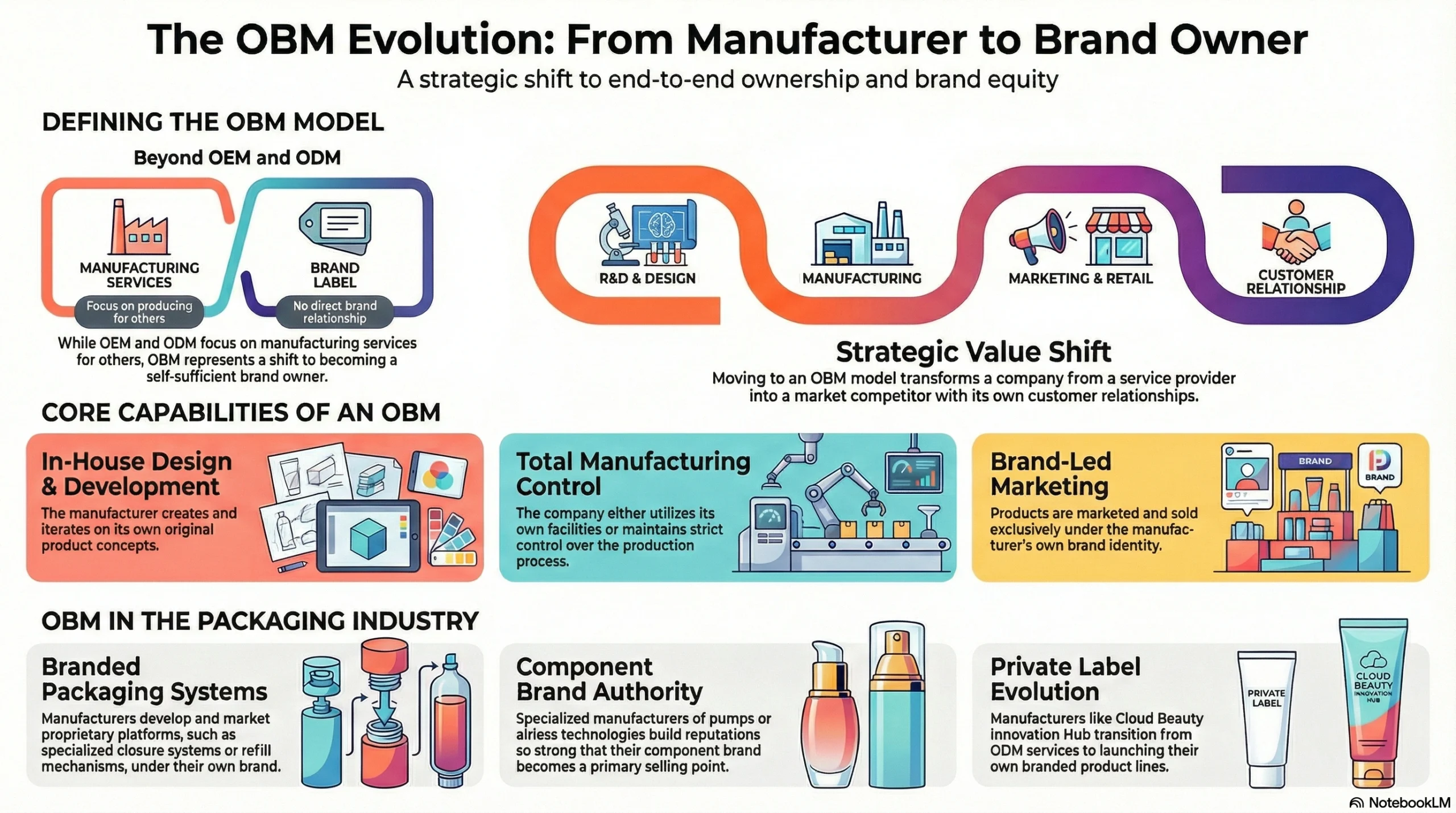
A “moat” refers to the competitive advantages that protect your business from rivals. OEM customization contributes to this in several ways.
1. Differentiation
When your product has unique features or design elements, it stands out in a crowded market. This reduces direct price comparisons.
2. Customer Loyalty
Customized products often deliver a better user experience, leading to repeat purchases and brand loyalty.
3. Pricing Power
With less direct competition, you can maintain healthier margins instead of competing solely on price.
4. Intellectual Property Opportunities
Custom designs may be eligible for design patents or trademarks, adding another layer of protection.
Step 1: Validating Your Product Idea
Before investing in OEM customization, ensure there is real demand.
Market Research
- Analyze customer reviews of existing products
- Identify common complaints and unmet needs
- Look for gaps in functionality or design
Competitive Analysis
Understand what competitors are offering and where they fall short. This will guide your customization strategy.
Step 2: Defining Your Unique Value Proposition
Your value proposition is what makes your product worth choosing.
Ask Key Questions
- What problem does your product solve better?
- What features can be improved?
- How can the user experience be enhanced?
Examples of Differentiation
- Improved durability
- Enhanced ergonomics
- Better aesthetics
- Eco-friendly materials
Step 3: Finding the Right OEM Manufacturer
Choosing the right manufacturing partner is critical.
What to Look For
- Experience in your product category
- Willingness to customize
- Strong quality control processes
- Clear communication
Building Relationships
OEM success often depends on collaboration. A good manufacturer will work with you to refine designs and solve problems.
Step 4: Product Design and Development
This is where your vision starts to take shape.
Prototyping
Develop prototypes to test:
- Functionality
- Materials
- User experience
Iteration
Expect multiple rounds of refinement. Small adjustments can make a big difference in the final product.
Step 5: Quality Control Systems
Product control isn’t just about design—it’s about consistency.
Establish Standards
Define clear specifications for:
- Materials
- Dimensions
- Performance
Inspection Processes
Implement quality checks at different stages:
- Pre-production
- During production
- Final inspection
Consistency builds trust with your customers.
Step 6: Branding and Packaging
Packaging is often the first physical touchpoint customers have with your brand.
Custom Packaging Benefits
- Enhances perceived value
- Reinforces brand identity
- Improves unboxing experience
Design Considerations
- Visual appeal
- Functionality
- Sustainability
Step 7: Supply Chain Control
A strong supply chain ensures reliability.
Key Elements
- Inventory management
- Lead time planning
- Backup suppliers
Risk Mitigation
Diversify suppliers where possible to reduce dependency.
Step 8: Launch and Feedback Loop
Once your product is ready, launch strategically.
Gather Feedback
- Monitor customer reviews
- Identify recurring issues
- Look for improvement opportunities
Continuous Improvement
Use feedback to refine your product and stay ahead of competitors.
Common Pitfalls to Avoid
Over-Customization Too Early
Start with meaningful improvements rather than trying to reinvent everything.
Ignoring Quality Control
Even the best design can fail without consistent production quality.
Poor Communication with Manufacturers
Misunderstandings can lead to costly mistakes.
Real-World Example: Turning a Commodity into a Brand
Consider a simple product like a portable lamp. In its generic form, it’s widely available and highly competitive.
Through OEM customization, you could:
- Improve battery life
- Add unique design elements
- Use premium materials
- Create distinctive packaging
Suddenly, the product is no longer a commodity—it’s a branded experience.
Long-Term Strategy: Building a Product Ecosystem
Once you have a successful product, expand strategically.
Product Line Expansion
Introduce complementary products that align with your brand.
Brand Consistency
Maintain consistent design language and quality across all products.
The Role of Data in Product Control
Data helps you make informed decisions.
Key Metrics
- Return rates
- Customer satisfaction
- Defect rates
Use this data to refine both product and processes.
Sustainability as a Competitive Advantage
Consumers increasingly value sustainability.
OEM Opportunities
- Eco-friendly materials
- Reduced packaging waste
- Ethical manufacturing practices
Sustainability can become part of your brand’s moat.
Future Trends in OEM Customization
The landscape is evolving rapidly.
Digital Design Tools
Faster prototyping and customization.
Smart Manufacturing
Automation improves consistency and efficiency.
Personalization
Consumers may demand even more tailored products.
Final Thoughts
Moving from product selection to product control is a transformative step in building a lasting brand. OEM customization provides the tools to differentiate, improve quality, and create products that customers truly value.
While the journey requires investment, effort, and careful planning, the rewards are significant. A well-executed OEM strategy can turn ordinary products into powerful brand assets—creating a moat that protects your business in an increasingly competitive market.
In the end, success isn’t just about what you sell—it’s about how uniquely and consistently you deliver value.