















 En
En
 9 min read
In today’s digital commerce landscape, many entrepreneurs enter markets filled with excitement—only to discover they are competing against massive brands with deeper budgets, stronger logistics, and years of accumulated customer trust. Competing directly in these saturated environments often leads to shrinking margins, rising advertising costs, and constant pressure to discount.
Yet successful independent brands continue to emerge every year. They grow steadily, build loyal audiences, and achieve profitability without battling industry giants head-on.
Their secret is not luck or massive funding.
They succeed because they identify low-competition, high-value niche markets—spaces where demand exists but dominant players have not fully optimized solutions.
This guide explores how to systematically uncover these opportunities, validate them, and position your business away from crowded red oceans and toward sustainable growth.
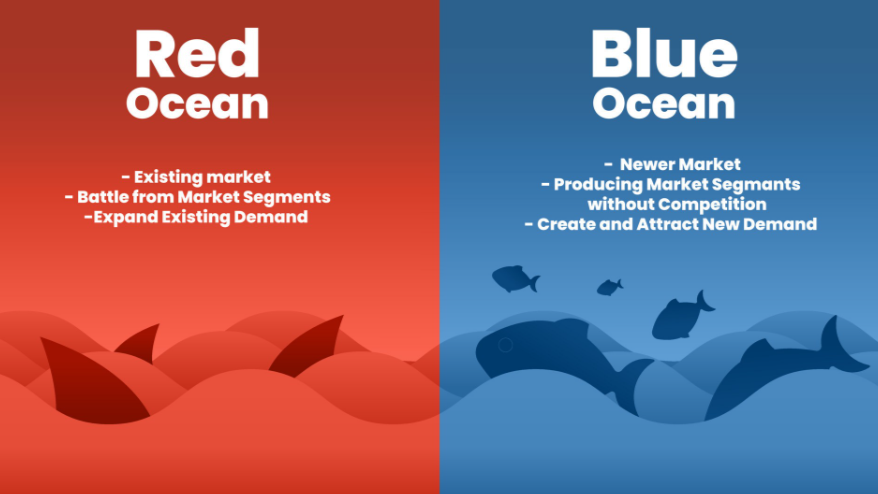
Understanding the Difference Between Red Oceans and Niche Opportunities
A red ocean represents markets where competition is intense, products are highly similar, and price becomes the primary differentiator.
Typical characteristics include:
- Hundreds of near-identical products
- Heavy discounting
- High advertising costs
- Short product lifecycles
- Low customer loyalty
Examples often include generic electronics accessories, basic apparel categories, or commodity home goods.
A low-competition niche, by contrast, has:
- Specific unmet needs
- Clear customer identity
- Emotional purchasing motivation
- Specialized use cases
- Limited optimized solutions
The goal is not to find markets without competitors. Instead, it is to find markets where competition does not yet fully understand the customer problem.
Why Competing With Giants Is Usually a Strategic Mistake
Large brands dominate through advantages that smaller businesses cannot easily replicate:
- economies of scale
- advanced supply chains
- established trust signals
- massive marketing budgets
- brand recognition
Trying to outspend or outscale them often results in financial exhaustion.
However, large companies also have weaknesses:
- slow innovation cycles
- broad audience focus
- difficulty serving micro-segments
- limited personalization
- reduced emotional connection
Niche markets exist precisely where big companies cannot efficiently operate.
The Core Principle: Specific Problems Create Valuable Niches
Every profitable niche begins with a clearly defined problem.
Broad markets rarely reveal opportunities. Narrow problems do.
Compare these examples:
- “Fitness equipment” → crowded
- “Home fitness for small apartments” → better
- “Quiet strength training equipment for upstairs apartment dwellers” → niche opportunity
Specificity reduces competition while increasing perceived value.
Customers pay more when solutions feel designed specifically for them.
Step One: Identify Friction in Everyday Experiences
The best niche ideas often come from frustrations people already experience.
Look for situations where users say:
- “Why doesn’t anyone make this better?”
- “I had to modify this myself.”
- “This almost works, but not quite.”
These signals indicate incomplete market solutions.
Sources of friction discovery include:
- product reviews
- community discussions
- hobby forums
- professional groups
- social media comments
Negative feedback is often more valuable than praise because it reveals gaps.
Step Two: Analyze Market Saturation Beyond Surface Level
Many entrepreneurs judge competition incorrectly.
Seeing many products does not necessarily mean the market is saturated. The real question is:
Are customer needs fully satisfied?
Evaluate competitors by asking:
- Do listings look interchangeable?
- Are reviews repetitive complaints?
- Is branding generic?
- Are customers modifying products themselves?
High product volume combined with poor differentiation often signals opportunity rather than saturation.
Step Three: Look for Passion-Driven Communities
Strong niche markets frequently form around identity or passion.
Examples include:
- specialized hobbies
- professional tools
- lifestyle identities
- health management routines
- enthusiast subcultures
Passion-driven audiences display behaviors that support long-term businesses:
- willingness to pay premium prices
- repeat purchasing
- community sharing
- strong brand loyalty
When products become part of identity, competition shifts away from price alone.
Step Four: Find High Value Through Specific Outcomes
High-value niches focus on results rather than products.
Customers rarely want objects—they want outcomes.
Instead of selling:
- glasses → sell reduced digital eye strain
- bags → sell travel efficiency
- lighting → sell better sleep environments
Outcome-based positioning increases perceived value and reduces direct comparison.
Step Five: Evaluate Keyword Intent Instead of Popularity
Many entrepreneurs chase high-traffic topics.
However, popularity often correlates with competition.
More valuable opportunities appear in specific intent searches that reflect clear purchasing motivation.
Examples:
- broad intent: “running shoes”
- focused intent: “running shoes for wide feet marathon training”
Specific intent reveals clearer customer needs and often fewer optimized solutions.
Step Six: Combine Two Existing Markets
Some of the most successful niches emerge from intersections between industries.
Examples of intersections:
- wellness + technology
- pets + travel
- gaming + ergonomics
- eyewear + digital lifestyle
- fashion + medical function
At intersections, established brands may overlook hybrid needs because they focus on traditional categories.
Innovation frequently occurs between markets rather than inside them.
Step Seven: Study Customer Adaptations
When users modify products themselves, opportunity exists.
Look for:
- DIY solutions
- aftermarket accessories
- customization communities
- tutorials showing fixes
Customer adaptation indicates demand exceeding current supply quality.
A refined solution often becomes a strong niche product.
Step Eight: Measure Emotional Intensity
High-value niches usually involve emotional stakes.
Strong emotional drivers include:
- health improvement
- productivity gains
- confidence enhancement
- comfort relief
- professional performance
- time savings
Emotion increases willingness to invest in better solutions.
Products solving emotional pain points outperform purely functional items.
Step Nine: Avoid Trend Dependency
Trends create temporary opportunity but rarely sustainable niches.
Trend-based markets often suffer from:
- rapid imitation
- declining interest
- inventory risk
- unstable demand
Instead, prioritize persistent human problems such as comfort, efficiency, organization, or health.
Long-term problems create durable markets.
Step Ten: Validate Demand Without Overbuilding
Before committing significant resources, test assumptions.
Validation methods include:
- limited product variations
- pre-order campaigns
- small inventory trials
- landing page experiments
- audience feedback collection
The goal is learning, not immediate scaling.
Validation reduces risk while refining positioning.
The Power of Narrow Customer Definition
A niche becomes powerful when customers feel understood.
Instead of targeting:
“people who wear glasses”
consider:
“remote professionals experiencing screen fatigue during long video meetings”
Specific audiences allow clearer messaging, stronger differentiation, and deeper loyalty.
Pricing Advantage in Low-Competition Niches
Less direct competition enables value-based pricing.
Customers compare solutions differently when products address specialized needs.
Benefits include:
- higher margins
- reduced discount pressure
- stronger brand perception
- sustainable growth
Price sensitivity decreases when relevance increases.
Building Authority Inside a Niche
Success depends not only on product selection but also positioning.
Authority grows through:
- educational content
- problem-focused storytelling
- transparent expertise
- consistent messaging
When customers view a brand as a specialist rather than a general seller, trust accelerates.
Common Mistakes When Searching for Niches
Choosing Markets That Are Too Small
A niche must still contain sufficient demand.
Micro-segments without purchasing power limit growth.
Targeting Only Low Competition
Low competition without demand equals low revenue.
Opportunity requires both demand and differentiation gaps.
Copying Existing Winners
Replication places you back into competition rather than differentiation.
Study success patterns, but solve adjacent problems instead.
Ignoring Customer Language
Brands often describe products differently than customers do.
Understanding how customers express problems improves resonance.
Signs You’ve Found a Promising Niche
You may have identified a strong opportunity if:
- customers describe similar frustrations repeatedly
- competitors look generic
- reviews reveal unmet expectations
- buyers demonstrate strong emotional motivation
- solutions require specialization
Consistency across signals matters more than any single indicator.
Positioning Strategy: Own a Category Micro-Space
Instead of competing broadly, define a micro-category.
For example:
Not → “eyewear brand”
But → “comfort-focused eyewear for long screen sessions”
Category ownership reduces comparison with mass-market alternatives.
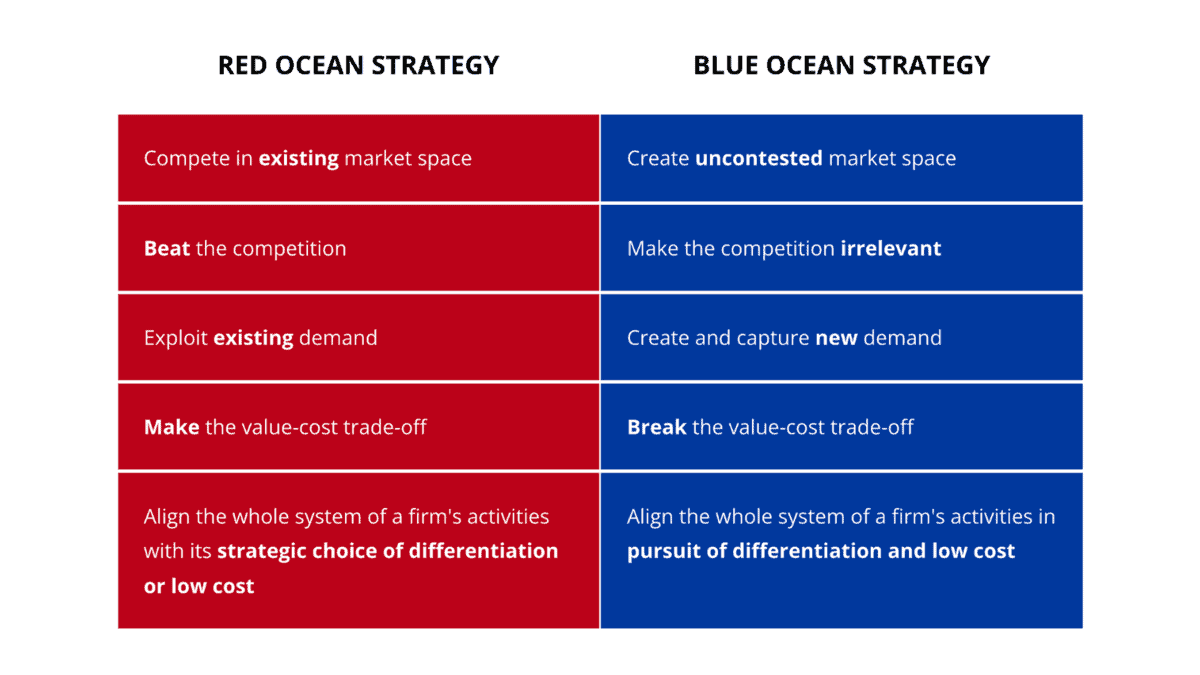
Why Small Niches Often Grow Into Large Markets
Many major industries began as niches:
- athletic footwear for runners
- ergonomic office equipment
- smart home automation
- plant-based nutrition
Early specialization allows brands to build credibility before expansion.
Starting narrow often enables broader growth later.
Operational Advantages of Niche Markets
Low-competition niches simplify operations:
- clearer product roadmap
- focused marketing messaging
- predictable audience behavior
- reduced inventory complexity
Focus increases efficiency.
Long-Term Sustainability Over Short-Term Virality
Virality attracts attention but rarely guarantees stability.
Niche brands thrive through:
- repeat customers
- community engagement
- product iteration
- trust accumulation
Consistency outperforms sudden spikes.
The Role of Customer Feedback in Niche Expansion
Once established, customer feedback becomes the primary innovation engine.
Listen for adjacent problems customers mention.
Expansion should follow customer evolution rather than trend chasing.
Building Emotional Loyalty Within a Niche
Customers remain loyal when brands:
- understand daily challenges
- communicate authentically
- improve solutions continuously
- prioritize usability
Emotional loyalty reduces reliance on aggressive promotion.
The Future Belongs to Specialists
As digital commerce matures, generalist stores face increasing difficulty standing out.
Consumers increasingly prefer brands that feel focused and knowledgeable.
Specialization signals expertise.
Niches transform businesses from sellers into problem-solvers.
Final Thoughts: Escaping the Red Ocean Through Precision
Finding a low-competition, high-value niche is not about discovering hidden markets no one else sees. It is about observing customers more carefully than competitors do.
Opportunities appear where:
- problems remain partially solved
- audiences feel underserved
- large brands overlook specificity
- emotional needs intersect with functional gaps
Instead of asking, “What products are popular right now?” ask a better question:
“Which customers still feel misunderstood?”
The answer to that question often leads away from crowded red oceans and toward sustainable, profitable territory—where differentiation replaces competition and value replaces price wars.
In the long run, success belongs not to the biggest brands, but to the most precise ones.