














 En
En
 8 min read
The global e-commerce landscape is entering a new phase in 2026. Independent online stores — often called direct-to-consumer or brand-owned stores — are no longer competing only on price or traffic. Instead, success increasingly depends on choosing the right product categories at the right moment in market evolution.
Consumer expectations, technology adoption, supply chain transformation, and generational lifestyle shifts are reshaping what sells — and why. Entire categories that were once niche are now entering rapid expansion cycles, while some formerly dominant segments are slowing or fragmenting.
This white paper provides a deep, data-informed analysis of the product categories showing strong breakout momentum in 2026, the forces driving their growth, and how independent brands can position themselves for long-term success.
Part 1: The New Logic Behind Product Selection in 2026
From “Hot Products” to Structural Demand
In earlier e-commerce eras, product selection often relied on short-term trends or viral hits. In 2026, that approach is increasingly risky.
Retail analysts highlight several structural shifts reshaping commerce:
- Consumers demand personalization and relevance.
- AI-driven shopping experiences are becoming standard.
- Value-conscious purchasing coexists with premium upgrades.
- Direct-to-consumer channels continue expanding rapidly.
Rather than chasing temporary hype, successful independent stores now align with macro consumer behaviors.
Five Macro Forces Driving Product Growth
Across multiple industry outlooks, five forces consistently appear:
1. AI-Driven Commerce
Conversational shopping and intelligent recommendations are transforming discovery and purchase behavior. Nearly half of consumers expect brands to integrate AI-enhanced experiences.
2. Value + Premium Dual Consumption
Consumers simultaneously seek affordability and meaningful upgrades, with many “trading up” for products perceived as higher quality or purpose-driven.
3. Wellness and Functional Living
Health, comfort, and daily optimization products are expanding across industries.
4. Identity and Personal Expression
Younger consumers increasingly buy products that reflect individuality rather than mass trends.
5. Direct Brand Relationships
Direct-to-consumer channels may represent up to half of brand revenue within a few years.
These forces define which categories are entering high-growth phases.
Part 2: The 2026 Product Growth Lifecycle Model
Understanding timing matters more than category selection alone.
Products typically move through five stages:
- Innovation Phase
- Early Adoption
- Acceleration
- Saturation
- Commoditization
The biggest opportunities lie in early acceleration, where demand rises faster than competition.
The categories below largely fall into this stage.
Part 3: Explosive Growth Categories for Independent Stores in 2026
Category 1: Smart Wellness & Functional Lifestyle Products
Why It’s Growing
Consumers increasingly view everyday items as tools for improving physical and mental well-being.
Industry forecasts highlight strong expansion across wellness-driven consumer goods and personal care innovation.
High-Momentum Subcategories
- Sleep optimization products
- posture and ergonomic accessories
- stress-relief devices
- hydration and recovery tools
- home wellness equipment
Health is no longer episodic — it’s integrated into daily routines.
Independent brands benefit because niche positioning builds trust faster than mass retailers.
Category 2: Home Comfort and Outdoor Living
Home-centered lifestyles remain strong even after pandemic-era shifts.
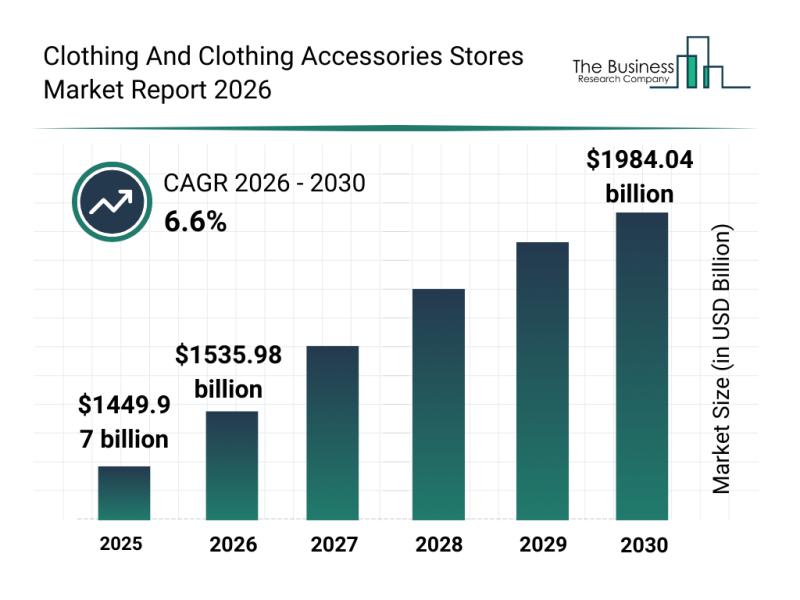
Furniture and garden-related retail categories experienced renewed growth recently, signaling continued momentum into 2026.
Fast-Rising Segments
- outdoor patio solutions
- mosquito control devices
- smart lighting
- compact home upgrades
- balcony and small-space décor
Consumers increasingly invest in environments that enhance everyday living rather than occasional luxury purchases.
Category 3: Personalization and Custom Products
Mass production is losing emotional appeal.
Consumers want products tailored to:
- identity
- lifestyle
- body needs
- aesthetic preferences
Advances in digital manufacturing and print-on-demand platforms enable independent brands to offer customization at scale.
High-Potential Niches
- custom eyewear
- personalized apparel
- made-to-order accessories
- modular home décor
Customization creates natural differentiation and higher perceived value.
Category 4: Functional Beauty and Hybrid Personal Care
Beauty is evolving from appearance-focused to performance-focused.
Reports show rising demand for products combining skincare benefits with cosmetics and self-expression trends.
Growth Drivers
- multifunctional formulas
- skin-friendly materials
- science-backed ingredients
- at-home beauty solutions
Independent brands excel by targeting specific skin types or lifestyles ignored by large corporations.
Category 5: Sustainable Everyday Products
Sustainability has matured from marketing language into purchasing criteria.
Consumers increasingly evaluate:
- durability
- recyclability
- ethical sourcing
- reduced waste
Retail outlooks emphasize long-term adoption of sustainability practices across product development and logistics.
Rapidly Growing Areas
- reusable household goods
- refillable systems
- eco-friendly packaging
- long-life accessories
Products that replace disposable alternatives see repeat purchase advantages.
Category 6: Functional Food and Beverage Adjacent Products
Health-oriented consumption is expanding rapidly.
Industry analysts highlight growth in functional beverages and nutrition-driven products.
For independent stores, opportunities often lie around food rather than food itself:
- drink preparation tools
- hydration accessories
- portable nutrition containers
- lifestyle wellness gear
These products avoid regulatory complexity while benefiting from wellness trends.
Category 7: Creator Economy and Hobby Expansion Products
Retailers are expanding creative and DIY ecosystems as consumers seek meaningful hobbies and self-expression.
Growth Subcategories
- crafting tools
- creative kits
- home studio accessories
- hobby starter bundles
The rise of short-form video platforms fuels hobby discovery and product demand.
Category 8: Premium Everyday Upgrades (“Small Luxury”)
Economic uncertainty does not eliminate spending — it redirects it.
Consumers increasingly purchase affordable premium items that improve daily experience.
Examples include:
- ergonomic tools
- aesthetic storage solutions
- upgraded basics
- design-focused utilities
Luxury fashion investment is recovering gradually, reflecting renewed interest in premium experiences.
Part 4: Categories Losing Momentum
Understanding decline is equally important.
Saturating Segments
- generic dropshipping gadgets
- unbranded electronics accessories
- novelty impulse items
- copycat viral products
As marketplaces mature, differentiation becomes mandatory.
Part 5: The Rise of the “Problem-Solving Product”
The fastest-growing independent stores increasingly share one trait:
They sell solutions, not items.
Winning products typically:
- remove friction from daily life
- improve comfort or efficiency
- support identity expression
- deliver measurable benefit
AI-driven commerce further amplifies products with clear intent matching.
Part 6: Product Selection Framework for 2026
Before choosing a category, evaluate products across five dimensions:
1. Longevity
Will demand exist in three years?
2. Emotional Value
Does it create attachment or identity?
3. Differentiation Potential
Can branding meaningfully improve perception?
4. Supply Chain Stability
Can fulfillment scale reliably?
5. Content Compatibility
Is the product easy to demonstrate visually?
Products scoring high across these areas tend to scale sustainably.
Part 7: The Role of Technology in Future Product Success
Technology increasingly influences product viability.
Key developments include:
- AI-assisted discovery
- conversational commerce
- retail media ecosystems
- unified commerce infrastructure
Products that integrate smoothly into digital storytelling environments gain disproportionate visibility.
Part 8: Strategic Predictions for Independent Stores (2026–2028)
Based on retail and consumer outlook reports, several predictions emerge:
- Niche brands will outperform broad stores.
- Functional benefits will outweigh novelty.
- Customization becomes baseline expectation.
- Brand trust replaces price competition.
- Community-driven growth accelerates adoption.
Retail executives overwhelmingly expect continued industry revenue growth despite economic pressure.
Part 9: The New Independent Store Advantage
Large retailers optimize scale.
Independent stores optimize meaning.
Their advantages include:
- faster trend adoption
- tighter audience targeting
- authentic storytelling
- flexible product iteration
In an era of algorithm-driven discovery, authenticity becomes a competitive asset.
Final Thoughts
The product opportunities of 2026 are not defined by randomness or viral luck. They emerge from deep shifts in how consumers live, shop, and define value.
The categories entering explosive growth share common characteristics:
- They improve everyday life.
- They align with identity and wellness.
- They offer personalization or emotional connection.
- They benefit from long-term societal change rather than short-term hype.
Independent stores that recognize these structural signals early can position themselves ahead of saturation cycles and build brands with lasting relevance.
The future of e-commerce belongs not to those who sell the most products — but to those who understand why people buy in the first place