En
En
 8 min read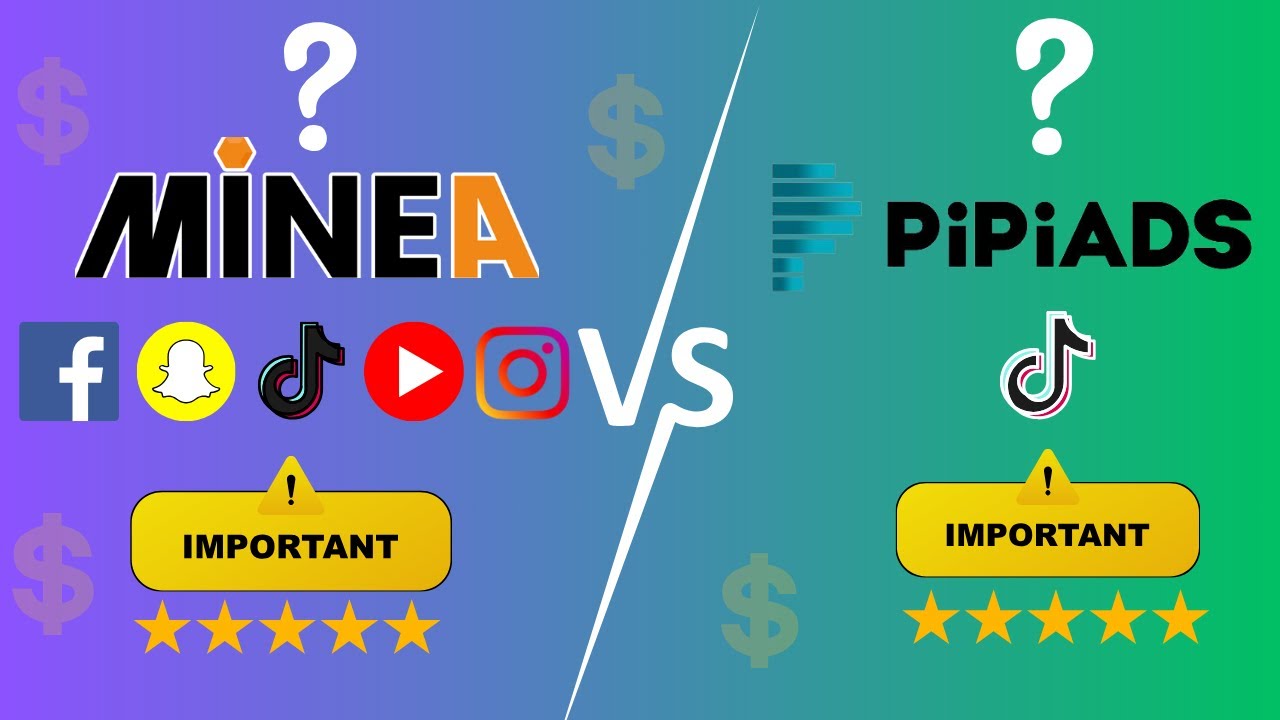
The rise of short-form video has completely transformed how products go viral. Platforms like TikTok-style commerce, visual storytelling, and algorithm-driven advertising have created a new generation of winning products — and a new demand for powerful product research tools.
For dropshippers, eCommerce entrepreneurs, and digital marketers, the real question is no longer whether to use a product research tool, but which one delivers better results.
Two major contenders dominate the conversation:
-
Minea — known for multi-platform ad intelligence
-
Pipiads — famous for short-video ad tracking
Both claim to help sellers discover winning products faster. Both promise data-driven decisions. Both have loyal user bases.
But which platform actually performs better in today’s short-video-driven market?
This in-depth comparison explores:
-
Core features and data capabilities
-
Ad tracking accuracy
-
Platform coverage
-
Product discovery performance
-
User experience
-
Pricing value
-
Best use cases for each tool
By the end, you’ll know which solution best fits your business model.
Why Product Research Tools Matter More Than Ever
Before comparing the platforms, it’s important to understand why product research has become critical.
Short-video commerce moves extremely fast:
-
Trends emerge in days
-
Viral products peak quickly
-
Competition scales rapidly
-
Ad creatives constantly evolve
Without reliable data, sellers risk:
-
Choosing saturated products
-
Missing early trends
-
Wasting advertising budget
-
Launching at the wrong time
Modern research tools solve this by analyzing:
-
Advertising activity
-
Engagement metrics
-
Creative performance
-
Market demand signals
But not all tools interpret these signals equally.
Overview of Minea
Minea is a comprehensive ad intelligence platform designed for cross-platform product discovery.
Core Focus
Minea specializes in:
-
Multi-channel ad tracking
-
Broad product discovery
-
Competitor monitoring
-
Creative analysis
It emphasizes wide market visibility rather than single-platform depth.
Key Features
Multi-Platform Ad Search
Minea tracks advertising across multiple channels, allowing users to:
-
Discover trending products
-
Monitor competitors
-
Identify scaling strategies
This broad coverage provides a big-picture view of market activity.
Advanced Filtering System
Users can filter ads by:
-
Engagement level
-
Platform
-
E-commerce platform usage
-
Product niche
-
Language and region
This makes targeted research efficient.
Creative Analysis Tools
Minea allows users to analyze:
-
Ad visuals
-
Copywriting patterns
-
Engagement signals
-
Creative trends
This helps optimize marketing strategy.
Store Tracking
Users can observe competitor stores to:
-
Analyze product positioning
-
Identify winning offers
-
Monitor pricing strategies
Overview of Pipiads
Pipiads focuses heavily on short-video advertising intelligence, particularly for fast-moving social platforms.
Core Focus
Pipiads specializes in:
-
Short-video ad tracking
-
Viral product detection
-
TikTok-style commerce analysis
-
Creative trend monitoring
It prioritizes depth within short-form video ecosystems.
Key Features
Massive Short-Video Ad Database
Pipiads is known for its extensive library of video ads.
Users can:
-
Search viral creatives
-
Analyze video structure
-
Study high-performing campaigns
This helps sellers understand what drives engagement.
Viral Product Discovery
The platform highlights:
-
Fast-growing products
-
Trending niches
-
High-engagement items
This makes it popular among dropshippers focused on rapid scaling.
Creative Inspiration Engine
Pipiads emphasizes:
-
Hook analysis
-
Video structure breakdown
-
Engagement indicators
It helps marketers replicate successful creative patterns.
Landing Page Tracking
Users can review product pages connected to winning ads.
Data Coverage: Breadth vs Depth
One of the biggest differences between the two platforms lies in data scope.
Minea — Broader Market Visibility
Strengths:
-
Multiple ad platforms
-
Wider industry coverage
-
Cross-channel trend discovery
-
Long-term market insights
Ideal for businesses wanting a comprehensive view of eCommerce trends.
Pipiads — Deep Short-Video Focus
Strengths:
-
Extensive video ad tracking
-
Fast trend detection
-
Short-video creative insights
-
Rapid product discovery
Best for sellers prioritizing short-video commerce.
Product Discovery Performance
The ultimate purpose of any research tool is discovering profitable products.
Minea’s Product Discovery Approach
Minea identifies products through:
-
Ad frequency
-
Cross-platform activity
-
Market saturation signals
-
Engagement patterns
This approach favors:
-
Stability
-
Long-term viability
-
Market validation
It reduces risk but may detect trends slightly later.
Pipiads’ Product Discovery Approach
Pipiads focuses on:
-
Rapid growth signals
-
Viral engagement spikes
-
Creative performance trends
This approach prioritizes:
-
Speed
-
Early trend entry
-
Short lifecycle products
It’s ideal for aggressive scaling strategies.
Accuracy of Advertising Data
Reliable data is critical for decision-making.
Minea
Strengths:
-
Structured filtering
-
Cross-platform validation
-
Detailed search controls
This supports strategic analysis.
Pipiads
Strengths:
-
Massive video database
-
Real-time trend monitoring
-
Strong engagement indicators
However, high-speed trends may include short-lived products.

Ease of Use and Interface Experience
User experience directly affects research efficiency.
Minea User Experience
-
Clean interface
-
Structured navigation
-
Advanced filters
-
Data-heavy dashboard
Better suited for analytical users.
Pipiads User Experience
-
Visual-first interface
-
Video-centered browsing
-
Simple search flow
-
Fast discovery process
More intuitive for beginners.
Creative Strategy Support
Winning products require strong marketing creatives.
Minea for Creative Strategy
Supports:
-
Competitor ad analysis
-
Copywriting insights
-
Market positioning study
Good for strategic brand building.
Pipiads for Creative Strategy
Excels at:
-
Hook inspiration
-
Video storytelling analysis
-
Viral creative patterns
Better for performance marketers.
Speed of Trend Detection
In fast markets, timing matters.
-
Minea: More stable trend detection
-
Pipiads: Faster viral signal detection
Your business model determines which matters more.
Pricing and Value Comparison
Pricing models change frequently, but general positioning differs.
Minea
-
Premium pricing
-
Comprehensive data access
-
Higher cost for advanced features
Best for serious long-term businesses.
Pipiads
-
Generally more accessible pricing
-
Focused feature set
-
Good entry point for beginners
More budget-friendly.
Which Tool Is Better for Beginners?
Beginners often prioritize:
-
Ease of use
-
Quick results
-
Clear insights
Pipiads typically provides a smoother learning curve due to its visual approach and straightforward trend discovery.
Which Tool Is Better for Scaling Brands?
Established sellers need:
-
Market depth
-
Strategic insights
-
Competitive intelligence
Minea’s cross-platform analysis better supports scaling operations.
Dropshipping Use Case Comparison
For Fast Product Testing
Pipiads excels because it:
-
Detects trends early
-
Highlights viral products
-
Supports rapid launch cycles
For Long-Term Brand Building
Minea offers:
-
Market validation
-
Competitive intelligence
-
Broader data coverage
Better for sustainable business growth.

Short-Video Commerce: Why It Changes Everything
The short-video ecosystem prioritizes:
-
Visual storytelling
-
Emotional engagement
-
Instant decision-making
Traditional research methods struggle to capture these signals.
Tools that analyze video engagement provide competitive advantage.
Strengths and Weaknesses Summary
Minea Strengths
-
Cross-platform coverage
-
Deep analytics
-
Strategic insights
-
Long-term trend tracking
Limitations
-
Higher cost
-
Steeper learning curve
-
Slower early trend detection
Pipiads Strengths
-
Short-video expertise
-
Fast trend discovery
-
Beginner-friendly interface
-
Strong creative inspiration
Limitations
-
Narrower platform scope
-
Less strategic depth
-
More short-lived trends
Choosing Based on Business Strategy
Your ideal tool depends on your goals.
Choose based on:
-
Speed vs stability
-
Short-term profit vs long-term brand
-
Budget vs feature depth
-
Creative focus vs market analysis
Hybrid Strategy: Using Both Tools
Some advanced sellers combine both platforms:
-
Use Pipiads for early trend discovery
-
Use Minea for validation and scaling
This approach maximizes insight but increases cost.
Future of Product Research Tools
The industry is moving toward:
-
AI-driven trend prediction
-
Real-time consumer behavior tracking
-
Creative performance modeling
-
Cross-platform data integration
Product research tools will become more predictive and automated.
Common Misconceptions About Product Research Platforms
“The tool guarantees winning products.”
Tools provide data, not certainty.
“More data always means better results.”
Actionable insight matters more than volume.
“One tool fits all business models.”
Different strategies require different tools.
How to Choose the Right Tool for Your Workflow
Ask yourself:
-
Do I prioritize speed or stability?
-
Am I testing many products quickly?
-
Am I building a long-term brand?
-
Do I rely heavily on video marketing?
-
What is my research budget?
Your answers reveal the best fit.
Final Verdict: Who Is the Real Product Research Champion?
There is no universal winner.
-
Minea dominates in cross-platform intelligence and strategic insight.
-
Pipiads leads in short-video trend discovery and creative inspiration.
If your business revolves around fast-moving short-video commerce, Pipiads may provide faster results.
If you want comprehensive market intelligence and long-term strategy support, Minea offers greater depth.
The true “king” of product research depends on your business model, risk tolerance, and growth strategy.
In the short-video era, success doesn’t come from choosing the most popular tool — it comes from choosing the right tool for how you compete.