En
En
 7 min read
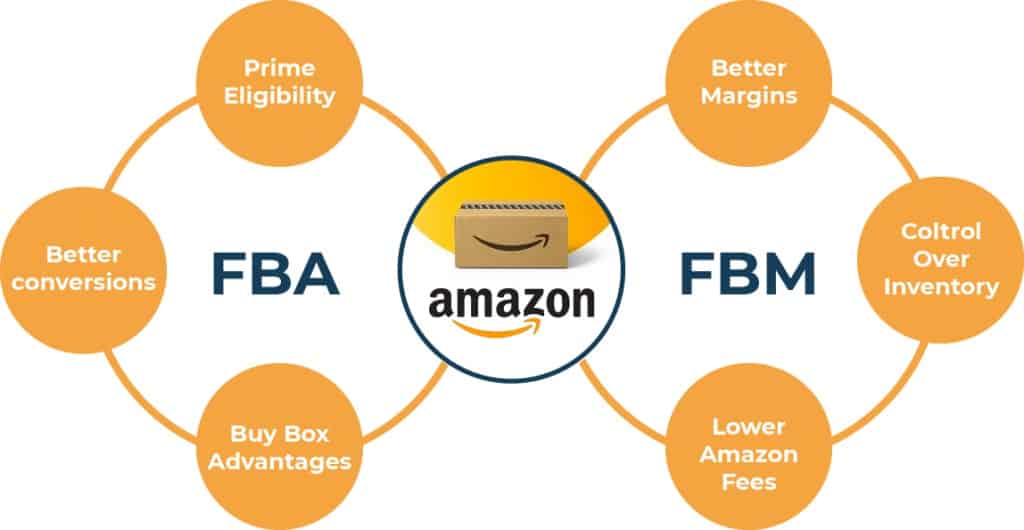
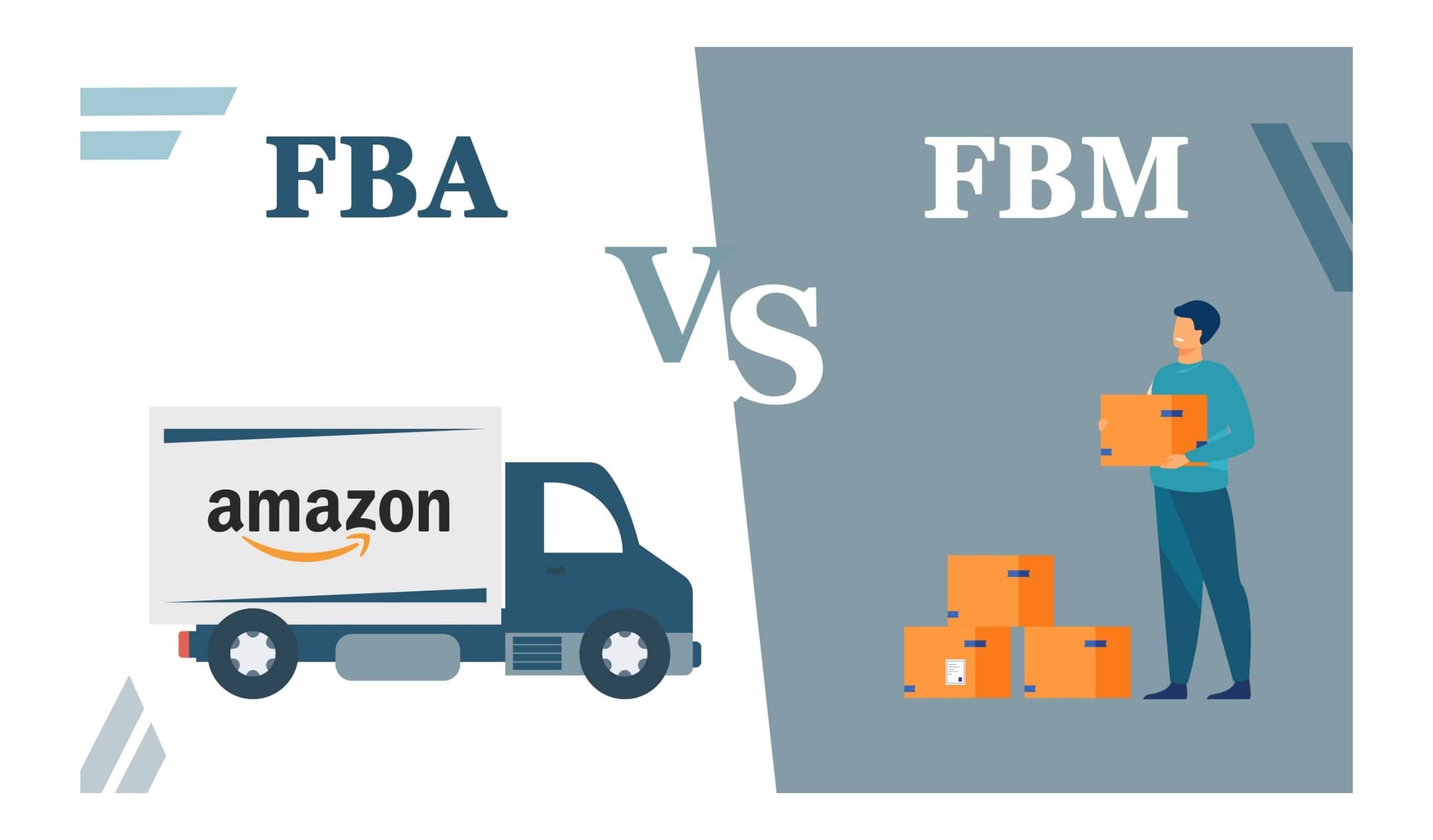
For many Amazon sellers, FBM feels like a double-edged sword.
On one hand, you gain:
-
More control over inventory
-
Lower long-term storage risk
-
Flexibility in sourcing and fulfillment
-
Less dependency on Amazon’s ever-changing FBA fees
On the other hand, FBM only works if your product selection is right.
If you compete head-on with FBA sellers on fast-moving, low-margin items, FBM becomes painful. But when you choose the right products, FBM can quietly become one of the most profitable models on Amazon.
This guide breaks down three advanced product research “black-tech” strategies—not surface-level tips—that experienced FBM sellers use to lock in high margins, low competition, and stable demand.
1. Why Product Selection Matters More for FBM Than FBA
Before diving into tactics, let’s address a core truth.
1.1 FBM Is Not FBA with a Different Fulfillment Method
FBM sellers operate under different realities:
-
Shipping speed matters more
-
Price wars hurt more
-
Operational efficiency determines survival
-
Margins must be healthier to absorb logistics costs
That means:
FBM success starts with smarter product selection—not better ads.
1.2 The FBM Sweet Spot
The ideal FBM product usually has:
-
Moderate but consistent demand
-
Higher average selling price
-
Low fragility and manageable size
-
Fewer FBA-heavy competitors
-
Clear differentiation potential
Finding these products requires thinking differently than most sellers.
2. “Black Tech” #1: Mining FBM-Only Demand Gaps with Delivery-Time Filtering
2.1 The Hidden Opportunity Most Sellers Ignore
Most sellers look at:
-
Total sales volume
-
Keyword search numbers
-
Top-ranking listings
But they ignore one crucial factor:
Delivery expectations vs. actual delivery options.
Many categories have customers who are:
-
Willing to wait longer
-
Prioritizing customization, bundles, or quality
-
Less price-sensitive than FBA shoppers
This is where FBM shines.
2.2 How to Identify FBM-Friendly Niches
When browsing Amazon search results:
-
Filter by delivery date
-
Observe how many listings promise “Tomorrow” or “2-Day”
-
Look for gaps where delivery is 5–10 days or longer
If:
-
Products still sell well despite longer delivery times
-
Customers leave reviews without complaining about shipping
You’ve likely found FBM-tolerant demand.
2.3 Why This Works
Customers in these niches:
-
Care more about what they’re buying than how fast
-
Are often shopping for specific use cases
-
Are less affected by FBA’s speed advantage
These products:
-
Face less FBA domination
-
Allow healthier margins
-
Reduce race-to-the-bottom pricing
This is a quiet but powerful edge.
3. “Black Tech” #2: Reverse-Engineering Negative Reviews to Find Profit Gaps
3.1 Most Sellers Read Reviews the Wrong Way
The average seller:
-
Skims 5-star reviews for validation
-
Avoids negative reviews altogether
Smart FBM sellers do the opposite.
They treat 1–3 star reviews as product blueprints.
3.2 How to Extract Product Opportunities from Complaints
When analyzing reviews:
-
Sort by lowest rating
-
Look for repeated complaints
-
Focus on functional or logistical issues
Common examples:
-
“Great product, but packaging was poor”
-
“Works well, but instructions are confusing”
-
“Wish it came with accessories”
-
“Quality is fine, but it feels overpriced for what you get”
Each complaint represents:
An unmet expectation—and a product opportunity.
3.3 Why FBM Sellers Can Exploit These Gaps Better
FBM sellers have advantages:
-
Flexible bundling
-
Custom packaging
-
Easier insertion of manuals or extras
-
Better control over quality checks
You’re not competing on speed—you’re competing on completeness and experience.
3.4 Turning Complaints into High-Margin Products
Examples:
-
Add missing accessories and raise price
-
Improve packaging and branding
-
Simplify usage and clarify instructions
-
Target a specific sub-audience
You’re not inventing demand—you’re refining it.
4. “Black Tech” #3: Using Price Elasticity to Escape FBA Price Wars
4.1 Why Price Elasticity Matters More Than Volume
Many sellers chase:
-
High search volume
-
Fast-moving products
FBM sellers should chase:
Price flexibility.
If a product can sell across a wide price range, it’s far more forgiving for FBM.
4.2 How to Test Price Elasticity Quickly
Look at a category and observe:
-
Lowest-priced listings
-
Mid-range listings
-
Premium listings
If all sellers cluster within a narrow price band:
-
Price wars are likely
-
Margins are fragile
If prices vary widely:
-
Customers value differentiation
-
Competition is more fragmented
-
FBM sellers have room to breathe
4.3 The FBM Advantage in Elastic Niches
Elastic niches often involve:
-
Personal preference
-
Usage scenarios
-
Aesthetic or functional variations
Examples include:
-
Home organization
-
Pet supplies
-
Niche tools
-
Specialty accessories
In these niches:
-
Speed matters less
-
Storytelling matters more
-
FBM sellers can justify higher prices
5. Combining the Three “Black Tech” Methods
The real power comes from stacking these strategies.
A High-Potential FBM Product Usually:
-
Tolerates slower delivery
-
Has clear review-based improvement gaps
-
Supports multiple price points
When all three align, you’ve found a high-margin, low-competition opportunity.
6. What to Avoid as an FBM Seller (Even If Data Looks Good)
6.1 Commoditized Products
If:
-
Everyone sells the same thing
-
Only price differentiates listings
FBM will struggle.
6.2 Ultra-Low ASP Items
Low-priced products:
-
Can’t offer margin buffers
-
Amplify shipping cost pressure
-
Increase operational stress
FBM thrives on value, not volume.
6.3 FBA-Dominated “Prime-Only” Niches
If customers expect:
-
Same-day or next-day delivery
-
Ultra-fast fulfillment
FBM becomes an uphill battle.
7. Metrics That Matter More for FBM Product Research
Instead of obsessing over:
-
Search volume alone
-
Best Seller Rank only
Pay attention to:
-
Average selling price stability
-
Review sentiment patterns
-
Listing differentiation
-
Shipping tolerance signals
FBM success is about quality of demand, not raw traffic.
8. The Mindset Shift Most Sellers Need
FBM isn’t a fallback model.
It’s a strategic model for sellers who:
-
Think in systems
-
Value margin over ego metrics
-
Optimize operations intelligently
When done right, FBM can be:
-
More resilient
-
More predictable
-
More scalable than it appears
9. Case Pattern: Quiet Winners on Amazon
Many long-term FBM sellers:
-
Don’t rank #1
-
Don’t chase trending keywords
-
Don’t fight price wars
Instead, they:
-
Own specific micro-niches
-
Control product experience
-
Earn steady, healthy profits
They’re invisible to beginners—but very real.
10. Final Checklist: Is This an FBM-Worthy Product?
Ask yourself:
-
Can I add real value beyond price?
-
Is speed less important than fit or function?
-
Can I maintain margin after shipping?
-
Is competition fragmented or centralized?
If the answer is “yes” more than once—you’re on the right path.
Conclusion: FBM Rewards Smart Selection, Not Brute Force
Amazon FBM isn’t about doing more.
It’s about doing fewer things better.
By using:
-
Delivery-time demand gaps
-
Review-driven product refinement
-
Price elasticity analysis
You stop guessing—and start selecting with intent.
High profit.
Low competition.
Sustainable growth.
That’s not luck.
That’s strategy.