En
En
 12 min read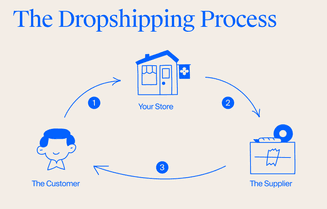
In the fast-paced world of global eCommerce, one business model has opened the door for countless individuals to start their own ventures without the traditional barriers of entry — dropshipping. It’s lean, scalable, and perfect for those who want to turn their spare time into profit.
But what happens when a “side hustle” grows beyond your expectations? When your small after-work project starts generating serious income and demands your full attention?
This article dives deep into the entrepreneurial journey of transitioning from part-time to full-time dropshipping, exploring the mindset, challenges, financial strategies, and operational changes required to succeed. Whether you’re just starting or scaling up, you’ll find practical lessons and real insights here.
1. The Modern Appeal of Dropshipping
Dropshipping has become synonymous with modern online entrepreneurship. It allows anyone with internet access, creativity, and persistence to build a brand without holding inventory.
1.1 How Dropshipping Works
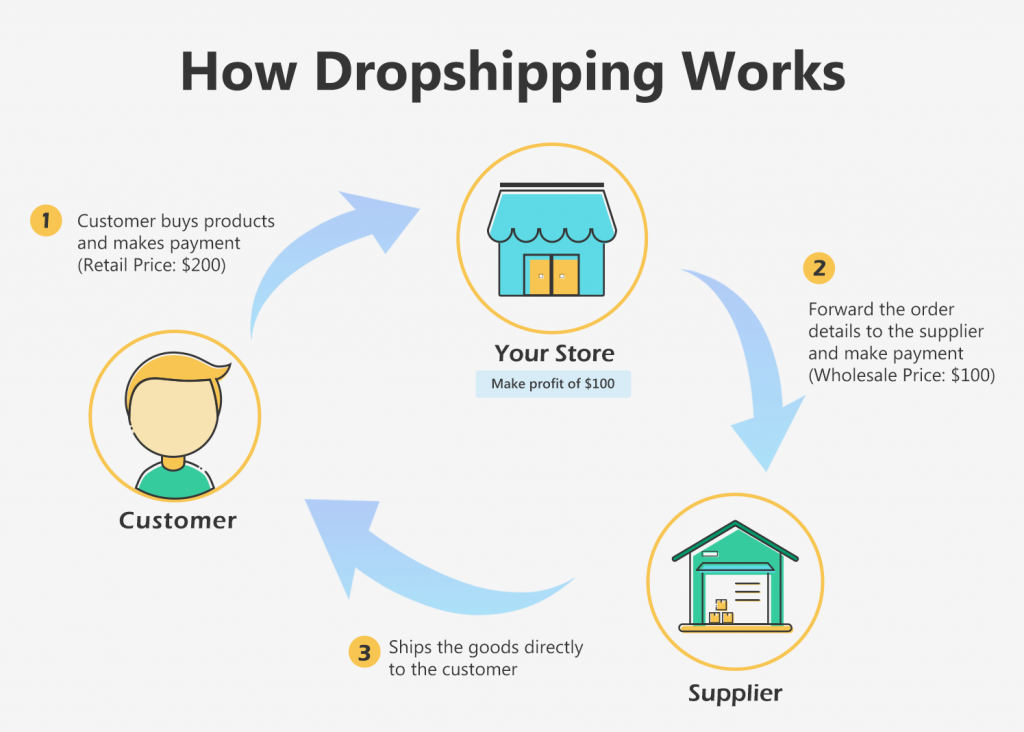
The model is simple yet powerful:
-
You set up an online store and list products from suppliers.
-
When a customer places an order, you purchase the product directly from the supplier.
-
The supplier ships it to your customer — you never handle the product yourself.
This means:
-
Low startup costs (no inventory needed).
-
Minimal risk (you only pay for items after you sell them).
-
Flexibility (work from anywhere, anytime).
For many people, this starts as a side hustle — a way to earn extra income while keeping their day job. But for others, it becomes the first step toward full-time entrepreneurship.
2. The Side Hustle Stage: Building the Foundation
Before you can think about quitting your job, you must learn the fundamentals. The early phase is all about testing, learning, and persistence.
2.1 Finding Time and Motivation
Most part-time dropshippers start with limited time — evenings, weekends, or lunch breaks. The key is to treat your business seriously, even if you only work on it a few hours a day.
That means:
-
Setting clear goals (e.g., launch the first store in 30 days).
-
Creating a realistic work schedule.
-
Using automation tools to save time.
2.2 Choosing the Right Niche
Niche selection can make or break your store. During the early phase, focus on:
-
Passion alignment — you’ll stay motivated longer if you like the products.
-
Market demand — use tools like Google Trends, AliExpress, and TikTok Shop to identify hot-selling items.
-
Competition — avoid overly saturated niches unless you have a unique brand angle.
For example, instead of selling generic “home décor,” focus on “eco-friendly wooden lighting” or “pet-safe aromatherapy products.”
2.3 Testing Products and Ads
The beauty of dropshipping is experimentation. In the beginning:
-
Test multiple products with small ad budgets.
-
Measure conversion rates, click-throughs, and profit margins.
-
Cut what doesn’t sell and double down on what works.
You’re not just selling products — you’re learning how to market, price, and communicate value.
3. Scaling Up: When a Side Hustle Becomes Serious
At some point, the orders start coming in faster than you expected. You’re making consistent sales, customer messages fill your inbox, and you start thinking — could this be my full-time career?
3.1 Recognizing the Turning Point
Common signs that your side hustle is ready to scale:
-
Your monthly profit equals or exceeds your full-time salary.
-
You consistently generate 20–30 sales per day.
-
Customer support and order management take more than two hours daily.
-
You feel your day job limits your ability to grow the business.
That’s when it’s time to think strategically about the next step — transitioning to full-time entrepreneurship.
3.2 Building Systems Before Quitting
Before you take the leap, prepare your business to run smoothly. Create repeatable systems for:
-
Order fulfillment (using automated tools or trusted agents).
-
Customer service (templates, FAQs, chatbots).
-
Accounting and inventory tracking.
-
Ad optimization and budget control.
Document your workflow — this helps you delegate or hire help later.
4. Financial Planning: The Key to a Smooth Transition
Going full-time too early can be risky. Financial discipline ensures your leap is sustainable, not impulsive.
4.1 Calculate Your Safety Net
Experts recommend saving at least 6–12 months of living expenses before quitting your job. This gives you security and flexibility to reinvest profits back into your business.
4.2 Track and Analyze Profit Margins
Many new entrepreneurs confuse revenue with profit. You must calculate:
Net Profit = Revenue – (Product Cost + Advertising + Transaction Fees + Apps + Refunds)
A healthy dropshipping business should maintain 20–30% profit margins after expenses.
4.3 Reinvest Wisely
Instead of cashing out early, reinvest profits into:
-
Ad scaling (Facebook, Google, TikTok).
-
Website improvement (speed, design, UX).
-
Private labeling or custom packaging for brand identity.
Every reinvestment strengthens your business’s long-term sustainability.
5. The Mental Shift: From Employee to Entrepreneur
Quitting your stable job can be exciting — and terrifying. The emotional transition is just as important as the financial one.
5.1 Embracing Risk and Responsibility
As an employee, your schedule and paycheck are predictable. As a full-time entrepreneur, you own the outcome.
That means:
-
Your income depends entirely on performance.
-
You must manage your time with discipline.
-
Decision-making is constant — and sometimes stressful.
But this freedom also gives you full control over your destiny.
5.2 Building an Entrepreneurial Mindset
Successful full-time dropshippers share common traits:
-
Resilience — they bounce back from ad failures or supplier issues.
-
Adaptability — they pivot when trends shift.
-
Continuous learning — they never stop testing and improving.
Every challenge becomes a lesson — every failure, a new iteration.
6. Scaling Operations Like a Pro
Once you go full-time, your focus shifts from learning to systematic scaling.
6.1 Streamline Fulfillment
As orders grow, manual order processing becomes unsustainable. Options include:
-
Using fulfillment software (like DSers, Zendrop, or AutoDS).
-
Partnering with a sourcing agent who manages stock and packaging.
-
Upgrading to bulk fulfillment for faster delivery.
6.2 Strengthen Supplier Relationships
Reliable suppliers are the backbone of your success. Build long-term partnerships with those who offer:
-
Consistent product quality.
-
Fast shipping times.
-
Real-time tracking and communication.
Having one or two backup suppliers protects you from sudden disruptions.
6.3 Create a Brand Experience
To stand out from competitors, shift from generic products to brand-focused experiences:
-
Design a unique logo, color scheme, and packaging.
-
Build social proof through customer reviews and influencer collaborations.
-
Offer post-purchase follow-ups to enhance loyalty.
Customers who trust your brand will pay higher prices — and keep coming back.
7. Marketing Mastery: The Engine of Growth
No matter how great your products are, your marketing strategy defines your results.
7.1 Master Paid Advertising
Dropshipping success often relies on social media ads. Platforms like Facebook, Instagram, and TikTok allow precise targeting based on behavior and interests.
-
Start small (e.g., $20/day test campaigns).
-
Analyze results daily.
-
Scale winning ads gradually.
Experiment with creative formats — videos, unboxing clips, user testimonials — to capture attention fast.
7.2 Build Organic Traffic Channels
Paid ads bring customers quickly, but organic growth builds stability. Focus on:
-
SEO optimization — blog content, product descriptions, and meta tags.
-
Social media storytelling — post customer stories or behind-the-scenes clips.
-
Email marketing — send offers, restocks, and thank-you messages.
Over time, these channels lower your customer acquisition cost and build brand authority.
8. Overcoming Common Challenges
Even the best entrepreneurs face obstacles — it’s how you handle them that matters.
8.1 Unreliable Suppliers
Solution: always test sample orders and diversify sourcing. Use vetted platforms or agencies for reliability.
8.2 Shipping Delays
Communicate transparently with customers and offer tracking updates. Consider local warehouses or third-party logistics for popular items.
8.3 Ad Fatigue and Rising Costs
Rotate creatives, refresh copy, and test new audiences regularly. Don’t rely on one channel — diversify into TikTok or Pinterest when Facebook CPMs rise.
8.4 Burnout
Full-time entrepreneurship is demanding. Set clear working hours, take breaks, and celebrate milestones. Remember: your energy is your most valuable asset.
9. The Power of Community and Mentorship
No one builds a successful dropshipping business alone. Surround yourself with others who share your goals.
9.1 Join Entrepreneur Groups
Online communities (Reddit, Facebook Groups, Discord) are full of dropshippers sharing product trends, supplier reviews, and marketing tips.
Engage, ask questions, and give back — collaboration accelerates learning.
9.2 Learn from Mentors and Case Studies
Follow successful entrepreneurs on YouTube or podcasts. Study how they:
-
Identify profitable niches.
-
Structure ad campaigns.
-
Handle customer retention.
Their experience can save you months of trial and error.
10. Building for the Long Term: From Dropshipper to Brand Owner
Eventually, you’ll outgrow basic dropshipping. That’s the perfect moment to evolve into a real brand.
10.1 Private Labeling
Once a product proves consistent demand, invest in custom branding — your own logo, packaging, and domain. Private label products earn higher margins and customer trust.
10.2 Expanding Product Lines
Use customer feedback to launch complementary products. For example, if you sell LED desk lamps, expand into ergonomic office accessories or cable organizers.
10.3 Creating Repeat Customers
Retention is the foundation of sustainable income. Use loyalty programs, bundle offers, and personalized email campaigns to keep customers engaged.
10.4 Outsourcing and Automation
Hire virtual assistants for routine tasks — customer support, fulfillment, content updates. Automation tools handle inventory syncing, invoices, and abandoned cart emails.
This frees you to focus on strategy and innovation.
11. Real Stories: Entrepreneurs Who Made the Leap
Consider the story of Alex, a 27-year-old engineer who started selling phone accessories online.
Within six months, he was making $5,000/month in profit. By month nine, he quit his job, built a small team, and scaled his brand to six figures in annual revenue.
Or Maria, a stay-at-home mom who turned her interest in eco-friendly kitchenware into a thriving eCommerce store. She now manages three suppliers across Asia and earns more than her previous full-time job.
These aren’t isolated cases — they reflect a pattern of consistency, adaptability, and smart reinvestment.
12. The Emotional Rewards of Full-Time Entrepreneurship
Financial freedom is great, but the emotional rewards are even greater.
You’ll experience:
-
Pride — knowing you built something from scratch.
-
Flexibility — creating your own schedule.
-
Impact — serving customers around the world.
Yet, you’ll also face uncertainty and stress. Success means managing both sides — ambition and balance.
13. The Future of Dropshipping
Dropshipping continues to evolve, shaped by new platforms, technologies, and customer expectations.
13.1 Faster Global Logistics
Warehousing networks in the U.S., EU, and Asia now enable 5–10 day shipping for most items — eliminating one of the model’s biggest weaknesses.
13.2 AI and Automation
AI-powered tools handle ad targeting, product research, and customer support. Smart automation lets solo entrepreneurs operate like large teams.
13.3 Sustainable and Ethical Trends
Consumers increasingly value eco-friendly packaging, ethical sourcing, and transparency. Modern dropshippers who embrace these values will lead the next wave of growth.
14. Key Takeaways: The Growth Roadmap
| Stage | Focus | Key Actions |
|---|---|---|
| 1. Side Hustle | Learn basics | Pick niche, test ads, validate product |
| 2. Growth Phase | Build systems | Automate fulfillment, track profits |
| 3. Transition | Prepare financially | Save 6–12 months, build consistency |
| 4. Full-Time Stage | Scale operations | Hire help, strengthen brand |
| 5. Expansion | Go beyond dropshipping | Private label, diversify products |
Every phase requires a different mindset — but the same discipline and drive.
Conclusion: Your Journey Starts Now
The road from side hustle to full-time entrepreneurship is both challenging and deeply rewarding. Dropshipping offers a unique gateway — a low-risk path to learning, earning, and eventually achieving independence.
But success doesn’t happen overnight. It’s built through consistent effort, smart reinvestment, and continuous learning.
So whether you’re packaging your first order at midnight or reviewing monthly analytics before quitting your job — remember this: every full-time entrepreneur once started part-time.
Your story could be next.