















< Blogs

How to Choose a Fulfillment Partner for Your E-Commerce Business

Vivan Z.
Created on October 31, 2025 – Last updated on October 31, 20253 min read
Written by: Vivan Z.

How to Choose a Fulfillment Partner for Your E-Commerce Business

Choosing the right fulfillment partner is crucial for your e-commerce success. A great partner streamlines operations, enhances customer satisfaction, and supports business growth. Here’s a quick guide to help you find the perfect match.

Why It’s Important
A fulfillment partner manages logistics like warehousing, shipping, and inventory management. Choosing the wrong partner can lead to delays and lost customers, while the right one drives efficiency, reduces costs, and enhances your customer experience.

1. Understand the Types of Logistics Service Providers

  • 1PL: Direct logistics management between manufacturer and customer, ideal for smaller businesses.
  • 2PL: Asset-based carriers (e.g., shipping companies) handling transportation.
  • 3PL: Outsources parts of the supply chain, offering warehousing, distribution, and services like inventory management.
  • 4PL: Manages the entire supply chain with strategic and IT support for comprehensive logistics.
  1. What to Look for in a Fulfillment Partner


  • Services and Capabilities
    Look for partners that offer value-added services like kitting, assembly, and custom branding (e.g., packaging and marketing inserts).


  • Communication
    Frequent and transparent communication is crucial. Ensure your partner provides regular updates on inventory and order statuses to keep things running smoothly.

 

  • Scalability and Flexibility
    Your fulfillment partner must adapt to demand fluctuations, especially during peak seasons, without sacrificing service quality.


  • Technology Integration
    Ensure your partner’s systems (WMS, OMS) integrate seamlessly with your platform, enabling smooth operations and real-time data sharing.


  • References
    Ask for case studies or references to evaluate the partner’s reliability and effectiveness.


  1. The Payoff: Unpacking the Benefits of the Perfect Fulfillment Match
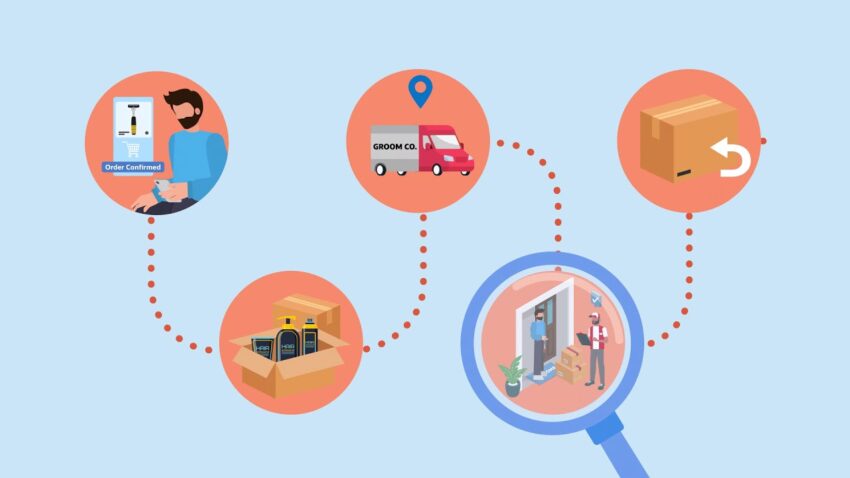
  • Cost Efficiency
    An ideal partner optimizes shipping costs, reduces transit times, and helps you cut shipping expenses while improving delivery times. This gives you a competitive edge.


  • Improved Operational Flexibility
    A reliable fulfillment partner can scale your operations as needed, ensuring you meet customer demand without compromising on service.


  • Enhanced Customer Satisfaction
    Timely and consistent deliveries build trust with customers and encourage repeat business.


  1. Access to Advanced Technology

The right fulfillment partner uses advanced technology to streamline operations:


  • Inventory Management Tools: Real-time tracking and accurate inventory management help avoid stockouts and overstocking.


  • Data Analytics: Insights that optimize your supply chain and reduce costs.


  • Automated Operations: Automation speeds up order processing and reduces errors.


  • Recommended Shipping Channels: Your partner can help identify the best shipping options based on cost, speed, and reliability.


  1. Risk Mitigation

An experienced fulfillment partner minimizes risks, including managing regulatory compliance, ensuring your business avoids legal complications.

  1. Market Expansion Opportunities

A partner with global reach helps expand your business internationally. With international logistics capabilities, your fulfillment partner supports your market growth beyond local borders.

Conclusion
Selecting the right fulfillment partner is essential for your business growth. At DropSure, we offer seamless logistics, advanced technology, and global reach to help your e-commerce business thrive. Ready to scale? Partner with DropSure today.
 

DropSure is Your Best Partner
22 Years Experience
Affiliate Rebates
100% Quality Guarantee
Top-Up Rewards
10+ Global Warehouses
Custom Branding Support
Smart inventory System
24/7 Customer Support
Get a Quote in 24 Hours
Start Sourcing for Free

Keep Learning

 When you come across yet another short video promising “$100K a month with zero inventory”, have you ever imagined yourself sipping coffee, tapping away on your keyboard, and watching customers from around the world fuel your business? Dropshipping makes this dream feel within reach—no inventory, no storage hassles, and direct shipping from suppliers. This low-risk, high-flexibility model has attracted countless e-commerce beginners. According to Shopify, the global dropshipping market hit $243.4 billion in 2024. Yet, in this competitive landscape, the difference between success and failure often comes down to whether you have the right strategy and guidance. Right now, YouTube is your digital business academy—a treasure trove of real-world insights. Today, let’s dive into this virtual classroom and see how these million-subscriber channels break down the fundamentals of cross-border e-commerce, turning success stories into repeatable strategies. End-to-End Dropshipping Process & Independent Store Operations  These mentors cover the entire dropshipping workflow—from product selection and store setup to ad strategies and supply chain management. Whether you’re starting from scratch or looking to optimize an existing business, their insights offer actionable strategies for success. Wholesale Ted: Practical Lessons from Real Failures    ? Wholesale Ted YouTube Channel Founder: Sarah Chrisp Sarah Chrisp is known for her real-world case studies that dissect business challenges. She doesn’t just share success stories—she dives into hard-earned lessons. For instance, she once broke down how ignoring new customs regulations led to a 30% return rate, a costly mistake that taught her (and her audience) the importance of staying updated on policies. Her brutally honest, hands-on approach makes one thing clear: Success isn’t always replicable, but failures can be avoided. In her latest video, she demonstrates how optimizing keyword […]

When you get them right, they can generate explosive sales in a short period of time, boost cash flow, and bring in waves of new customers.When you get them wrong, you’re left with dead inventory, rushed discounts, and the sinking feeling that you were this close—but still too late. Most sellers don’t fail at seasonal products because they choose the wrong items.They fail because they start too late. In this guide, we’ll break down how experienced sellers use product research tools to plan seasonal winners three months ahead, avoid common traps, and turn predictable calendar events into repeatable revenue. This is not about guessing trends.It’s about building a system. Why Seasonal Products Feel So Risky (and Why They Don’t Have to Be) Ask most eCommerce sellers about seasonal products and you’ll hear the same fears: “What if demand doesn’t materialize?” “What if I miss the peak?” “What if everyone else sells the same thing?” “What if I’m stuck with inventory?” These fears are valid—but they’re also symptoms of poor timing, not bad strategy. Seasonal demand is actually one of the most predictable forces in eCommerce. Holidays don’t move. School seasons repeat. Weather patterns follow cycles. Gift-buying behavior is surprisingly consistent year after year. The real challenge isn’t uncertainty.It’s preparation. And preparation starts earlier than most sellers think. The 3-Month Rule: Why Timing Is Everything One of the biggest misconceptions about seasonal selling is when the “season” actually begins. Let’s take a common example: Christmas. Most new sellers think: “Christmas products sell in December.” Experienced sellers know: Research starts in September Listings and creatives are ready by October Ads and traffic warm up in early November Peak sales often happen before […]

  The dropshipping business model has exploded in popularity over the last decade — promising low startup costs, minimal inventory risk, and the flexibility to run an online store from anywhere in the world. But while it’s easier than ever to start, making consistent profit remains the real challenge. Many beginners underestimate the true costs involved, misprice their products, or fail to account for hidden expenses that quietly eat away at margins. This in-depth guide will break down how dropshipping profits actually work, explain how to calculate your real costs, and show you exactly how to price your products to achieve sustainable, predictable profits. 1. The Reality of Dropshipping Profit Margins Let’s start with some truth:Dropshipping is not a get-rich-quick scheme. Yes, it eliminates the need to stock inventory or handle shipping, but it also comes with thin margins — especially in competitive niches. The typical profit margin for dropshippers ranges between 10% and 30%, depending on the niche, product quality, and marketing strategy. Here’s a quick look at the average profit structure: Category Typical Profit Margin Competition Level Tech Accessories 10–20% Very High Fitness Products 20–35% Medium–High Home & Decor 25–40% Moderate Beauty & Skincare 30–50% Medium Pet Supplies 25–45% Medium Niche/Custom Products 40–60% Low–Moderate These numbers vary widely, but one truth stands out:Without a solid pricing and profit analysis, even a successful product can turn into a financial loss. 2. Understanding the Dropshipping Cost Structure Before setting prices, you must understand every cost that impacts your final profit. Let’s break them down. 2.1 Product Cost This is what you pay your supplier (on AliExpress, Alibaba, CJ Dropshipping, etc.) for each item. For example: Product cost: $15 per unit […]

Recommended for you