< Blogs

Dropshipping from China – Complete Guide

Vivan Z.
Created on November 13, 2024 – Last updated on February 6, 20255 min read
Written by: Vivan Z.

In China, dropshipping has become a significant trend in the e-commerce industry. According to statistics, in 2023, the total value of China’s cross-border e-commerce imports and exports reached 2.2 trillion RMB, with a large portion of this trade driven by the dropshipping model. Platforms like Alibaba and AliExpress allow Chinese suppliers to directly ship products to global sellers, significantly reducing their operational costs. Compared to traditional inventory models, dropshipping eliminates the need for holding stock, allowing sellers to enter the market with lower startup capital. For example, sellers can access products directly from Chinese suppliers without having to purchase large quantities upfront, making it possible to sell globally. Furthermore, China’s advantages in product cost, manufacturing capabilities, and logistics have made it a central hub for global dropshipping.

China

What is Dropshipping?

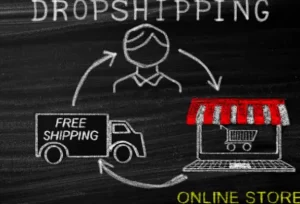
Dropshipping is a business model where you don’t need to hold inventory. When a customer places an order, you simply forward the order to the supplier, and the supplier ships the product directly to the customer. No warehouse, no inventory management, and no shipping hassles. Platforms like Dropsure make it easy by streamlining the process, so you can focus on marketing and sales, leaving the rest to us.

To learn more about dropshipping, check out our What is Dropshipping & How to Start article.

How to Dropship from China?

Success in dropshipping is no accident. Follow these steps to get your business started:

Step 1: Choose Reliable Suppliers

Choosing unreliable suppliers means delays, refunds, and unhappy customers. That’s why finding a trustworthy supplier with a good track record is crucial. Using a platform like Dropsure helps you easily find verified Chinese suppliers.

Step 2: Pick Hot-Selling Products

Stop second-guessing your product choices. Use market analysis tools like Google Trends to identify trending products with low competition and high demand. Your product selection directly impacts your future profits.

Step 3: Target the Right Audience

Understanding who’s buying your products is key. Use social media analytics tools and market research to figure out your potential customers’ age, interests, and buying habits. Precise targeting boosts conversion rates.

Step 4: Track Orders, Keep Transparency

Using your supplier’s order management system or tools provided by Dropsure, stay updated on order status. Customers expect timely delivery, and any delay could cost you their trust.

Step 5: Handle After-Sales Efficiently

Don’t let bad reviews drag you down. Establish clear return and exchange policies, and maintain good communication with customers. Promptly addressing issues is key to customer satisfaction and maintaining a positive reputation.
Dropshipping from China 3

Benefits of Dropshipping from China

Dropshipping from China offers several significant advantages:

1. Low Cost, High Profit

Products from China are typically inexpensive, which means lower sourcing costs and higher profit margins—helping you get a competitive edge in the market.

2. Wide Range of Products

Whether you’re selling electronics or fashion, you’ll find a wide variety of products from Chinese suppliers. The broad selection makes it easier to find products that suit your niche.

Dropshipping from China 2

3. Robust Supply Chain

China has one of the world’s most advanced supply chain infrastructures, ensuring efficient operations from production to logistics. Whether you’re selling in the U.S. or Europe, deliveries will arrive on time.

4. Strong Technical Support

Many Chinese suppliers offer advanced manufacturing capabilities and customization. Strong technical support ensures you get high-quality products, avoiding common quality issues.

How to Find Reliable Dropshipping Suppliers in China?

Finding reliable dropshipping suppliers isn’t hard if you know where to look. Here are a few tips:

1.Attend online or offline trade shows to meet suppliers face-to-face.

2.Use directories and platforms specifically designed to connect dropshippers with Chinese suppliers.

3.Check for supplier certifications or quality control measures. At Dropsure, we provide a curated list of trusted suppliers to make your search easier.

If you’re serious about finding the best suppliers, don’t miss out! Click here to read our article How Do Dropshippers Find Their Best Dropshipping Suppliers? and discover the top strategies that can take your business to the next leve
Dropshipping from China 1

Conclusion

Dropshipping from China presents a wealth of opportunities for entrepreneurs. By following the right steps, you can leverage low-cost products, a wide variety of choices, and a robust supply chain. At Dropsure, we’re dedicated to helping you succeed in your dropshipping journey. We provide the tools, connections to top suppliers, and support to help your business thrive. Start your dropshipping adventure with us today!

DropSure

DropSure is Your Best Partner
22 Years Experience
Affiliate Rebates
100% Quality Guarantee
Top-Up Rewards
10+ Global Warehouses
Custom Branding Support
Smart inventory System
24/7 Customer Support
Get a Quote in 24 Hours
Start Sourcing for Free

Keep Learning

Many entrepreneurs experience the same confusing moment: a product becomes a bestseller, orders increase rapidly, traffic grows, and sales dashboards look impressive—yet profits remain disappointing or even negative. At first glance, this feels contradictory. If a product sells well, shouldn’t it naturally generate strong earnings? In reality, high sales volume and profitability are not the same thing. Some of the most popular products in online commerce operate on razor-thin margins or hidden losses. What appears to be success on the surface often masks structural cost problems buried deep within supply chains and customer acquisition systems. This article explores why best-selling products frequently fail to produce meaningful profits and how supply chain dynamics and advertising economics quietly determine whether a product truly succeeds. The Illusion of the “Winning Product” Online business culture often celebrates the idea of a “winning product.” Metrics such as: high daily orders viral popularity strong click-through rates growing social engagement create a sense of momentum. However, revenue growth alone reveals very little about financial health. A product can achieve: record sales volume consistent demand strong visibility while simultaneously losing money on every transaction. The core issue lies in misunderstanding unit economics. Revenue vs. Profit: The Critical Difference Revenue measures how much money flows into a business. Profit measures what remains after every cost is accounted for. Hidden expenses often include: logistics variability return processing advertising inefficiencies packaging costs payment processing fees inventory risk When these accumulate, margins disappear quietly. Many sellers discover profitability problems only after scaling—when losses multiply alongside sales. The Supply Chain: Where Profit Begins or Ends The supply chain determines the foundational cost structure of any product. Even small inefficiencies compound dramatically at scale. […]

When operating a cross-border e-commerce business, understanding tax policies is essential for managing your finances and avoiding unnecessary risks. This article provides a comprehensive overview of sales tax, value-added tax (VAT), and customs duties to help you stay compliant. Tax Information for DropSure Orders On the DropSure order page, the price you see (i.e., product cost + shipping fee) is the total amount you’ll need to pay. We do not charge any additional hidden fees or platform service fees. Please note:As the merchant, you are fully responsible for the final sales transaction. This means any taxes related to the sale—such as sales tax or VAT—should be declared and paid by you, since you are collecting the full payment from the customer.All invoices and billing documents can be downloaded from the “Billing” section of your account dashboard for accounting or tax filing purposes. About Sales Tax Sales tax policies vary significantly by country and region. We strongly recommend consulting with a professional tax advisor to ensure your tax handling complies with the laws of your operating regions. While the DropSure team is always happy to assist, please understand that we are not qualified to offer formal tax advice. To avoid legal or financial risk, it’s best to rely on certified accountants or tax professionals. About VAT (Value-Added Tax) DropSure does not handle or remit VAT on your behalf under any circumstances. This means: If your country or region requires merchants to collect VAT, you must handle the declaration and remittance directly with your local tax authorities. From the customer’s perspective, orders are delivered directly to their door without requiring additional VAT payments or being held for customs clearance, as our supply […]

As global e-commerce continues to expand, staying compliant with local tax regulations is becoming increasingly essential for businesses. Among the most important tax systems that affect cross-border sales in the European Union are VAT, OSS, and IOSS. These systems not only ensure compliance but also help businesses streamline their operations and avoid costly mistakes. In this article, we will break down what VAT, OSS, and IOSS are, how they work, and how understanding these frameworks can help you stay ahead in the global e-commerce game as we approach 2025.   Here’s an table with Standard VAT Rate for some important countries:    Note: The United States does not have VAT; it only has sales tax. Sales tax is levied only at the retail stage, unlike in most countries where taxes are applied to the value added at each stage of the supply chain.   What is VAT ?   VAT is charged at each stage of the supply chain, including production, wholesale, and retail. At every stage, tax is applied to the “added value” of goods and services. The “added value” refers to the extra value created at each stage, like processing, transforming, transporting, and distributing the product. Example: Let’s say you’re a toy factory. You make a toy and sell it to a store. The store then sells it to a customer. At each step, from production to sale, a small tax is added. But each person only pays VAT on the “added value” they created, not the entire product.   Let’s walk through the process: Assume you buy a television at an electronics store, priced at 500 euros. The VAT rate is 20%. 1.Merchant Purchase (Wholesaler) The merchant […]

Recommended for you