














 En
En
 13 min read
The Christmas shopping period is the “golden time” for every dropshipper. During this period, consumers are eager to open their wallets and enjoy the festive atmosphere by shopping. Whether you run a physical store, an online shop, or a dropshipping business, the Christmas shopping season is the perfect opportunity to boost sales. If you haven’t realized the importance of this time, you’re missing out on the best chance to make money.

Why is the Christmas Shopping Season So Important?
1. Consumers Are Ready to Spend
The Christmas shopping season is a shopping frenzy! According to statistics, retail sales during the Christmas season are usually more than 20% higher than normal, and in the U.S., this number can even reach 30%! Many consumers treat this period as a “Christmas gift stocking season,” buying gifts not only for family and friends but also for themselves. Imagine this: do you want to grab their wallets and increase your sales?
2. The Gift-Giving Mindset: Everyone Wants to Buy Gifts
Christmas is the time for exchanging gifts, and almost everyone participates in this “gift-giving battle.” Surveys show that around 60% of U.S. consumers buy Christmas gifts for family and friends. This includes gifts for bosses, colleagues, children, and even pets. More and more people are looking for customized, personalized products to show their feelings. What do consumers want? Unique, meaningful gifts! Therefore, if your Christmas products offer personalization, they will be in high demand.
3. Online Shopping is the Main Trend: Shop from Home
You may still be used to visiting physical stores, but today’s consumers prefer to shop from home using their phones or computers! According to Adobe Analytics, 50% of U.S. Christmas shopping in 2023 was done online, and this number is expected to grow in 2024. To take advantage of this online shopping trend, businesses must optimize their e-commerce platforms and ensure smooth mobile and online shopping experiences. If your products catch consumers’ attention online, your sales will soar!
4. Holiday Shopping Drives Broader Consumer Trends
Christmas shopping is not just about buying gifts. It also includes holiday decorations, Christmas trees, ornaments, festive foods, and even Christmas sweaters and socks. A Nielsen report shows that consumers spend money on more than just gifts during the holiday season. Home decorations and holiday meals are also major spending categories. This means that Christmas shopping covers a wide range of products, and if you sell anything related to the holiday season, you are in a prime position to benefit.
Christmas Season Hot Sale Product Recommendations
1.Custom Crystal Globes
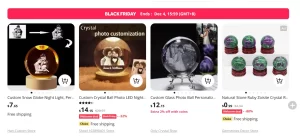
Custom crystal globes are in steady demand due to their high level of personalization. They are especially popular as holiday gifts, such as for Christmas, when consumers prefer personalized presents. Customization options, like photos and text, give each globe special meaning, appealing to many young people and families.
The production cost of custom crystal globes is low, especially for the globe itself. Personalized services, however, can be sold at a higher price, leading to higher profit margins. Prices typically range from $5 to $50, depending on the size and customization, offering a good profit margin.
Tips: Enhance customization options (such as various styles, custom packaging, etc.) and add additional services (such as limited-time promotions, holiday gift sets, etc.) to further boost sales and profits.
2.Christmas-Themed Candle Gift Sets
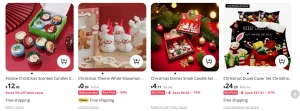
Christmas candle gift sets become very popular during the holiday season. They are great for gifts and home decoration. With different scents and creative designs, they attract more customers, leading to a big sales boost during Christmas.
Candle production costs are low, but prices can go up with attractive packaging, scent choices, and limited-edition designs. These gift sets usually sell for $5 to $40, offering a good profit margin, especially when fancy packaging and branding add extra value.
Tips: Boost profits by collaborating with popular brands or offering limited-edition products.
3.DIY Gift Card Kits
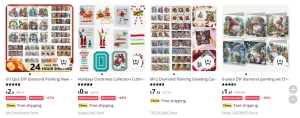
As demand for personalized gifts rises, DIY gift card kits—offering a creative and interactive gifting experience—are becoming increasingly popular among families and young people. Especially during the holiday season, consumers enjoy crafting and giving handmade gifts, which has led to increased demand for DIY gift card kits.
The cost of DIY card kits is relatively low, primarily consisting of paper, tools, decorations, and packaging materials. Prices typically range from $2 to $10, and pricing can be increased with creative designs and multifunctionality. Due to their low cost and relatively high selling price, they offer a large profit margin.
Tips: Enhance creative designs for the gift cards and offer various themed sets (e.g., Christmas, birthday, Valentine’s Day) to boost seasonal sales.
4.Electronic Drawing Boards
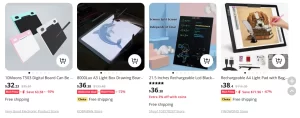
With the rise of home education and children’s creative products, the demand for electronic drawing boards is increasing. These boards are suitable for children and beginners, offering both educational and entertainment value, making them a popular choice for holiday gifts among parents.
The cost of electronic drawing boards is relatively high, mainly due to high-tech components such as electronic screens and batteries. Prices typically range from $30 to $100, and profit margins vary based on the features. High-end models usually offer additional features (e.g., stylus pens, device connectivity), resulting in higher profit margins.
Tips: Promote high-end models with advanced features and offer personalized customer support services (e.g., custom tutorials) to enhance the product’s value.
5.Mini Projectors
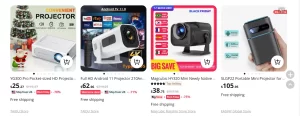
6.Christmas Sweaters
Christmas sweaters are a must-have clothing item during the holiday season, particularly for family gatherings and parties. Creative designs and humorous patterns attract a large number of consumers, especially among younger demographics.
The production cost of Christmas sweaters is moderate, primarily due to fabric and design. Prices typically range from $20 to $50, offering a high-profit margin. Limited edition designs and brand collaborations can further raise the price and profit.
Tips: Offer personalized customization services, such as custom names or patterns, to attract more consumers.
7.Christmas Stocking Sets
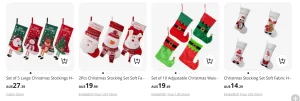
Christmas stocking sets are filled with festive cheer and are commonly used for home decoration and gifting, resulting in high demand.
The production cost of Christmas stocking sets is low, with prices usually ranging from $10 to $30, offering a decent profit margin. Using different materials (e.g., wool, fleece) and personalized designs can increase the selling price.
Tips: Increase value through bundling (e.g., pairing stockings with other decorations) or offering personalized customization (e.g., embroidered names).
8.Christmas Table Mats
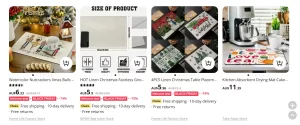
Christmas table mats are highly sought after as holiday home decor items, especially during family meals and gatherings.
The cost is low, primarily due to the fabric and printing process. Prices typically range from $10 to $30, offering a high-profit margin.
Tips: Introduce premium versions, use eco-friendly materials, or offer set designs to increase sales.
9.Christmas-Themed Mugs
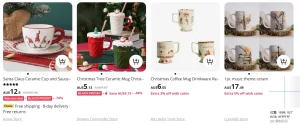
Christmas-themed mugs are extremely popular as holiday gifts, particularly for offices or as family presents.
The production cost is low, primarily for ceramic and printing, with prices typically ranging from $5 to $25. The profit margin is high, especially during the holiday season.
Tips: Increase product appeal and value by adding creative designs (e.g., personalized names or special patterns).
10.Christmas Pet Collars
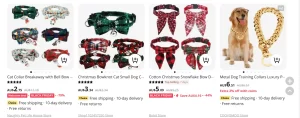
Christmas pet collars have become a popular festive accessory for pets, particularly during the Christmas season. Pet owners not only want their pets to share in the holiday joy with the family but also want them to wear festive decorations. Christmas collars typically feature holiday elements, such as bells, snowflakes, Christmas trees, or Santa Claus patterns, adding a strong festive feel.
The production cost of Christmas pet collars is generally low, especially for basic fabric or plastic materials. Prices typically range from $2 to $20, with a high profit margin, particularly for customized or uniquely designed collars, which can command a higher price.
Tips: Offer high-value customized collars (e.g., with personalized pet names or different color and material choices) and a variety of options for different pet sizes to meet the needs of various pet owners, boosting sales and profits.
Christmas Direct Sales Strategy
To boost direct sales during the Christmas season, businesses need to capitalize on the holiday atmosphere and employ a series of effective marketing tactics. Here are some strategies to promote Christmas direct sales:
1.Create a Festive Atmosphere
Decorate Your Website and Social Media: Transform your website, emails, and social media pages with a Christmas theme, using elements like Christmas trees, snowflakes, and red-and-green color schemes. This festive atmosphere will immerse customers in the holiday spirit and stimulate their desire to shop.
Christmas Time-Limited Offers: Use limited-time promotions or countdown sales to encourage consumer purchasing decisions. For example, “Christmas Sale – Get discounts within 24 hours” creates a sense of urgency, prompting customers to place orders sooner.

2.Offer Personalization and Customization Options
Personalized Gifts: Offer customizable product options such as engraved gifts, personalized crystal balls, or Christmas stockings with embroidered names. These personalized gifts not only carry sentimental value but also enhance customers’ buying intentions, especially as Christmas gifts.
Bundle Gifts: Provide customers with “bundle buy” or “buy one, get one free” offers. For instance, when purchasing Christmas gifts, offer a small holiday-themed accessory (like a Christmas keychain or gift wrapping paper) as a bonus. This strategy can boost the overall purchase volume.

3.Leverage Social Media Marketing
Holiday Promotion Ads: Run dedicated Christmas ads on social media platforms (like Facebook and Instagram), featuring special offers, limited-time discounts, and best-selling products to attract potential customers. Use beautiful holiday photos, videos, and GIFs to increase user engagement.
Social Media Challenges and Interaction: Launch interactive holiday-themed activities, such as a #Christmas Wish#, where customers share their Christmas wishes, or a Christmas-themed contest encouraging users to post about their holiday decorations and family gatherings. Offer discount codes or small gifts as prizes.
Boost Your Christmas Sales with the DropSure Platform
As the Christmas shopping season approaches, dropshipping merchants are faced with unprecedented sales opportunities. To stand out in the fierce market competition, it is crucial to choose an efficient e-commerce platform. DropSure is an all-in-one platform specifically designed for dropshipping merchants, helping you easily manage and optimize the entire sales process, from product selection to order fulfillment, ensuring efficient operations during the busy holiday season.

Advantages of DropSure:
Comprehensive Product Selection: The platform offers a wide range of popular products, helping you easily find bestsellers that are perfect for Christmas sales.
Inventory Management and Automated Order Processing: You no longer need to worry about inventory issues. The platform automatically syncs inventory status and processes orders, saving you time and effort.
Efficient Logistics Support: DropSure partners with multiple logistics providers to ensure timely delivery of your products, improving customer satisfaction.
Precise Data Analysis Tools: The platform provides detailed sales and market trend analysis, helping you develop the most targeted promotional strategies.
Global Coverage: No matter where your target market is, DropSure offers cross-border shipping support, helping you expand into international markets.
By using DropSure, you can avoid the cumbersome operations of traditional sales models and easily navigate the peak holiday sales season. If you haven’t joined DropSure yet, now is the best time! Sign up and start using the DropSure platform to leverage its powerful features and support, seize the golden opportunity of the Christmas shopping season, boost your sales performance, and earn more profits!