< Blogs

Pandabuy or Not? Uncover the Truth and Explore Better Options

Vivan Z.
Created on December 9, 2024 – Last updated on February 6, 20257 min read
Written by: Vivan Z.

Are you considering using Pandabuy for your next cross-border shopping spree? With its promise of simplifying purchases from major Chinese e-commerce platforms, Pandabuy has gained attention, especially among international shoppers. But with recent controversies and operational challenges, is it still the best choice? In this article, we’ll dive into what is Pandabuy , the issues it faces, and some great alternatives that might better suit your needs.


What is Pandabuy?
Pandabuy

Pandabuy is a Chinese e-commerce shipping agent platform that specializes in providing shipping services for overseas users who want to purchase products from China. It is widely known for shipping counterfeit luxury goods, including branded clothing and high-priced shoes from companies like Nike.

The platform allows international users to shop on major Chinese e-commerce sites such as Tmall, Taobao, and JD.com, acting as an intermediary to simplify the purchasing process for these products.

Many users, including influencers, frequently showcase and promote counterfeit or replica items (often referred to as “reps”) purchased through Pandabuy on social media platforms like TikTok, Discord, and Reddit, often sharing their “unboxing haul.”

How Does Pandabuy Operate?

Pandabuy’s business model is primarily based on “reverse overseas shopping,” which helps international users purchase products from Chinese e-commerce platforms (such as Taobao, Tmall, and JD) at original prices, and generates profits by providing value-added services. The specific process works as follows:

Order Placement: International users browse and select their desired products on the Pandabuy platform, submitting purchase links or product information to create an order.

Platform Procurement: Pandabuy’s purchasing team buys the corresponding products from Chinese e-commerce platforms based on the user’s order.

Warehousing Service: Once the products are delivered to Pandabuy’s domestic warehouse, the platform provides free warehousing services. Users can choose to combine multiple orders to reduce international shipping costs.

Quality Inspection and Value-Added Services: Pandabuy offers value-added services such as product quality inspection and customized photography to ensure the quality of the products and meet users’ personalized needs.

International Logistics: Users choose the appropriate international shipping method, and Pandabuy is responsible for packaging and sending the products to the user’s country.

Payment and Settlement: The platform supports various international payment methods, allowing users to pay for the product cost, international shipping fees, and any potential value-added service charges.


What Happened to Pandabuy?
2024 Raid

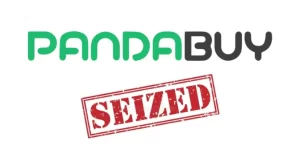
In April 2024, 16 brands sued Pandabuy, accusing it of being involved in counterfeit sales. Chinese authorities raided its headquarters in Hangzhou and several warehouses. They seized products and started investigating the sellers linked to Pandabuy. Over 200 officials and 50 private investigators participated in the raids. They recovered millions of packages, including counterfeit branded sneakers. According to World Trademark Review, the London City Police began investigating in November 2023, with help from intellectual property organizations, as part of Operation Ashiko. Cantoop, a Chinese intellectual property firm, reported that Pandabuy operates in five cities in China with warehouses the size of nearly 20 football fields.

Pandabuy seized


Is Pandabuy Back?

Pandabuy has not fully resumed operations. Due to recent investigations, most of its services, such as placing orders and processing payments, are temporarily suspended. Users can still browse products but cannot make purchases.

The suspension is linked to issues involving counterfeit goods and regulatory violations. While the platform may restart under a new entity, no clear timeline for resumption has been provided, leaving its future uncertain.


Alternative options to Pandabuy


Dropship model
Sourced Oberlo


The question “Is Pandabuy back?” is still up in the air, but that doesn’t mean we can’t check out other great platforms. Instead of waiting and wondering, why not take this chance to explore some reliable cross-border shopping and dropshipping options that offer convenient services and plenty of products?

If you’re looking for alternatives to Pandabuy, here are a few great platforms to try:


1. CJ Dropshipping

 

CJ Dropshipping


Pros
:

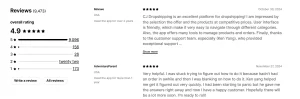
● Offers a one-stop service, including sourcing, warehousing, packaging, and shipping.
● Wide range of flexible product categories across multiple industries.
● Supports global shipping with broad coverage.
● Seamless integration with Shopify, WooCommerce, and other platforms.
● Provides branding customization services (e.g., packaging and product labeling).

Cons:

● Shipping times can vary greatly depending on the destination.
● Best suited for bulk orders; fees for small orders can be higher.
● The interface and operations may require some time to learn.
CJ


2. Oberlo (via Shopify)


Oberlo 3

Pros:

● Designed specifically for Shopify, making integration easy and user-friendly.
● Wide supplier network covering global markets.
● Automates product imports and order processing, saving time.
● Simple to use, ideal for beginner sellers.

Cons:

● Only works with Shopify; not compatible with other platforms.
● Heavily reliant on AliExpress suppliers, which may have inconsistent quality.
● Long shipping times can lead to extended customer wait times.
● Combined with Shopify’s monthly fees, overall costs can add up.


3. AliDropship
AliDropship


Pros
:

● Extensive product range from AliExpress suppliers.
● One-time payment, no monthly fees, suitable for budget-conscious sellers.
● Offers automated order management features.
● Supports self-hosted e-commerce websites, giving sellers full control.
● Provides additional services like website development and marketing support.

Cons:

● AliExpress products often vary in quality, requiring careful supplier selection.
● Shipping times can be long, impacting customer satisfaction.

AliDroship 2


4. Spocket

Spocket


Pros
:

● Features suppliers from around the world, focusing on US and European suppliers.
● Faster shipping times compared to platforms relying on Asian suppliers.
● High-quality product selection, often curated.
● Seamless integration with Shopify, WooCommerce, and other platforms.

Cons:

● Limited product categories compared to other platforms like CJ Dropshipping or AliExpress.
● Higher product costs, particularly for premium items.
●Shipping costs may vary significantly based on supplier location.

Spocket 2


5. DropSure


DropSure


Pros
:

● Offers global shopping and dropshipping services.

● Helps sellers source products from China and ship them worldwide.

● Flexible solutions for product selection, logistics, and automation.

● Suitable for scaling cross-border e-commerce businesses.

Cons:

● Still growing as a platform; supplier and product variety may not be as extensive as larger platforms.
● Limited integrations compared to platforms like CJ Dropshipping or Spocket.
● May require sellers to handle additional logistics coordination.

DropSure 3


Pandabuy once stood out as a convenient gateway to Chinese products for global shoppers, but its current operational uncertainties make it less reliable. While the platform may return in the future, exploring alternatives ensures you can still access what you need without unnecessary delays or risks. Whether you’re looking for seamless logistics, better pricing, or secure transactions, there are plenty of other options to consider. Ultimately, the right choice depends on your priorities—but staying informed is always the first step.


 

Blog Buttom

DropSure is Your Best Partner
22 Years Experience
Affiliate Rebates
100% Quality Guarantee
Top-Up Rewards
10+ Global Warehouses
Custom Branding Support
Smart inventory System
24/7 Customer Support
Get a Quote in 24 Hours
Start Sourcing for Free

Keep Learning

In this era of e-commerce, which is full of opportunities and challenges, the substitute shipping model is quietly changing the game of the traditional retail industry. Perhaps you are planning to open your own online store, or looking for a more efficient way to operate your existing business, then these platforms can be your most capable assistant. From AliExpress, which offers a huge range of products worldwide, to Spocket, which focuses on European and American suppliers and fast shipping; from CJdropshipping, which offers a full range of services, to Printful, which supports personalization and customization, to DropSure, which focuses on accurate quality monitoring of merchandise and inventory management, each of these platforms has its own unique strengths. Today, we’ll take you through each of these popular shipping platforms to help you find the one that best suits your needs and take the first step towards success! AliExpress – Global Cross-Border E-Commerce A huge online marketplace offering millions of products of all kinds, popular with reseller merchants for its wide selection of products. Low Price Sources Made in China direct supply, 3C accessories, home tools and other categories of prices than the European and American platforms, more profit margins. Brand Authorization Guarantee 200+ brand whitelist (such as millet) to provide official authorization, AI scanning to intercept infringing links, to avoid the risk of store closure. Explosive Testing Flexibility We support single-piece generation of hair, no inventory pressure, combined with the platform “hot list” real-time data (including country/category growth rate), rapid screening potential products. Spocket – European and American Direct Supply and Distribution Spocket is a platform that connects shipping merchants and suppliers, focusing on products from the US and Europe to […]

If you’ve ever worked with a bad supplier, you already know the cost isn’t just financial. It’s refunds.It’s chargebacks.It’s angry emails at 2 a.m.It’s ad spend wasted on products that arrive broken, late, or not at all. In the world of dropshipping and private label ecommerce, your supplier is not just a vendor — they are your operations backbone. They control your product quality, shipping speed, packaging, inventory consistency, and ultimately your brand reputation. The uncomfortable truth? Most suppliers are not built for long-term ecommerce growth. Many are opportunistic middlemen with unstable logistics, inconsistent quality control, and zero accountability once payment clears. The good news: you can filter out the majority of unreliable dropshipping suppliers before placing a single large order. You just need to ask the right five questions. This guide walks you through a practical, battle-tested framework to identify high-quality suppliers and eliminate low-performing ones before they damage your store. Why Most Dropshipping Supplier Relationships Fail Before we get into the screening process, it’s important to understand why supplier partnerships break down. Common failure points include: Inconsistent product quality Inventory stockouts without notice Unreliable shipping timelines Poor communication Hidden fees Lack of quality inspection Unclear return policies No accountability for defects Many new ecommerce entrepreneurs focus heavily on product selection and marketing — but neglect operational vetting. That’s a costly mistake. A mediocre product with a strong supplier can succeed.A winning product with a weak supplier will collapse. The 5 Questions That Filter Out 90% of Low-Quality Suppliers These questions are simple. But the way suppliers answer them reveals everything. Question 1: “Can You Provide a Detailed Breakdown of Your Quality Control Process?” Low-quality suppliers hate this question. […]

In today’s increasingly globalized world, cross-border trade has become key to the growth and expansion of many businesses. However, understanding and adhering to the customs and tax policies of different countries is crucial for both importers and exporters. Each country has a unique customs management system, and these regulations directly impact the cost of imports, market pricing, and the efficiency of international trade. This article will explore the customs management systems of Turkey, the UK, the US, Brazil, Germany, and France. By analyzing aspects such as customs duties, import procedures, VAT, and preferential policies, we aim to help international trade businesses better understand the entry requirements of different markets and optimize their cross-border operations strategies. Turkey Tariffs       Overview Turkey is located at the crossroads of Europe and Asia. As a candidate member of the European Union, its customs system is somewhat aligned with the EU. The Turkish Customs Administration (TCA) manages the duties and taxes on imported goods. The main goal of customs duties is to protect the domestic market while ensuring compliance with international trade rules. Customs Duties Turkey imposes customs duties on most imported goods, but the rates vary depending on the type of product. Generally, industrial goods like machinery, electronics, and clothing have lower duties, while agricultural products such as fruits, vegetables, and meats face higher duties. Agricultural products are taxed more heavily to protect the local farming industry.     Customs duties in Turkey are calculated based on the CIF (Cost, Insurance, and Freight) price.  Specifically: ● Cost: This refers to the purchase price of the goods. ● Insurance: This refers to the insurance cost for the goods during transit. ● Freight: This is […]

Recommended for you